
Cheonjeyeon Waterfall (천제연폭포) Travel Guide (2026)
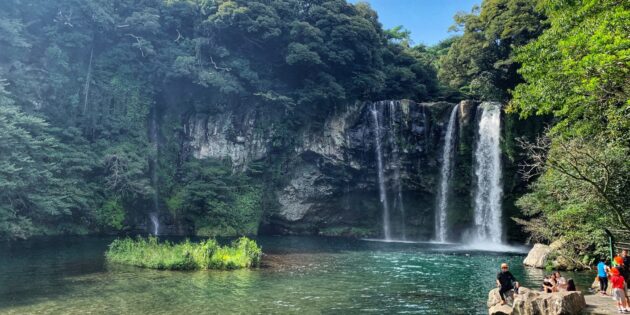
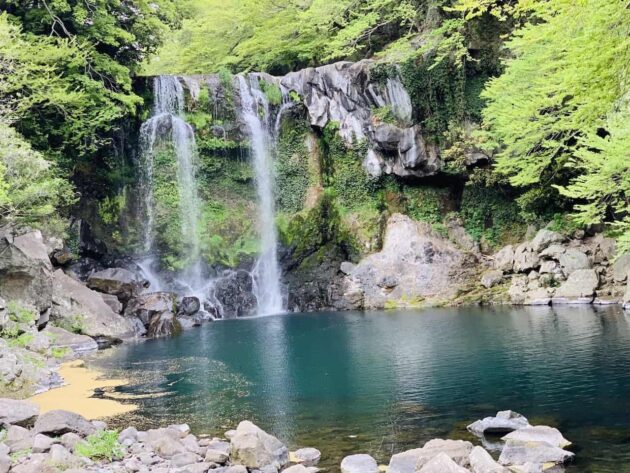
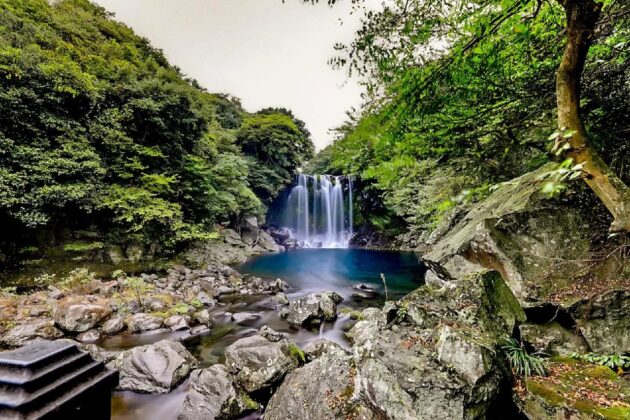
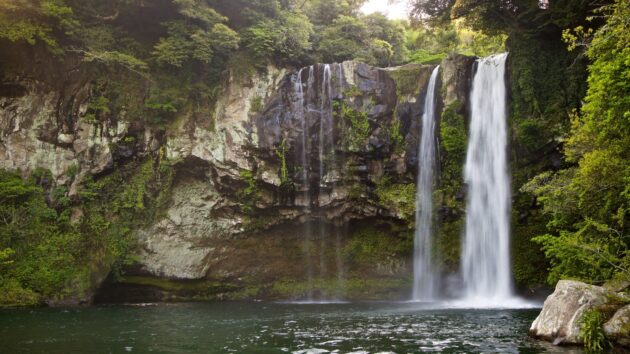
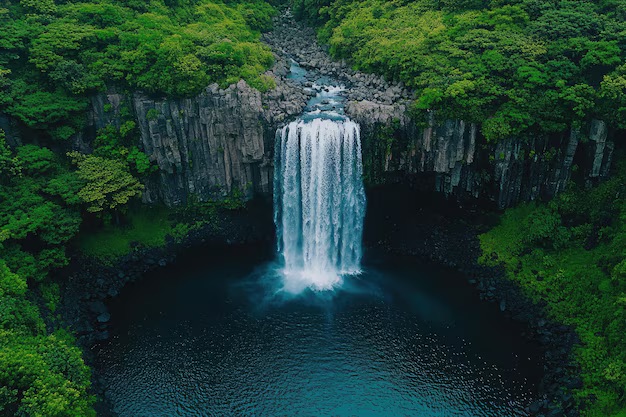
Cheonjeyeon Waterfall, often called the “Pond of the Gods,” is a stunning three-tiered waterfall nestled in a lush subtropical forest in the Jungmun Tourist Complex area of Seogwipo-si, southern Jeju Island. Legend says seven nymphs descend from the heavens at night to bathe in its emerald pools. The site features scenic walking trails, bridges (including the picturesque Seonimgyo Bridge adorned with nymph carvings), and vibrant blue ponds—especially beautiful under the right light.
It’s a refreshing, moderately active nature spot ideal for hikers, photographers, and anyone seeking a peaceful escape amid Jeju’s volcanic landscapes. The full exploration involves stairs and paths through the valley, offering a rewarding short hike.
Why Visit Cheonjeyeon Waterfall?
Three distinct waterfalls: The first (about 22m high) flows strongly after heavy rain; the second is often the most photogenic with its rectangular cascade and deep pool; the third completes the series.
Dense evergreen forest, bridges, and serene ponds create a magical atmosphere.
Night illumination (when available) enhances the experience, sometimes revealing rock formations like a “hidden face.”
Cultural touches: Stacked stone cairns for wishes and the legendary nymph story.
Practical Information
Address: 132 Cheonjeyeon-ro, Seogwipo-si, Jeju-do (중문동).
Opening Hours: Typically 9:00 AM – 5:50 PM (last admission around 5:10 PM). Hours may adjust with sunset; confirm locally as they can vary. Open year-round.
Admission Fees (approximate, subject to change): Adults: ₩2,500 (group discount ₩2,050); Teens/Children: ₩1,350 (group ₩850); Free for young children (under 6), seniors 65+, and certain disabled visitors.
Time Needed: 45–90 minutes for a relaxed visit covering all three waterfalls.
How to Get There
By Car/Taxi: Easiest option. Free parking is available. From Jeju City ~1 hour; from Seogwipo ~20 minutes; from Jungmun area just minutes. Use Naver Map or Kakao Map.
By Bus: From Jungmun, take local buses like 510 or 690 to the Cheonjeyeon Waterfall stop. From broader Jeju, transfers may be needed—buses can be infrequent, so plan ahead.
Tours: Many Jeju day tours include Cheonjeyeon along with other southern attractions.
Best Time to Visit
Spring (March–May) and Autumn (September–November): Pleasant weather, fewer crowds, and vibrant foliage.
After Rain: Stronger water flow, especially for the first waterfall.
Early Morning: Quieter, better light, and cooler for walking.
Evening/Night: Illuminated views if timing aligns (romantic and atmospheric).
Avoid peak summer weekends if possible due to heat and crowds. Wear comfortable shoes—there are many stairs and some uphill sections.
What to Expect & Tips
Terrain: Forest trail with stairs, bridges, and paths. It’s a moderate walk—not fully flat or wheelchair-accessible throughout. Bring water, wear sturdy shoes, and go at your own pace.
Weather: Jeju can be windy or rainy. Check forecasts and dress in layers.
Photography: Best spots around the second waterfall and bridges. Early light or post-rain creates magical emerald tones.
Facilities: Parking, restrooms, and basic amenities at the entrance.
Combine with Nearby Spots: Jeongbang Waterfall (Asia’s only direct-to-sea waterfall). Cheonjiyeon Waterfall (another scenic one in Seogwipo). Jungmun Beach, Yeomiji Botanical Garden, or the Jungmun Tourist Complex.
Pro Tip: Download the Naver Map app for navigation and real-time bus info. Respect the environment—stay on trails and avoid littering.
Final Thoughts
Cheonjeyeon Waterfall offers one of Jeju’s most enchanting natural experiences, blending hiking, legend, and breathtaking scenery. Whether you’re on a road trip or a guided tour, it’s a must-visit highlight of southern Jeju. Safe travels and enjoy the “Pond of the Gods”!
For the latest details, check official sites like Visit Jeju or the attraction’s page before your trip.