
Jeju Folk Village (제주민속촌) Travel Guide (2026)
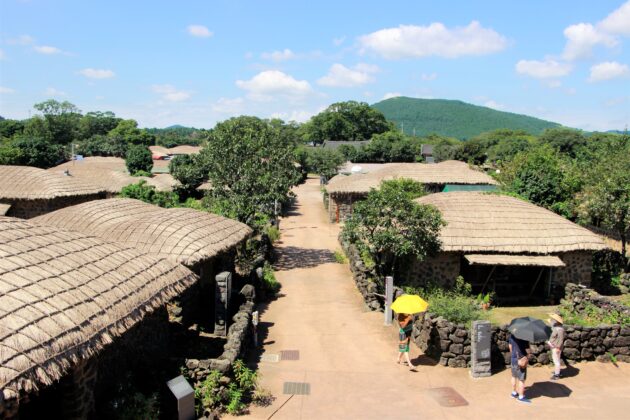
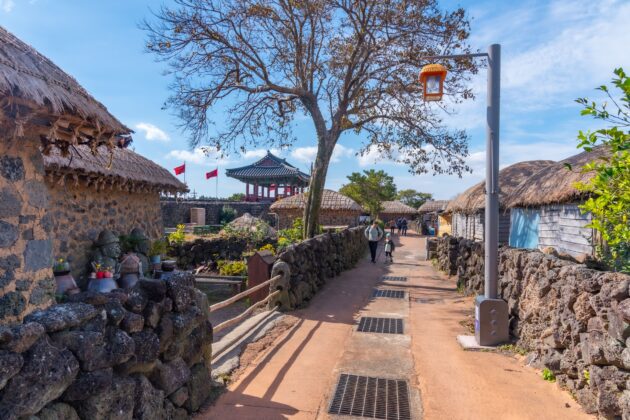
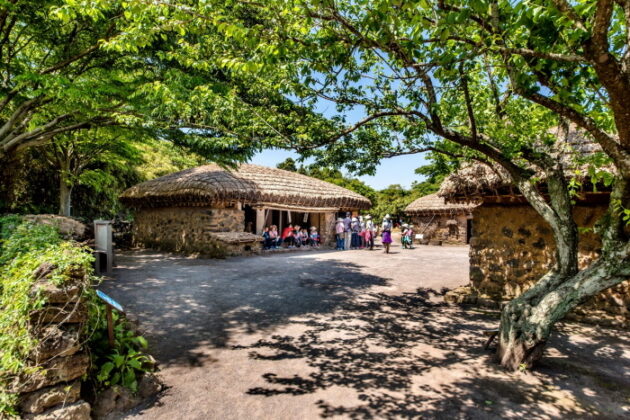
Jeju Folk Village is a large open-air museum and reconstructed traditional village that recreates 19th-century Jeju Island life. It features over 100 traditional thatched-roof houses, folk artifacts, themed exhibition halls, and interactive experiences. Built with historical research, it showcases Jeju’s unique architecture (including black lava rock walls), daily life, customs, and seasonal flora. It is distinct from the living Seongeup Folk Village further inland.
This site is ideal for culture enthusiasts, families, history buffs, and photographers. It is often used as a filming location for period dramas.
Location
Address: 631-34 Minsokhaean-ro, Pyoseon-myeon, Seogwipo-si, Jeju-do, South Korea.
It sits on the eastern/southeastern coast of Jeju Island, near Pyoseon Beach and coastal areas.
Opening Hours & Tickets
Hours: Generally 9:30 AM – 7:00 PM (last admission around 6:00 PM). Seasonal variations apply (e.g., closes earlier in winter). April–September: ~8:30 AM – 6:00 PM; October–February: ~8:30 AM – 5:00 PM; March: ~8:30 AM – 5:30 PM.
Admission (approximate; check for updates): Adults: ₩15,000; Teenagers (13–18/middle-high school): ₩12,000; Children (4–elementary): ₩11,000; Under 4: Free.
Discounts often available for seniors, military, etc. Buy tickets online via sites like Trip.com or Klook for convenience and occasional promos.
Recommended visit time: 2–4 hours (you can easily spend half a day exploring).
How to Get There
From Jeju International Airport (CJU): About 1 hour by car/taxi or 1–1.5 hours by bus.
Bus: Take bus 121 or 122 from Jeju City or suburban terminals. Buses stop near the entrance.
Car/Taxi: Easy drive (~40–60 minutes from Jeju City, ~25–30 minutes from central Seogwipo). Parking is available.
Tours: Many east Jeju day tours include this stop alongside Seongsan Ilchulbong (Sunrise Peak), Seopjikoji, or Haenyeo-related sites.
What to See and Do
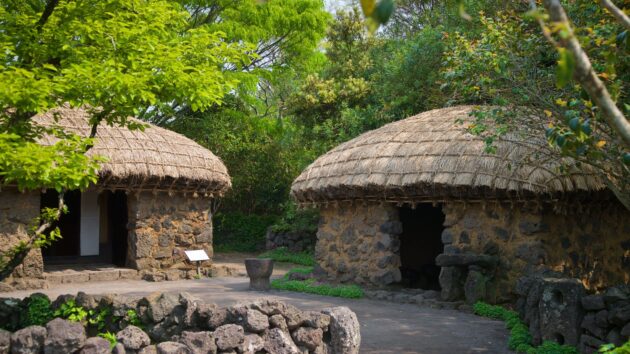
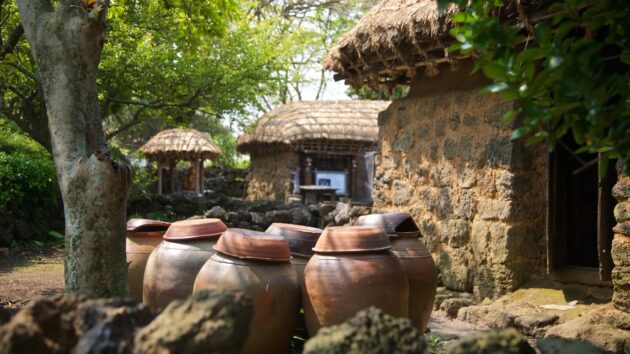
Traditional Houses: Wander recreated homes from different social classes and regions of Jeju, with period furniture and tools. Note unique features like lava rock walls and thatched roofs.
Exhibition Halls & Artifacts: Displays on Jeju folklore, shamanism, fishing, farming, and daily life.
Interactive Experiences: Try folk games (e.g., tuho arrow-throwing, stilts, tops), wear traditional items like jige (back carrier), or attempt traps and tools. Great for kids.
Gardens & Scenery: Seasonal flowers, trees, and an orange grove. Peaceful walks, especially in spring or autumn.
Cultural Performances: Occasional traditional music, dance, or demonstrations (check on-site schedule).
Nearby: Short walk to a beach, local restaurants, and shops in Pyoseon town.
Tips for Visitors
Best Time to Visit: Spring (flowers) or autumn (milder crowds and colors). Avoid peak summer weekends if possible.
What to Wear/Bring: Comfortable walking shoes (the village is large and spread out). Sun protection or light jacket depending on season. Bring water and snacks, though basic facilities and cafes are on-site.
Photography: Excellent for traditional Korean aesthetics and landscapes. Golden hour or overcast days work well.
With Kids: Highly recommended — hands-on activities keep them engaged.
Language: English signage and some explanations are available, but a guided tour or app translation enhances the experience.
Combine with: East Jeju itinerary — Seongsan Ilchulbong, Seopjikoji, or Seongeup Folk Village for a mix of reconstructed and living heritage.
Food: Try local Jeju specialties like black pork, fresh seafood, or tangerine-based dishes in nearby restaurants.
Final Thoughts
Jeju Folk Village offers a peaceful, immersive step back into Jeju’s pre-modern past. While some visitors note the entry fee feels high, most appreciate the scale, authenticity, and educational value. Pair it with Jeju’s natural wonders for a well-rounded island trip. Enjoy your visit!