


A Comprehensive Travel Guide
Beijing, the vibrant capital of China, is a city where ancient history meets modern innovation. From imperial palaces to bustling markets and cutting-edge architecture, Beijing offers a rich tapestry of experiences for every traveler. Whether you’re drawn to cultural landmarks, culinary delights, or scenic escapes, this guide will help you plan an unforgettable trip to Beijing.
Why Visit Beijing?
Beijing is a city of contrasts, blending over 3,000 years of history with the dynamism of a global metropolis. As the political, cultural, and historical heart of China, it’s home to iconic UNESCO World Heritage Sites like the Forbidden City and the Great Wall, alongside modern marvels like the Bird’s Nest stadium. Visitors can explore traditional hutongs (narrow alleys), savor Peking duck, and immerse themselves in a city that’s both a living museum and a hub of innovation.
How to Get There
By Air: Beijing Capital International Airport (PEK) and Beijing Daxing International Airport (PKX) serve as major global gateways. Direct flights connect Beijing to cities worldwide, with domestic flights from Shanghai, Guangzhou, and other Chinese cities taking 2–3 hours. From the airport, take the Airport Express train (25–30 CNY, ~30 minutes to downtown) or a taxi (~100–150 CNY).
By Train: Beijing is a high-speed rail hub, with Beijing South Railway Station and Beijing West Railway Station connecting to cities like Shanghai (4.5–5 hours), Xi’an (4–5 hours), and Guangzhou (8–10 hours). Book tickets via Trip.com or at stations (ID required).
Getting Around: Beijing’s subway is efficient, with 27 lines covering the city (fares 3–10 CNY). Taxis, Didi (China’s Uber), and bike-sharing apps like Meituan are also convenient. For a traditional touch, try a rickshaw tour in the hutongs.
Top Attractions
No.1 The Forbidden City (紫禁城/故宫)
The Forbidden City, located in the heart of Beijing, China, is one of the world’s most iconic historical sites and a UNESCO World Heritage Site. Officially known as the Palace Museum, this sprawling imperial palace served as the home of Chinese emperors from the Ming Dynasty (1368–1644) to the Qing Dynasty (1644–1912). With its stunning architecture, vast courtyards, and rich cultural artifacts, the Forbidden City offers a glimpse into China’s imperial past.


No.2 Badaling Great Wall (八达岭长城)
The Badaling Great Wall, located in Beijing’s Yanqing District, is one of the most iconic and well-preserved sections of the Great Wall of China. As a UNESCO World Heritage Site, it attracts millions of visitors annually with its stunning views, historical significance, and accessibility from Beijing.


No.3 Temple of Heaven (天坛)
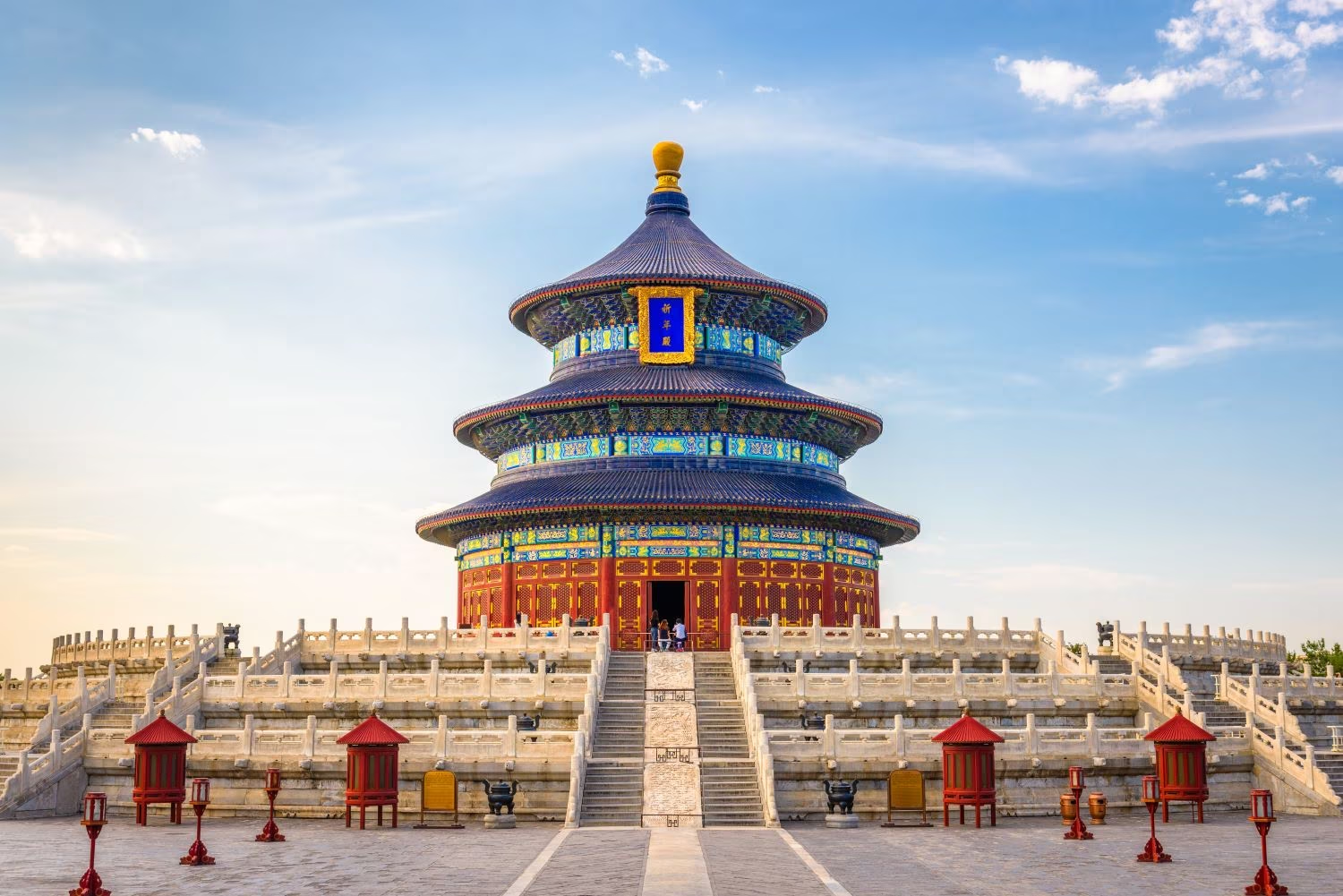
The Temple of Heaven (Tiantan) in Beijing, China, is a UNESCO World Heritage Site and one of the most iconic cultural landmarks in the country. Built in the early 15th century during the Ming Dynasty, this architectural masterpiece was where emperors performed sacred rituals to pray for good harvests and divine favor. With its stunning architecture, symbolic design, and serene parklands, the Temple of Heaven is a must-visit for travelers seeking to explore Beijing’s rich history and cultural heritage.



No.4 The Summer Palace (颐和园)
The Summer Palace, or Yiheyuan, is one of Beijing’s most iconic and breathtaking historical sites, renowned for its stunning gardens, serene lake, and imperial architecture. A UNESCO World Heritage Site, this former imperial retreat offers visitors a glimpse into China’s Qing Dynasty while providing a tranquil escape from the bustling capital.


No.5 National Museum of China (中国国家博物馆)
The NMC is a treasure trove of Chinese civilization, housing artifacts from prehistoric times to the modern era. Its vast collection includes ancient bronzes, jade carvings, calligraphy, paintings, and revolutionary relics, offering insights into China’s dynastic past and its contemporary achievements. The museum’s grand architecture, free admission, and central location make it a must-visit for anyone exploring Beijing.


No.6 Tiananmen Square (天安门广场)
Tiananmen Square, located in the heart of Beijing, is one of China’s most iconic landmarks and a must-visit destination for travelers. As the world’s largest public square, it is steeped in history, culture, and political significance. From witnessing the daily flag-raising ceremony to exploring nearby historical sites, Tiananmen Square offers a rich experience for visitors.


No.7 Mutianyu Great Wall (慕田峪长城)
Mutianyu is celebrated for its well-preserved Ming Dynasty watchtowers, breathtaking views, and a balance of accessibility and tranquility. Stretching over 2.25 kilometers with 22 watchtowers, it offers a mix of restored and unrestored sections, allowing visitors to appreciate both the grandeur of the wall and its historical ruggedness. Surrounded by dense forests and rolling hills, Mutianyu is particularly stunning in spring (blooming flowers), summer (lush greenery), and autumn (vibrant foliage). It’s less crowded than Badaling, making it ideal for those seeking a more relaxed Great Wall experience.


No.8 798 Art District (798艺术区)
Once a cluster of state-owned factories built in the 1950s with Soviet and East German assistance, the 798 Art District is now a global symbol of China’s contemporary art scene. Its Bauhaus-style architecture, characterized by vast open spaces and serrated roofs, provides a striking backdrop for cutting-edge exhibitions, street art, and creative workshops. The district is often compared to New York’s SoHo or Greenwich Village, offering a bohemian vibe with a distinctly Chinese flavor. With over 400 galleries and cultural institutions from around the world, it’s a must-visit for anyone interested in modern art, urban culture, or Beijing’s evolving identity.


No.9 Shichahai (什刹海)
Shichahai is one of Beijing’s most beloved destinations, offering a unique mix of natural beauty, cultural heritage, and lively nightlife. The area’s lakes are surrounded by willow-lined shores, historic courtyards (siheyuan), and bustling hutongs, creating a nostalgic ambiance. Once a playground for Qing Dynasty royalty, Shichahai is now a hub for locals and tourists alike, with its blend of traditional teahouses, modern bars, and proximity to landmarks like the Forbidden City and Beihai Park. From rickshaw tours to lakeside strolls, there’s something for everyone.


No.10 Beijing WTown (古北水镇)
Beijing WTown is designed to resemble a traditional northern Chinese water town, with cobblestone streets, stone bridges, and ancient-style architecture reminiscent of江南 (Jiangnan) water towns like Suzhou or Wuzhen. However, its proximity to the Simatai Great Wall—one of the most well-preserved and less crowded sections of the Great Wall—sets it apart. The town offers a perfect mix of history, culture, and relaxation, with activities ranging from boat rides along the canals to nighttime Great Wall hikes. The area is also known for its hot springs, traditional performances, and vibrant seasonal events, making it a year-round destination.


No.11 Bird’s Nest (鸟巢)
The Bird’s Nest, designed by Swiss architects Herzog & de Meuron in collaboration with Chinese architect Li Xinggang, is a symbol of modern China’s innovation and global presence. Its interwoven steel beams resemble a bird’s nest, embodying themes of nature, balance, and humanity’s aspirations. The stadium hosted the opening and closing ceremonies of the 2008 and 2022 Olympics, as well as track and field events, making it a bucket-list destination for sports fans. Beyond its Olympic legacy, the Bird’s Nest is a hub for cultural events, concerts, and winter snow festivals, offering a vibrant experience year-round.


Cultural Experiences
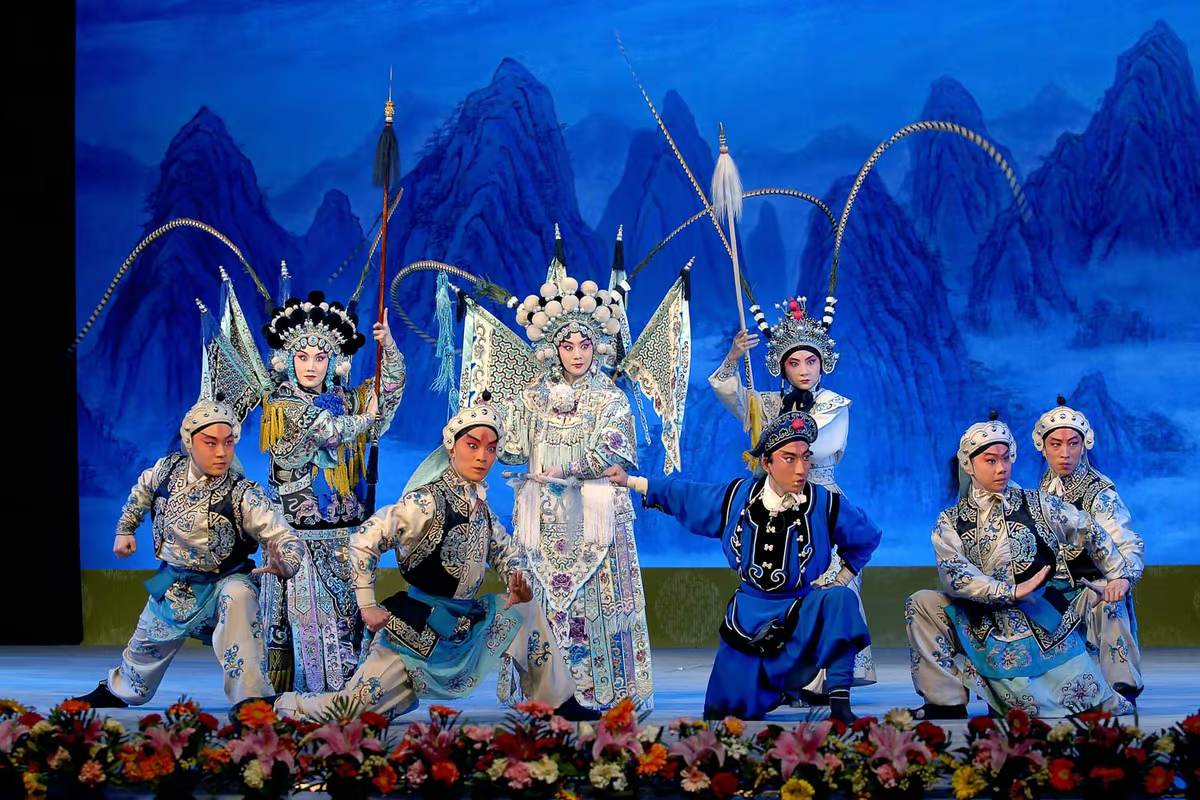
Peking Opera: Witness the traditional performing arts at venues like the Liyuan Theatre.


Hutongs: Wander through Beijing’s historic alleys to experience local life and visit traditional courtyard houses.


Tea Ceremonies: Learn about Chinese tea culture in authentic teahouses.


Cuisine
Peking Duck: Sample this delicacy at renowned restaurants like Quanjude or Da Dong.


Jianbing: A savory Chinese crepe, perfect for breakfast or a snack.


Lamb Hotpot: Ideal for a cozy meal in winter.


Street Food: Visit Wangfujing Snack Street or Nanluoguxiang for diverse local snacks.


Shopping
Silk Market: Known for tailor-made clothing and souvenirs.
Panjiayuan Antique Market: A treasure trove for art and antiques.
Sanlitun: Trendy area for international brands and vibrant nightlife.
Useful Tips
Language: Learn basic Mandarin phrases or use translation apps as English proficiency may be limited outside tourist areas.
Currency: The official currency is the Chinese Yuan (CNY). Mobile payments like Alipay and WeChat Pay are prevalent, but cash is still accepted.
Etiquette: Respect local customs, especially in temples and other sacred places.
Pollution: Check air quality levels and consider wearing a mask on high pollution days.
Conclusion
Beijing is a city of contrasts, where ancient history and modern innovation coexist. With this guide, you’re set to explore its wonders and immerse yourself in its rich culture. Happy travels!


