
Nestled in the lush, mountainous countryside of Nanjing County, Zhangzhou City, Fujian Province, Yunshuiyao Ancient Town (云水谣古镇) is a picturesque village that feels like a step back in time. Known for its serene riverside setting, ancient banyan trees, and iconic Hakka Tulou (earthen buildings), Yunshuiyao is a UNESCO World Cultural Heritage site and a must-visit for travelers seeking a blend of natural beauty, cultural heritage, and tranquility. This guide will help you plan an unforgettable trip to this enchanting destination.


A Travel Guide to Yunshuiyao Ancient Town
Why Visit Yunshuiyao?
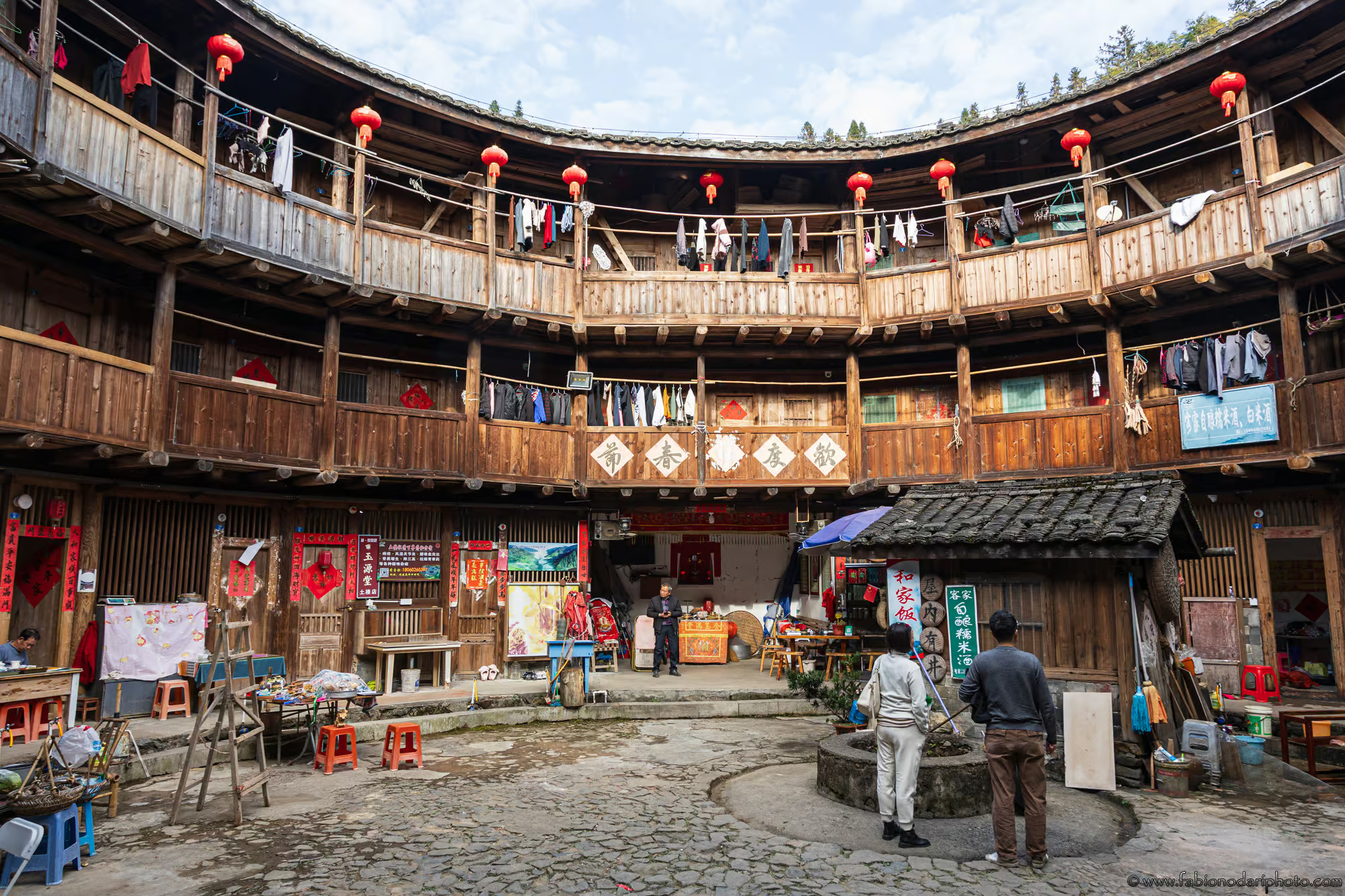
Yunshuiyao, originally called Changjiao Village, gained fame through the 2006 Chinese film The Knot (Yunshuiyao), which won the Best Film at the 2007 Golden Rooster Awards. The village’s timeless charm lies in its well-preserved Qing Dynasty architecture, cobblestone paths, and over 50 Hakka Tulou, unique circular or square earthen structures that house entire communities. The Yunshuiyao River, flanked by centuries-old banyan trees, adds to the idyllic atmosphere, making it a haven for photographers, history buffs, and those seeking a peaceful escape from urban life. Its inclusion in the UNESCO-listed Fujian Tulou sites underscores its global cultural significance.
How to Get There
Yunshuiyao is located in Shuyang Town, Nanjing County, approximately 100 km from Xiamen, the nearest major city and transportation hub. Here are the main ways to reach it:
From Xiamen: By Car/Private Tour: The most convenient option is a private car or guided tour, taking about 2–2.5 hours from Xiamen (¥400–600 for a round-trip). Many tour operators offer day trips combining Yunshuiyao with other Tulou clusters like Tianluokeng. By Train and Bus: Take a bullet train from Xiamen Railway Station or Xiamen North Station to Nanjing Railway Station (30–50 minutes, ¥20–40). From Nanjing Station, catch a local bus or taxi to Yunshuiyao Scenic Area (1 hour, ¥10–50). By Bus: Direct buses from Xiamen Fanghu Bus Station to Nanjing County take about 2.5 hours (¥50–70). From Nanjing Bus Station, transfer to a local bus or taxi to Yunshuiyao (30–40 minutes).
From Zhangzhou: Buses from Zhangzhou Long-distance Bus Station to Nanjing County run regularly (1.5 hours, ¥30–50). From there, take a taxi or local bus to Yunshuiyao.
Address: Yunshuiyao Ancient Town, Shuyang Town, Nanjing County, Zhangzhou City, Fujian, China (福建省漳州市南靖县书洋镇云水谣古镇). Tip: Public transport can be less reliable due to unfixed schedules and language barriers. For a hassle-free experience, book a private tour or hire a car with a driver.
Best Time to Visit
Spring (March–May): Mild weather (15–25°C) and blooming flowers make this ideal for outdoor exploration. The banyan trees are lush, and the river sparkles under clear skies. Autumn (September–November): Cooler temperatures (18–28°C) and vibrant foliage enhance the village’s charm. This is peak season for photography.
Summer (June–August): Warm and humid (25–35°C) with occasional rain. The greenery is at its peak, but bring rain gear and mosquito repellent. Winter (December–February): Cooler (10–20°C) and less crowded, but the scenery is less vibrant. Off-season travel offers a quieter experience.
Note: Avoid major holidays like Chinese New Year (January/February) and National Day (early October) to escape crowds. The rainy season (June–August) may make paths slippery, so pack appropriate footwear.
Tickets and Opening Hours
Opening Hours: 7:00 AM–6:00 PM daily (last entry at 5:30 PM). Some attractions, like Huaiyuan Tower, may close earlier.
Ticket Price: ¥90 per person, covering three main sites: Yunshuiyao Ancient Town, Huaiyuan Tower, and Hegui Building. Children under 1.2 meters and seniors over 70 may enter free or at a discount.
Booking: Tickets are available at the scenic area entrance or online via platforms like Trip.com or Ctrip. Book in advance during peak seasons to avoid queues.
What to See and Do
Yunshuiyao Scenic Area is divided into three main attractions along the Yunshuiyao River and a millennium-old cobblestone path. Here are the highlights:
Hegui Building (和贵楼): Built in 1732 during the Qing Dynasty, this square Tulou is uniquely constructed on a swamp, supported by over 200 pine logs. Known as the “Most Unique Tulou in the World,” it inspired scenes in the animated film Big Fish & Begonia. Visitors can explore its sturdy interior and learn about Hakka engineering.
Huaiyuan Tower (怀远楼): Constructed between 1905–1909, this double-ring Tulou is a masterpiece of Hakka architecture, featuring an outer residential ring and an inner ancestral hall used as a school. Its well-preserved state and exquisite design make it a highlight. It also appeared in Big Fish & Begonia.
Yunshuiyao Ancient Town: Wander the cobblestone paths lined with 700-year-old wooden houses and the largest banyan tree in Fujian, with branches spanning over 30 meters. The Great Waterwheel, built for the film The Knot, is a scenic landmark. The riverside is perfect for leisurely walks, sketching, or photographing the pastoral landscape.
Old Market Street: This 700-year-old street features two-story brick-wood shops, many retaining their original wooden walls. Browse local crafts, taste Fujian snacks, or buy fresh produce like Zhangzhou’s red bananas or passionfruit from nearby farmers.
Cultural Experiences: Hakka Culture: Engage with local residents to learn about Hakka traditions, including tea ceremonies (using small cups for two sips to savor the flavor) and Minxi Han opera. Photography and Art: The village attracts art students sketching the Tulou and banyan trees. Join them for a creative afternoon or capture the serene scenery.
Nearby Attractions: Tianluokeng Tulou Cluster (30-minute drive): Known as “Four Dishes and One Soup” for its unique layout, this UNESCO site is a must-see. Taxia Village (15-minute drive): A tranquil Hakka village with Tulou and a Taichi-like water layout.
Where to Eat
Local Eateries: Small restaurants along the riverside and Old Market Street serve Hakka cuisine, including fried pork, stuffed tofu, and braised duck (¥20–50 per dish). Try the snack stalls for South Fujian specialties like peanut soup or oyster pancakes.
Recommended Spots: Riverside Snack Shop: Offers a variety of affordable Fujian snacks with scenic views (¥10–30). Local Homestays: Some guesthouses provide home-cooked Hakka meals, often fresher and more authentic.
Tip: Bring your own snacks if visiting during off-season, as dining options may be limited. For a wider variety, eat in Nanjing County or Xiamen.
Where to Stay
Staying overnight in Yunshuiyao enhances the experience, allowing you to enjoy the village’s tranquility at sunrise or sunset. Options include:
Yunshuiyao Shanshui Guminju (云水谣山水古民居): A highly rated guesthouse near Huaiyuan Tower, offering traditional rooms from ¥200/night. Its riverside location and 2015 renovation make it a top choice. Tulou Homestays: Some Tulou residents offer basic lodging for an immersive experience (¥100–300/night). Expect simple amenities and no elevators. Nanjing County Hotels: For more comfort, stay in Nanjing County (30-minute drive), where 3- or 4-star hotels cost ¥150–400/night. Xiamen as a Base: If visiting as a day trip, Xiamen offers a wide range of hotels, from budget (¥100–200) to luxury (¥500+).
Booking Tip: Use Trip.com or Ctrip for deals, and reserve in advance during peak seasons.
Tips for a Great Visit
Wear Comfortable Shoes: The cobblestone paths and Tulou interiors involve walking on uneven surfaces. Protect the Environment: Avoid littering or touching artifacts to preserve the UNESCO site. Use eco-friendly mosquito repellent.
Bring Rain Gear: The weather can be changeable, especially in summer. A lightweight umbrella or poncho is handy. Language Barrier: English is rarely spoken, so bring a translation app (e.g., Google Translate) or hire a guide for deeper insights.
Photography: The banyan trees, Tulou, and waterwheel are photogenic, but drones may require permission. Early mornings offer the best light and fewer crowds. Combine Your Trip: Pair Yunshuiyao with Tianluokeng Tulou, Taxia Village, or Xiamen’s Gulangyu Island for a comprehensive Fujian experience.
Final Thoughts
Yunshuiyao Ancient Town is a living testament to Hakka ingenuity and Fujian’s rich cultural heritage. From the awe-inspiring Tulou to the serene riverside paths shaded by ancient banyan trees, every corner of this village tells a story of history and harmony with nature. Whether you’re exploring the architectural marvels of Hegui and Huaiyuan Buildings, strolling along the cobblestone Old Market Street, or simply soaking in the peaceful ambiance, Yunshuiyao offers a refreshing escape into rural China’s past. Plan your visit with care, embrace the slow pace, and let this UNESCO gem captivate your senses.
Happy travels!


