

A Travel Guide to Wuhan
Wuhan, the vibrant capital of Hubei Province, is a dynamic metropolis in central China, known as the “Thoroughfare of Nine Provinces” due to its strategic location at the confluence of the Yangtze and Han Rivers. Often called the “Chicago of China,” Wuhan blends a rich 3,500-year history with modern development, offering travelers a mix of cultural landmarks, natural beauty, and culinary delights. From the iconic Yellow Crane Tower to the serene East Lake, this guide will help you plan an unforgettable visit to Wuhan.
Why Visit Wuhan?
Wuhan is a city of contrasts, where ancient history meets rapid modernization. It’s a hub of culture, with landmarks like the Hubei Provincial Museum showcasing the Chu Kingdom’s heritage, and a foodie paradise famous for hot dry noodles (reganmian) and Wuchang fish. The city’s cherry blossoms in spring, bustling night markets, and role as a Yangtze River cruise port make it a compelling destination. As a UNESCO City of Design, Wuhan also boasts innovative architecture and a vibrant arts scene, making it ideal for travelers seeking both tradition and modernity.
How to Get There
Wuhan’s central location makes it a major transportation hub with excellent connectivity:
By Air: Wuhan Tianhe International Airport (WUH), 26 km northwest of the city, serves flights to over 12 countries (e.g., Dubai, London, Japan) and numerous domestic destinations. Airport shuttles to Hankou (¥15, ~23 minutes) and Wuhan Metro Line 2 (¥5–7) provide easy access to the city center. Travel time from Beijing or Shanghai is about 2–2.5 hours by air.
By Train: Wuhan has three main railway stations: Wuhan Station (Wuchang), Hankou Station, and Wuchang Station, connected by the Jingguang (Beijing–Guangzhou) and Handan (Hankou–Chongqing) lines. High-speed bullet trains link Wuhan to Beijing (4–6 hours), Shanghai (4–5 hours), and Yichang (2 hours). Metro Line 2 connects the airport and railway stations for seamless transfers.
By Bus: Long-distance buses serve cities like Nanjing and Shanghai from stations like Hankou (Jiefang Dadao) and Wuchang (Wu Luo Lu). Overnight buses are convenient for budget travelers.
By Boat: Wuhan is a key stop on Yangtze River cruises, connecting to Chongqing (upstream, via the Three Gorges) or Shanghai (downstream). Most cruises operate April–October, with Victoria Cruises being a popular choice.
Tip: Use apps like Ctrip or Trip.com to book tickets and check schedules. Metro Line 2 is the most convenient way to navigate the city’s three districts: Wuchang, Hankou, and Hanyang.
Best Time to Visit
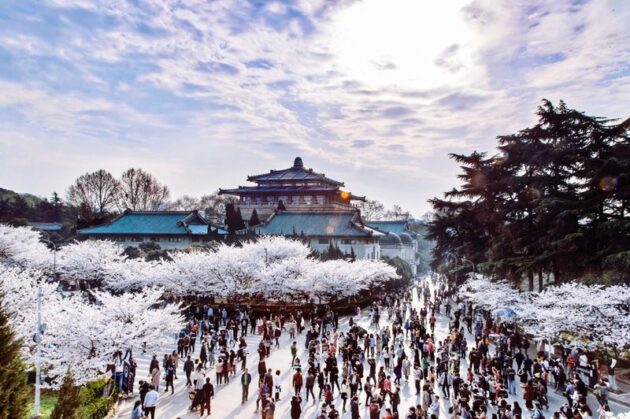
Spring (March–May): Ideal for mild weather (15–25°C) and cherry blossoms, especially at Wuhan University’s Cherry Blossom Avenue, which attracts over 100,000 visitors during peak bloom (mid-March to early April). Autumn (September–November): Pleasant temperatures (15–25°C) and vibrant foliage make this a great time for outdoor exploration.
Summer (June–August): Hot and humid (up to 35°C), but perfect for enjoying East Lake’s lotus flowers and night markets. Bring sunscreen and light clothing.Winter (December–February): Cold (0–10°C) and quieter, with indoor attractions like museums being the focus. Avoid peak pollution days by checking air quality forecasts.
Note: Avoid Chinese National Day (early October) and Spring Festival (January/February) for fewer crowds. Spring and autumn are best for outdoor activities.
Top Attractions
Yellow Crane Tower (黄鹤楼)
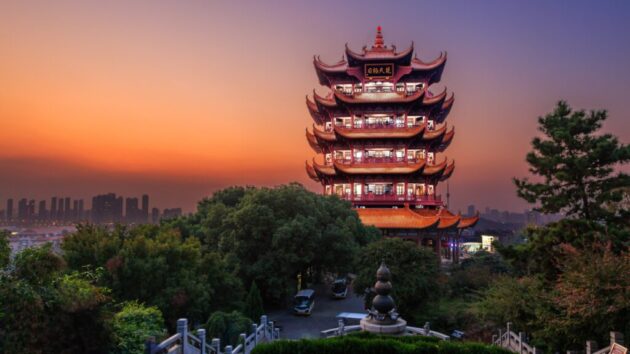
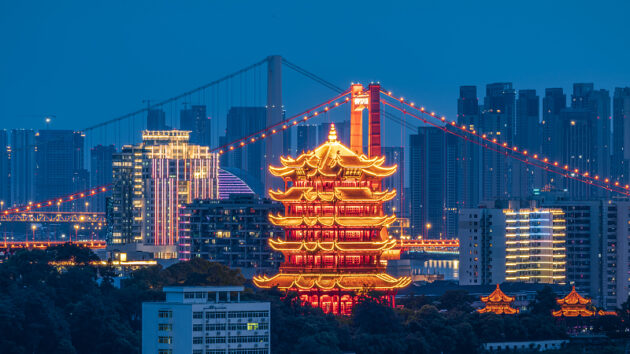
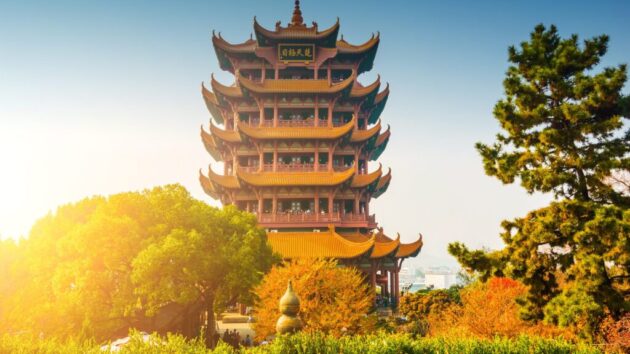
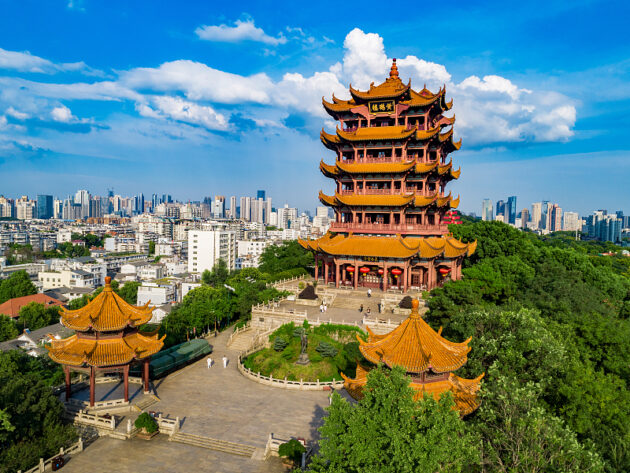
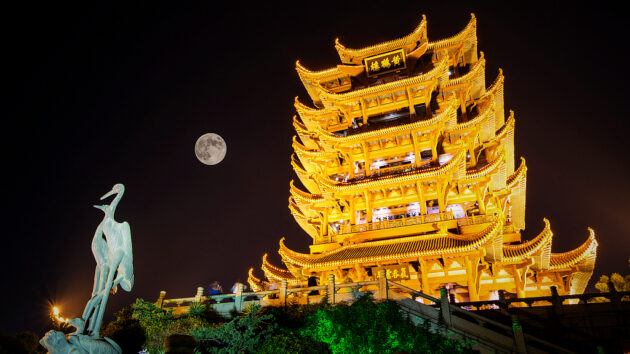
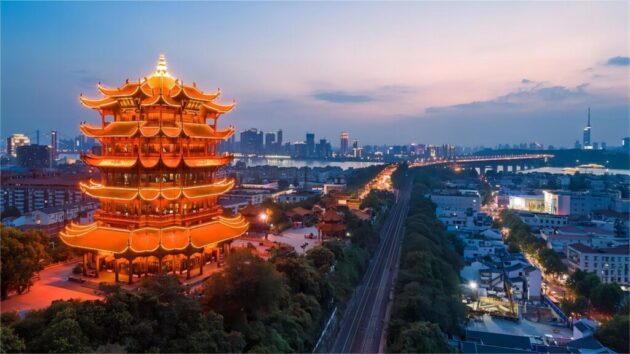
Yellow Crane Tower has been celebrated for over 1,700 years, inspiring poets like Li Bai and Cui Hao with its majestic presence and scenic beauty. Rebuilt multiple times since its origins in 223 AD, the current structure, completed in 1985, combines traditional Chinese architectural elements with modern design. The tower offers panoramic views of Wuhan’s skyline and the Yangtze River, alongside exhibits that delve into its historical and cultural significance.
Wuhan University (武汉大学)
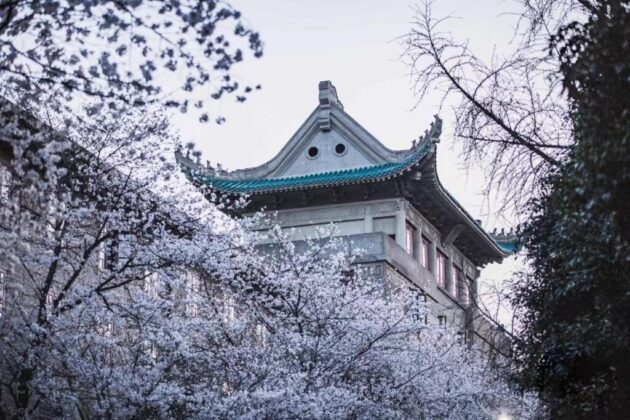
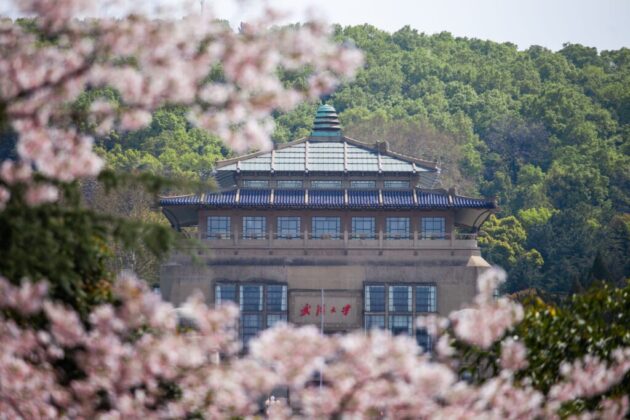
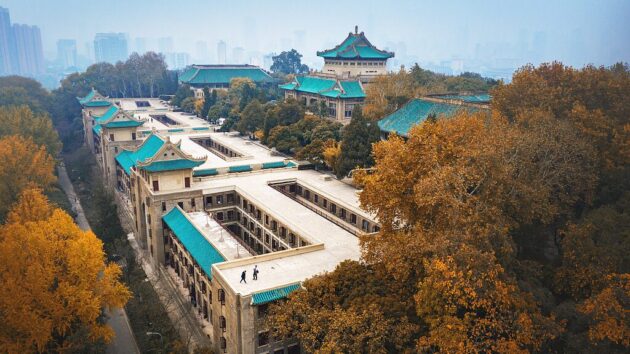
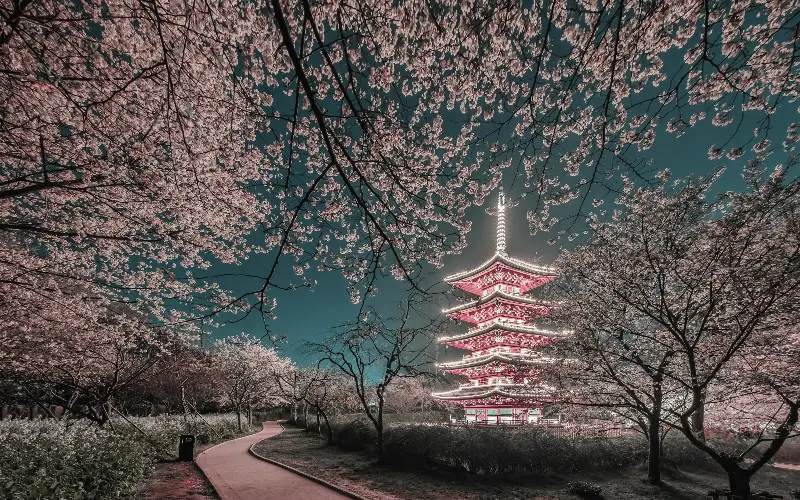
Founded in 1893, Wuhan University is renowned for its stunningarchitecture—a fusion of traditional Chinese palace-style buildings and Western influences. Start your visit at the iconic Old Library, a masterpiece with green-tiled roofs and intricate detailing. It’s a perfect spot for photos and a glimpse into the university’s storied past. Wander through the Sakura Avenue, especially in spring, where cherry blossom trees line the paths, creating a tunnel of pink petals.

East Lake (东湖)
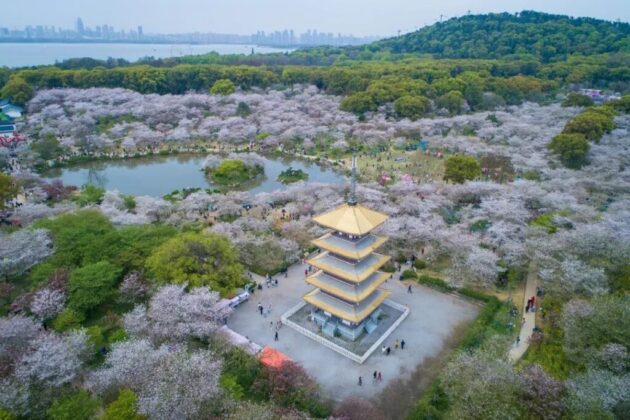
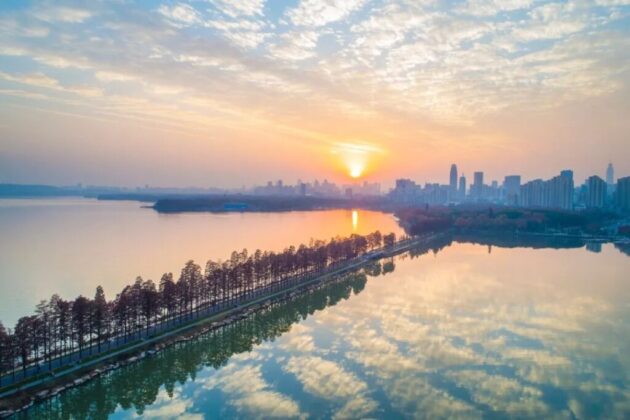
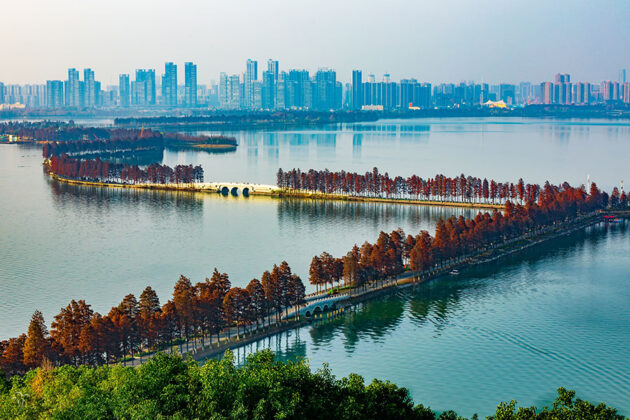
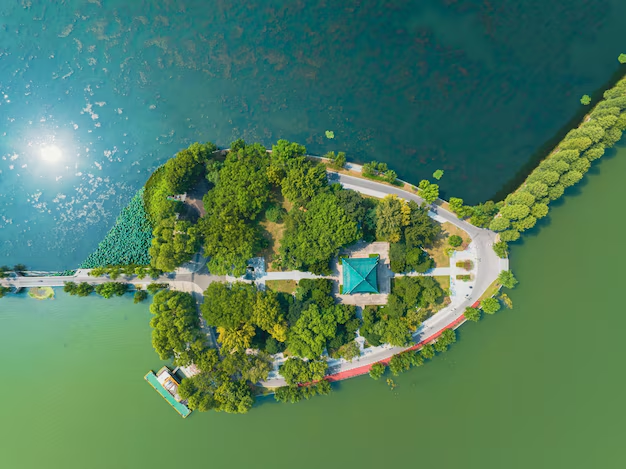
East Lake is a 5A-rated tourist zone, attracting millions annually with its stunning landscapes, diverse flora, and rich cultural heritage. The area is divided into four main scenic zones—Tingtao (Listening to Surging Waves), Moshan (Millstone Hill), Luoyan (Diving Wild Goose), and Chuidi (Playing Flutes)—each offering unique experiences. From cherry blossoms in spring to lotus flowers in summer, East Lake is a year-round destination.
Hubei Provincial Museum (湖北省博物馆)
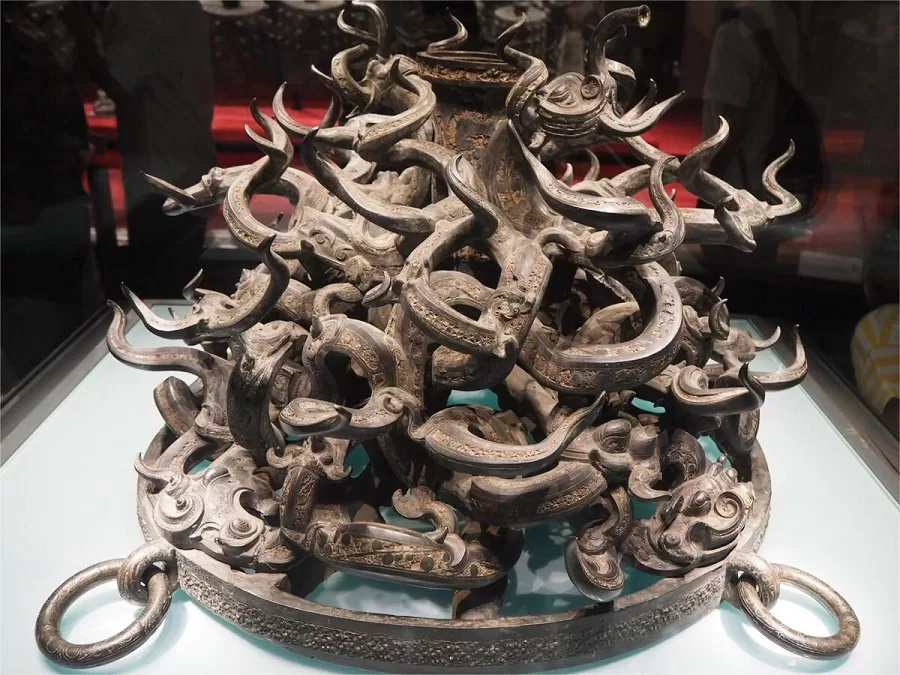
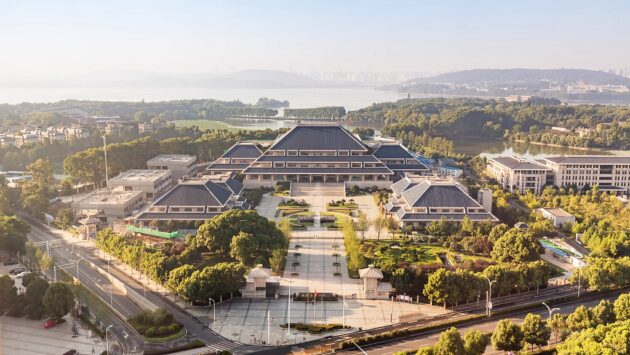
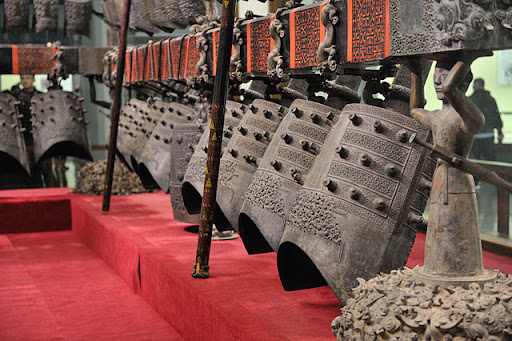
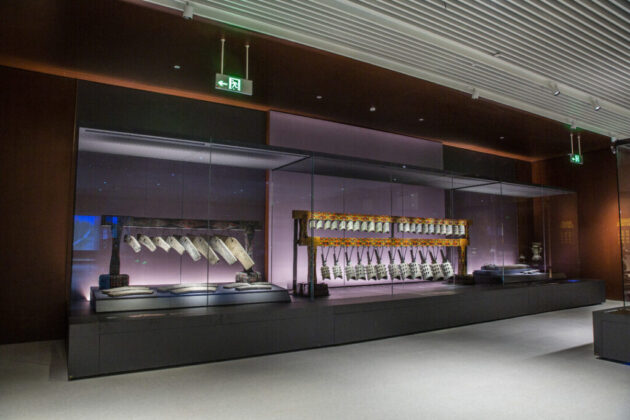
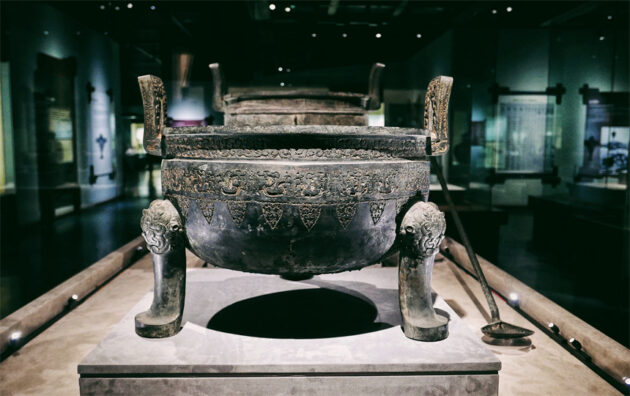
The Hubei Provincial Museum stands out for its extensive collection of state-level relics, including 812 first-class relics and 16 national treasures, making it one of China’s most significant cultural institutions. The museum’s highlight is the Zeng Houyi Chime Bells, a 2,400-year-old set of bronze bells from the Tomb of Marquis Yi of Zeng, considered a marvel of ancient Chinese music and craftsmanship.
Wuhan Yangtze River Bridge (武汉长江大桥)
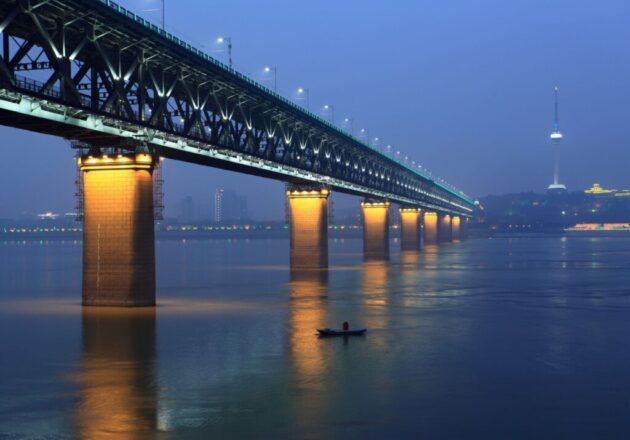
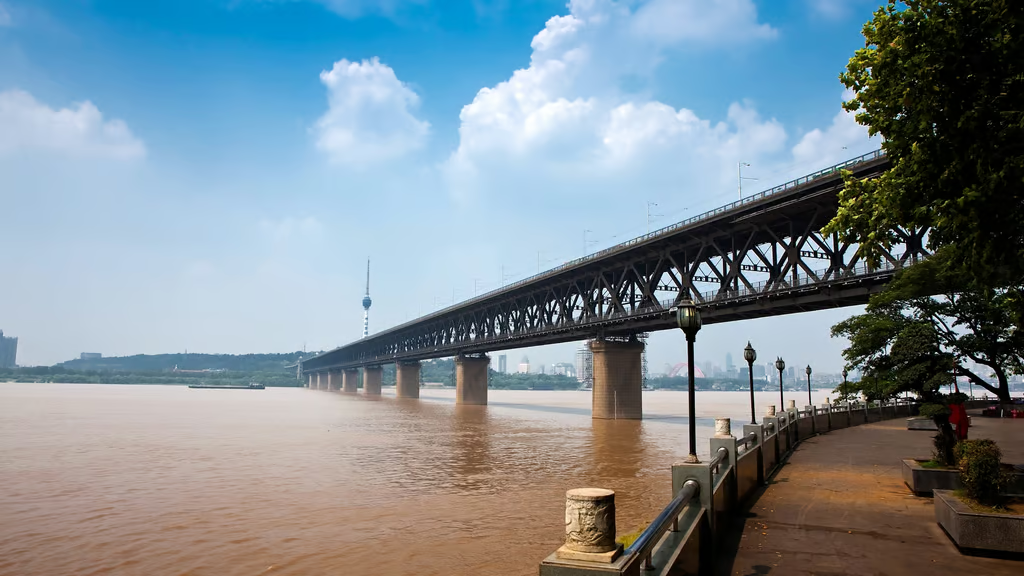
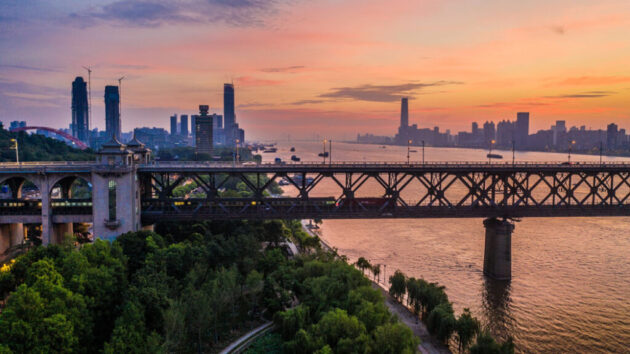
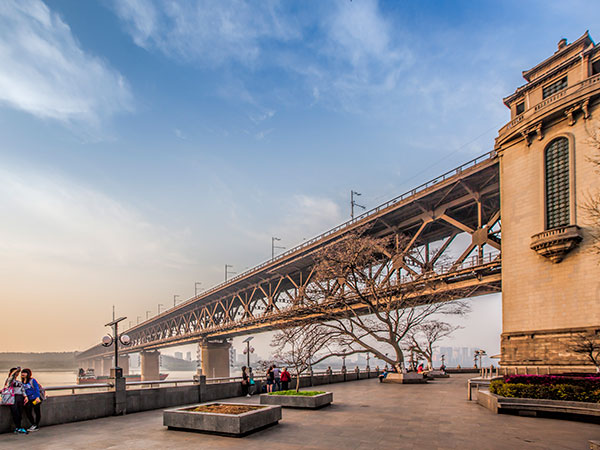
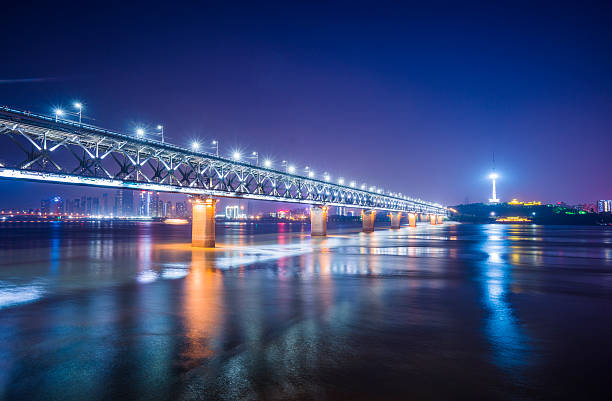
The Wuhan Yangtze River Bridge, often referred to as the “First Bridge of the Yangtze,” is an iconic landmark in Wuhan, Hubei Province, China. Completed in 1957, this double-deck road and rail bridge was the first to span the mighty Yangtze River, marking a significant milestone in Chinese engineering history. Connecting the districts of Wuchang and Hanyang, the bridge not only serves as a vital transportation link but also offers stunning views of the river and the city’s skyline.
Guiyuan Temple (归元禅寺)
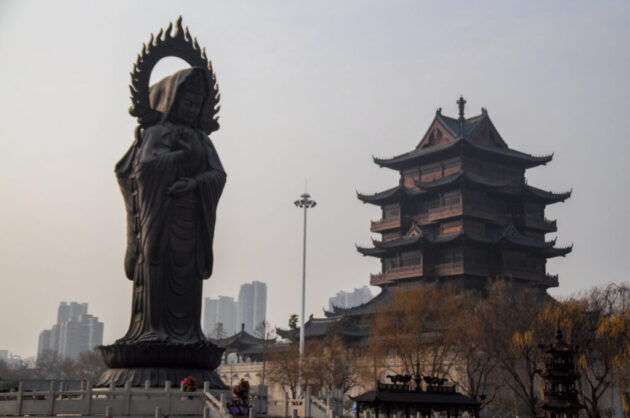
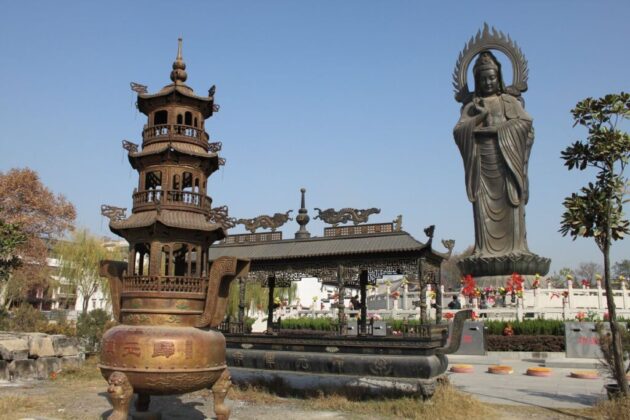
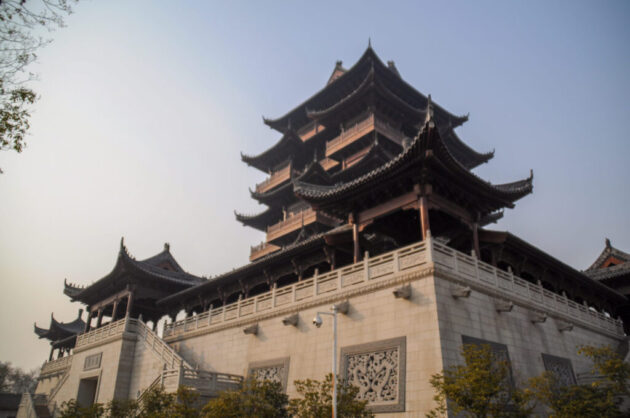
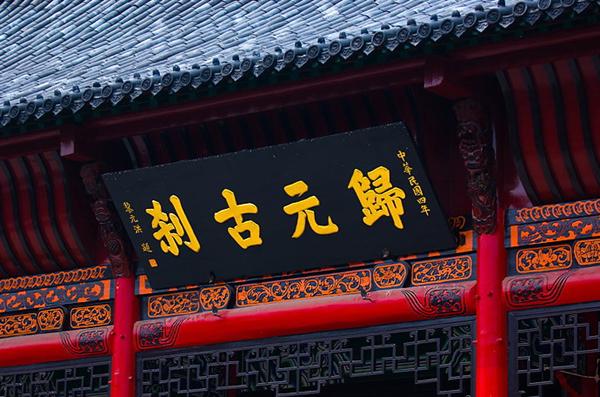
Guiyuan Temple, located in the Hanyang District of Wuhan, Hubei Province, is one of the four most significant Buddhist temples in Wuhan and a revered site for Zen (Chan) Buddhism in China. Built in 1658 during the Qing Dynasty, this 350-year-old temple, also known as the “Temple of Original Purity,” spans 46,900 square meters and is celebrated for its stunning architecture, intricate sculptures, and spiritual ambiance.
Gude Temple (古德寺)
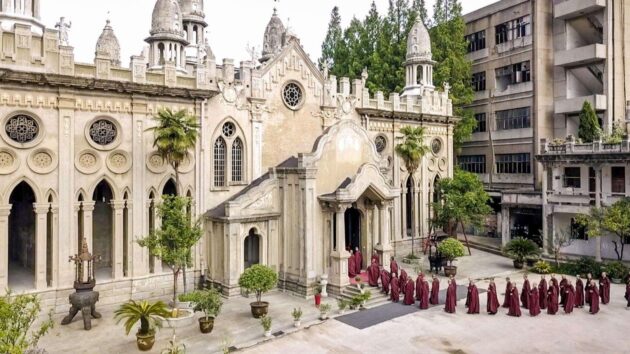
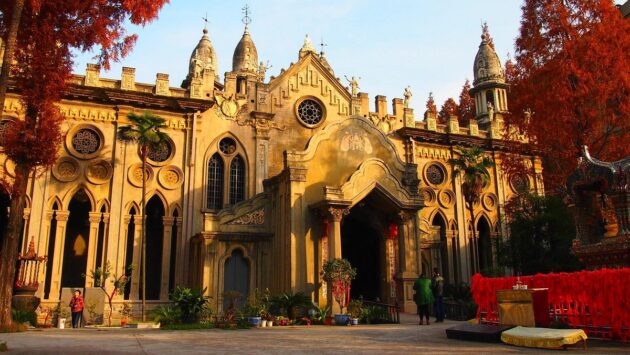
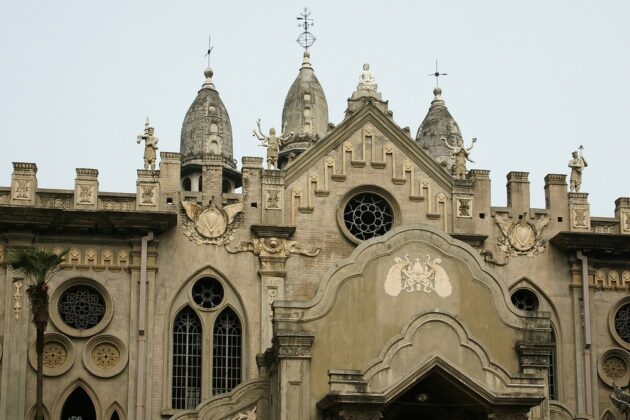
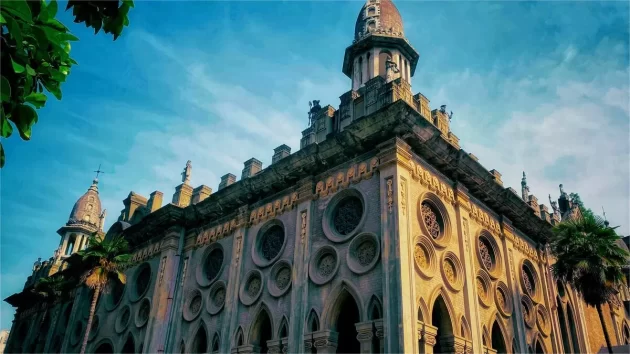
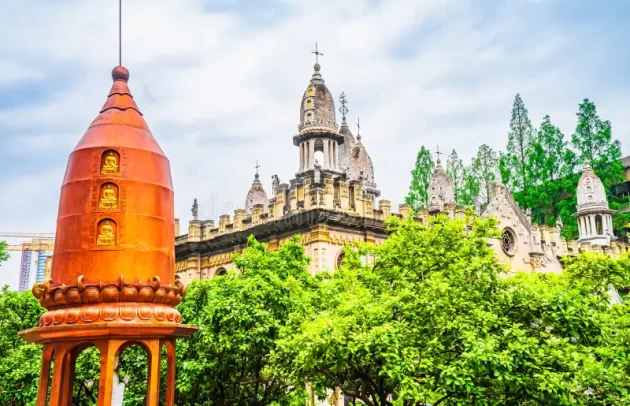
Nestled in the bustling Jiang’an District of Wuhan, the Gude Temple (古德寺) is a hidden gem that stands out for its extraordinary blend of Eastern and Western architectural styles. Founded in 1877 during the Qing Dynasty, this Buddhist temple is one of the four major Buddhist monasteries in Wuhan, alongside Guiyuan Temple, Baotong Temple, and Lianxi Temple. Its unique design, inspired by Myanmar’s Ananda Temple and incorporating Gothic, Romanesque, and Islamic elements, makes it a must-visit for travelers interested in culture, history, and architecture.
Where to Eat
Wuhan’s cuisine is bold and flavorful, with must-try dishes:
Hot Dry Noodles (Reganmian): Sesame-infused noodles available at Hubu Alley or Cai Lin Ji (¥10–15). Wuchang Fish: Steamed freshwater fish, famously praised by Mao Zedong, served at restaurants like Lao Cun Zhang (¥50–80).
Duck Neck: Spicy and savory, try Jingwu Road vendors (¥10–20). Street Food: Hu Bu Xiang and Ji Qing Jie night markets offer soup dumplings, fried bean sheets, and more (¥5–15 per dish).
Dining Options: Budget: Hubu Alley or local stalls for street food. Mid-Range: Lao Cun Zhang or Baijia Dajiujia for Hubei cuisine (¥50–100/person). Upscale: Shangri-La Hotel’s Shang Palace for fine dining (¥150–300/person).
Tip: Carry cash for smaller vendors, as some may not accept credit cards.
Where to Stay
Wuhan offers accommodations for all budgets, mostly in Hankou and Wuchang:
Luxury: InterContinental Wuhan (Hankou): 5-star with river views, indoor pool, and hot dry noodles at breakfast. ~¥800–1,200/night. Hilton Wuhan Optics Valley (Hongshan): Modern amenities near universities. ~¥600–900/night.
Mid-Range: Sheraton Wuhan Hankou Hotel (Hankou): Central location, comfortable rooms. ~¥400–600/night. Somerset Wusheng Wuhan (Hankou): Spacious apartments with free Wi-Fi. ~¥350–500/night.
Budget: 7 Days Inn or Home Inn (multiple locations): Clean, basic rooms. ~¥100–200/night. Wuhan Youth Hostel (Wuchang): Dorm beds for backpackers. ~¥50–80/night.
Booking Tip: Book via Booking.com or Ctrip for deals, especially during cherry blossom season. Stay in Hankou for nightlife or Wuchang for cultural sites.
Tips for a Great Visit
Visa Requirements: Most travelers need a visa; check with your local Chinese embassy. Australians may qualify for a 30-day visa-free entry for tourism. Always verify entry conditions, as they can change. Language: Mandarin is the primary language; English is limited. Download a translation app like Pleco or carry a phrasebook.
Safety: Wuhan is generally safe, but watch for pickpockets in crowded areas like Hubu Alley. Avoid tap water; drink bottled water. Cultural Customs: Use both hands when giving/receiving items, avoid public displays of affection, and remove shoes in homes or certain temples.
Health: Air pollution can be high; check forecasts and wear a mask on bad days. Register with programs like the U.S. Smart Traveler Enrollment Program (STEP) for safety alerts. Combine Your Trip: Extend your visit to Wudang Mountain (2.5 hours by train, a UNESCO Taoist site) or Yichang (2 hours by train) for the Three Gorges Dam.
Final Thoughts
Wuhan is a city of surprises, where the ancient Yellow Crane Tower stands alongside modern skyscrapers, and the tranquil East Lake contrasts with bustling night markets. Whether you’re savoring hot dry noodles, exploring Chu Kingdom relics, or catching cherry blossoms in spring, Wuhan offers a rich tapestry of experiences. Plan your visit for spring or autumn, embrace the local culture, and discover why this river city is a hidden gem in central China.
Happy travels!