
Jiming Temple (鸡鸣寺, Jīmíng Sì), meaning “Rooster Crowing Temple,” is one of Nanjing’s oldest and most revered Buddhist temples, located in the Xuanwu District near the scenic Xuanwu Lake. Established in 527 AD during the Liang Dynasty, this historic temple has been a spiritual and cultural landmark for over 1,700 years, surviving destruction and reconstruction through the centuries. Renowned for its serene ambiance, vibrant architecture, and stunning views, Jiming Temple is a must-visit for travelers seeking a blend of history, spirituality, and natural beauty in Nanjing, one of China’s ancient capitals. This guide will help you plan a memorable visit.

A Travel Guide to Jiming Temple
Why Visit Jiming Temple?
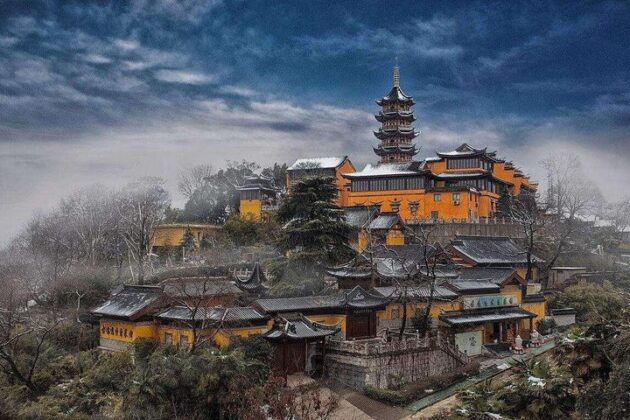
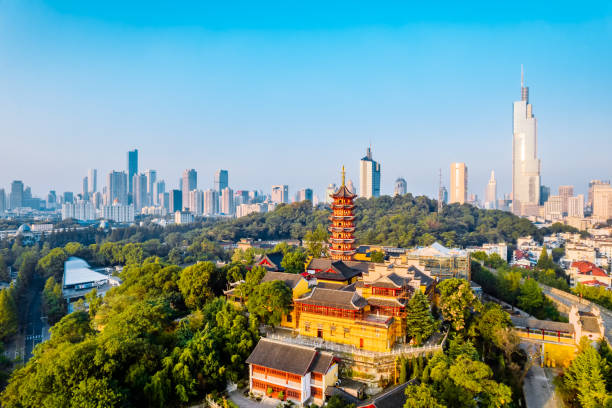
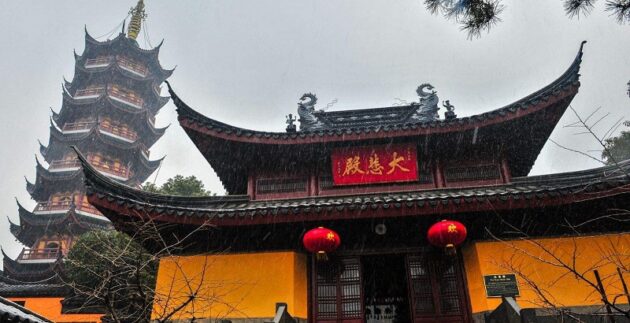
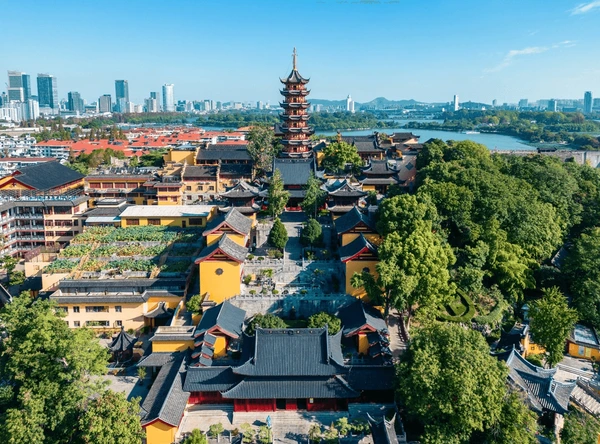
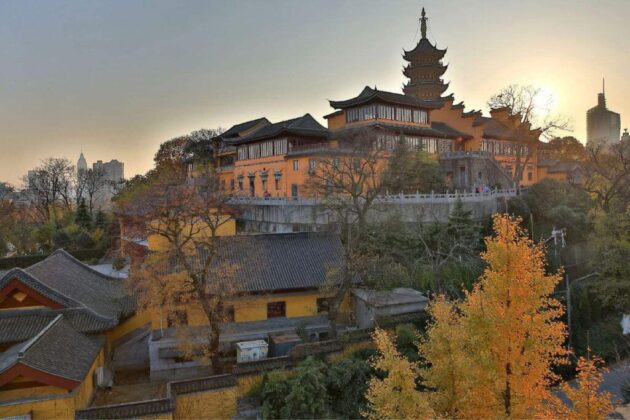
Jiming Temple is not only a place of worship but also a cultural gem that reflects Nanjing’s rich history. Its bright yellow buildings with red trim, tiered layout along Jilong Hill, and the seven-story Bhaisajyaguru Pagoda offer a picturesque setting. The temple is particularly famous for its cherry blossoms in spring, drawing crowds to the pink-lined paths, and its panoramic views of Xuanwu Lake, Purple Mountain, and the Nanjing City Wall. As Nanjing’s busiest temple, especially during Lunar New Year, it’s a vibrant hub for Buddhist practices, local traditions, and even romantic legends—many believe praying here can bring luck in love. The on-site vegetarian restaurant and historical sites like the Rouge Well add to its unique appeal.
How to Get There
Jiming Temple is conveniently located near Nanjing’s city center, making it easily accessible by various modes of transportation:
By Subway: Take Line 3 or Line 4 to Jimingsi Station (Exit 1). The temple’s entrance is a 5–10 minute walk (about 500 meters) along Jimingsi Road. Travel time from Nanjing South Railway Station is approximately 17 minutes, with fares costing ¥2–4.
By Bus: Routes like Y1, 304, or 315 stop near Jiming Temple or Xuanwu Lake. Get off at Jimingsi or Xuanwu Gate stops. Fares are around ¥2, but buses may take longer due to traffic.
By Taxi or Ride-Hailing (Didi): A taxi from central Nanjing (e.g., Xinjiekou) takes about 15–20 minutes and costs ¥15–25. From Nanjing South Station, it’s a 13-minute ride costing ¥6–9. Didi is a reliable alternative with similar pricing.
On Foot: From Nanjing’s city center (e.g., Gulou District), the temple is a 450-meter walk. From Gulou Station (Line 1, Exit 4B), walk along East Beijing Road, turn left at the third crossing, then right onto Jimingsi Road for about 1,250 meters.
Address: No. 1 Jimingsi Road, Xuanwu District, Nanjing, Jiangsu Province.
Best Time to Visit
Spring (March–May): The temple’s cherry blossoms bloom spectacularly, especially during the Qingming Festival, creating a sea of pink along the entrance path. This is the most popular time, so expect crowds. Summer (June–August): Lotus flowers in nearby Xuanwu Lake are a highlight, visible from the Bhaisajyaguru Pagoda. Early mornings are ideal to avoid heat and humidity.
Autumn (September–November): Cooler weather and fewer crowds make this a pleasant time for exploration, with clear views of Purple Mountain. Winter (December–February): The temple is quieter, offering a serene experience, though the cherry blossoms are absent.
Cultural Tip: The temple is especially lively during Lunar New Year and on the 19th days of the second, sixth, and ninth lunar months (celebrating Avalokitesvara Bodhisattva’s birth, enlightenment, and renunciation), when pilgrims flock to worship.
Tickets and Opening Hours
Opening Hours: Daily: 7:30 AM–5:00 PM (last entry at 4:30 PM). Extended hours (until 5:30 PM) may apply during peak seasons like spring.
Ticket Prices: General admission: ¥10 (includes three incense sticks for worship). Free for seniors (60+) and children under 1.2 meters, though seniors may not receive free incense sticks. Tickets can be purchased on-site or via platforms like Trip.com or WeChat for convenience.
Note: During peak seasons (e.g., Cherry Blossom season or Lunar New Year), book tickets online to avoid long queues.
What to See and Do
Jiming Temple spans over 50,000 square meters and offers a mix of spiritual, cultural, and scenic attractions:
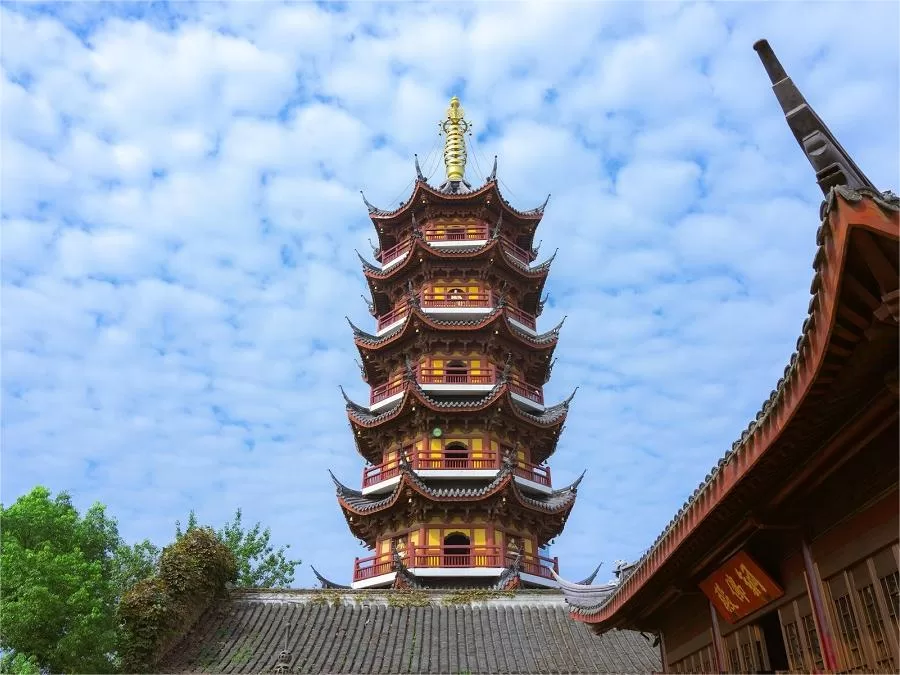
Bhaisajyaguru Pagoda (Medicine Buddha Pagoda): This seven-story, 44.8-meter octagonal pagoda, rebuilt in 1991, is the temple’s centerpiece. Climb to the top for breathtaking views of Xuanwu Lake, Purple Mountain, the Nanjing City Wall, and the Yangtze River in the distance. Inside, a 7-meter bronze statue of the Medicine Buddha and 24 wooden statues in carved niches are highlights.
Hall of Mahavira (Daxiong Hall): Reconstructed in 1994, this main hall houses a colossal Shakyamuni Buddha statue flanked by disciples Ananda and Kasyapa. It’s a focal point for worship and reflection.
Rouge Well: Located in the northeast, this historic well is tied to a legend from the Sui Dynasty, when Emperor Chen Shubao and his concubines hid here, leaving rouge stains. It’s a popular spot for visitors seeking historical intrigue.
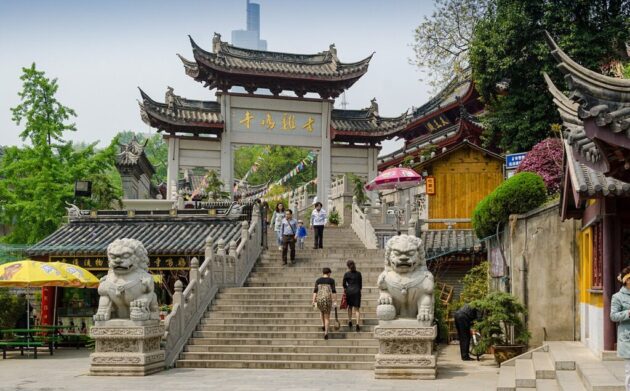
Cherry Blossom Path: In spring, the road leading to the temple is lined with over 200 cherry trees, creating a stunning pink canopy. Perfect for photography and a romantic stroll.
Buddhist Practices: Participate in rituals like lighting incense (provided with entry), writing wish cards, or drawing fortune sticks. The temple, run by nuns (nigu), is known for granting wishes, especially for love and marriage.
Vegetarian Restaurant: Located near the pagoda, this famous restaurant serves Nanjing’s top vegetarian noodles and dishes, blending Buddhist culinary traditions with scenic views of the Ming City Wall. Meals cost around ¥15–30.
Scenic Views and City Wall Access: Exit through the temple’s back entrance to reach the Nanjing City Wall, a 600-year-old Ming Dynasty structure with cannons and sweeping city views. Combine with a walk to Xuanwu Lake for a full circuit.
Where to Eat
On-Site: The temple’s vegetarian restaurant is a highlight, offering affordable, delicious dishes like noodles, tofu, and vegetable stir-fries. It’s a must-try for its serene ambiance and view.
Nearby: Explore dining options around Xuanwu Lake or Gulou District, such as 1912 Bar Street (1 km away) for modern cafes, restaurants, and local Nanjing specialties like duck blood soup or salted duck.
Tip: Bring water and snacks if visiting during peak hours, as the temple’s restaurant can get busy.
Where to Stay
Jiming Temple is a day trip from central Nanjing, but staying nearby enhances your experience, especially if combining with Xuanwu Lake or Purple Mountain:
Xuanwu District Hotels: InterContinental Nanjing (5-star, ~2 km away): Luxury with views of Zifeng Tower, starting at ¥800/night. Jinling Hotel (5-star, ~3 km away): A Nanjing icon with excellent amenities, around ¥600–800/night. Budget Options: Hostels like Nanjing Time International Youth Hostel (~2 km away) offer rooms for ¥50–150/night.
Booking Tip: Use platforms like Ctrip or Booking.com for deals, and book early during spring or Lunar New Year.
Tips for a Great Visit
Dress Respectfully: As a Buddhist temple, modest clothing is recommended (e.g., cover shoulders and knees). Bring Comfortable Shoes: The temple’s tiered layout involves climbing steps, especially to reach the pagoda.
Photography: The cherry blossoms and pagoda views are ideal for photos, but tripods may require permission. Avoid Fortune Tellers: Ignore roadside fortune tellers outside the temple to avoid scams.
Combine Your Trip: Pair your visit with nearby attractions like Xuanwu Lake (0.5 km), Nanjing City Wall, or Purple Mountain (3 km) for a full day of exploration. Cultural Etiquette: Burn incense in the courtyard (not the main hall) and follow the nuns’ guidance for rituals.
Final Thoughts
Jiming Temple is a captivating blend of spirituality, history, and natural beauty, offering a serene escape in the heart of Nanjing. From its ancient origins and vibrant cherry blossoms to the panoramic views from the Bhaisajyaguru Pagoda, the temple provides a rich cultural experience. Whether you’re lighting incense, savoring vegetarian cuisine, or strolling along the Nanjing City Wall, Jiming Temple promises a journey through time and tranquility. Plan your visit during spring for the cherry blossoms or autumn for fewer crowds, and let this sacred site leave you inspired.
Happy travels!