
The Memorial Hall of the Victims in Nanjing Massacre by Japanese Invaders, located in Nanjing, Jiangsu Province, China, is a poignant and powerful site dedicated to commemorating the victims of the Nanjing Massacre (1937–1938), a tragic chapter in history where hundreds of thousands of Chinese civilians and soldiers were killed by Japanese forces. Opened in 1985 and expanded in 2007, this museum and memorial serves as both an educational institution and a place for reflection, offering a sobering reminder of the importance of peace. This guide will help you plan a meaningful visit to this significant historical site.




A Travel Guide to the Memorial Hall of the Victims in Nanjing Massacre
Why Visit the Memorial Hall?
The Memorial Hall is more than a museum; it’s a place of remembrance, education, and reconciliation. Spanning 74,000 square meters, it combines powerful exhibits, historical artifacts, and serene outdoor spaces to honor the estimated 300,000 victims of the massacre. The site is designed to educate visitors about the atrocities committed during the Japanese occupation of Nanjing, while promoting peace and human rights. Its thought-provoking displays, survivor testimonies, and architectural symbolism make it a must-visit for those interested in history, human rights, or World War II studies. The memorial’s impact is both emotional and educational, offering a space to reflect on humanity’s past and future.
How to Get There
The Memorial Hall is located in the Jianye District of Nanjing, near the site of one of the massacre’s mass burial grounds. It’s easily accessible from central Nanjing and other parts of the city:
By Subway: Take Line 2 to Yunjin Road Station (Exit 2). The Memorial Hall is a 5–10-minute walk from the station. Travel time from central Nanjing (e.g., Xinjiekou) is about 15–20 minutes, with a fare of ¥2–4.
By Bus: Bus routes 7, 61, 63, or D17 stop at Jiangdongmen or Memorial Hall. The fare is typically ¥2. Buses are convenient but may be slower during peak traffic hours.
By Taxi or Ride-Hailing (Didi): A taxi from downtown Nanjing (e.g., Xinjiekou or Nanjing Railway Station) takes 15–25 minutes and costs ¥20–30, depending on traffic. Didi is a reliable and similarly priced alternative.
By Car: The Memorial Hall has limited parking, so public transport is recommended. If driving, use Jiangdong Middle Road and follow signs to the memorial. Parking fees are around ¥5–10/hour.
Address: 418 Shuiximen Street, Jianye District, Nanjing, Jiangsu Province, China.
Best Time to Visit
Year-Round Access: The Memorial Hall is open throughout the year, but the experience is most comfortable in spring (March–May) and autumn (September–November) when Nanjing’s weather is mild (15–25°C). Peak Seasons: Avoid major Chinese holidays like National Day (early October) or Spring Festival (January/February), as the site can be crowded.
Special Dates: December 13, China’s National Memorial Day for Nanjing Massacre Victims, sees ceremonies and increased visitors. Visiting on this day offers a deeper connection to the site’s significance but expect larger crowds. Weather Tip: Summers (June–August) are hot and humid (up to 35°C), while winters (December–February) can be chilly (0–10°C). Dress appropriately and bring water in summer.
Tickets and Opening Hours
Opening Hours: Tuesday–Sunday: 8:30 AM–4:30 PM (last entry at 4:00 PM). Closed on Mondays, except during public holidays. The outdoor memorial areas may remain accessible slightly later.
Ticket Prices: Admission is free, but visitors must reserve tickets in advance due to capacity limits. Reservations can be made via the Memorial Hall’s official WeChat account, website, or apps like Ctrip. Bring a valid ID (passport for foreigners) to collect your ticket on-site. Guided tours (available in Chinese, English, and other languages) may incur a small fee (¥50–100, depending on group size).
Booking Tip: During peak seasons or commemorative dates, book at least 2–3 days in advance to secure a spot. Walk-in tickets are limited.
What to See and Do
The Memorial Hall is divided into indoor exhibits, outdoor memorials, and peaceful reflection areas. Plan for 2–3 hours to fully explore the site.
Exhibition Hall: The main museum features three sections: Historical Evidence, Victims’ Stories, and Post-War Justice. Exhibits include photographs, survivor testimonies, artifacts (e.g., weapons, diaries), and multimedia displays documenting the massacre. Highlights include a replica of the “Wall of Victims’ Names” and survivor video interviews, which provide a personal connection to the tragedy. English translations are available for most displays, making it accessible for international visitors.
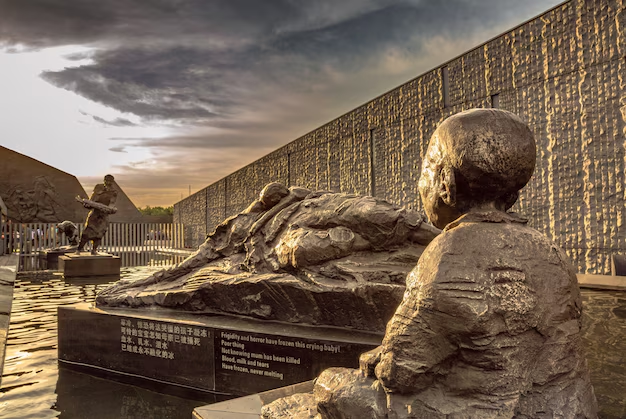
Memorial Square: The outdoor area features striking sculptures, such as the “Family in Ruins” and “Cry of the Innocent,” symbolizing the suffering and resilience of the victims. The Peace Statue and Bell of Peace are focal points for reflection, often used in commemorative ceremonies.
Mass Grave Site: A preserved excavation site, known as the “Pit of Ten Thousand Corpses,” displays skeletal remains uncovered at the location. This sobering area is a stark reminder of the massacre’s scale. The site is accompanied by informational plaques explaining its historical significance.
Peace Garden: A serene garden with cherry blossoms, doves, and a peace wall inscribed with messages in multiple languages. It’s a quiet space for contemplation and paying respects. The garden hosts occasional peace-themed events, such as art installations or candlelight vigils.
Temporary Exhibits and Events: The hall frequently hosts temporary exhibits, such as international perspectives on the massacre or WWII history. Check the official website for current programs. Educational talks and survivor lectures (when available) offer deeper insights.
Where to Eat
On-Site: The Memorial Hall has a small café near the entrance offering drinks, snacks, and light meals (e.g., tea, pastries, or noodles, ¥10–20). Options are limited, so consider eating before or after your visit. Nearby: Jianye District has dining options within a 10–15-minute drive:
Xinjiekou Area (15 minutes by taxi): Offers restaurants like Nanjing Impressions for authentic Jiangsu cuisine (try Nanjing salted duck or lion’s head meatballs, ¥30–60/meal). Yunjin Road: Nearby malls have food courts with Chinese and international chains (e.g., KFC, ¥20–40).
Tip: Bringing a water bottle is recommended, as the site involves significant walking.
Where to Stay
The Memorial Hall is easily accessible as a day trip from central Nanjing, but staying nearby can be convenient if combining with other attractions like the Nanjing Museum or Sun Yat-sen Mausoleum:
Jianye District Hotels: InterContinental Nanjing (5-star, ~15-minute drive): Luxury with views of Zifeng Tower, starting at ¥700/night. Jinling Riverside Hotel (4-star, ~10-minute drive): Comfortable and near the Yangtze River, ¥400–600/night. Budget Options: Hostels in Xinjiekou, like Nanjing Time Hostel, offer dorms or private rooms for ¥80–200/night.
Booking Tip: Book through platforms like Booking.com or Ctrip for deals, especially during off-peak seasons.
Tips for a Respectful Visit
Dress Appropriately: The Memorial Hall is a place of remembrance, so wear modest clothing (avoid overly casual or revealing attire). Be Respectful: Maintain a quiet and solemn demeanor, especially in the mass grave and memorial areas. Photography is allowed in most areas but prohibited in sensitive zones (e.g., the mass grave site).
Prepare Emotionally: The exhibits are graphic and emotionally heavy, depicting violence and suffering. Take breaks if needed, especially in the Peace Garden. Language Support: English audio guides or guided tours are available; request them when booking your ticket.
Combine Your Trip: Pair your visit with nearby attractions like the Nanjing Massacre Memorial Park (within the same complex) or the Yangtze River Bridge (15-minute drive) for a full day of exploration.
Final Thoughts
The Memorial Hall of the Victims in Nanjing Massacre is a profoundly moving destination that combines historical education with a universal call for peace. Its meticulously curated exhibits, haunting memorials, and serene gardens offer a space to learn, reflect, and honor the past. Visiting this site is not just about understanding history but also about embracing the values of humanity and reconciliation. Plan your visit with respect and openness, and let this experience leave a lasting impact.
Safe and meaningful travels!


