
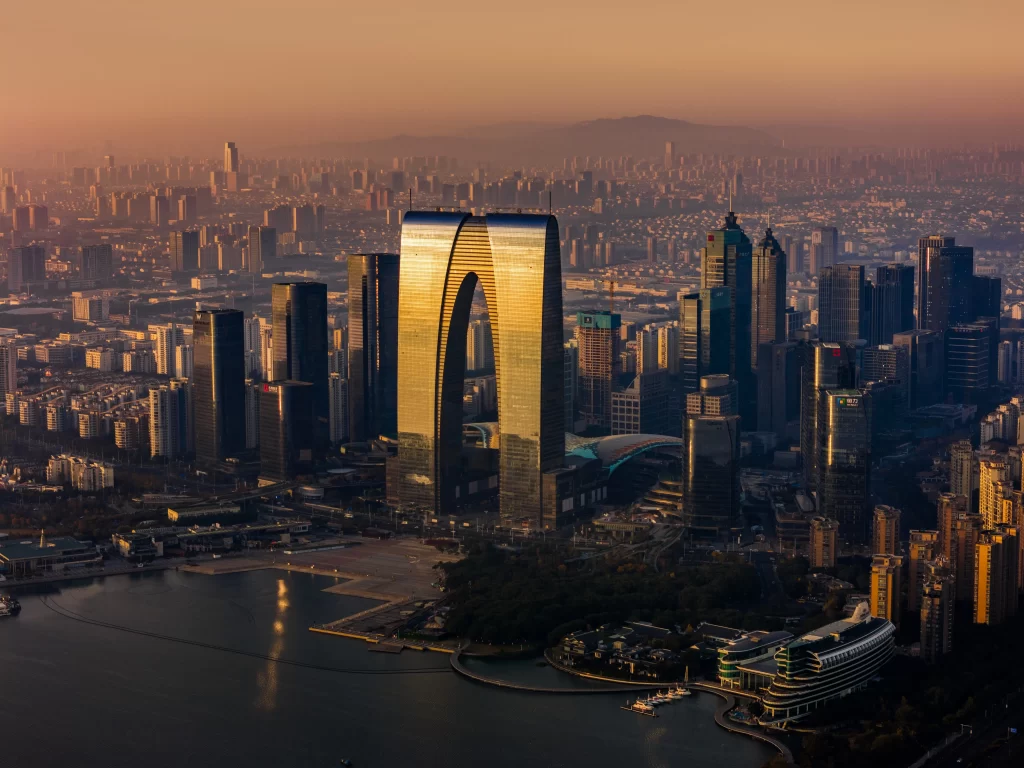
Suzhou, a charming city in Jiangsu Province, China, is often dubbed the “Venice of the East” due to its intricate network of canals, classical gardens, and rich history. Located just a short train ride from Shanghai, Suzhou offers a perfect blend of ancient culture and modern convenience, making it an ideal destination for travelers seeking a peaceful yet culturally immersive experience. Here’s a concise travel guide to help you explore the best of Suzhou.


A Travel Guide to Suzhou
Getting There
Suzhou is easily accessible from major cities like Shanghai and Nanjing via high-speed train. From Shanghai, the journey takes about 25-30 minutes on the G-series trains, with frequent departures from Shanghai Railway Station or Hongqiao Station. Tickets are affordable, typically ranging from $5 to $10 USD. Once in Suzhou, the city’s metro system, taxis, and bike-sharing options make getting around a breeze.
Best Time to Visit
Spring (March to May) and autumn (September to November) are the ideal seasons to visit Suzhou. The weather is mild, and the gardens bloom with vibrant colors. Summers can be hot and humid, while winters are chilly but quieter, offering a more serene experience.
Top Attractions
Classical Gardens
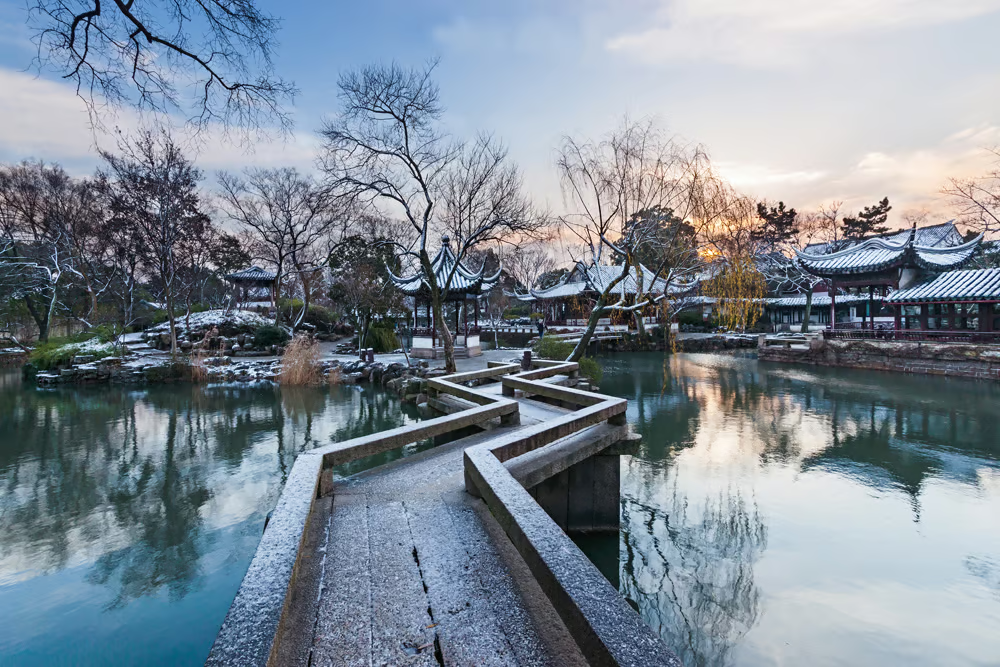
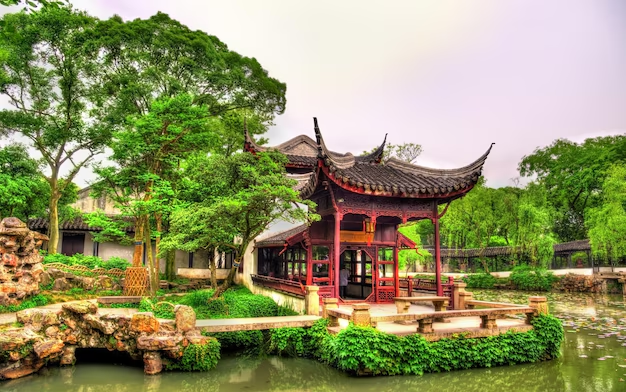
Suzhou is famous for its UNESCO-listed gardens, which exemplify traditional Chinese landscaping. The Humble Administrator’s Garden (Zhuozheng Yuan), the largest and most renowned, features ponds, pavilions, and winding pathways. The Lingering Garden (Liu Yuan) is another must-see, known for its elegant design and tranquil atmosphere. Aim to visit early in the morning to avoid crowds.





Pingjiang Road (平江路) ★★★
This historic street runs alongside a canal and is lined with traditional whitewashed houses, tea shops, and boutique stores. It’s perfect for a leisurely stroll, sampling local snacks like sweet osmanthus cake, or enjoying a boat ride along the canal.


Zhouzhuang Town (周庄) ★★★
Zhouzhuang, often dubbed “The Venice of the East,” is one of China’s most picturesque and well-preserved ancient water towns. Located about 30 kilometers southeast of Suzhou in Jiangsu Province, this charming destination offers a serene escape from bustling city life. With its crisscrossing canals, stone bridges, and traditional architecture, Zhouzhuang is a must-visit for travelers seeking a blend of history, culture, and natural beauty.


Qili Shantang (七里山塘) ★★★
Nestled in the heart of Suzhou, China, Qili Shantang (also known as Shantang Street or Seven-Mile Shantang) is a historic gem that perfectly captures the charm of this ancient city, often dubbed the “Venice of the East.” With its picturesque canals, traditional architecture, and rich cultural heritage, Qili Shantang is a must-visit destination for travelers seeking an authentic江南 (Jiangnan) experience.


Suzhou Museum (苏州博物馆) ★★
Designed by renowned architect I.M. Pei, this museum blends modern architecture with traditional elements. It showcases Suzhou’s history, silk industry, and cultural artifacts. Entry is free, but arrive early as it can get busy.


Tiger Hill (虎丘山) ★★
Known as the “No. 1 Scenic Spot in Suzhou,” Tiger Hill is home to the iconic Yunyan Pagoda, a leaning tower older than the Leaning Tower of Pisa. The hill also offers lush greenery, historic tombs, and panoramic views.


Lion Grove Garden (狮子林) ★★
Lion Grove Garden, or “Shizilin” in Chinese, is one of the most famous classical gardens in Suzhou, Jiangsu Province, China. Built in 1342 during the Yuan Dynasty by a Buddhist monk named Tianru in honor of his teacher, this UNESCO World Heritage Site is renowned for its intricate rockeries, serene ponds, and traditional architecture.


Tong Li Ancient Town (同里古镇) ★
Tongli stands out among the six famous water towns south of the Yangtze River for its serene ambiance and authentic charm. Unlike some of its more commercialized counterparts, Tongli offers a quieter, more lived-in feel with fewer crowds, making it perfect for those seeking a peaceful retreat.


Liuyuan Garden (留园) ★
Liuyuan Garden is one of China’s four most famous gardens, alongside the Humble Administrator’s Garden in Suzhou, the Summer Palace in Beijing, and the Chengde Mountain Resort. Built in 1593 during the Ming Dynasty by Xu Taishi, a retired official, it has evolved over centuries, reflecting the refined aesthetics of Qing Dynasty landscaping.


Hanshan Temple (寒山寺) ★
Hanshan Temple, located in Suzhou, Jiangsu Province, is one of China’s most famous Buddhist temples, steeped in history, culture, and poetic charm. Known as “Cold Mountain Temple” in English, it has attracted visitors for centuries, from pilgrims seeking spiritual solace to tourists enchanted by its serene beauty and literary significance.


Jinji Lake Scenic Area (金鸡湖) ★
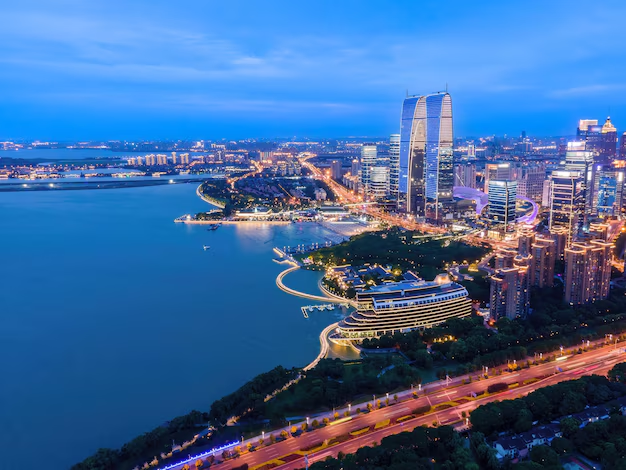
Nestled in the heart of Suzhou Industrial Park, Jinji Lake Scenic Area is a must-visit destination for travelers seeking a blend of natural beauty, modern architecture, and cultural experiences. As China’s largest urban lake park, spanning 11.5 square kilometers with 7.4 square kilometers of water, it offers a refreshing escape from the hustle and bustle while showcasing Suzhou’s contemporary charm.



Food to Try
Suzhou cuisine is part of the Jiangsu culinary tradition, known for its delicate flavors and emphasis on freshness. Don’t miss:
Squirrel-Shaped Mandarin Fish: A sweet-and-sour dish with a crispy, intricately cut fish.
Suzhou Noodles: Simple yet flavorful, often served in a rich pork broth.
Songshu Guiyu: A local delicacy featuring tender braised meat.
Pair your meal with a cup of Biluochun, a famous local green tea.
Shopping
Suzhou is renowned for its silk production. Visit the Suzhou Silk Museum to learn about the craft, then head to local markets or stores along Guanqian Street to purchase silk scarves, clothing, or embroidery. Bargaining is common in smaller shops.
Practical Tips
Language: English isn’t widely spoken, so download a translation app like Google Translate or Pleco.
Currency: Chinese Yuan (CNY). Mobile payments like WeChat Pay or Alipay are widely used, but carry some cash for small vendors.
Dress: Comfortable shoes are a must, as many attractions involve walking.
Stay: Boutique guesthouses near Pingjiang Road or international hotels like the Shangri-La offer great options.
Day Trip Idea
If you have extra time, visit Tongli or Zhouzhuang, nearby water towns with well-preserved architecture and fewer tourists than Suzhou’s main areas. Both are about an hour away by car or bus.
Conclusion
Suzhou’s timeless beauty lies in its ability to transport you back to ancient China while offering modern comforts. Whether you’re wandering through its gardens, cruising its canals, or savoring its cuisine, this city promises a memorable journey. Plan your trip, pack your curiosity, and let Suzhou enchant you!


Leave a Reply