
The Humble Administrator’s Garden (Zhuozheng Yuan) in Suzhou, Jiangsu Province, is one of China’s most iconic classical gardens and a UNESCO World Heritage Site. Spanning 5.2 hectares, this 500-year-old masterpiece of Ming Dynasty landscape design is renowned for its elegant pavilions, serene ponds, and intricate balance of natural and architectural beauty. As one of the four most famous gardens in China, alongside Suzhou’s Lingering Garden, Beijing’s Summer Palace, and Chengde’s Mountain Resort, it’s a must-visit for travelers seeking to experience the essence of traditional Chinese aesthetics. This guide will help you plan a memorable visit.





A Travel Guide to Humble Administrator’s Garden
Why Visit Humble Administrator’s Garden?
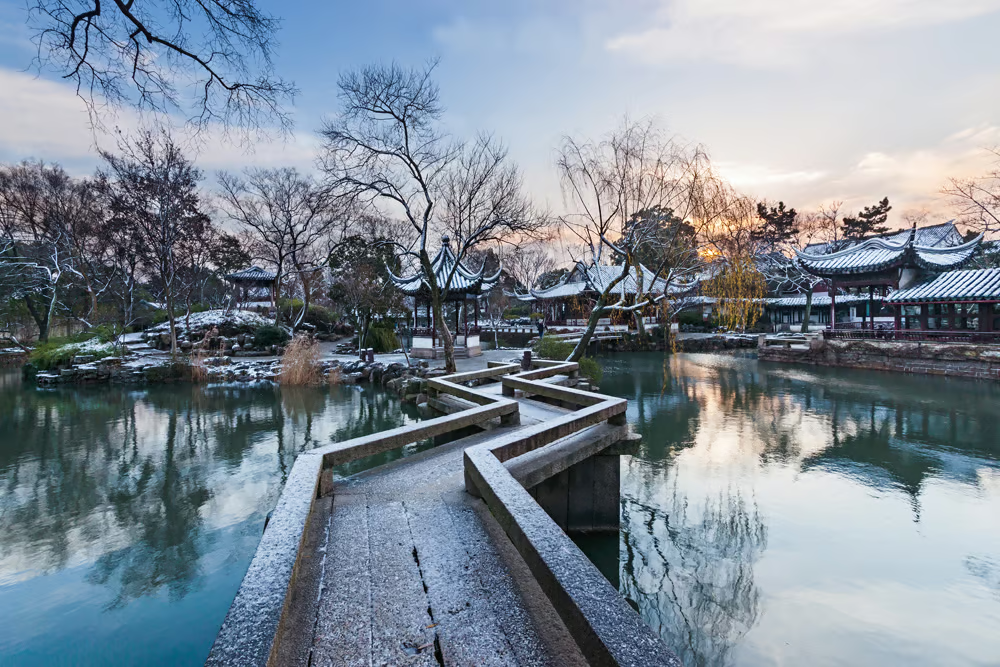
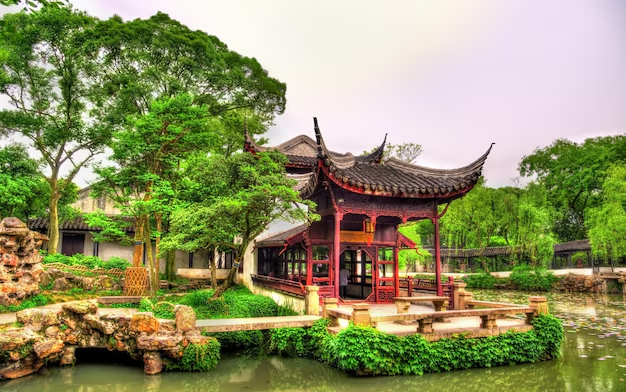
The Humble Administrator’s Garden is a pinnacle of Chinese garden design, embodying the philosophy of harmony between humans and nature. Built in 1509 by a retired Ming Dynasty official, Wang Xianchen, the garden features meticulously arranged landscapes, including lotus-filled ponds, winding bridges, and pavilions with poetic names like “Fragrant Isle” and “Hall of Distant Fragrance.” Its seasonal beauty—blooming lotuses in summer, vibrant foliage in autumn, and serene snowscapes in winter—makes it a year-round destination. The garden also offers a glimpse into China’s cultural history, with calligraphy, poetry, and traditional architecture woven into its design.
How to Get There
Located in Suzhou’s Gusu District, the garden is easily accessible from both Suzhou and nearby Shanghai:
From Suzhou: By Subway: Take Line 4 to Beisi Pagoda Station (Exit 1), then walk about 10 minutes to the garden’s main entrance. A one-way fare costs ¥2–4. By Bus: Routes 1, 2, 5, or 178 stop at Humble Administrator’s Garden or Suzhou Museum. Fares are ¥1–2. By Taxi/Ride-Hailing (Didi): A taxi from Suzhou Railway Station takes 10–15 minutes and costs ¥15–20. Didi is similarly priced and convenient.
From Shanghai: By High-Speed Train: Take a bullet train from Shanghai Hongqiao or Shanghai Station to Suzhou Station (25–30 minutes, ¥40–60). From Suzhou Station, take a taxi or bus to the garden. By Car: The drive from Shanghai to Suzhou takes about 1.5 hours via the G2 or G42 highway. Parking is available near the garden (¥10–20/hour).
Tip: The garden is centrally located, close to other attractions like the Suzhou Museum and Lion Grove Garden, making it easy to combine visits.
Best Time to Visit
Spring (March–May): Cherry blossoms, azaleas, and fresh greenery create a vibrant atmosphere. Early spring is less crowded. Summer (June–August): Lotus flowers bloom in the ponds, a highlight of the garden, but it can be hot and humid (up to 35°C). Visit early in the morning.
Autumn (September–November): Crisp weather and colorful foliage make this an ideal time for photography. Winter (December–February): Snow-draped pavilions and bridges offer a tranquil, poetic scene, though some plants are dormant.
Crowd Tip: The garden is busiest during Chinese holidays (e.g., National Day in early October, Spring Festival in January/February). Arrive at opening time (7:30 AM) to enjoy a quieter experience.
Tickets and Opening Hours
Opening Hours: March 1–November 15: 7:30 AM–5:30 PM (last entry at 5:00 PM); November 16–February 28: 7:30 AM–5:00 PM (last entry at 4:30 PM).
Ticket Prices: Peak season (April–October): ¥90; Off-season (November–March): ¥70; Children under 1.2 meters enter free; discounts apply for students and seniors (60+). Audio guides (available in English, ¥40) are recommended for deeper insights into the garden’s history and design.
Booking: Tickets can be purchased on-site or online via platforms like Ctrip or WeChat. During peak seasons, book in advance to avoid long queues. Combo tickets with nearby gardens (e.g., Lingering Garden, Lion Grove) are available for savings.
What to See and Do
The Humble Administrator’s Garden is divided into three main sections—Eastern, Central, and Western—each offering unique landscapes and experiences:
Central Garden: The heart of the garden, featuring a large pond with lotus flowers, connected by zigzag bridges and surrounded by pavilions like the Hall of Distant Fragrance (Yuanxiang Tang). This area embodies the classic Chinese garden aesthetic, with water, rocks, and plants in perfect harmony. Don’t miss the Small Flying Rainbow Bridge, a charming stone bridge perfect for photos.
Eastern Garden: More open and meadow-like, with lush lawns and seasonal flowers. Highlights include the Orchid Snow Hall and the Celestial Spring Pavilion, offering peaceful spots to relax.
Western Garden: Known for its intricate rockeries and cozy pavilions, such as the Thirty-Six Mandarin Duck Hall, which overlooks a serene pond. The Bonsai Garden nearby showcases over 700 miniature trees, some centuries old, a testament to Chinese horticultural artistry.
Cultural Experiences: Guided Tours: Join a guided tour (offered in Chinese, sometimes English) to learn about the garden’s history, design principles, and cultural significance. Seasonal Events: In summer, enjoy lotus flower exhibitions; in autumn, cultural performances like Kunqu opera may be held. Photography: The garden’s picturesque scenes are a photographer’s dream, especially at sunrise or sunset when the light enhances the scenery.
Where to Eat
On-Site: The garden has a small tea house near the Central Garden, serving tea, snacks, and light meals like glutinous rice dumplings (¥10–20). Options are limited, so consider dining outside.
Nearby: The Pingjiang Road area (10-minute walk) offers authentic Suzhou cuisine, such as sweet-and-sour mandarin fish or Suzhou-style noodles. Try Songhelou Restaurant for traditional dishes (¥50–100/person).
Tip: Bring a water bottle, as the garden involves extensive walking, especially in summer.
Where to Stay
The garden is a day trip from central Suzhou or Shanghai, but staying nearby enhances your experience:
Suzhou Old Town (Gusu District): Pan Pacific Suzhou (5-star, ~10-minute walk): A luxurious hotel with traditional garden-inspired design, starting at ¥600/night. Suzhou Garden Hotel (4-star, ~5-minute drive): Cozy and affordable, around ¥300–500/night. Hostels: Budget options like Mingtown Suzhou Youth Hostel offer rooms for ¥80–150/night.
From Shanghai: If staying in Shanghai, day trips are feasible due to the short train ride.
Booking Tip: Use Booking.com, Ctrip, or Agoda for deals, and book early during peak seasons.
Tips for a Great Visit
Wear Comfortable Shoes: The garden’s cobblestone paths and bridges require good footwear for extensive walking. Sun Protection: Bring sunscreen, a hat, or an umbrella, as many areas are open to the sun.
Respect the Environment: Avoid touching plants or stepping off designated paths to preserve the garden’s delicate ecosystem. Combine Your Trip: Pair your visit with nearby attractions like the Suzhou Museum (designed by I.M. Pei, 5-minute walk), Lion Grove Garden, or Pingjiang Road for a full day of exploration.
Language Tip: English signage is limited, so consider downloading a translation app like Pleco or renting an audio guide.
Final Thoughts
The Humble Administrator’s Garden is a timeless treasure that captures the elegance and philosophy of classical Chinese garden design. Its tranquil ponds, poetic pavilions, and seasonal blooms offer a serene escape and a window into China’s cultural heritage. Plan your visit early in the day, immerse yourself in the intricate landscapes, and let the garden’s beauty inspire you. Whether you’re a history buff, a nature lover, or a curious traveler, this Suzhou gem promises an unforgettable experience.
Happy travels!


