
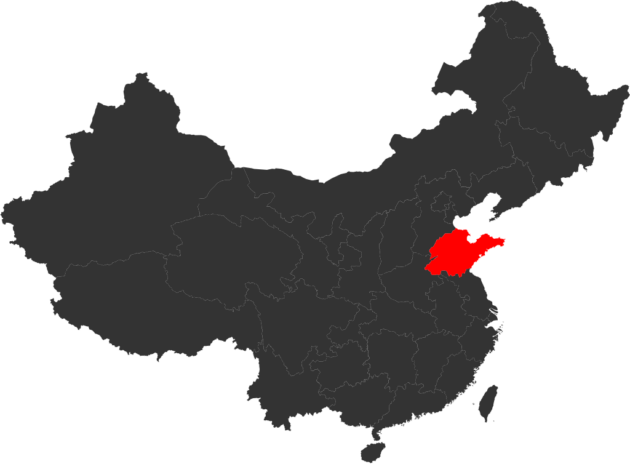
Shandong Province, located on the eastern coast of China, is a treasure trove of history, culture, and natural beauty. Known for its pivotal role in Chinese civilization, Shandong offers travelers a mix of ancient landmarks, scenic landscapes, and vibrant modern cities. Whether you’re a history buff, a nature lover, or a foodie, Shandong has something for everyone. Here’s a guide to help you plan your trip.
A Travel Guide to Shandong Province
Best Time to Visit
Shandong has a temperate climate with four distinct seasons. The best times to visit are spring (March to May) and autumn (September to November) when the weather is mild and comfortable. Summers can be hot and humid, while winters are cold, especially in inland areas.
Major Cities
Qingdao (青岛) ★★
Qingdao, a vibrant coastal city in Shandong Province, China, is a perfect blend of natural beauty, rich history, and modern charm. Known for its sandy beaches, colonial architecture, and world-famous Tsingtao beer, Qingdao is an ideal destination for travelers seeking both relaxation and adventure.



Top Destinations
Mount Tai (泰山) ★★★
Mount Tai, located in Shandong Province, China, is one of the Five Great Mountains of China and has been a place of cultural and spiritual significance for thousands of years. Known as “Tai Shan” in Chinese, it has long been regarded as a symbol of imperial power and a sacred site for emperors to offer sacrifices and pray for prosperity. Today, it’s a UNESCO World Heritage Site and a must-visit destination for travelers seeking natural beauty, history, and a touch of adventure.


Laoshan Mountain (崂山) ★★★
About 40 kilometers from the city center, Mount Laoshan is a sacred Taoist site known for its lush greenery, ancient temples, and natural springs. Hiking trails cater to all levels, and the scenic beauty makes it a must-visit for nature enthusiasts.


Baotu Spring Park (趵突泉) ★★
Baotu Spring Park is more than just a scenic spot—it’s a cultural treasure. The park centers around the famous Baotu Spring, an artesian karst spring that gushes from three outlets, creating a mesmerizing display of water. Surrounded by traditional Chinese gardens, pavilions, and historical sites, the park offers a serene escape from the bustling city. It’s also home to the Li Qingzhao Memorial Hall, honoring one of China’s greatest female poets from the Song Dynasty, adding a literary charm to your visit.


Taierzhuang Ancient Town (台儿庄古城) ★
Taierzhuang is a town with deep historical roots, dating back to the Qin and Han Dynasties, flourishing during the Ming and Qing Dynasties, and famously rebuilt after its destruction during the 1938 Battle of Taierzhuang in World War II. Today, it stands as one of only two cities globally (alongside Warsaw, Poland) rebuilt as a World Cultural Heritage site after wartime devastation. The town spans 2 square kilometers and features 15 km of water streets, 18 ponds, and a well-preserved 3-km section of the Beijing-Hangzhou Grand Canal. Its blend of eight architectural styles—ranging from northern courtyards to southern water town designs—makes it a visual feast.


Getting Around
By Air: Jinan Yaoqiang International Airport and Qingdao Liuting International Airport are the main gateways.
By Train: Shandong is well-connected by China’s high-speed rail network, with frequent trains between Jinan, Qingdao, Tai’an, and Qufu.
Local Transport: Buses, taxis, and ride-hailing apps like Didi are widely available. In cities like Qingdao, renting a bike is a fun way to explore.
Cultural Tips
Shandong is the heartland of Lu culture, one of China’s oldest regional cultures, so expect a deep sense of tradition.
Learn a few basic Mandarin phrases – locals appreciate the effort, even if English is spoken in tourist areas.
Respect sacred sites like Mount Tai and Confucian temples by dressing modestly and following local customs.
What to Eat
Shandong cuisine, or Lu cuisine, is one of China’s eight great culinary traditions. It’s known for its emphasis on fresh ingredients, bold flavors, and seafood. Must-try dishes include:
Sweet and Sour Carp: A Yellow River specialty with a tangy sauce.
Braised Sea Cucumber with Scallions: A luxurious dish showcasing Shandong’s coastal bounty.
Pancake with Green Onions: A simple, savory street food staple.
Practical Advice
Currency: Chinese Yuan (CNY). Credit cards and mobile payments (WeChat, Alipay) are widely accepted in cities.
Language: Mandarin is the official language; English signage is common in tourist areas.
Packing: Bring comfortable walking shoes for hiking Mount Tai or exploring cities, and pack layers for variable weather.
Conclusion
Shandong Province offers a perfect blend of ancient heritage and modern charm. From climbing the sacred Mount Tai to sipping beer by the Qingdao coast, your journey through Shandong will leave you with unforgettable memories. Plan your trip today and discover why this region has captivated travelers for centuries!


Leave a Reply