


A Travel Guide to Qingdao
Qingdao, a vibrant coastal city in Shandong Province, is renowned for its stunning seaside scenery, German colonial heritage, and the iconic Tsingtao Beer. Nestled on the shores of Jiaozhou Bay, this city of over 9 million blends natural beauty, cultural landmarks, and a laid-back vibe, making it a perfect destination for travelers seeking beaches, history, and culinary delights. Whether you’re strolling along its historic streets or sipping beer by the sea, this guide will help you plan an unforgettable trip to Qingdao.
Why Visit Qingdao?
Qingdao is often hailed as one of China’s most beautiful and cleanest cities, offering a unique mix of Chinese and European influences due to its German occupation from 1897 to 1914. The city is famous for its golden beaches, the annual Qingdao International Beer Festival, and landmarks like Zhanqiao Pier, featured on Tsingtao Beer bottles. With a mild climate, vibrant food scene, and convenient visa-free policies for many nationalities, Qingdao is an accessible and diverse destination for both relaxation and exploration.
How to Get There
Qingdao is well-connected domestically and internationally, making it easy to reach:
By Air: Qingdao Jiaodong International Airport (TAO) serves flights from major Chinese cities like Beijing (1.5 hours, ~¥500–800) and Shanghai (1.5 hours, ~¥600–1000), as well as international routes from Hong Kong, Seoul, Tokyo, and Frankfurt. A taxi to the city center (20 miles) costs ~¥130, while the airport shuttle bus is ~¥20. Visa-free entry: Travelers from 53 countries (e.g., US, UK, France, Germany) can stay in Shandong Province for up to 144 hours (6 days) visa-free if transiting through Qingdao with a valid onward ticket. Cruise passengers can enjoy a 15-day visa-free stay.
By Train: Qingdao Railway Station and Qingdao North Station connect to Beijing (4–5 hours, ~¥275) and Shanghai (6–7 hours, ~¥550) via high-speed rail. The historic Qingdao Railway Station, with German architectural roots, is a sight in itself.
By Bus or Car: Excellent highways (G20/G25 to Beijing, G15 to Shanghai) and bus services link Qingdao to nearby cities. A bus from Beijing costs ~¥231. Ferries to Incheon, South Korea, are available for a scenic route.
Getting Around: Qingdao’s subway (Metro) is efficient, with lines covering key areas like Shinan District and Laoshan. Download a Metro map or use apps like Baidu Maps. Taxis, Didi (ride-hailing), and buses are affordable and convenient. Ferries to nearby islands like Huangdao cost ~¥23 for unlimited rides on Ferry Line 1.
Best Time to Visit
Spring (March–May): Pleasant weather (15–20°C) and blooming flowers make this ideal for sightseeing. Visit Baihua Garden for stunning ginkgo trees in April. Summer (June–August): Warm (25–30°C) and perfect for beaches, but crowded. The Qingdao International Beer Festival in August is a highlight.
Autumn (September–November): Cool (15–25°C) with clear skies and vibrant foliage, ideal for outdoor activities like hiking Mount Laoshan. Winter (December–February): Cold (-3°C to 5°C) but less crowded. Indoor attractions like the Tsingtao Beer Museum are great options.
Tip: Avoid Chinese National Day (early October) and Spring Festival (January/February) for fewer crowds.
Top Attractions
Laoshan Mountain (崂山)
Laoshan Mountain, located in Qingdao’s Laoshan District, Shandong Province, is a breathtaking coastal mountain renowned as China’s “No. 1 Coastal Mountain.” Rising 1,132.7 meters at its highest peak, Jufeng, it offers a stunning blend of rugged peaks, serene Taoist temples, cascading waterfalls, and panoramic ocean views. As a cradle of Taoism and a 5A-rated national scenic area, Laoshan combines natural beauty with profound cultural heritage, making it a must-visit destination for nature lovers, hikers, and those seeking spiritual tranquility.


Eight Great Passes (八大关)
The Eight Great Passes is located in the Shinan District, near Huiquan Bay and Taiping Bay, just north of Qingdao’s famous Bathing Beach No. 3. Originally established during the German colonial period in the early 20th century, the area was designed as a sanatorium and residential zone. Its name comes from the eight main roads (now expanded to ten), each named after a famous strategic pass along China’s Great Wall, such as Shanhaiguan, Juyongguan, and Jiayuguan. Today, it’s celebrated as a “World Architecture Museum” due to its diverse collection of over 200 villas showcasing styles from countries like Germany, Denmark, Spain, and Japan.


Zhanqiao Pier (栈桥)
Zhanqiao Pier, often referred to as the “Long Rainbow,” is Qingdao’s most iconic landmark and a symbol of the city’s coastal charm. Located in the Shinan District along the southern shore of Qingdao Bay, this 440-meter-long pier, built in 1891, stretches into the Yellow Sea, crowned by the elegant Huilan Pavilion. Famous for its appearance on the Tsingtao Beer logo, the pier offers stunning sea views, a blend of Chinese and German colonial heritage, and a vibrant atmosphere.


St. Michael’s Cathedral (圣弥厄尔教堂)
St. Michael’s Cathedral sits at 15 Zhejiang Road, Shinan District, atop a small hill overlooking the historic German-built area of Qingdao. Constructed between 1931 and 1934 by German missionaries from the Divine Word Missionaries (SVD), the cathedral features twin spires, intricate stained-glass windows, and a commanding presence that dominates the skyline. It’s not just a place of worship—it’s a cultural treasure and a popular spot for photography, especially among newlyweds.


Qingdao Haichang Polar Ocean Park (青岛海昌极地海洋公园)
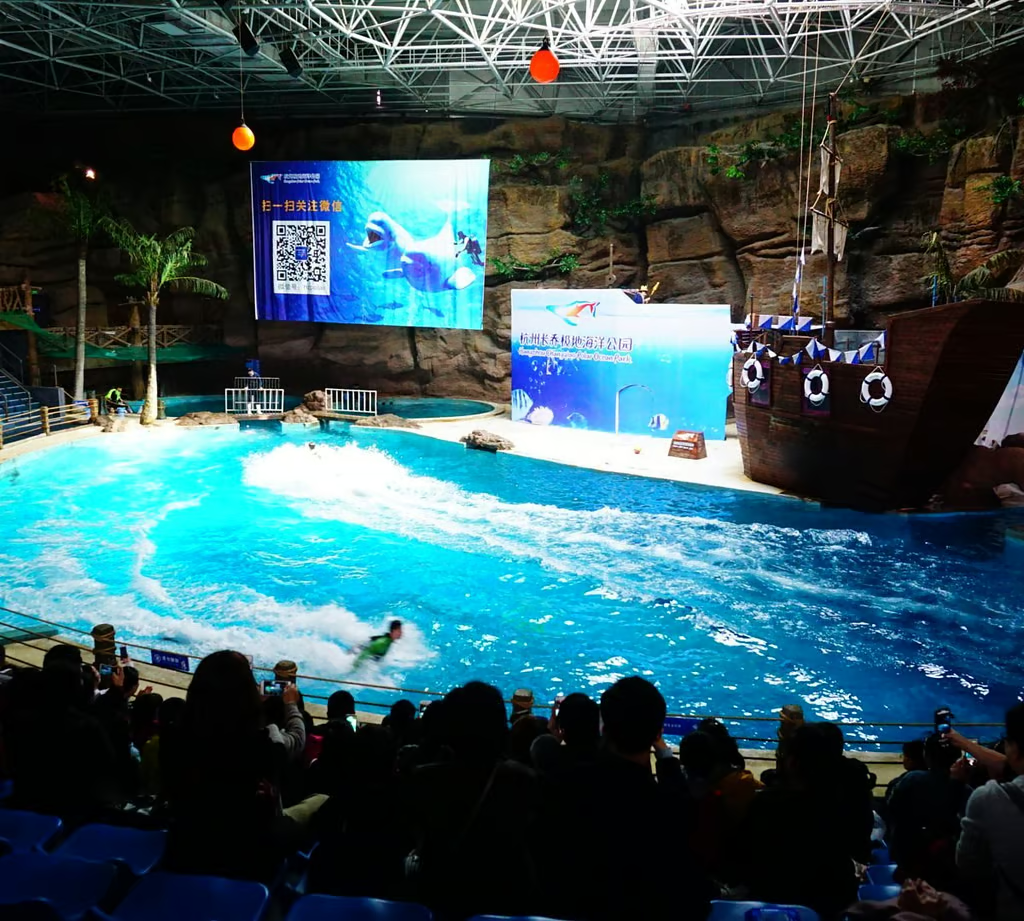
Opened on July 22, 2006, Qingdao Haichang Polar Ocean Park is part of the Haichang Ocean Park Holdings network, a leading operator of marine theme parks in China. The park spans a large area and features a variety of attractions, including animal exhibits, interactive shows, and immersive experiences. It’s home to over 200 polar and marine animals, such as beluga whales, polar bears, penguins, dolphins, and sea lions, making it one of the most comprehensive marine parks in the region. Designed with families in mind, the park combines entertainment with education, showcasing rare species and offering engaging performances.


Tsingtao Brewery Museum (青岛啤酒博物馆)
The Tsingtao Brewery Museum, located in Qingdao, Shandong Province, is a must-visit attraction for beer enthusiasts and cultural explorers alike. Housed in the original Tsingtao Brewery founded in 1903 by German settlers, this museum is China’s first and only beer-themed museum, offering a fascinating blend of history, brewing technology, and the iconic Tsingtao beer experience. Set in the vibrant coastal city of Qingdao, known for its German colonial architecture and annual International Beer Festival, the museum is a highlight of any visit.


Site of German Governor’s Palace (青岛德国总督楼旧址)
Located at No. 26 Longshan Road in the Shinan District, this grand mansion was built between 1905 and 1908 during the German occupation of Qingdao (1898–1914). Designed by German architect Werner Lazarowicz in the Jugendstil (German Art Nouveau) style, it served as the official residence of the German governor of the Kiautschou Bay concession. Over the years, it has hosted notable figures like Chairman Mao Zedong and Ho Chi Minh, adding layers of historical significance. Today, it functions as a museum, preserving its original furnishings and offering insights into Qingdao’s colonial heritage.


Where to Eat
Seafood: Qingdao is a seafood paradise. Try fried spicy clams, seafood wontons, or roasted sleeve fish at Maidao Seafood Street, Yunxiao Road, or Pichai Food Street. Meals cost ~¥30–100 per person. Tsingtao Beer and BBQ: Pair fresh Tsingtao beer with barbecue at Beer Street or Century Square Beer City during the Beer Festival.
Local Cuisine: Sample Shandong dishes like braised sea cucumber or sweet-and-sour carp at restaurants like Yiqinglou or Shangri-La Hotel. Budget Tip: Avoid overpriced Xinjiang nut loaves from boardwalk vendors near Zhanqiao Pier. Agree on prices per liang (50g) before buying.
Where to Stay
Luxury: The Westin Qingdao West Coast (5-star, ~¥600–1000/night): Offers free Wi-Fi, parking, and proximity to Golden Beach. Shangri-La Hotel Qingdao (5-star, ~¥800–1200/night): Central location with excellent dining.
Mid-Range: Crowne Plaza Qingdao Jinshui (4-star, ~¥400–600/night): Modern amenities, great for families. Qingdao Jinshan We Holiday Apt Wusi (3.5-star, ~¥200–400/night): Central, clean, and budget-friendly.
Budget: Qingdao Hostels (e.g., Elan Inns, ~¥80–150/night): Affordable with basic amenities in Shinan or Shibei Districts. Tip: Book via Trip.com or Expedia for deals, especially during off-peak seasons (June–August for lowest prices).
Tips for a Great Visit
Language: Mandarin and Qingdao dialect are spoken, but basic English is understood in tourist areas. Learn simple Chinese phrases to connect with locals. Safety: Qingdao is very safe, with low crime rates. Keep valuables secure and use common sense.
Pack Smart: Bring sunscreen, hats, and comfortable shoes for beach and hiking activities. Combine Trips: Extend your visit to Mount Tai, Qufu (Confucius’ hometown), or nearby Yantai and Weihai for a Shandong panorama.
Festivals: Time your visit for the Qingdao International Beer Festival (August) or Sea Affection Festival for a lively experience.
Final Thoughts
Qingdao is a captivating blend of coastal charm, colonial history, and modern vibrancy. From sipping Tsingtao at the Beer Museum to hiking the sacred Mount Laoshan, the city offers something for every traveler. Plan around the seasons, embrace the local seafood and beer culture, and explore the cobbled streets of Badaguan to experience Qingdao’s unique allure. With its welcoming atmosphere and stunning landscapes, Qingdao promises a refreshing and memorable getaway.
Happy travels!


