




A Travel Guide to Zhejiang
Zhejiang Province, located on China’s southeast coast in the Yangtze River Delta, is a treasure trove of natural beauty, cultural heritage, and modern prosperity. Known for its picturesque landscapes, ancient water towns, and vibrant cities, Zhejiang offers a perfect blend of history and modernity. With Hangzhou, its capital, famously described by Marco Polo as “the finest and most luxurious city in the world,” Zhejiang is a must-visit destination for travelers seeking both scenic splendor and cultural depth. This guide will help you plan an unforgettable trip to Zhejiang in 2025.
Why Visit Zhejiang?
Zhejiang is renowned for its diverse attractions, from serene lakes and lush mountains to ancient Buddhist temples and charming water towns. The province is home to the UNESCO World Heritage-listed West Lake in Hangzhou, sacred Buddhist islands like Putuoshan, and historic water towns such as Wuzhen and Xitang. Zhejiang’s rich cultural heritage, including its tea, silk, and cuisine, complements its natural beauty, making it ideal for nature lovers, history buffs, and foodies alike. Its proximity to Shanghai (just 45 minutes by high-speed train to Hangzhou) makes it an accessible getaway, while its 3,000+ islands and coastal scenery offer unique adventures.
How to Get There
Zhejiang is well-connected to major Chinese cities and international destinations, thanks to its advanced transportation infrastructure.
By Air: Hangzhou Xiaoshan International Airport (HGH): The main gateway, located 27 km from Hangzhou’s city center, serves international flights from cities like Hong Kong, Tokyo, and Singapore. Domestic flights connect to Beijing, Shanghai, and Guangzhou. A taxi to downtown Hangzhou costs ~¥80–100 (30–40 minutes). Other airports: Ningbo Lishe International Airport and Wenzhou Longwan International Airport cater to domestic and select international routes. Tip: Most international visitors fly into Shanghai (PVG or SHA) and transfer to Zhejiang via train or bus.
By High-Speed Train: Zhejiang’s extensive high-speed rail network is the most convenient way to travel. Hangzhou East Station is a major hub, with trains from Shanghai (45 minutes, ~¥74), Beijing (4–5 hours, ~¥550), and Guangzhou (6–7 hours, ~¥600). Other key stations include Ningbo, Wenzhou, and Yiwu. Book tickets via Trip.com or China Railway’s official app (12306) in advance.
By Bus or Car: Buses connect Zhejiang’s cities to Shanghai, Suzhou, and Nanjing. For example, a bus from Shanghai to Hangzhou takes ~2 hours (~¥60). Taxis or Didi (China’s Uber) are ideal for short trips, but avoid unmarked taxis. Long-distance taxis (e.g., Shanghai to Hangzhou) cost ~¥300–400.
By Cruise: Since May 15, 2024, foreign cruise tour groups arranged by Chinese travel agencies enjoy 15-day visa-free entry to coastal cities like Wenzhou and Zhoushan. Cruises from Shanghai to Ningbo or Zhoushan are available.
Best Time to Visit
Spring (March–May): Ideal for cherry blossoms, tea plantations, and mild weather (15–25°C). The rainy season (May–June) brings lush scenery but pack rain gear. Autumn (September–November): Crisp weather (15–22°C) and vibrant foliage make this the best time for outdoor activities.
Summer (June–August): Hot and humid (up to 35°C), with occasional typhoons in August–October. Early mornings are best for sightseeing. Winter (December–February): Cooler (0–10°C) and less crowded, but some outdoor attractions may be less vibrant.
Tip: Avoid peak holidays like Chinese New Year (late January–early February) and National Day (early October) to escape crowds and higher prices.
Major City
Hangzhou (杭州)
Hangzhou, the capital of Zhejiang Province, is one of China’s most picturesque and culturally rich cities, often described as “paradise on earth” alongside Suzhou. Renowned for its UNESCO World Heritage-listed West Lake, ancient temples, tea culture, and vibrant modern economy (home to tech giant Alibaba), Hangzhou offers a perfect blend of natural beauty, history, and modernity.


Top Destinations
West Lake (西湖)
West Lake is the crown jewel of Hangzhou, Zhejiang Province, and one of China’s most iconic and picturesque destinations. Encircled by misty hills, ancient pagodas, and poetic landscapes, this UNESCO World Heritage Site has inspired poets, artists, and travelers for centuries. Covering 6.39 square kilometers, West Lake blends natural beauty with cultural landmarks, offering serene waters, historic causeways, and vibrant seasonal scenery.


Xixi National Wetland Park (西溪国家湿地公园)
Xixi National Wetland Park, located in the western part of Hangzhou, Zhejiang Province, is a serene urban oasis and China’s first national wetland park, combining urban life, agriculture, and cultural heritage. Spanning approximately 11.5 square kilometers, with 70% of its area covered by rivers, ponds, lakes, and marshes, Xixi is celebrated for its lush ecosystems, tranquil waterways, and rich history. Known as one of Hangzhou’s “Three Wests” alongside West Lake and Xiling Seal Engravers’ Society, it’s a must-visit destination for nature lovers, culture enthusiasts, and those seeking a peaceful retreat from city life.


Wuzhen Scenic Area (乌镇)
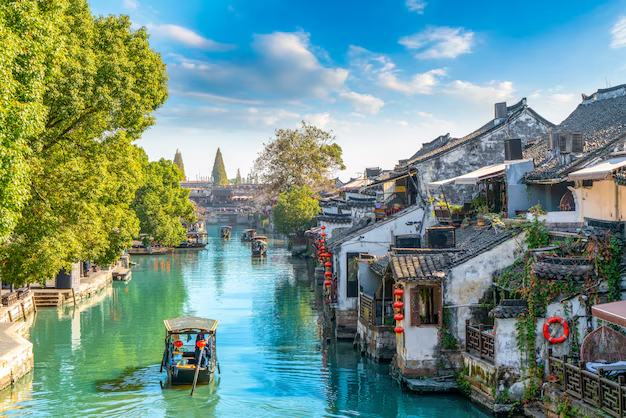
Wuzhen is one of China’s top six ancient water towns, celebrated for its historical and cultural significance. With a history dating back to 872 AD, it has retained its original layout, waterways, and way of life, earning it a place on China’s UNESCO World Cultural Heritage tentative list. The town’s black-tiled houses, whitewashed walls, and stone pathways create a scene reminiscent of a Chinese ink painting. Visitors can explore museums, enjoy boat rides along the canals, savor local cuisine, and immerse themselves in cultural festivals like the Wuzhen Theatre Festival. Whether you’re a history buff, a culture enthusiast, or simply seeking tranquility, Wuzhen’s charm is undeniable.


Xitang Ancient Town (西塘古镇)
Xitang Ancient Town, located in Jiashan County, Zhejiang Province, is a captivating water town with a history dating back over 2,000 years to the Spring and Autumn Period (770–476 BC). Often called the “Venice of the East,” Xitang is renowned for its picturesque canals, ancient stone bridges, and well-preserved Ming and Qing Dynasty architecture. Its tranquil waterways, narrow lanes, and covered corridors create a poetic ambiance, making it a perfect escape from the fast-paced cities of Shanghai and Hangzhou.


Nanxun Town (南浔古镇)
Nanxun Ancient Town, located in Huzhou City, Zhejiang Province, is one of China’s best-preserved water towns, offering a serene escape from the bustling crowds of more famous destinations like Wuzhen and Zhouzhuang. Known as the “land of culture” and “silk capital,” Nanxun blends traditional Jiangnan charm with unique Chinese-Western architectural influences, reflecting its prosperous history during the Ming and Qing Dynasties. With its tranquil canals, historic mansions, and vibrant local life, Nanxun is a hidden gem perfect for travelers seeking authenticity and history.


Thousand Islet Lake (千岛湖)
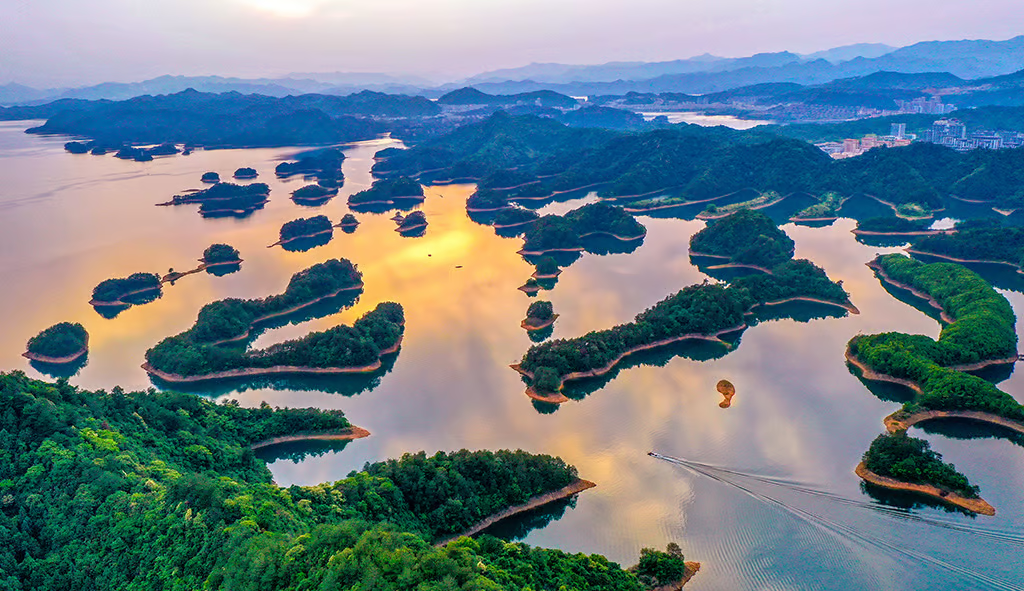
Thousand Island Lake is a National 5A-class scenic spot, celebrated for its stunning landscapes, clean water (used by Nongfu Spring for bottled water), and over 90% forest coverage. The lake’s 1,078 islands, remnants of submerged hills, offer unique attractions like themed islands (e.g., Bird Island, Monkey Island), cultural sites, and outdoor adventures. Beneath the water lies Shi Cheng (Lion City), an ancient city from the Eastern Han Dynasty, adding a layer of historical intrigue.




Mount Putuo (普陀山)
Mount Putuo (Putuoshan), located on a small island in the Zhoushan Archipelago, Zhejiang Province, is one of China’s four sacred Buddhist mountains, dedicated to Guanyin, the Goddess of Mercy (Avalokitesvara). Spanning just 12.5 square kilometers, this serene island blends stunning coastal scenery, ancient temples, and a profound spiritual atmosphere, earning it the title of the “Buddhist Kingdom of the Sea and Sky.”


What to Eat
Zhejiang cuisine, one of China’s eight major culinary traditions, emphasizes fresh ingredients and delicate flavors. Key styles include:
Hangzhou: Stir-fried dishes like Dongpo Pork and Beggar’s Chicken. Try at Louwailou Restaurant (~¥100–200/person). Ningbo: Seafood specialties like steamed crab and fish noodles. Shaoxing: Freshwater fish and Jinhua Ham, a local delicacy. Street Food: Sample noodles or dumplings at local markets (~¥10–20).
Tip: Look for picture menus in smaller restaurants, as English may be limited. Western options are available in Hangzhou and Ningbo.
Tips for a Great Visit
Transportation: Use high-speed trains for intercity travel and Didi for local rides. Rent bikes in Hangzhou (~¥10/hour) for West Lake exploration. Language: English is limited outside major cities. Download translation apps like Pleco or carry a phrasebook.
Safety: Zhejiang is very safe, but beware of reckless taxi drivers. Use Didi for reliable rides. Cultural Etiquette: Respect temple rules (e.g., no photography in sacred areas) and avoid littering. Combine Trips: Extend your Zhejiang tour with Shanghai, Suzhou, or Huangshan (Anhui), all accessible within 1–3 hours by train.
Final Thoughts
Zhejiang is a captivating destination that blends natural splendor with cultural richness. From the poetic beauty of West Lake to the serene water towns and sacred Putuoshan, the province offers something for every traveler. Plan a 5–7 day itinerary to cover Hangzhou, a water town, and Putuoshan, or tailor a shorter 3–4 day trip focusing on Hangzhou and Wuzhen. With its modern infrastructure, rich history, and welcoming atmosphere, Zhejiang promises an unforgettable journey into the heart of eastern China.


