
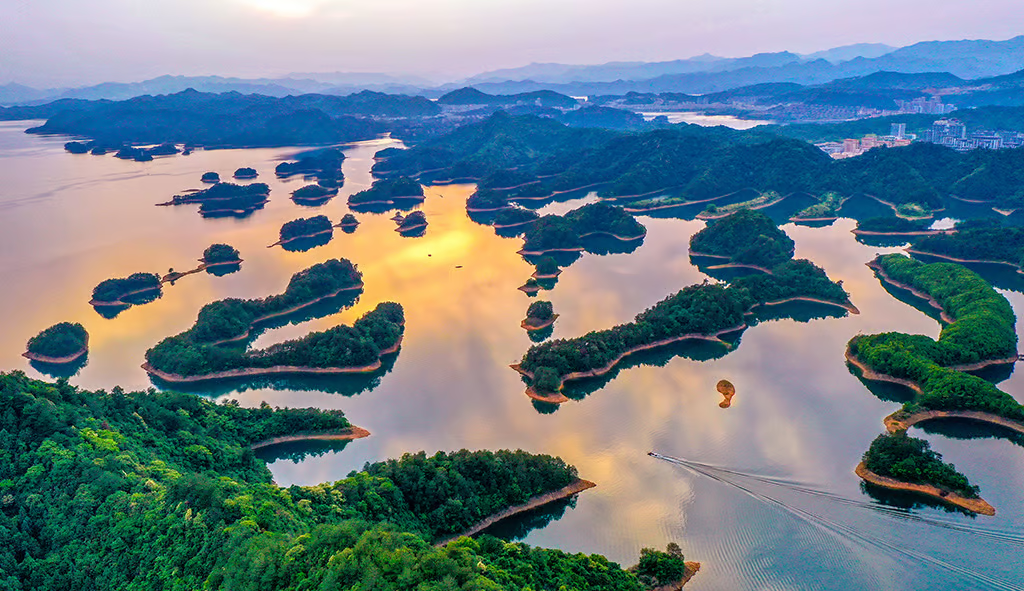
Thousand Island Lake (Qiandao Lake, or Qiāndǎo Hú), located in Chun’an County, Zhejiang Province, is a breathtaking man-made reservoir renowned for its crystal-clear waters, 1,078 islands, and lush greenery. Formed in 1959 after the construction of the Xin’an River Dam, this 573-square-kilometer lake is one of China’s most scenic destinations, often called the “Backyard Garden of the Yangtze River Delta.” With its pristine environment, diverse activities, and intriguing submerged ancient cities, Thousand Island Lake is perfect for nature lovers, adventure seekers, and those looking to escape urban life. Here’s a comprehensive guide to plan your visit.




A Travel Guide to Thousand Island Lake
Why Visit Thousand Island Lake?
Thousand Island Lake is a National 5A-class scenic spot, celebrated for its stunning landscapes, clean water (used by Nongfu Spring for bottled water), and over 90% forest coverage. The lake’s 1,078 islands, remnants of submerged hills, offer unique attractions like themed islands (e.g., Bird Island, Monkey Island), cultural sites, and outdoor adventures. Beneath the water lies Shi Cheng (Lion City), an ancient city from the Eastern Han Dynasty, adding a layer of historical intrigue. Whether you’re cycling along the lake, cruising between islands, or savoring local fish head soup, this destination promises a memorable blend of nature and culture.
How to Get There
Thousand Island Lake is approximately 129 km west of Hangzhou and 140 km from Huangshan, making it an accessible day trip or weekend getaway from these cities. Here are the main transportation options:
From Hangzhou: High-Speed Train: Take a train from Hangzhou East Railway Station to Qiandaohu Railway Station (40–60 minutes, ¥50–80). From the station, it’s a 30-minute taxi ride (¥50–70) to the lake’s main dock at Qiandaohu Town. Bus: Direct buses depart hourly from Hangzhou West Bus Station, Hangzhou Passenger Transport Central Station, or Hangzhou East Railway Highway Bus Station to Qiandaohu Town (2–2.5 hours, ¥65–73). Private Transfer: For convenience, book a private car via travel agencies like China Discovery (2 hours, ¥200–400 depending on group size).
From Shanghai: Take a high-speed train from Shanghai Hongqiao to Hangzhou East (1 hour, ¥70–100), then transfer to a bus or train to Qiandaohu (total travel time: 3–4 hours). Alternatively, direct buses from Shanghai to Qiandaohu take about 4–5 hours (¥100–150).
From Huangshan: Take a bus from Huangshan Tunxi Bus Station to Shexian, then transfer to Shendu for a ferry to Qiandaohu (total: 3–4 hours, ¥30–50). A direct bus from Huangshan Scenic Area Bus Station (6:30 AM or 1:00 PM, ¥21–50) is also available.
By Car: Rent a car or hire a driver from Hangzhou (2 hours) or Shanghai (4 hours). The expressway connecting Hangzhou, Qiandaohu, and Huangshan is well-maintained. Parking is available near the main dock (¥10–20/hour).
Tip: Book train or bus tickets in advance via Ctrip or Trip.com, especially during peak seasons like Chinese National Day (early October). A VPN (e.g., ExpressVPN) may be needed to access some websites in China.
Best Time to Visit
Autumn (September–November): Comfortable temperatures (15–25°C), vibrant foliage, and clear skies make this the ideal season. The lake’s scenery is particularly stunning under blue skies. Winter (December–February): Cooler weather (0–10°C) but fewer crowds and lower ticket prices. The lake remains scenic, though some activities may be limited.
Spring (March–May): Mild weather and blooming flora, but occasional rain may affect visibility. Summer (June–August): Warm (25–35°C) and lush, perfect for water activities like rafting, but expect higher humidity and crowds.
Weather Tip: Sunny days enhance the lake’s clarity and island views. Avoid visiting during heavy rain, as it can reduce water transparency. Check the forecast and aim for autumn or early winter for the best experience.
Tickets and Opening Hours
Opening Hours: The Qiandao Lake Scenic Area is open daily from 7:00 AM to 5:00 PM (last entry at 4:00 PM). Specific attractions like cruises or islands may have slightly different schedules.
Ticket Prices: General admission to the scenic area: ¥150 (March–November), ¥120 (December–February). Children 1.2–1.5 meters pay half price; under 1.2 meters are free. Cruise tickets: ¥65–200, depending on the route and boat type (e.g., yacht vs. standard cruise). Specific islands (e.g., Meifeng Island cable car): ¥60 round-trip for adults, ¥30 for children. Combo tickets: Available for multiple islands or activities (¥200–300).
Booking: Purchase tickets on-site at Xiyuan Dock or via Trip.com for discounts. Book cruises or guided tours in advance during peak seasons.
Note: Admission covers the scenic area but not all activities or island entries. Confirm inclusions when booking.
What to See and Do
Thousand Island Lake is divided into six districts (Southeast, Central, Southwest, Northeast, Northwest, and Fuxi Stone Forest), each offering unique attractions. Here are the highlights:
Cruise the Lake: Explore the islands via cruise (¥65–100, 2–4 hours) or yacht (¥150–200, faster and more private). Popular routes include: Route A: Meifeng Island, Ostrich Island, Holy Dragon Island, Monkey Island, Peacock Island. Route C: Mishan Island, Xianshan Island, Osmanthus Island. Cruises depart from Xiyuan Dock in Qiandaohu Town. Seasickness medication is recommended for sensitive travelers.
Key Islands to Visit: Meifeng Island (Plum Blossom Island): Offers panoramic views from a cable car or hike (¥60 round-trip). Enjoy grass sledding or boating. Lock Island: Features the world’s largest lock and a Lock Museum, with thousands of symbolic locks (e.g., happiness, wisdom). Monkey Island: Interact with monkeys (avoid teasing with food for safety). Bird Island: Home to peacocks, ostriches, and other birds, ideal for animal lovers. Santan Island: A cultural hub with a folk museum, tea ceremonies, and local dance performances. Covers 80 hectares with dining options.
Outdoor Activities: Cycling: Rent a bike (¥20–50/hour) for a scenic ride around the lake. A full loop takes 1–2 days, with rest stops offering panoramic views. Rafting: Experience thrilling rafting on the lake’s streams (¥100–150, summer only). Swimming: The lake’s clean water is safe for swimming in designated areas, though less common near urban zones. Fishing: Try fishing for the lake’s famous giant fish (permits may be required).
Cultural and Historical Sites: Shi Cheng (Lion City): This submerged ancient city (AD 621) is accessible only to professional divers with government permission. A replica on land offers a glimpse of its Huizhou-style architecture. Hai Rui Temple on Longshan Island: Honors a respected Ming Dynasty official, with a dragon-shaped mountain backdrop. Fuxi Stone Forest: Known as the “first stone forest in East China,” featuring unique rock formations.
Viewpoints: Huangshanjian Viewing Platform: Offers the best panoramic views of the lake’s islands. Tianyu Mountain Viewing Platform: Ideal for stunning sunsets; accessible by elevator or hike.
Where to Eat
Local Specialty: Try the famous Qiandao Lake fish head soup, a creamy, flavorful dish made with local fish (¥30–80). On-Site Dining: Restaurants on Santan Island and near Xiyuan Dock serve fresh seafood, noodle dishes, and Zhejiang cuisine like Dongpo pork (¥20–50/meal).
Nearby: Qiandaohu Town has a range of eateries, from budget stalls to upscale restaurants. For a unique experience, visit Chun’an Fishing Village for authentic local dishes. Tip: Pack snacks for island visits, as food options may be limited on smaller islands.
Where to Stay
Qiandaohu Town: Hilton Qiandao Lake Resort (5-star): Luxury with lake views, starting at ¥600–800/night. Greentown Island Resort Hotel (4-star): Comfortable with family-friendly amenities, ¥400–600/night. Budget Options: Guesthouses and hostels in Qiandaohu Town cost ¥100–200/night. Book via Trip.com or Ctrip.
Island Stays: Some islands like Santan offer cabins or boutique hotels (¥200–500/night). Camping: Limited camping options are available near the lake for a budget-friendly experience (¥50–100/night, bring your own gear).
Booking Tip: Reserve accommodations early during peak seasons (autumn and holidays) for the best rates and availability.
Tips for a Great Visit
Plan Your Islands: Most cruises visit 3–5 islands; choose routes based on interests (e.g., animals, culture, or views). Check departure times and return points. Dress Comfortably: Wear sturdy shoes for hiking or cycling, and bring sunscreen and hats for summer visits.
Photography: The lake’s scenery is best captured at sunrise or sunset from viewpoints like Tianyu Mountain. Drones may require permits. Respect Wildlife: Avoid feeding animals on Monkey Island to prevent aggressive behavior.
Eco-Friendly Practices: Do not litter, and use reusable water bottles, as the lake’s ecosystem is carefully protected. Combine Your Trip: Pair your visit with Hangzhou’s West Lake (2 hours away) or Huangshan’s mountains (2.5 hours away) for a broader Zhejiang experience.
Final Thoughts
Thousand Island Lake is a gem of Zhejiang, offering a perfect mix of natural beauty, adventure, and cultural intrigue. From cruising among its 1,078 islands to exploring the submerged history of Shi Cheng, the lake captivates with its serene waters and lush landscapes. Plan your visit in autumn for the best weather, book activities in advance, and immerse yourself in this “world’s most beautiful water” for an unforgettable escape.
Happy travels!


