
Jodhpur Travel Guide (2026)
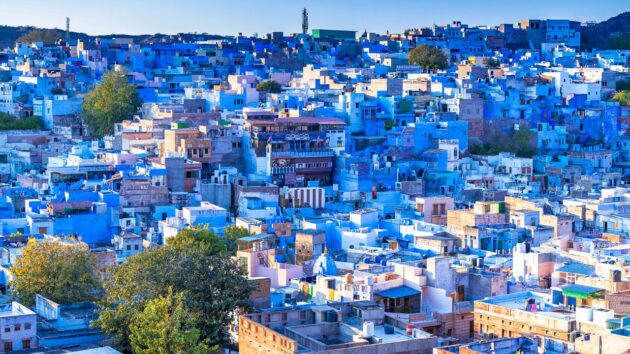
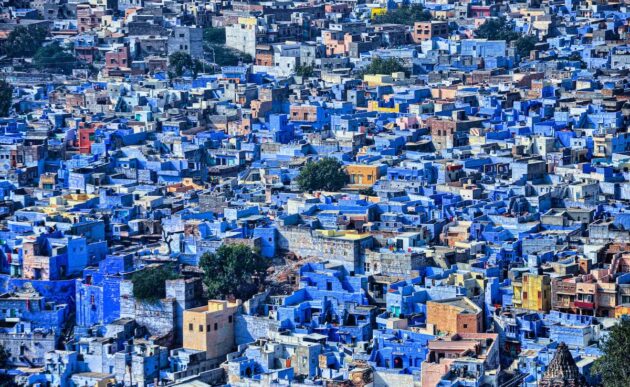
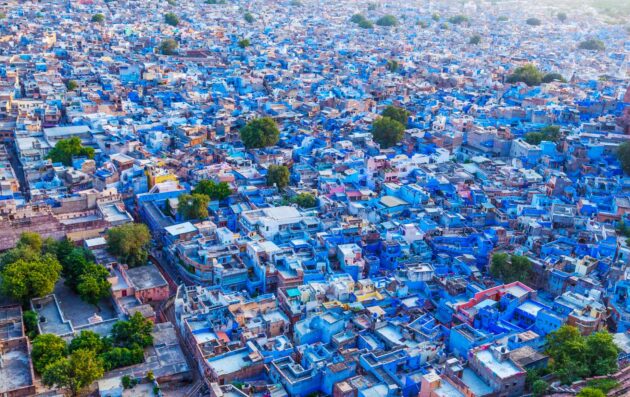
Jodhpur, known as the Blue City of Rajasthan, is a vibrant desert destination famous for its indigo-painted old city houses, imposing forts, and royal heritage. Nestled at the edge of the Thar Desert, this historic city offers a perfect blend of majestic architecture, bustling bazaars, and stunning sunsets over the blue-hued rooftops. As Rajasthan’s second-largest city, Jodhpur serves as an excellent base for exploring the region’s forts, palaces, and desert culture. Whether you’re a history buff, photography enthusiast, or food lover, Jodhpur delivers an unforgettable Rajasthani experience.
Why Visit Jodhpur?
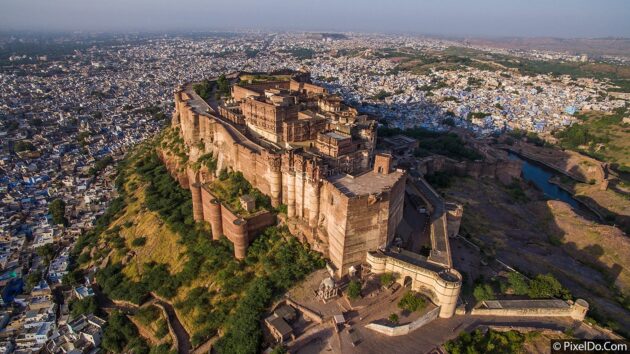
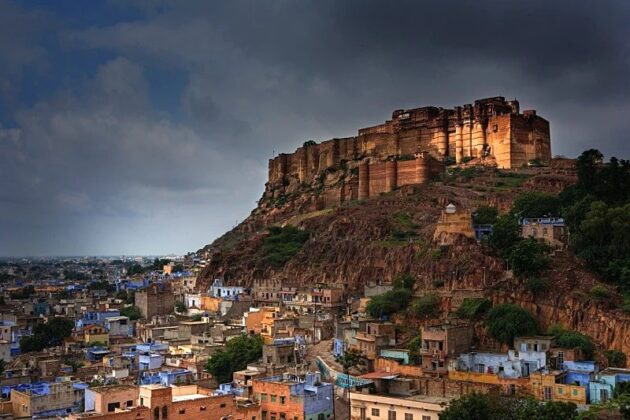
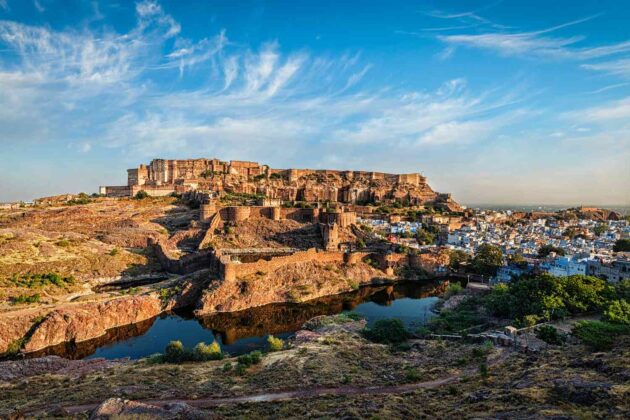
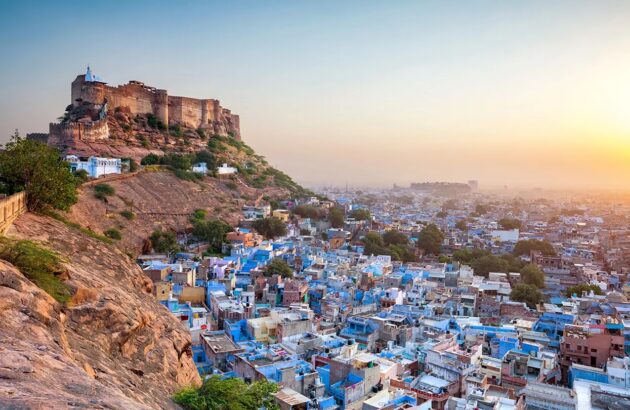
Jodhpur’s dramatic Mehrangarh Fort towers over the city, providing panoramic views of the blue-washed old town below. The city’s rich Rathore Rajput heritage, colorful markets, and proximity to other Rajasthan gems (like Jaisalmer and Udaipur) make it a highlight of any Rajasthan itinerary. The contrast of the massive sandstone fort against the vivid blue houses creates one of India’s most photogenic skylines.
How to Get There
By Air: Jodhpur Airport (JDH) is well-connected with direct flights from major Indian cities like Delhi, Mumbai, Jaipur, and Udaipur. The airport is only about 5 km from the city center; taxis, app-based cabs, or hotel shuttles take 10–20 minutes.
By Train: Jodhpur Junction (JU) is a major rail hub with excellent connections from Delhi (around 10–12 hours on superfast trains like Rajasthan Sampark Kranti), Mumbai (16–18 hours), Jaipur, and other cities. It’s a convenient and scenic option.
By Road: Well-linked by buses and private taxis. From Jaipur it takes about 6–7 hours, from Udaipur around 5 hours, and from Jaisalmer about 5 hours. Self-drive or hired cars with drivers are popular for Rajasthan circuits.
Best Time to Visit
The ideal time to visit Jodhpur is October to March, when the weather is pleasant with daytime temperatures ranging from 14–29°C (57–84°F) and cool evenings. This period avoids the extreme summer heat (April–June can exceed 45°C) and offers clear skies perfect for fort views and rooftop dining.
Peak season: December–February (busier, book ahead).
Shoulder months: October and March (good weather, fewer crowds).
Festivals: October often features the Rajasthan International Folk Festival (RIFF) and Marwar Festival, filled with music, dance, and cultural performances.
Avoid summer and monsoon (July–September) due to intense heat and occasional heavy rains.
Top Things to Do
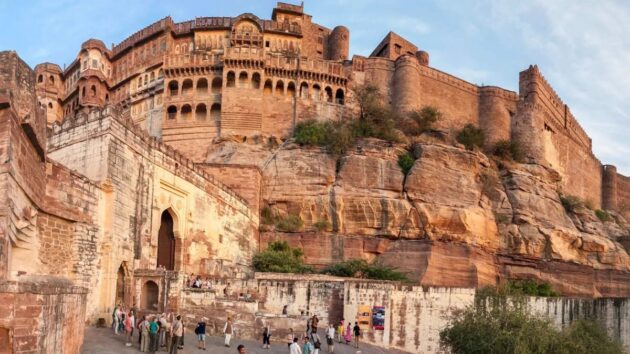
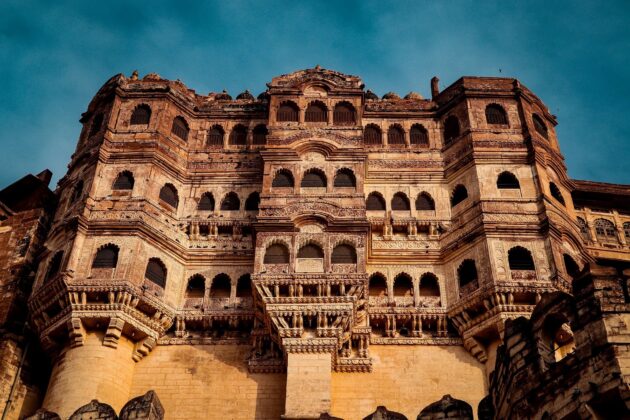
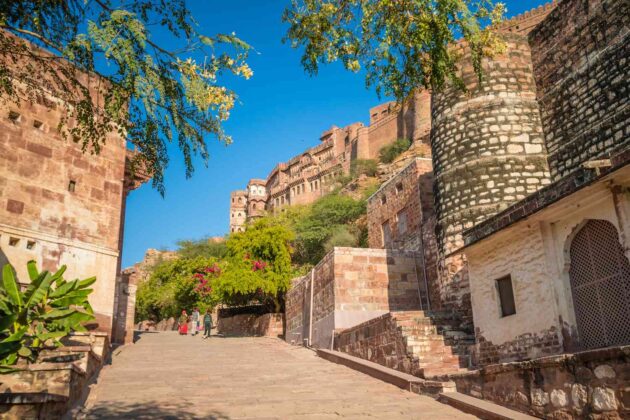
Mehrangarh Fort
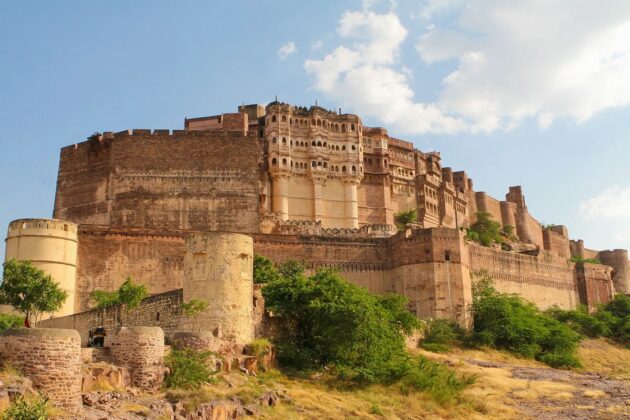
The star attraction. This massive 15th-century fortress perched on a rocky hill offers museums with royal artifacts, weapons, and palanquins, plus breathtaking views of the Blue City. Don’t miss the audio guide for rich historical insights.
Jaswant Thada
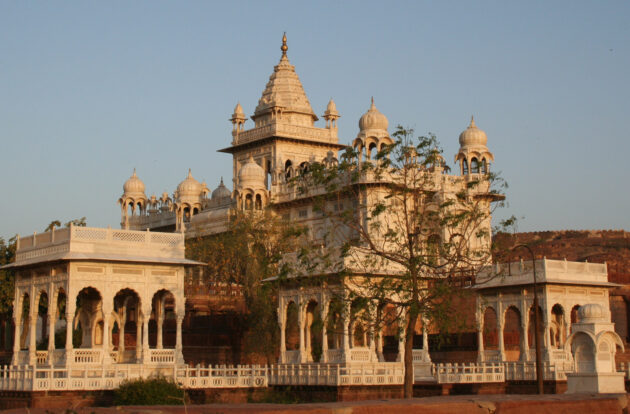
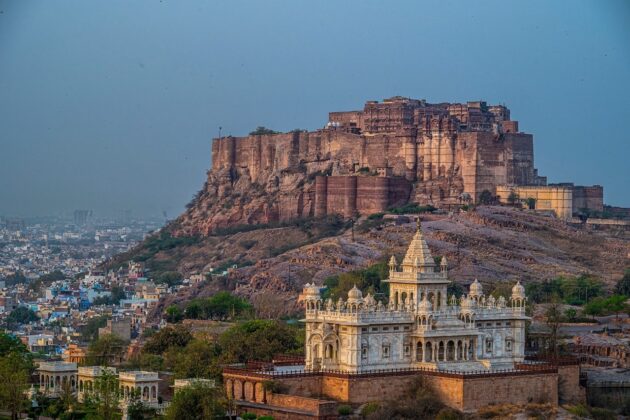
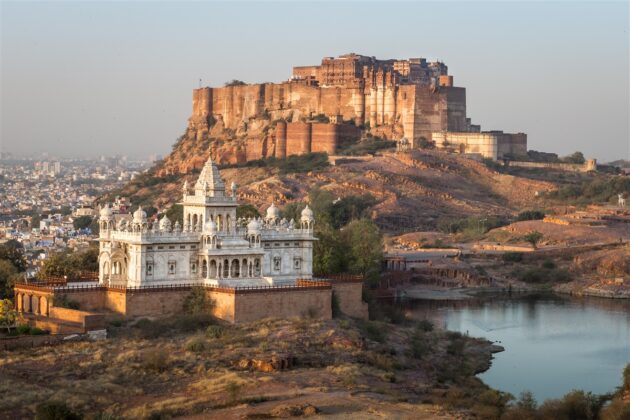
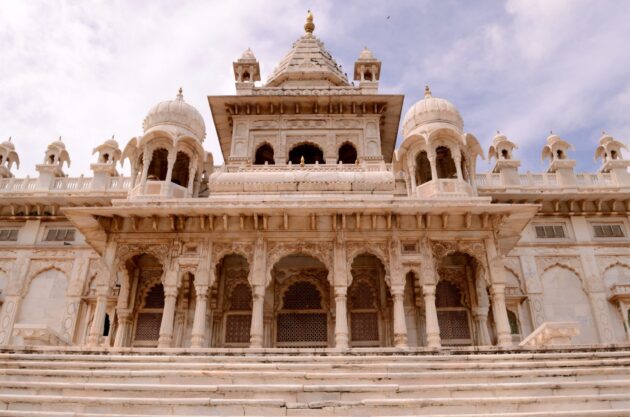
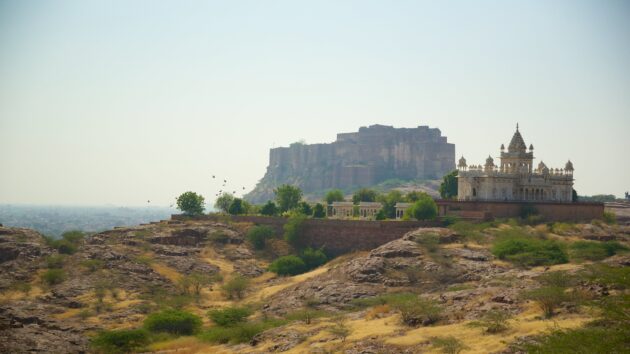
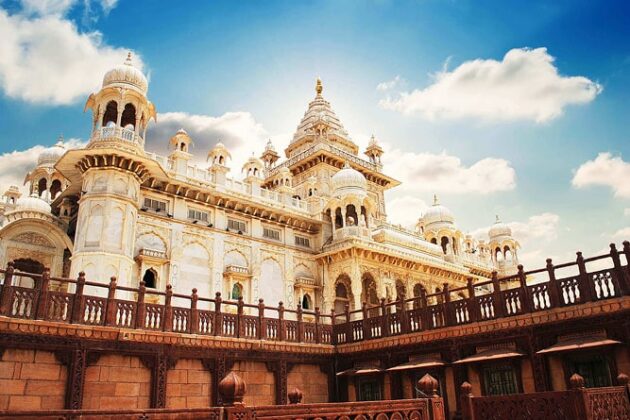
Jaswant Thada, often called the “Taj Mahal of Marwar,” is a stunning white marble cenotaph (memorial) in Jodhpur, Rajasthan. Built in 1899–1906, it honors Maharaja Jaswant Singh II (r. 1873–1895), a beloved ruler of the Rathore dynasty who expanded the kingdom and fought valiantly. Located just below the majestic Mehrangarh Fort, this serene monument offers intricate Rajput architecture, delicate jali (lattice) screens, and peaceful gardens with a small lake.
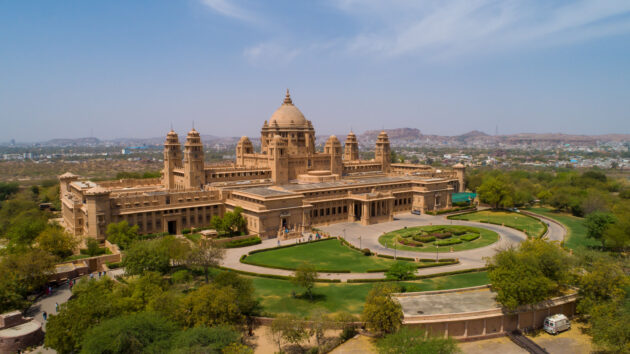
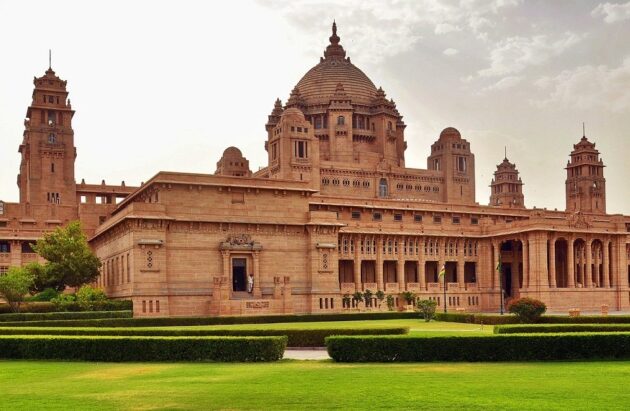
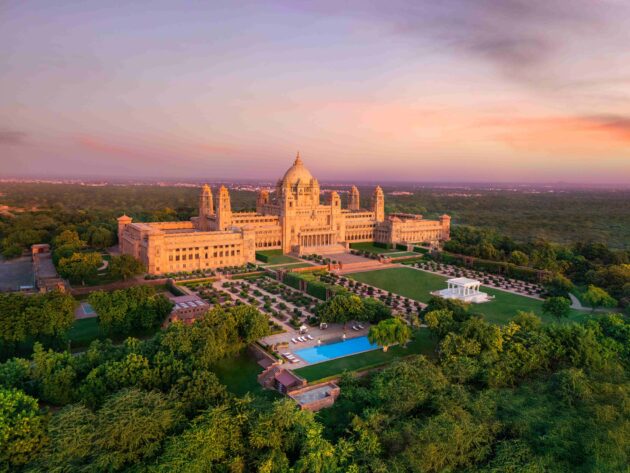
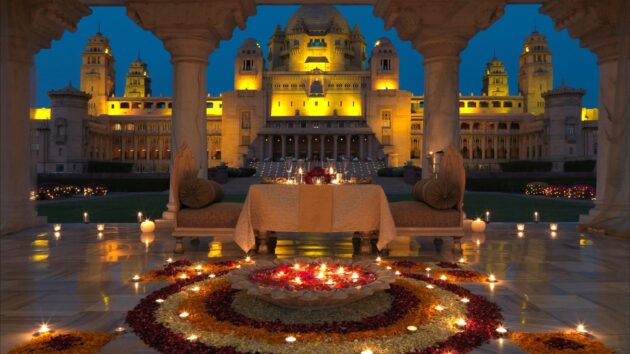
Umaid Bhawan Palace
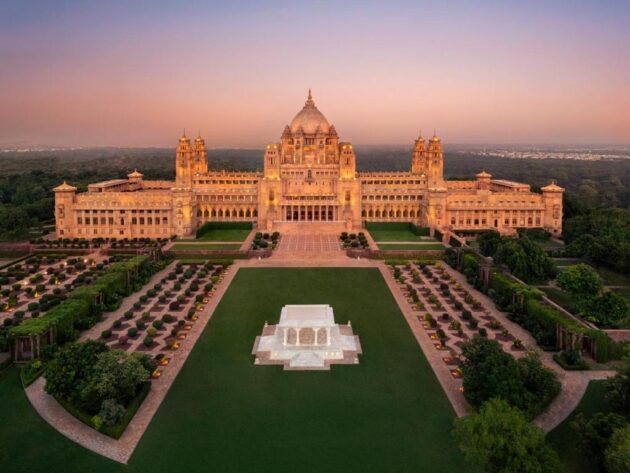
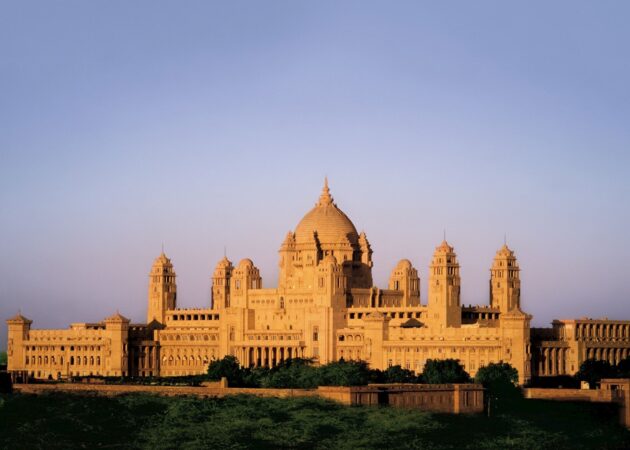
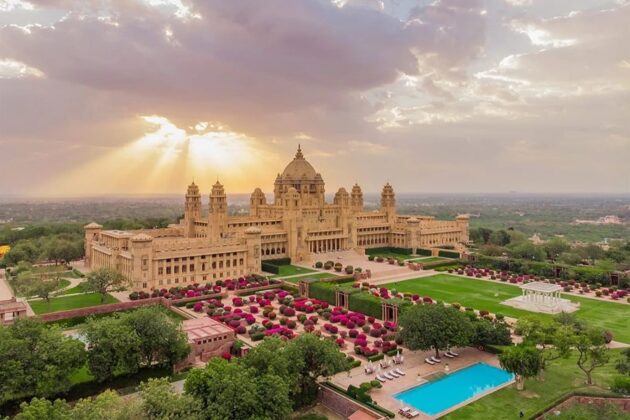
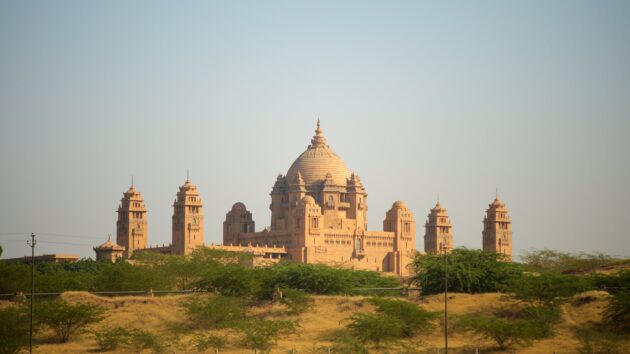
Umaid Bhawan Palace is one of India’s most magnificent royal residences and a stunning example of Indo-Art Deco architecture. Perched on Chittar Hill in Jodhpur, Rajasthan — the “Blue City” — it is the sixth-largest private residence in the world, with 347 rooms. Commissioned by Maharaja Umaid Singh in 1929 as a famine relief project to employ thousands of locals, the palace was completed in 1943 after 13 years of construction.
Explore the Blue City
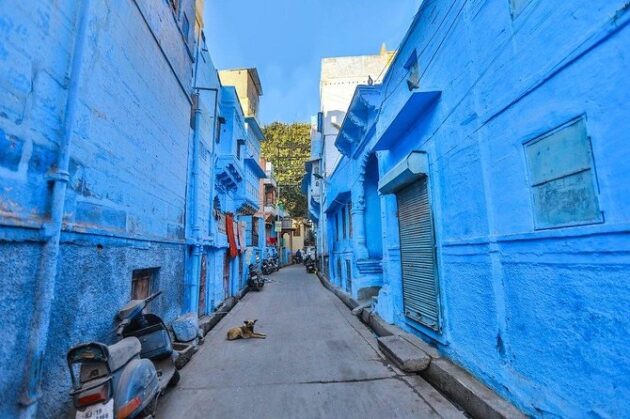
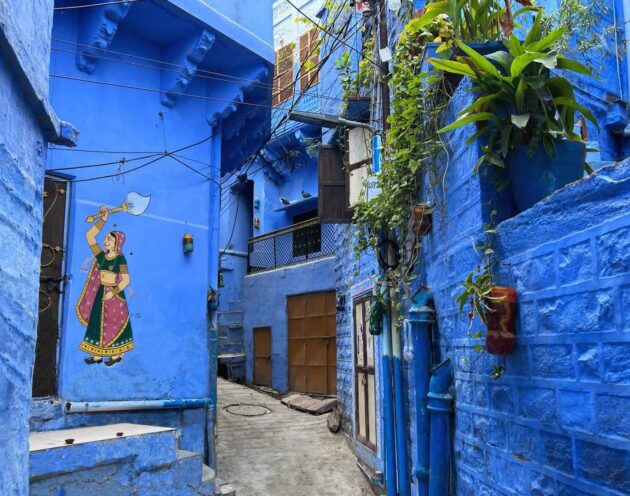
Wander the narrow lanes of the old city, where many houses are painted blue (traditionally by Brahmin families). Join a guided heritage walking tour for the best experience.
Where to Stay
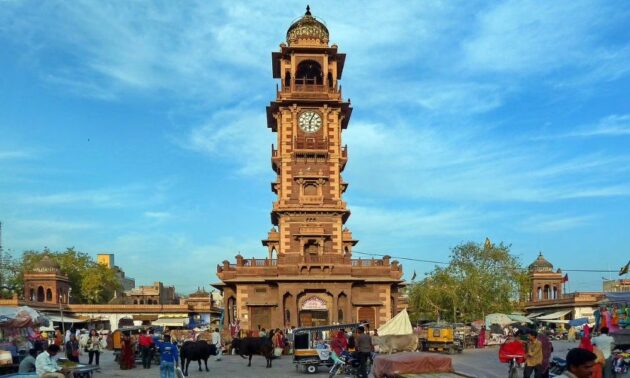
Old City / Near Clock Tower: Best for atmosphere and walkability. Heritage havelis and guesthouses like Gouri Heritage Haveli offer charm at affordable prices.
Near Mehrangarh Fort: Properties with fort views, such as boutique hotels in Gulab Sagar or the old city lanes.
Luxury Options: Umaid Bhawan Palace (Taj) for royal indulgence, or other heritage hotels like Taj Hari Mahal.
Budget/Mid-range: Plenty of guesthouses and hostels in the old city with rooftop terraces. Book in advance during peak season.
Staying in the old city lets you immerse in the sights, sounds, and flavors of Jodhpur.
What to Bring & Practical Tips
Clothing: Modest attire (cover shoulders and knees, especially at religious sites). Comfortable walking shoes for fort steps and uneven streets. Light layers for cooler evenings in winter.
Essentials: Sunscreen, hat, reusable water bottle (stick to bottled/filtered water), and a scarf for dust.
Getting Around: Auto-rickshaws (tuk-tuks) are cheap and plentiful; negotiate fares or use ride apps. Guided tours are recommended for forts and walking the old city.
Safety: Jodhpur is generally safe for tourists, but take standard precautions in crowded markets (watch for pickpockets). Solo female travelers should avoid isolated areas after dark and dress conservatively. Use hotel safes for valuables.
Photography: The Blue City looks magical at golden hour; respect local privacy when photographing people.
Food: Try authentic Rajasthani cuisine at rooftop spots or local eateries. Be cautious with street food—choose busy stalls.
Currency & Connectivity: ATMs are widely available; UPI payments work in most places. Carry some cash for smaller vendors.
Final Thoughts
Allocate 2–3 days to fully enjoy Jodhpur. It pairs perfectly with Jaipur (Pink City) to the east and Jaisalmer (Golden City) to the west for a classic Rajasthan circuit.
Jodhpur’s dramatic fort, indigo-blue lanes, and warm Rajasthani hospitality create a truly magical experience. Plan ahead, embrace the chaos of the bazaars, and let the Blue City captivate you!
Safe travels and enjoy your time in Rajasthan’s majestic Blue City!