
Umaid Bhawan Palace Travel Guide (2026)
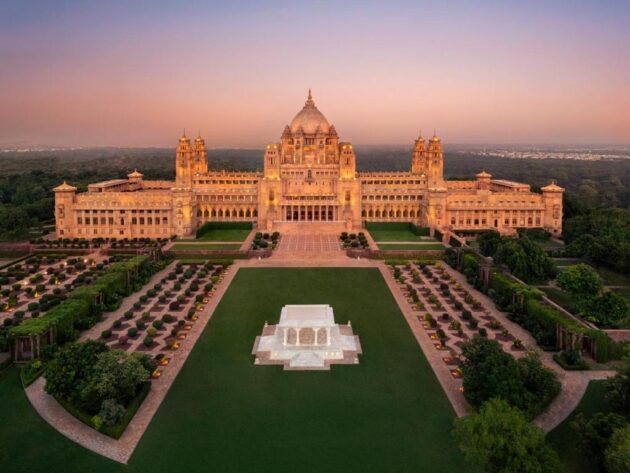
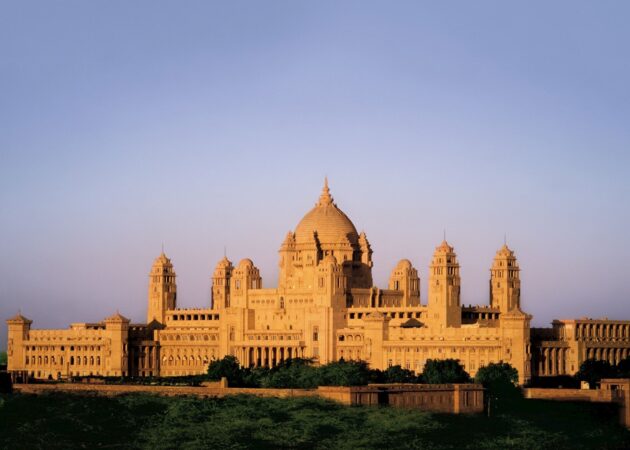
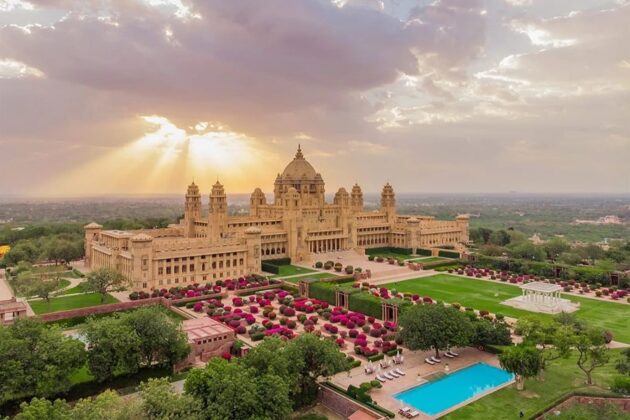
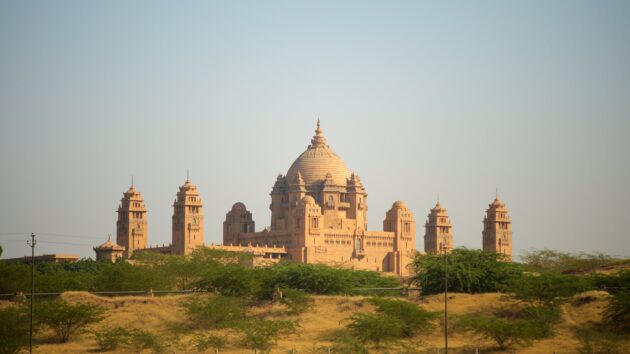
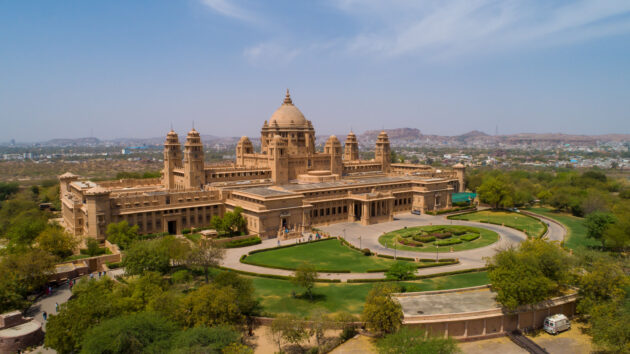
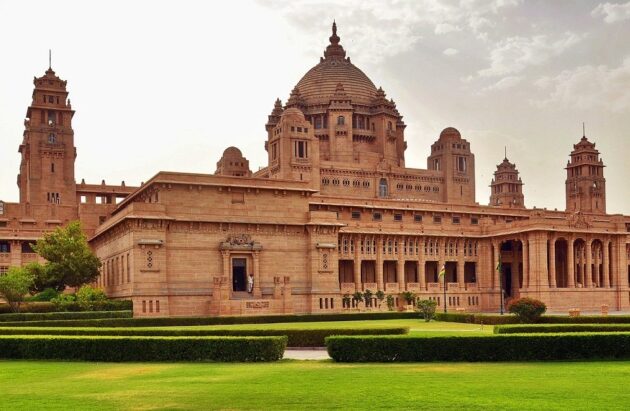
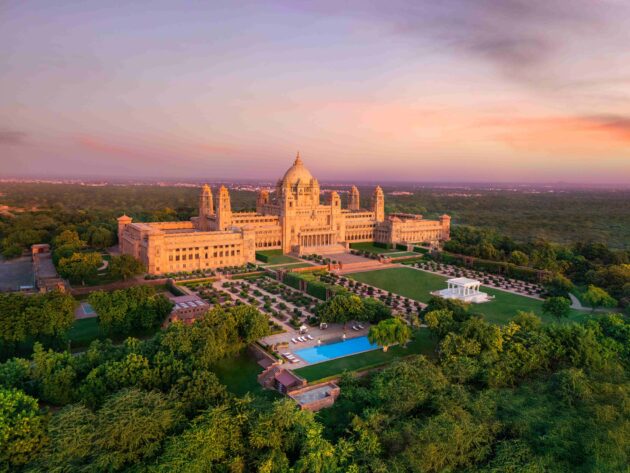
Umaid Bhawan Palace is one of India’s most magnificent royal residences and a stunning example of Indo-Art Deco architecture. Perched on Chittar Hill in Jodhpur, Rajasthan — the “Blue City” — it is the sixth-largest private residence in the world, with 347 rooms. Commissioned by Maharaja Umaid Singh in 1929 as a famine relief project to employ thousands of locals, the palace was completed in 1943 after 13 years of construction. Designed by British architect Henry Vaughan Lanchester, it blends traditional Rajput elements with elegant Art Deco interiors.
Today, the palace is divided into three parts: the private residence of the current royal family (Maharaja Gaj Singh II and his descendants), a luxurious Taj hotel, and a public museum showcasing royal heritage. While the hotel and royal wings are restricted to guests, the museum offers visitors a fascinating glimpse into the opulent lifestyle of Jodhpur’s rulers.
Why Visit Umaid Bhawan Palace?
Architectural Splendor: Golden-yellow Chittar sandstone facade, a massive central dome (inspired by St. Paul’s Cathedral), sweeping lawns, and intricate Art Deco detailing inside.
Royal Museum: Displays vintage cars, clocks, weapons, trophies, paintings (including works by Polish artist Stefan Norblin), royal memorabilia, and exhibits on the palace’s construction.
Panoramic Views: Elevated location offers excellent views over Jodhpur and the surrounding desert landscape.
Luxury Experience: Even if not staying overnight, the grounds and museum provide a taste of royal grandeur.
How to Get There
Umaid Bhawan Palace is located about 4–6 km from Jodhpur’s city center (near the Circuit House and Cantt Area).
By Air: Jodhpur Airport (JDR) is only 4–5 km away — a 10–15 minute drive by taxi or cab.
By Train: Jodhpur Junction Railway Station (JU) is approximately 4–5 km away.
By Road: Well-connected by bus or taxi from other Rajasthan cities (e.g., Jaipur, Udaipur). Local auto-rickshaws, taxis, or app-based cabs (Uber/Ola) are convenient for the final leg.
From Major Attractions: About 9–10 km from Mehrangarh Fort and the Old Blue City (Clock Tower Market).
Best Time to Visit
The ideal time is October to March (winter season in Rajasthan), when daytime temperatures are pleasant (10–25°C / 50–77°F) and nights are cooler. This avoids the extreme summer heat (April–June, often exceeding 40°C / 104°F).
Visit early morning or late afternoon to enjoy milder light and fewer crowds.
The palace is open year-round, but summers can feel uncomfortable for outdoor exploration.
Opening Hours and Entry Fees (Museum)
Timings: Generally 9:00 AM or 10:00 AM to 5:00 PM (some sources note 4:30 PM closing). Open daily, though confirm locally as minor variations exist.
Entry Fees (approximate, subject to change): Indian adults: ₹30; Foreign tourists: ₹100; Children (5–11 years): ₹10.
Note: There is no general entry fee for the palace grounds, but the museum requires a ticket. Parking may have a small additional fee. Selfie sticks are often not allowed.
The museum typically takes 1–2 hours to explore, though you can spend longer admiring the architecture and gardens.
What to See and Do
The Museum: Highlights include a collection of vintage cars (some available for rides for hotel guests), royal clocks, weapons, banners gifted by Queen Victoria, furniture, and photographs documenting the palace’s history.
Exterior and Grounds: Stroll the manicured lawns, admire the grand sandstone facade, and enjoy views from the hilltop setting.
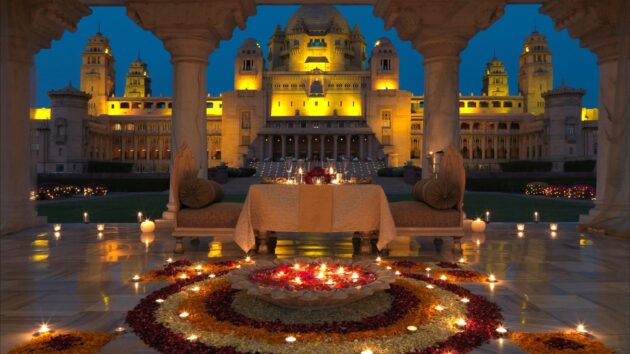
Art Deco Interiors (limited public access): If staying at the Taj hotel, you can experience the opulent halls, library, indoor pool, and beautifully decorated suites.
Nearby Attractions: Combine your visit with Mehrangarh Fort (for sunset views of the palace), Jaswant Thada (marble cenotaph), and the vibrant Old City.
Important Note: Non-guests cannot access the hotel restaurants, rooms, or private royal areas. The museum is the main public attraction.
Where to Stay
Luxury Option: Stay at Taj Umaid Bhawan Palace itself for an unforgettable royal experience. It offers lavish rooms and suites, fine dining, a spa, and impeccable service. Rates are high, especially in peak season (October–March).
Mid-range and Budget: Numerous heritage hotels, guesthouses, and modern hotels in Jodhpur’s city center or near Mehrangarh Fort.
Practical Tips
Dress Code: Modest clothing is recommended (shoulders and knees covered) out of respect for the royal and cultural setting.
Photography: Allowed in most museum areas, but check restrictions. The palace photographs beautifully from outside, especially at golden hour.
Guides: Hiring a local guide can enrich your understanding of the history (often available at the entrance or through tour operators).
What to Bring: Water, sunscreen, hat (especially in warmer months), and comfortable shoes for walking the grounds.
Accessibility: The site has some steps and uneven surfaces; check with staff for assistance if needed.
Combine with Jodhpur Itinerary: A full day can include Mehrangarh Fort in the morning, Umaid Bhawan in the afternoon, and the Blue City markets in the evening.
Final Thoughts
Umaid Bhawan Palace stands as a proud symbol of Rajasthan’s royal legacy and 20th-century engineering. Whether you explore the museum on a day visit or indulge in a luxurious stay, it offers a memorable journey into India’s princely past.
Safe travels and enjoy the grandeur of Jodhpur’s “Palace of the Sun”!