
A Travel Guide to Jiangsu
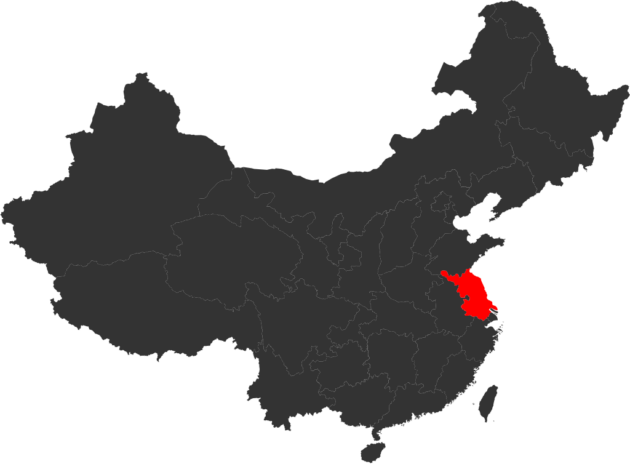
Jiangsu, located in eastern China along the Yellow Sea coast, is a province renowned for its rich history, vibrant culture, and stunning landscapes. Known as the “Land of Water,” Jiangsu is crisscrossed by the Yangtze River and the Grand Canal, offering a blend of ancient water towns, classical gardens, historical sites, and modern cities. With its capital in Nanjing and famous cities like Suzhou, Wuxi, and Yangzhou, Jiangsu is a must-visit for travelers seeking a mix of tradition and modernity. This guide will help you plan a memorable trip to this captivating province.
Why Visit Jiangsu?
Jiangsu is a cradle of Chinese civilization, boasting a history that spans thousands of years. It’s home to UNESCO World Heritage Sites like Suzhou’s classical gardens and parts of the Grand Canal. The province offers diverse experiences: wander through serene water towns like Zhouzhuang, explore ancient capitals in Nanjing, or marvel at the natural beauty of Taihu Lake in Wuxi. Jiangsu’s cultural heritage, from silk production to Kun Opera, and its delicious Su Cuisine make it a destination that appeals to history buffs, nature lovers, and foodies alike. Its proximity to Shanghai also makes it an accessible add-on to any China itinerary.
How to Get There
Jiangsu is well-connected to major Chinese cities and international hubs, thanks to its advanced transportation network.
By Air: Nanjing Lukou International Airport (NKG): The main gateway to Jiangsu, offering flights to Beijing, Shanghai, Guangzhou, and international destinations like Tokyo and Singapore. It’s about 40 minutes from central Nanjing. Wuxi Shuofang International Airport (WUX): Serves Wuxi and Suzhou, with domestic flights and some international routes. Shanghai Airports (PVG or SHA): Shanghai’s Pudong (PVG) or Hongqiao (SHA) airports are just 1–2 hours from Jiangsu by high-speed train, making them a convenient entry point.
By High-Speed Train: Jiangsu’s cities, including Nanjing, Suzhou, and Wuxi, are linked by an efficient high-speed rail network. From Shanghai, Suzhou is just 25–40 minutes away (¥40–60), and Nanjing is 1–2 hours (¥100–150). Trains from Beijing to Nanjing take about 3.5–4 hours (¥400–600). Key stations: Nanjing South, Suzhou Station, and Wuxi Station. Book tickets via Trip.com or at stations, and check which station your train uses, as cities often have multiple stations.
By Car or Bus: Jiangsu’s flat terrain and modern highways make road travel efficient. Buses connect major cities like Nanjing, Suzhou, and Yangzhou, with fares ranging from ¥20–100. Renting a car or hiring a driver is also an option for flexibility, especially for rural areas or water towns.
Visa-Free Transit: Visitors from 51 countries can explore Jiangsu, Shanghai, and Zhejiang visa-free for 144 hours (6 days) if entering via Shanghai or Nanjing airports. Check eligibility before travel.
Best Time to Visit
Spring (March–May): Ideal for cherry blossoms (especially in Wuxi’s Yuantouzhu) and mild weather (15–25°C). Suzhou’s gardens and Yangzhou’s Slender West Lake are particularly beautiful. Autumn (September–November): Cool, crisp days (10–22°C) and vibrant foliage make this a great time for sightseeing in Nanjing and water towns.
Summer (June–August): Hot and humid (25–35°C), but lush greenery and lotus blooms enhance lake and garden visits. Early mornings avoid the heat. Winter (December–February): Cold (0–10°C) with fewer crowds. Indoor attractions like museums and temples are ideal, though outdoor sites may feel stark.
Tip: Avoid Chinese national holidays (e.g., National Day in early October) due to crowds and higher prices.
Major Cities
Nanjing (南京)
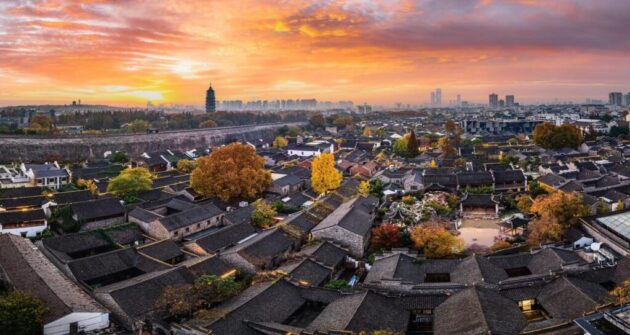
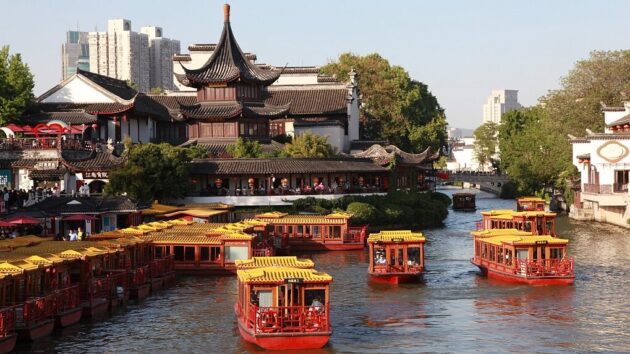
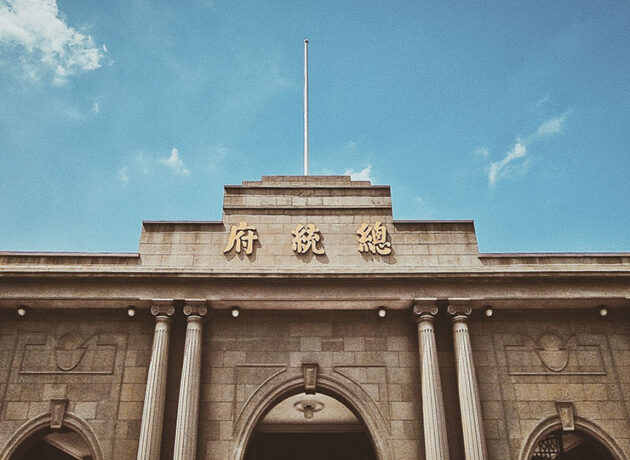
Nanjing, the capital of Jiangsu Province, is one of China’s most historically and culturally significant cities. As a former capital of six dynasties and the Republic of China, Nanjing blends ancient heritage with modern vibrancy. Known for its Ming Dynasty relics, poignant historical sites, and scenic landscapes, the city offers a rich tapestry of experiences for travelers.
Suzhou (苏州)
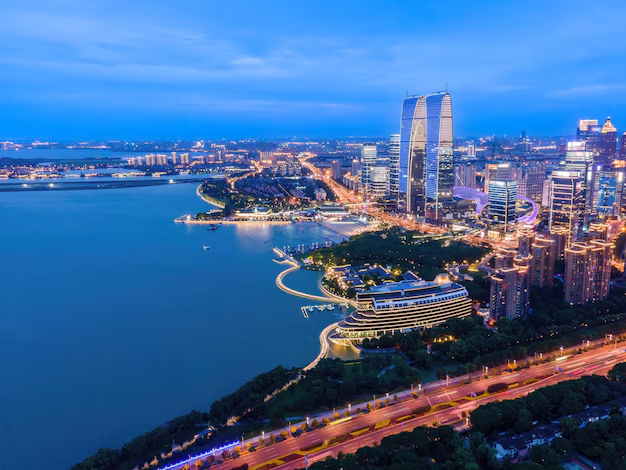
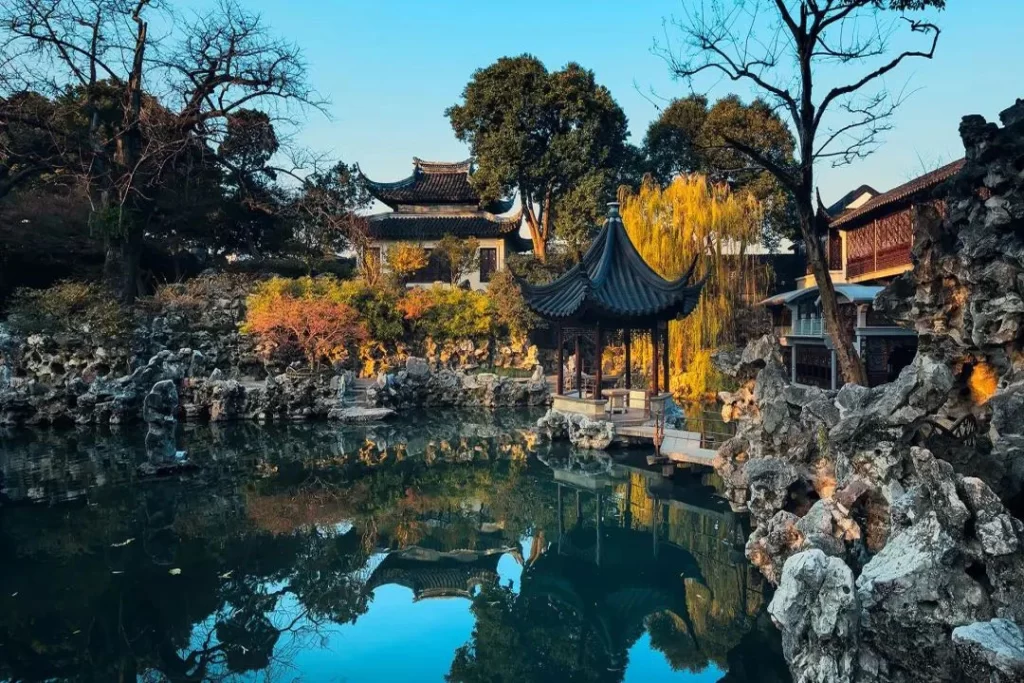
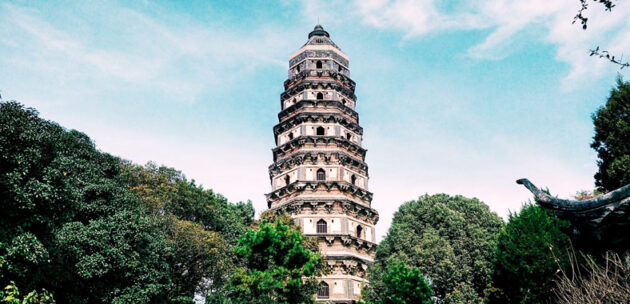
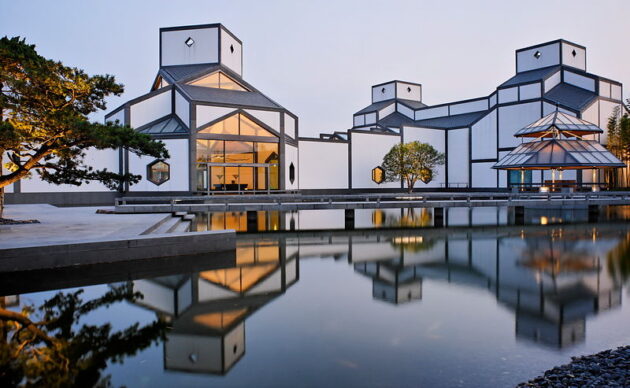
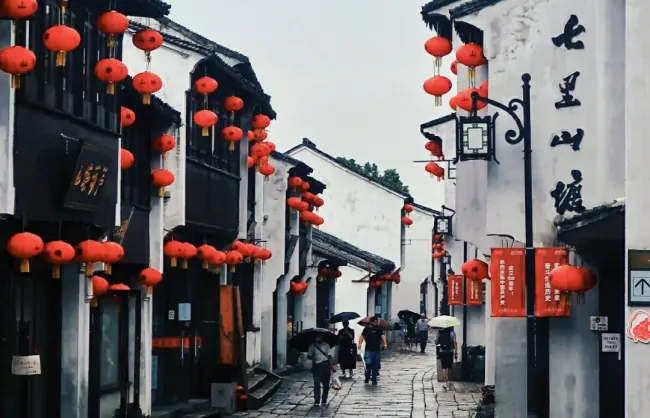
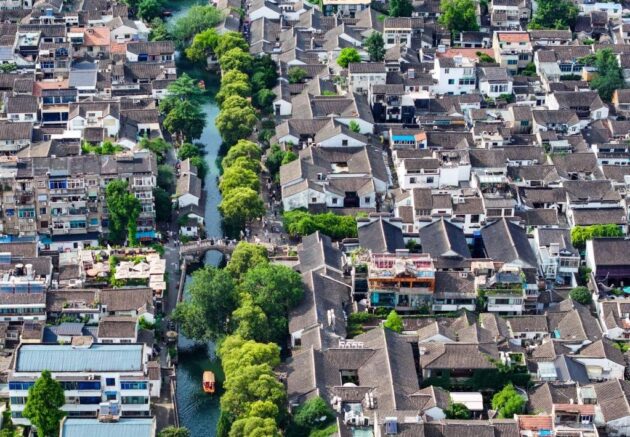
Suzhou is celebrated for its exquisite gardens, which embody the Chinese philosophy of harmony between humans and nature. With over 2,500 years of history, the city blends ancient charm with modern vibrancy. Its canals, stone bridges, and traditional architecture create a picturesque setting, while its proximity to Shanghai makes it an accessible getaway. From exploring the Humble Administrator’s Garden to strolling along Pingjiang Road, Suzhou offers a perfect mix of history, culture, and relaxation.
Top Destinations
The Sun Yat-sen Mausoleum (中山陵)
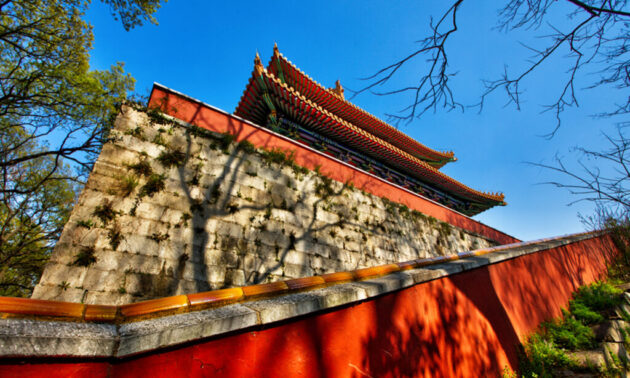
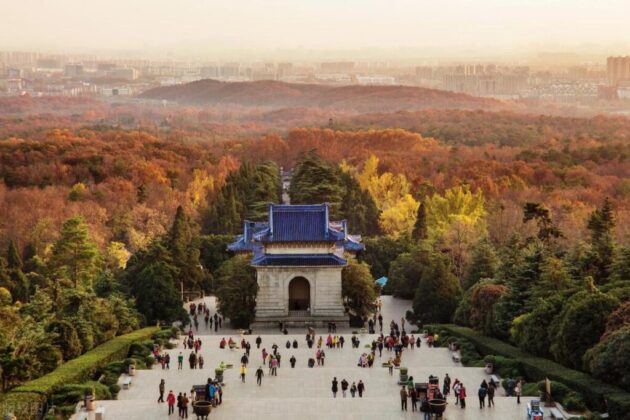
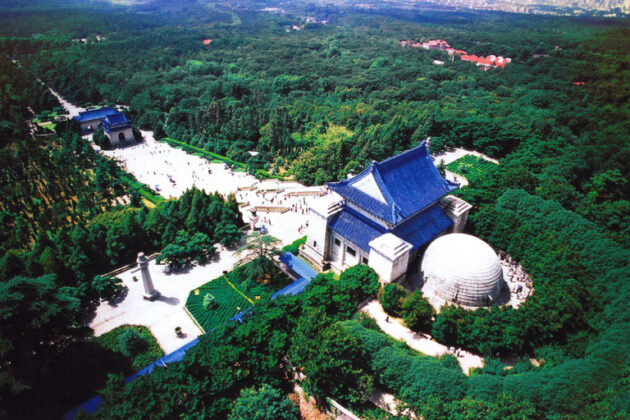
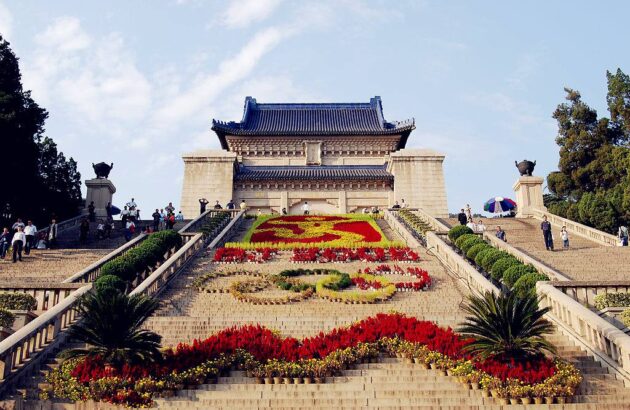
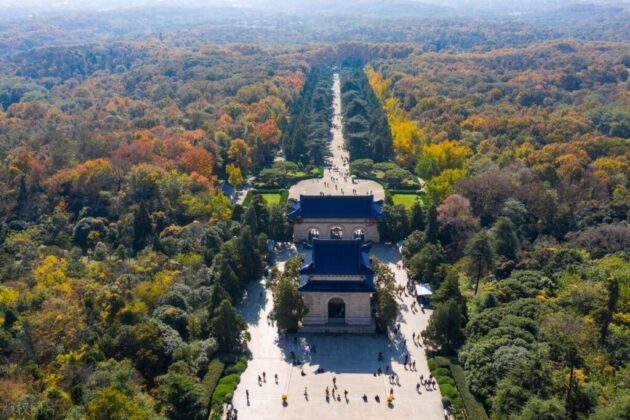
The Sun Yat-sen Mausoleum, located in Nanjing’s scenic Purple Mountain (Zijin Shan) area, is one of China’s most significant historical and cultural landmarks. Dedicated to Dr. Sun Yat-sen, the revered “Father of Modern China” and founder of the Republic of China, this grand mausoleum attracts millions of visitors annually for its historical importance, architectural beauty, and serene surroundings.

Memorial Hall of the Victims in Nanjing Massacre by Japanese Invaders (侵华日军南京大屠杀遇难同胞纪念馆)
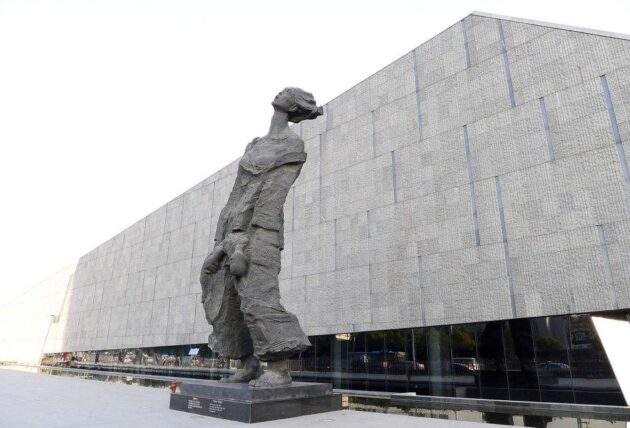
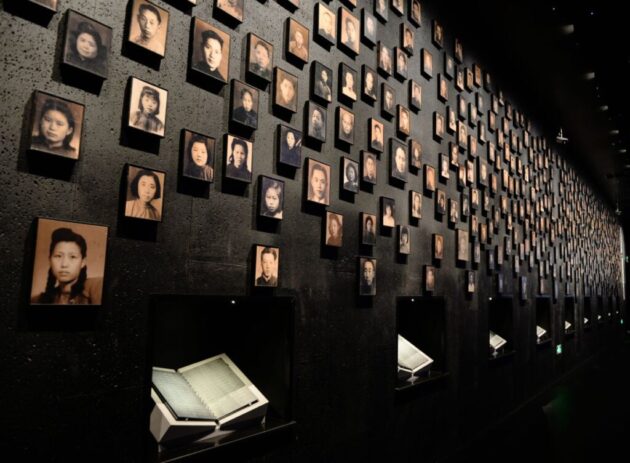
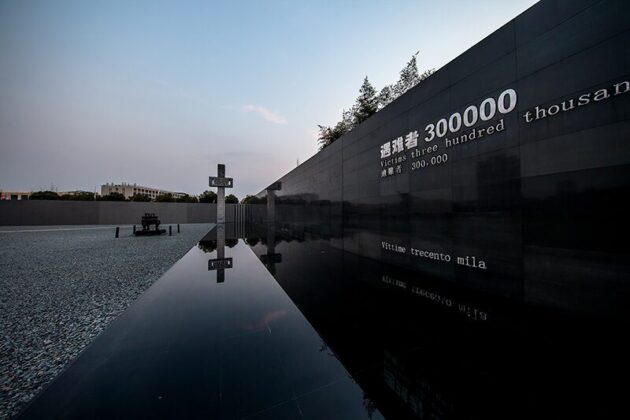
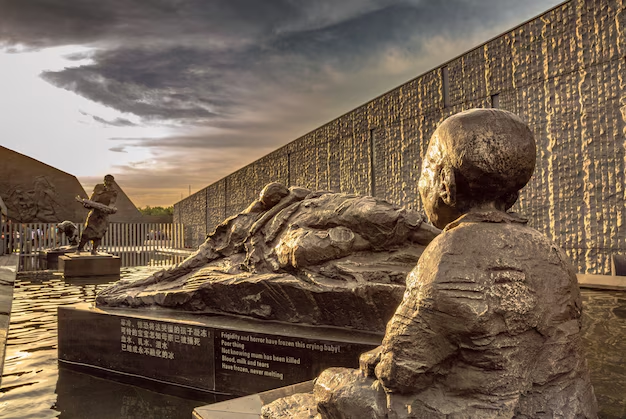
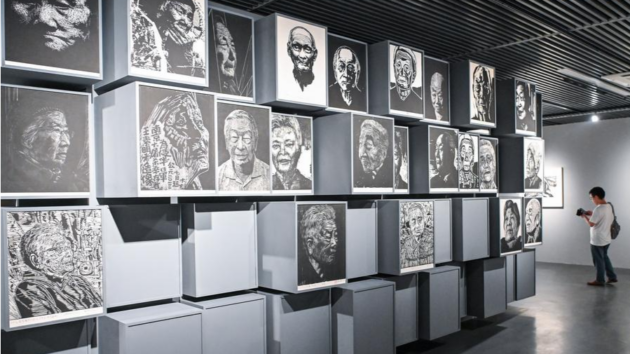
The Memorial Hall of the Victims in Nanjing Massacre by Japanese Invaders, located in Nanjing, Jiangsu Province, China, is a poignant and powerful site dedicated to commemorating the victims of the Nanjing Massacre (1937–1938), a tragic chapter in history where hundreds of thousands of Chinese civilians and soldiers were killed by Japanese forces. Opened in 1985 and expanded in 2007, this museum and memorial serves as both an educational institution and a place for reflection, offering a sobering reminder of the importance of peace.
Nanjing City Wall (南京城墙)
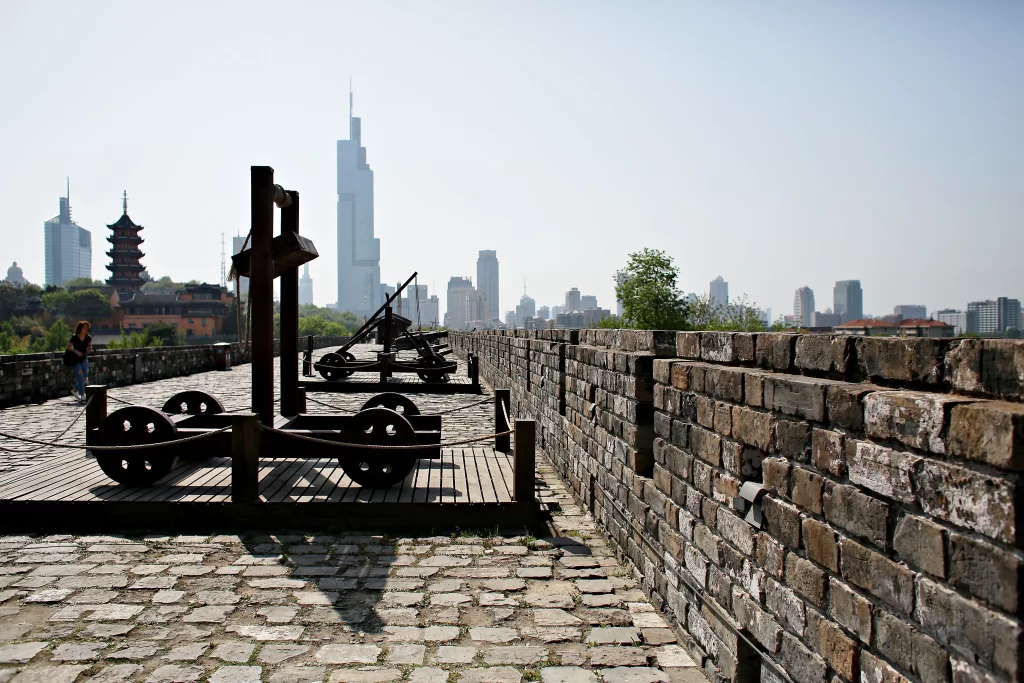
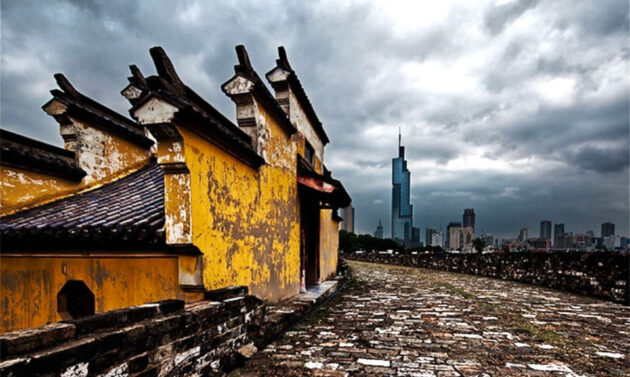
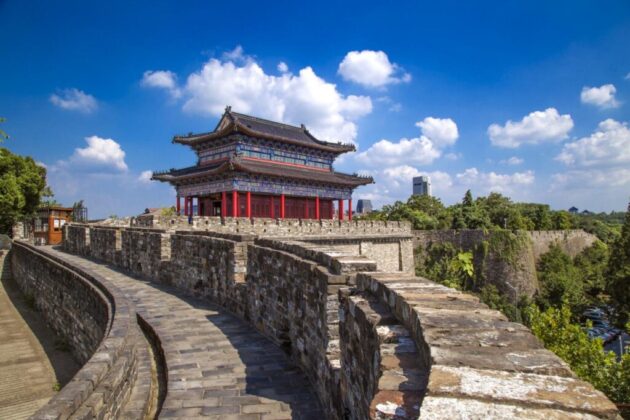
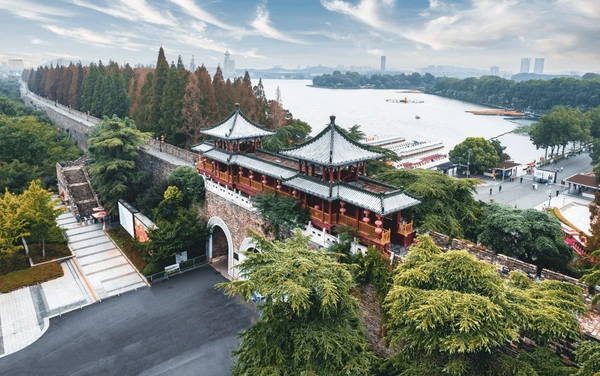
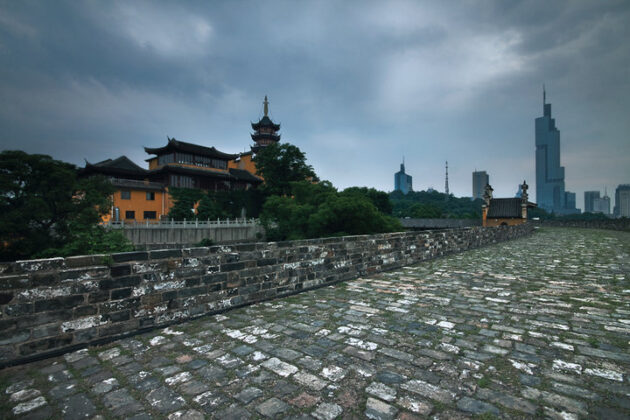
The Nanjing City Wall, a magnificent remnant of China’s imperial past, is one of the best-preserved ancient city walls in the country. Built during the Ming Dynasty (1368–1644) under the orders of Emperor Zhu Yuanzhang, this historic structure once encircled the entire city of Nanjing, stretching over 33 kilometers. Today, about 25 kilometers of the wall remain, offering visitors a chance to step back in time, explore its architectural grandeur, and enjoy panoramic views of Nanjing’s modern skyline.
Nanjing Museum (南京博物馆)
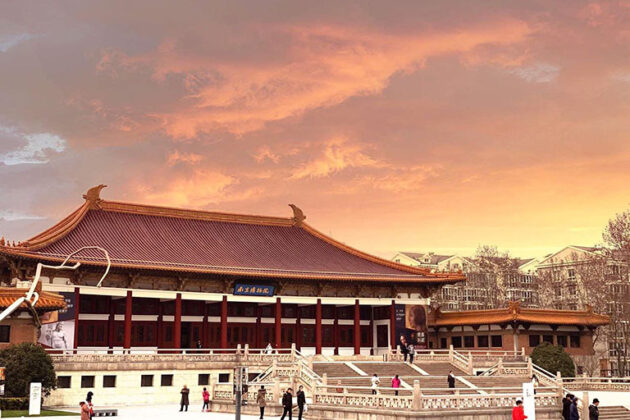
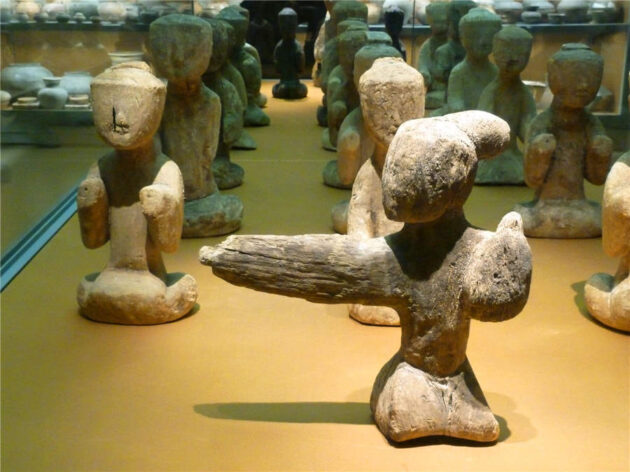
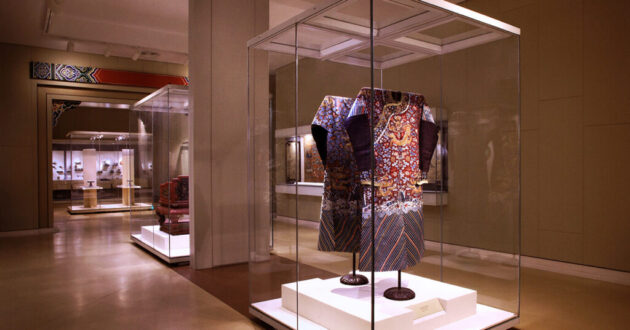
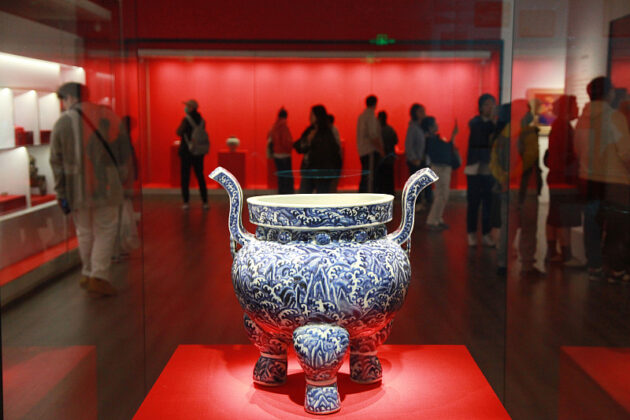
Nanjing, known as China’s “Southern Capital,” is a city steeped in history and culture, having served as the capital for six dynasties. Among its many attractions, the Nanjing Museum stands out as a must-visit destination for travelers interested in exploring the rich heritage of this ancient city. Located at 321 Zhongshan East Road in Xuanwu District, the Nanjing Museum is one of China’s top museums, offering a fascinating journey through thousands of years of history.
Jiming Temple (古鸡鸣寺)
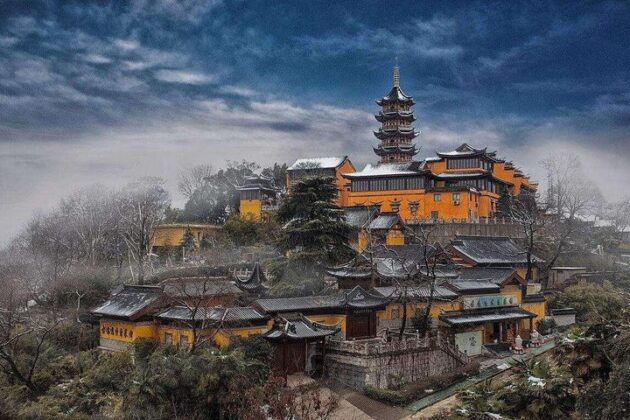
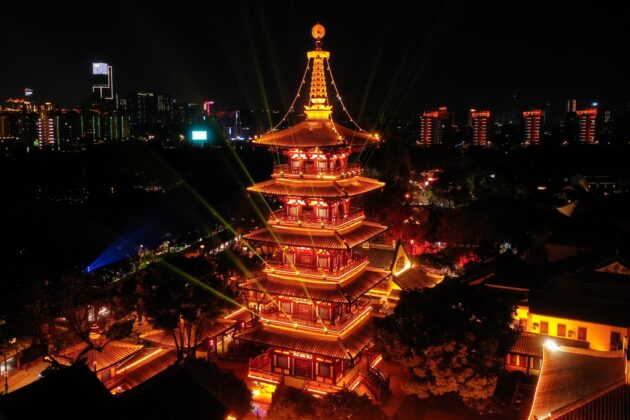
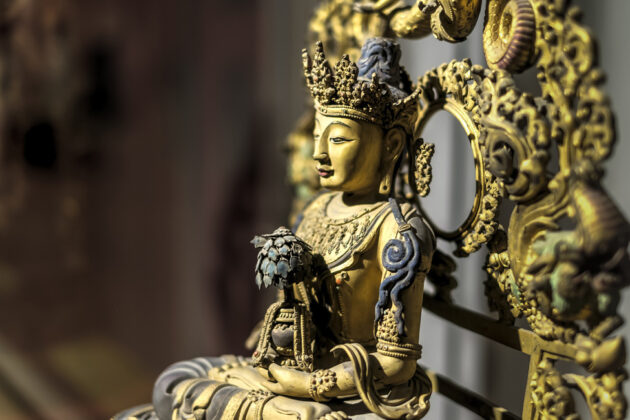
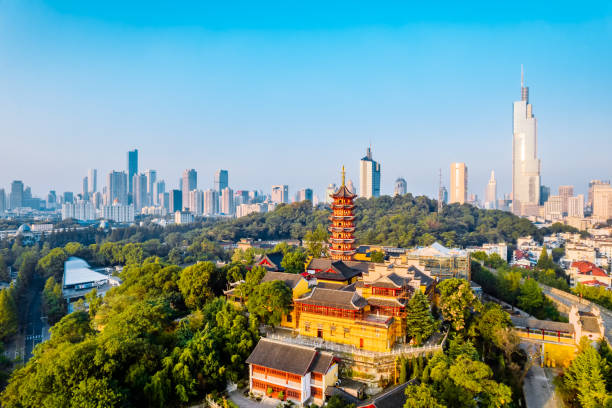
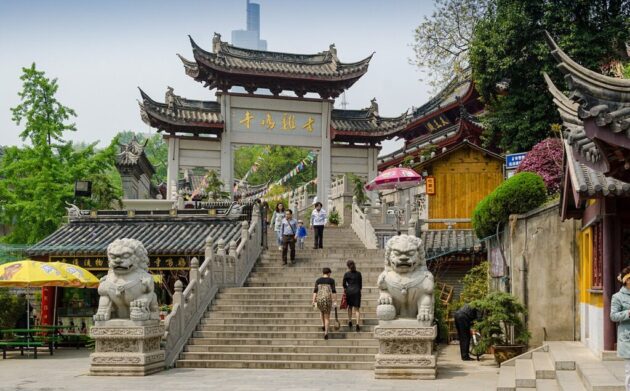
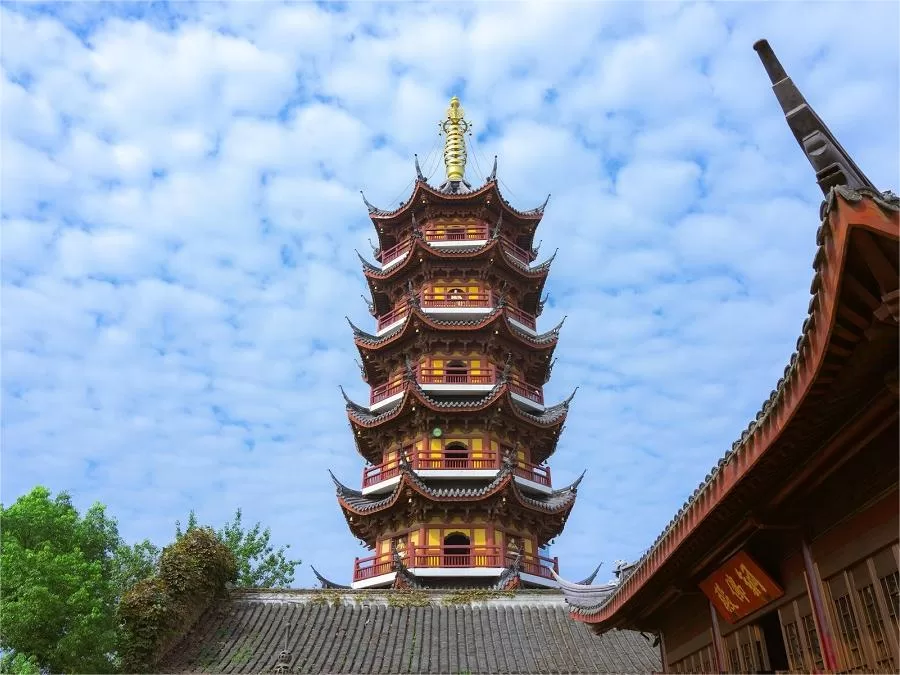
Jiming Temple is not only a place of worship but also a cultural gem that reflects Nanjing’s rich history. Its bright yellow buildings with red trim, tiered layout along Jilong Hill, and the seven-story Bhaisajyaguru Pagoda offer a picturesque setting. The temple is particularly famous for its cherry blossoms in spring, drawing crowds to the pink-lined paths, and its panoramic views of Xuanwu Lake, Purple Mountain, and the Nanjing City Wall.

Humble Administrator Garden (拙政园)
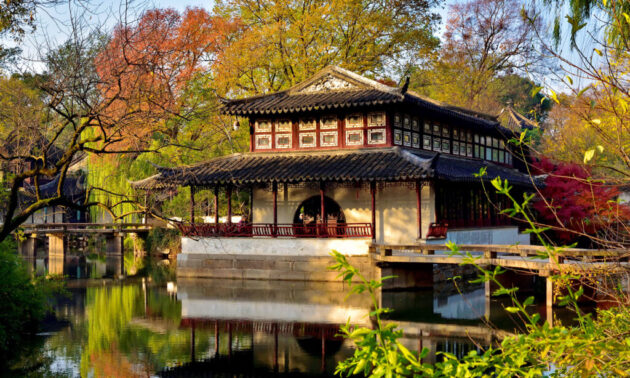
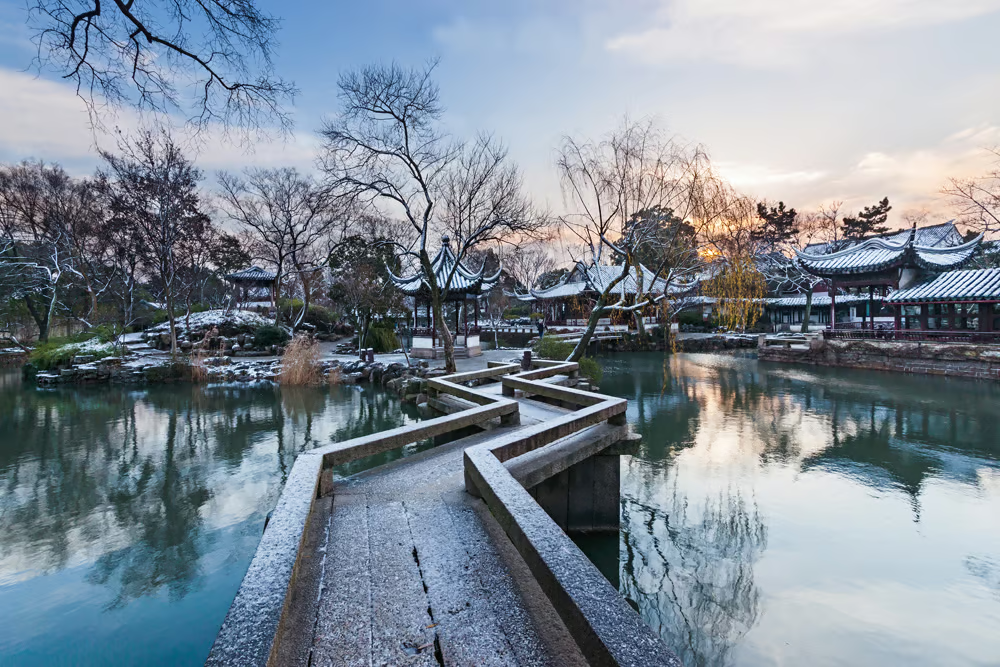
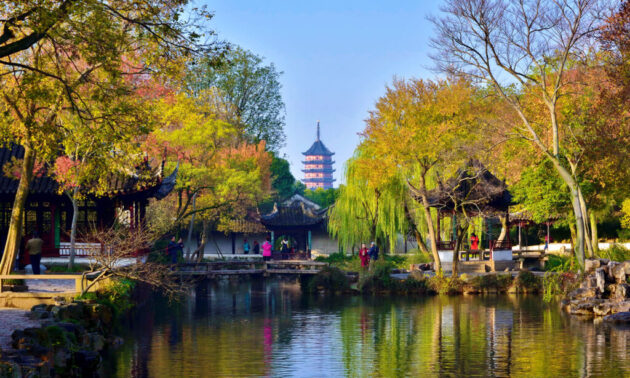
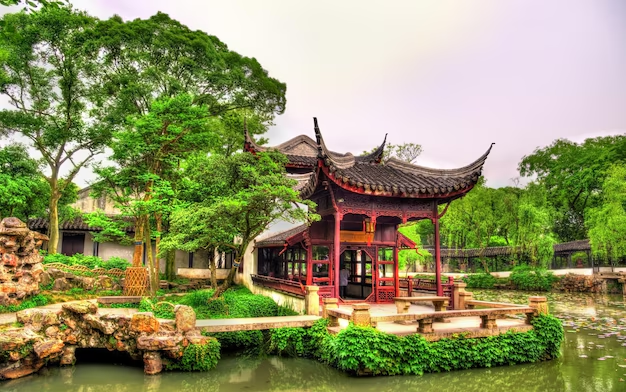
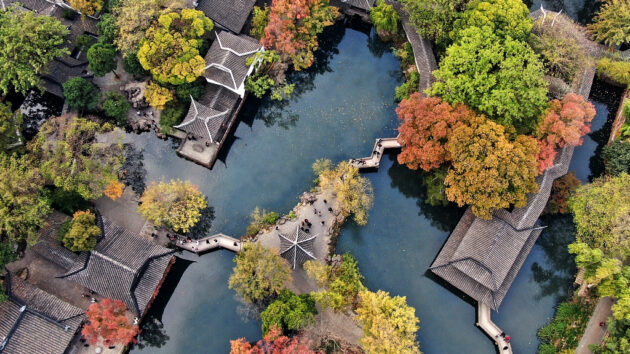
The Humble Administrator’s Garden (Zhuozheng Yuan) in Suzhou, Jiangsu Province, is one of China’s most iconic classical gardens and a UNESCO World Heritage Site. Spanning 5.2 hectares, this 500-year-old masterpiece of Ming Dynasty landscape design is renowned for its elegant pavilions, serene ponds, and intricate balance of natural and architectural beauty. As one of the four most famous gardens in China, alongside Suzhou’s Lingering Garden, Beijing’s Summer Palace, and Chengde’s Mountain Resort, it’s a must-visit for travelers seeking to experience the essence of traditional Chinese aesthetics.
Pingjiang Road (平江路)
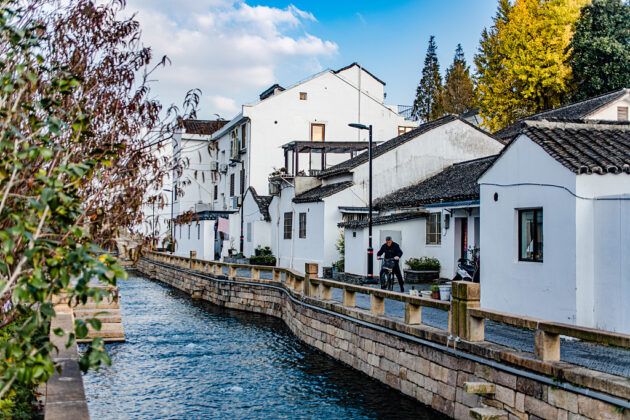
Pingjiang Road (平江路) in Suzhou, often referred to as the “Venice of the East,” is a must-visit destination for travelers seeking a blend of history, culture, and serene beauty. This historic street, located in the Gusu District, stretches approximately 1.6 kilometers along a picturesque canal and offers an authentic glimpse into Suzhou’s ancient charm. Dating back over 800 years to the Song Dynasty, Pingjiang Road remains one of the best-preserved areas of the old city, making it an ideal spot for a leisurely day trip or an evening stroll.
Zhouzhuang Town (周庄)
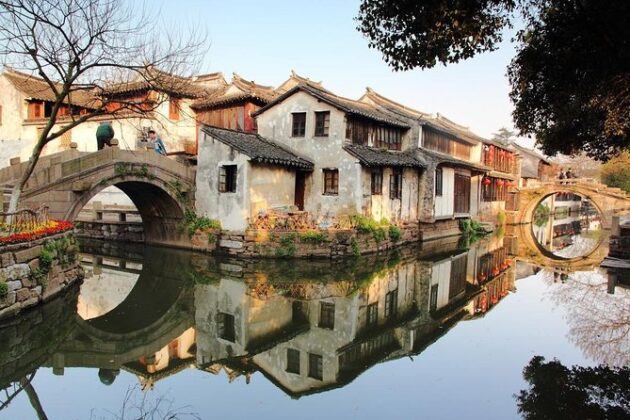
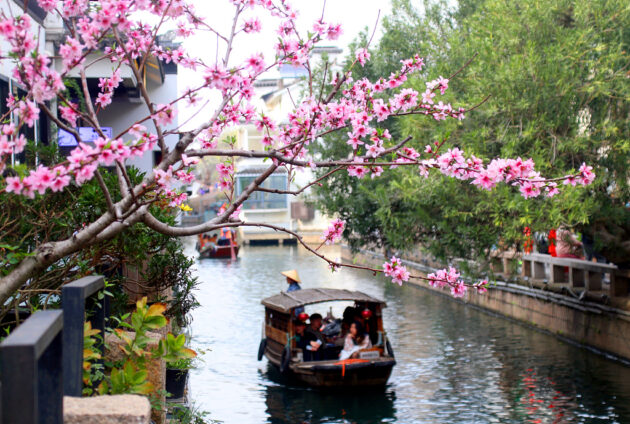
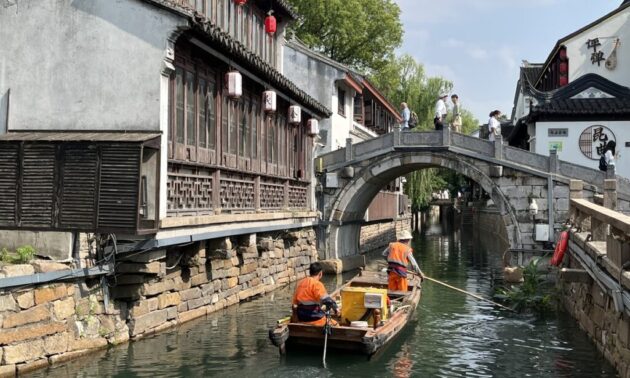
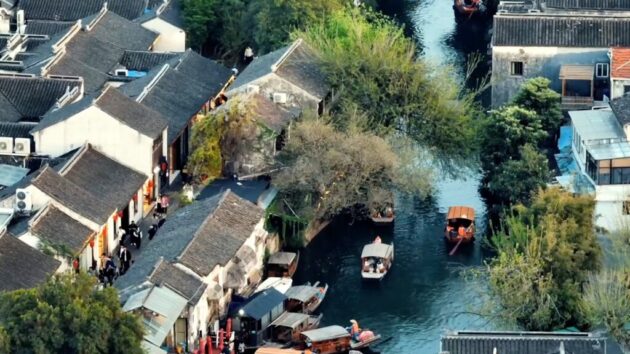
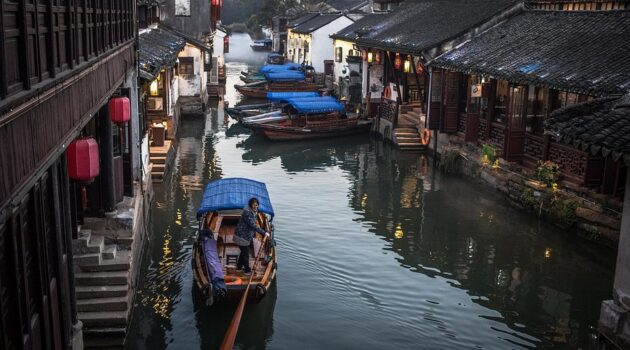
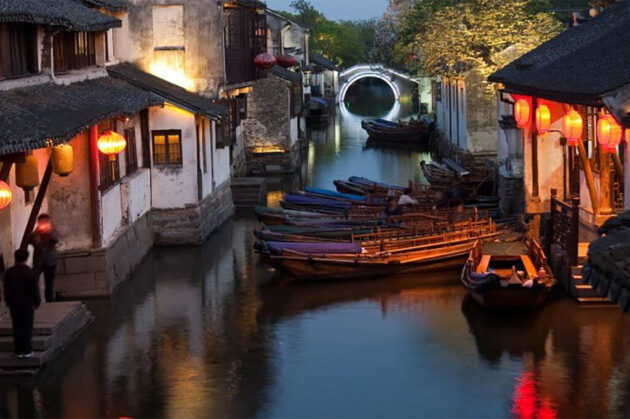
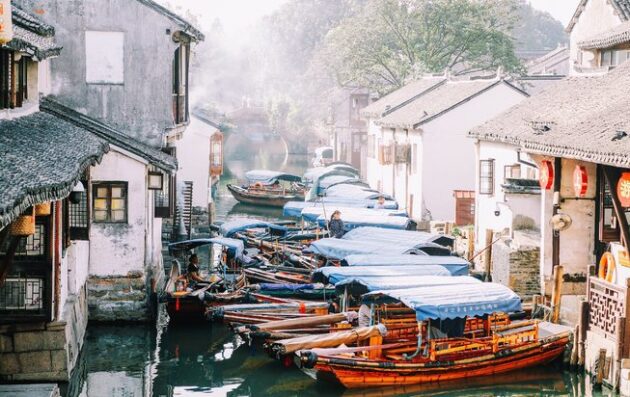
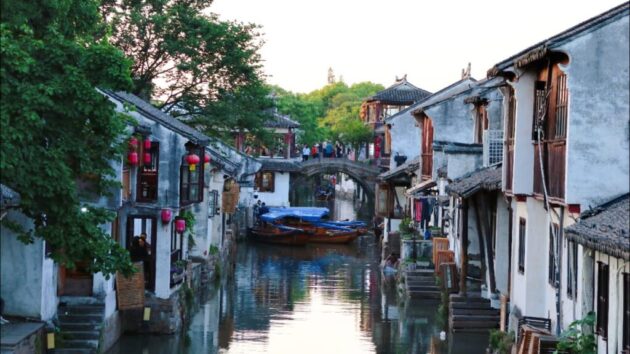
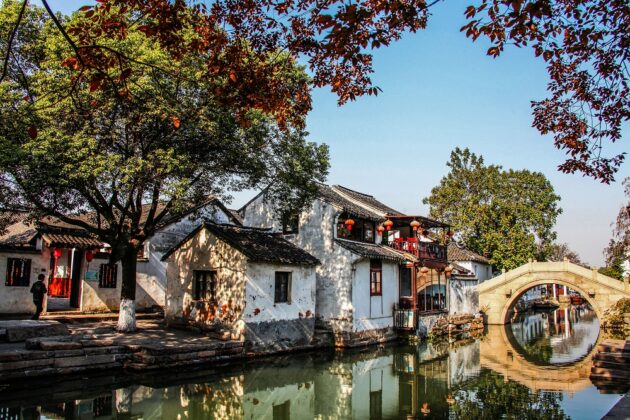
Nestled in Jiangsu Province, Zhouzhuang Water Town is often hailed as the “No. 1 Water Town in China” and dubbed the “Venice of the East.” Located just 30 kilometers southeast of Suzhou and 70 kilometers from Shanghai, this ancient town, with over 900 years of history, captivates visitors with its picturesque canals, stone bridges, and well-preserved Ming and Qing Dynasty architecture. Whether you’re drawn to its serene waterways, historic residences, or vibrant cultural heritage, Zhouzhuang offers a tranquil escape into traditional Chinese life.
Yuantouzhu Scenic Area (鼋头渚)
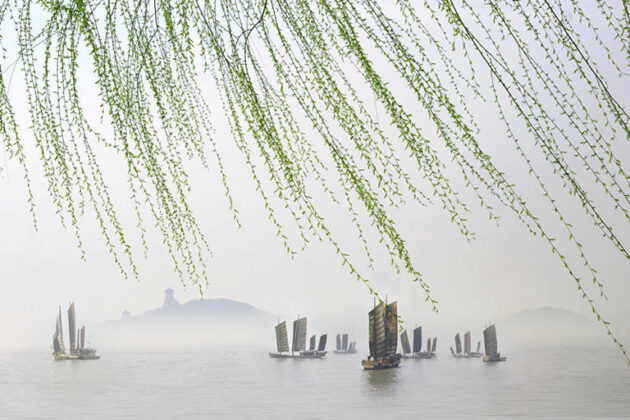
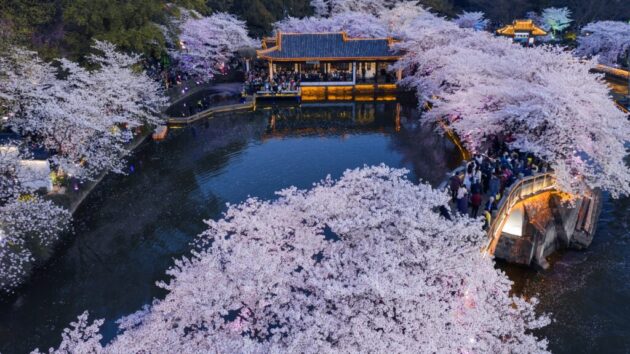
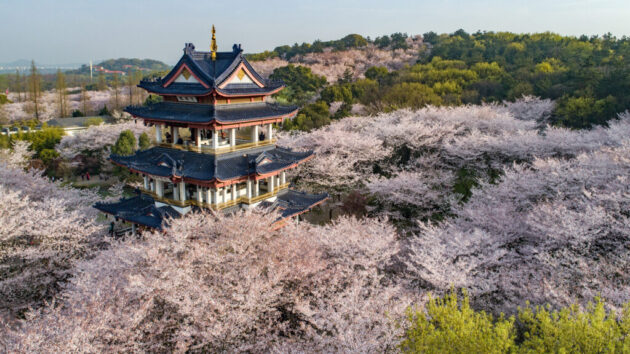
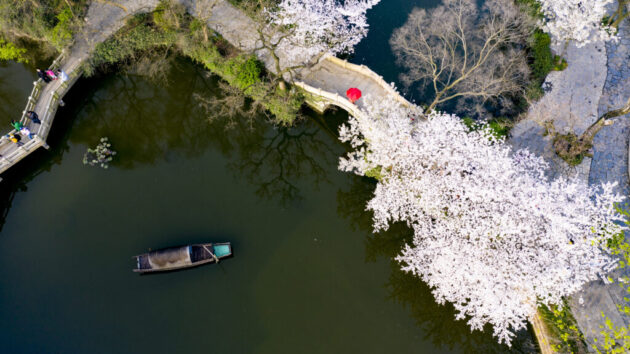
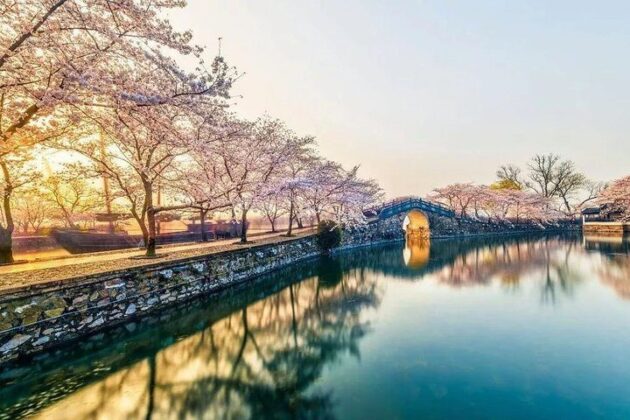
Yuantouzhu is a highlight of Wuxi tourism, famous for its blend of natural splendor and cultural heritage. It’s one of the world’s top three cherry blossom destinations, alongside Hirosaki Park (Japan) and Washington, D.C. (USA), with over 30,000 cherry trees creating a sea of pink and white in spring. The area also features Taihu Fairy Island, traditional Jiangnan-style gardens, and historic sites like Hengyun Villa and Guangfu Temple. As part of Taihu Lake, China’s third-largest freshwater lake, Yuantouzhu offers a serene escape with scenic boat rides and panoramic views, making it ideal for nature lovers, photographers, and families.
Slender West Lake (瘦西湖)
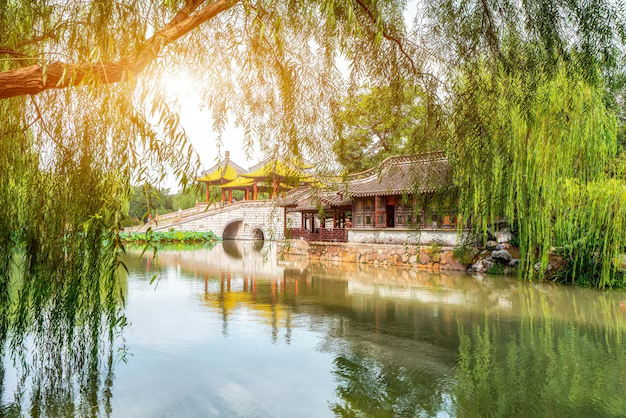
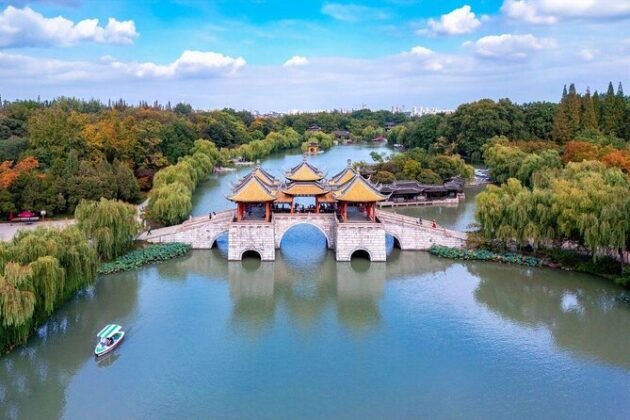
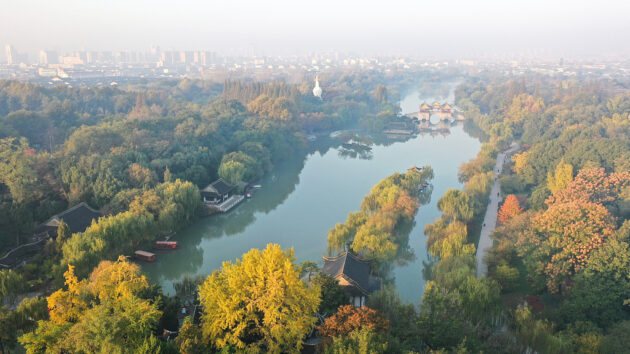
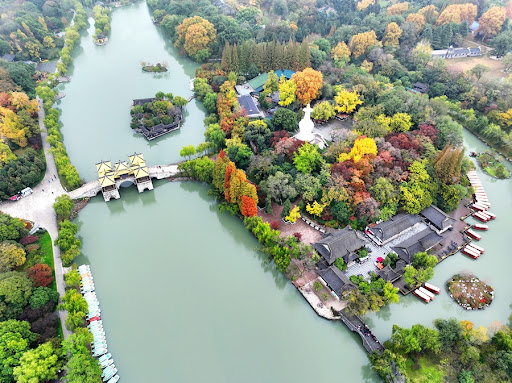
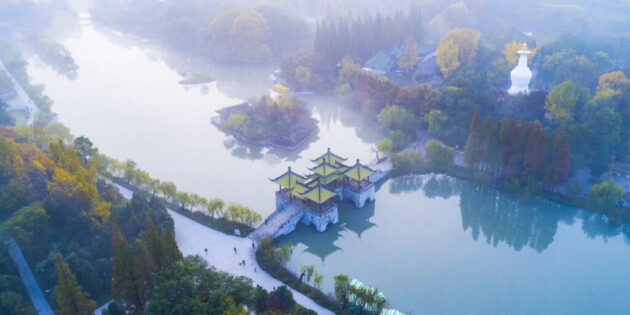
Slender West Lake (Shouxi Hu, 瘦西湖), located in the northern suburbs of Yangzhou, Jiangsu Province, is a UNESCO World Heritage Site and a national AAAAA-level scenic area renowned for its poetic beauty, meandering waterways, and classical Chinese gardens. Stretching 4.3 kilometers, this narrow, ribbon-like lake is celebrated for its delicate charm, historic pavilions, and cultural significance, often compared to Hangzhou’s West Lake but with a more intimate and refined aesthetic.
Where to Eat
Su Cuisine: One of China’s eight major cuisines, known for its delicate flavors and slight sweetness. Try brine duck (yanshui ya) in Nanjing, squirrel-shaped mandarin fish in Suzhou, or Yangzhou fried rice in Yangzhou.
Local Eateries: Nanjing’s Fuzimiao area and Suzhou’s Shantang Street offer vibrant food streets with dishes like dumplings, noodles, and lion’s head meatballs (¥10–50 per dish). Fine Dining: In Nanjing, try Jinling Hotel for upscale Su Cuisine. In Suzhou, Songhelou Restaurant is famous for traditional dishes (¥100–200 per person).
Tip: Bring a translation app (e.g., Pleco) for menus, as English may be limited outside major restaurants.
Tips for a Great Visit
Language: English is limited outside major attractions. Use translation apps or join guided tours for ease. Transportation: Jiangsu’s high-speed trains are the most efficient way to travel between cities. Within cities, use metro systems (Nanjing, Suzhou) or Didi for taxis (¥10–30 per ride).
Crowds: Book tickets for popular sites like Humble Administrator’s Garden or Nanjing Museum in advance via WeChat or Ctrip to avoid queues. Cultural Etiquette: Respect temple rules (e.g., no loud noises), and avoid littering in gardens and water towns.
Connectivity: Get a VPN for accessing restricted websites and an eSIM for data. Trip.com is useful for booking trains and hotels. Combine with Nearby Cities: Jiangsu pairs well with Shanghai, Hangzhou, or Huangshan for a broader East China adventure.
Final Thoughts
Jiangsu is a province where China’s past and present converge. From the elegant gardens of Suzhou to the historic grandeur of Nanjing and the serene lakes of Wuxi, it offers a rich tapestry of experiences. Whether you’re cruising along a canal in Zhouzhuang, climbing the steps to Sun Yat-sen’s Mausoleum, or savoring Su Cuisine, Jiangsu promises a journey filled with beauty and discovery. Plan your trip around the seasons, embrace the local culture, and let Jiangsu’s charm captivate you.
Happy travels!