
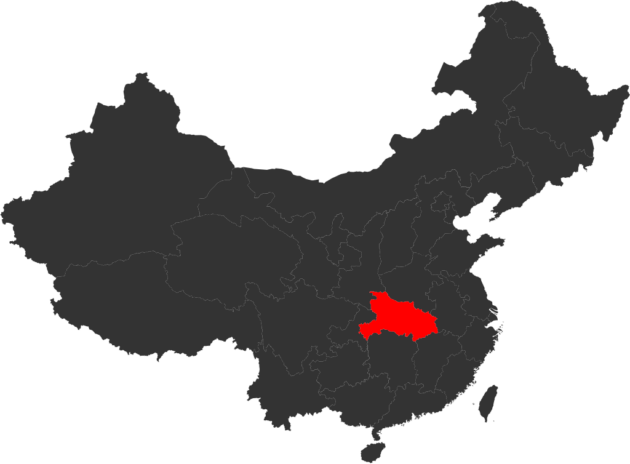
As a seasoned traveler, I’ve roamed many corners of the globe, but Hubei Province in central China stands out as a destination that blends natural beauty, rich history, and vibrant culture into an unforgettable experience. Nestled along the middle reaches of the Yangtze River, Hubei offers everything from serene landscapes to bustling cities. Here’s my guide to making the most of your trip to this underrated gem, based on my own explorations.
A Traveler’s Guide to Hubei
Why Visit Hubei?
Hubei is often overlooked by travelers rushing to Beijing or Shanghai, but its central location makes it a perfect hub for discovering China’s diverse offerings. The province is home to the majestic Three Gorges, the sacred Wudang Mountains, and the dynamic capital of Wuhan. Whether you’re drawn to ancient history, outdoor adventures, or culinary delights, Hubei has something to captivate you.
Best Time to Visit
Spring (March to May) and autumn (September to November) are ideal for visiting Hubei. The weather is mild, with temperatures ranging from 15–25°C (59–77°F), perfect for sightseeing and hiking. Summers can be scorching and humid, especially in Wuhan—known as one of China’s “furnace cities”—while winters are chilly and damp, though rarely snowy.
Getting There and Around
Wuhan, the provincial capital, is your gateway to Hubei. The Wuhan Tianhe International Airport connects to major cities worldwide, and the city’s high-speed rail network links it to Beijing (4–6 hours), Shanghai (4–5 hours), and beyond. Within Hubei, bullet trains are the fastest way to travel between cities like Yichang and Shiyan. Local buses and taxis are affordable and reliable, though renting a car can give you more flexibility for rural adventures.
Major Cities
Wuhan (武汉) ★★
As a seasoned traveler, I’ve explored countless destinations, but Wuhan, the vibrant capital of Hubei Province in central China, stands out for its unique blend of history, modernity, and natural beauty. Situated at the confluence of the Yangtze and Han Rivers, Wuhan is a dynamic city that offers something for every type of adventurer—whether you’re drawn to cultural landmarks, scenic landscapes, or mouthwatering cuisine.


Must-Visit Attractions
Yellow Crane Tower (黄鹤楼) ★★★
Perched atop Snake Hill, this iconic tower is Wuhan’s most famous landmark. Rebuilt in 1981, it echoes a history dating back to 223 AD. Climb to the top for panoramic views of the sprawling city and the Yangtze River. The surrounding park, dotted with pavilions and poetic inscriptions, adds a serene touch to the visit.


Enshi Grand Canyon (恩施大峡谷) ★★★
As a seasoned traveler, I’ve explored countless destinations, but few have left me as awestruck as the Enshi Grand Canyon in Hubei Province, China. Often dubbed the “Colorado of the East,” this natural wonder offers breathtaking landscapes, thrilling adventures, and a glimpse into the rich Tujia and Miao cultures.


Three Gorges Dam (三峡大坝) ★★★
As a seasoned traveler with a passion for unique destinations, I can confidently say that the Three Gorges Dam in China is a must-visit for anyone intrigued by engineering marvels, natural beauty, and cultural depth. Located on the Yangtze River near Sandouping in Yichang, Hubei Province, this colossal structure is the world’s largest hydroelectric dam, blending modern ingenuity with the stunning landscapes of the Three Gorges region.


Wudang Mountains (武当山) ★★★
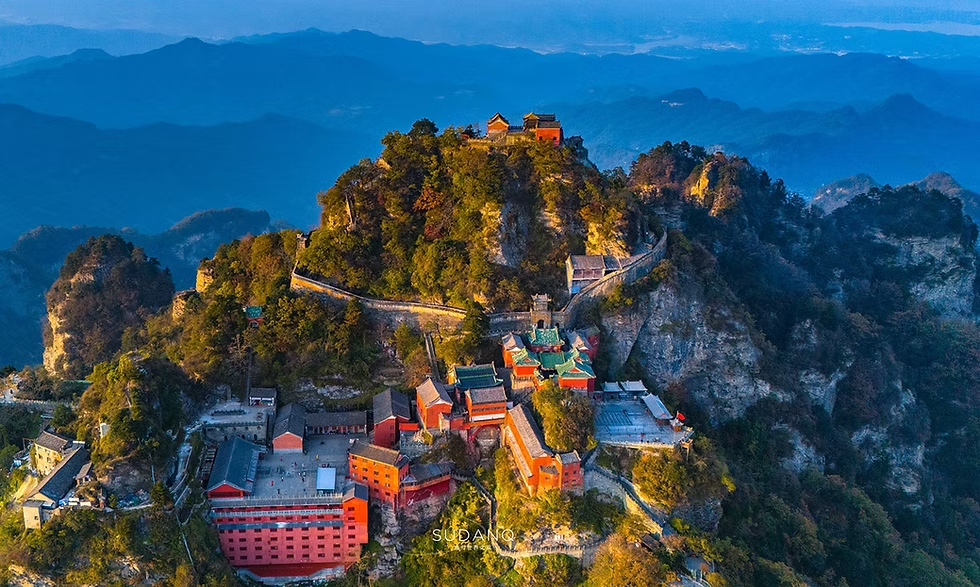
In northwest Hubei, the Wudang Mountains are a pilgrimage site for Taoists and martial arts enthusiasts. The ancient temples, like the Golden Palace perched atop the peaks, exude tranquility. Hike the trails (or take the cable car) to soak in the misty vistas and watch Tai Chi practitioners in action. It’s a 2–3 day detour from Wuhan, but worth every moment for its serene beauty.



Tenglong Cave (腾龙洞) ★★
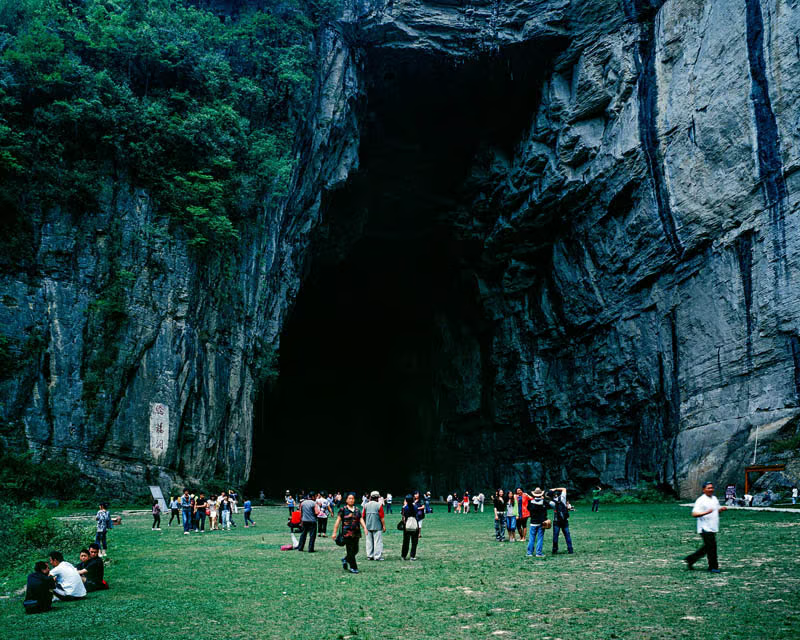
Tenglong Cave, located just 6.8 kilometers from Lichuan City in Hubei Province, China, is a breathtaking natural wonder renowned as one of the longest karst cave systems in the world. With a total length of 59.8 kilometers and a sprawling area exceeding 2 million square meters, this cave offers a mesmerizing blend of majestic landscapes, serene beauty, and cultural experiences.



Food to Savor
Hubei’s cuisine is bold and flavorful. Beyond Wuhan’s hot dry noodles, try steamed Wuchang fish, a tender Yangtze catch seasoned with ginger and scallions. Lotus root soup, a local comfort food, reflects the province’s “land of lakes” nickname. Snack on grilled skewers in Wuhan’s night markets or sip tea in a traditional teahouse for a taste of local life.
Practical Tips
Language: Mandarin is the main language; English is limited outside Wuhan. Learn basic phrases or use a translation app.
Currency: Carry cash (CNY) for small vendors, though mobile payments like WeChat Pay are widespread.
Packing: Comfortable shoes for hiking, layers for unpredictable weather, and a raincoat for sudden showers.
Crowds: Avoid Chinese national holidays (e.g., October 1st) when sites get packed.
Final Thoughts
Hubei is a province that rewards the curious traveler. It’s not as polished as China’s coastal giants, but that’s its charm—raw, authentic, and brimming with stories. Whether you’re gazing at the Yangtze from a cruise deck, meditating in a Taoist temple, or slurping noodles by the roadside, Hubei offers a journey that lingers long after you’ve left. Pack your sense of adventure and dive into the heart of China—you won’t regret it.


Leave a Reply