


A Travel Guide to Nanjing
Nanjing, the capital of Jiangsu Province, is one of China’s most historically and culturally significant cities. As a former capital of six dynasties and the Republic of China, Nanjing blends ancient heritage with modern vibrancy. Known for its Ming Dynasty relics, poignant historical sites, and scenic landscapes, the city offers a rich tapestry of experiences for travelers. From the majestic Purple Mountain to the somber Nanjing Massacre Memorial, this guide will help you plan an unforgettable trip to Nanjing.
Why Visit Nanjing?
Nanjing is a city where history whispers in every corner. It served as the capital during the Ming Dynasty (1368–1644) and the Republic of China (1912–1949), leaving behind treasures like the Ming Xiaoling Mausoleum and the Sun Yat-sen Mausoleum. The city’s tree-lined boulevards, vibrant food scene, and scenic spots like Xuanwu Lake make it a perfect blend of culture, history, and natural beauty. Whether you’re a history buff, a foodie, or a nature lover, Nanjing offers something for everyone.
How to Get There
Nanjing is well-connected to major cities in China and internationally, making it easily accessible:
By Air: Nanjing Lukou International Airport (NKG) serves domestic and select international flights. It’s about 40 km from the city center (45-minute drive). Major airlines like China Eastern and Air China connect Nanjing to Beijing (2 hours), Shanghai (1 hour), and international hubs like Singapore and Seoul. Airport shuttles (¥20–30) and taxis (¥100–150) provide easy access to downtown. The metro (Line S1) is a budget-friendly option, taking about 35 minutes to reach Nanjing South Railway Station (¥7).
By Train: Nanjing is a major high-speed rail hub. Nanjing South Railway Station connects to Beijing (3.5–4 hours, ¥450–550), Shanghai (1–1.5 hours, ¥140–200), and Hangzhou (1 hour, ¥100–150). Tickets can be booked via Ctrip or at stations. Book in advance during peak seasons (e.g., Chinese New Year or National Day).
By Bus: Long-distance buses from Shanghai, Hangzhou, or Suzhou are affordable (¥50–100) but slower than trains. Buses arrive at Nanjing Central Bus Station, near the city center.
Within Nanjing: The Nanjing Metro is efficient, with 10 lines covering major attractions (¥2–7 per ride). Taxis and Didi rides are widely available (¥10–30 for short trips). Bike-sharing apps like Mobike are great for short distances.
Best Time to Visit
Spring (March–May): Mild weather (15–25°C) and blooming plum and cherry blossoms at Purple Mountain and Ming Xiaoling make this the most scenic time. Autumn (September–November): Cool temperatures (10–20°C) and vibrant foliage create ideal conditions for sightseeing.
Summer (June–August): Hot and humid (up to 35°C), but indoor attractions like museums are comfortable. Bring sunscreen and stay hydrated. Winter (December–February): Cold (0–10°C) with fewer crowds, ideal for visiting historical sites like the Nanjing Massacre Memorial.
Tip: Avoid major holidays like National Day (October 1–7) and Chinese New Year to escape crowds and higher prices.
Top Attractions
The Sun Yat-sen Mausoleum (中山陵)
The Sun Yat-sen Mausoleum, located in Nanjing’s scenic Purple Mountain (Zijin Shan) area, is one of China’s most significant historical and cultural landmarks. Dedicated to Dr. Sun Yat-sen, the revered “Father of Modern China” and founder of the Republic of China, this grand mausoleum attracts millions of visitors annually for its historical importance, architectural beauty, and serene surroundings.


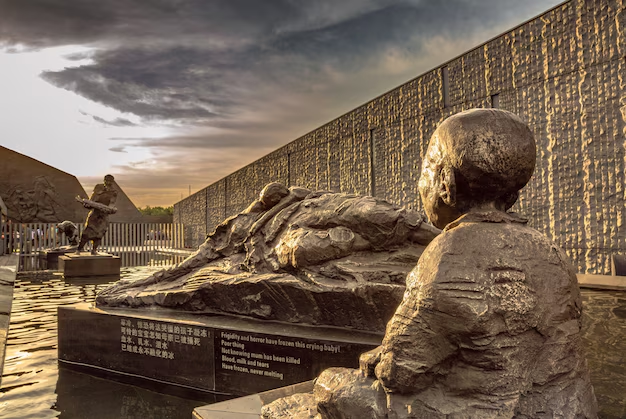
Memorial Hall of the Victims in Nanjing Massacre by Japanese Invaders (侵华日军南京大屠杀遇难同胞纪念馆)
The Memorial Hall of the Victims in Nanjing Massacre by Japanese Invaders, located in Nanjing, Jiangsu Province, China, is a poignant and powerful site dedicated to commemorating the victims of the Nanjing Massacre (1937–1938), a tragic chapter in history where hundreds of thousands of Chinese civilians and soldiers were killed by Japanese forces. Opened in 1985 and expanded in 2007, this museum and memorial serves as both an educational institution and a place for reflection, offering a sobering reminder of the importance of peace.



Nanjing City Wall (南京城墙)
The Nanjing City Wall, a magnificent remnant of China’s imperial past, is one of the best-preserved ancient city walls in the country. Built during the Ming Dynasty (1368–1644) under the orders of Emperor Zhu Yuanzhang, this historic structure once encircled the entire city of Nanjing, stretching over 33 kilometers. Today, about 25 kilometers of the wall remain, offering visitors a chance to step back in time, explore its architectural grandeur, and enjoy panoramic views of Nanjing’s modern skyline.


Nanjing Museum (南京博物馆)
Nanjing, known as China’s “Southern Capital,” is a city steeped in history and culture, having served as the capital for six dynasties. Among its many attractions, the Nanjing Museum stands out as a must-visit destination for travelers interested in exploring the rich heritage of this ancient city. Located at 321 Zhongshan East Road in Xuanwu District, the Nanjing Museum is one of China’s top museums, offering a fascinating journey through thousands of years of history.


Jiming Temple (古鸡鸣寺)
Jiming Temple is not only a place of worship but also a cultural gem that reflects Nanjing’s rich history. Its bright yellow buildings with red trim, tiered layout along Jilong Hill, and the seven-story Bhaisajyaguru Pagoda offer a picturesque setting. The temple is particularly famous for its cherry blossoms in spring, drawing crowds to the pink-lined paths, and its panoramic views of Xuanwu Lake, Purple Mountain, and the Nanjing City Wall.


Ming Xiaoling Mausoleum (明孝陵)
Nestled at the foot of Purple Mountain (Zijin Shan) in Nanjing, China, the Ming Xiaoling Mausoleum is a must-visit historical site that offers a deep dive into the grandeur of the Ming Dynasty. As the final resting place of Zhu Yuanzhang, the founding emperor of the Ming Dynasty (also known as the Hongwu Emperor), and his empress, Ma, this UNESCO World Heritage Site blends stunning architecture, serene landscapes, and centuries of history.


Presidential Palace of Nanjing (总统府)
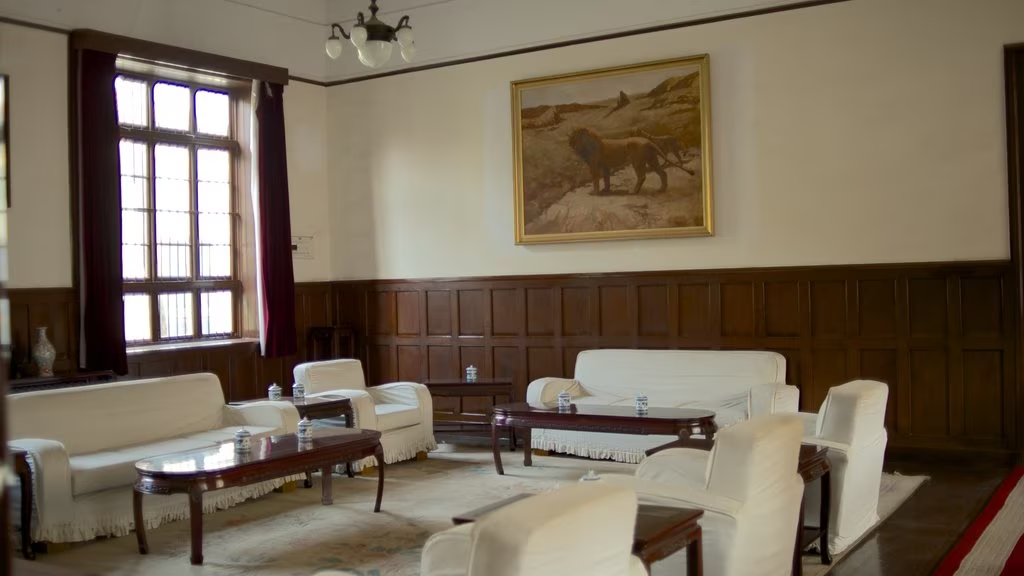
The Presidential Palace of Nanjing, located at No. 292 Changjiang Road in the Xuanwu District, is one of the city’s most significant historical landmarks. Once the seat of power for the Republic of China from 1927 until 1949, it now serves as the China Modern History Museum, offering a fascinating glimpse into China’s tumultuous modern past. With over 600 years of history, stunning architecture, and beautifully preserved gardens, this site is a must-visit for history enthusiasts and travelers alike.


Where to Eat
Nanjing’s cuisine is part of the Jiangsu (Su) culinary tradition, known for delicate flavors and fresh ingredients. Must-try dishes include: Salted Duck (Yánshuǐ yā): Nanjing’s signature dish, tender and flavorful. Pork Dumplings (Tāngbāo): Thin-skinned dumplings filled with hot broth. Duck Blood Soup (Yāxuè fěnsī tāng): A local specialty with vermicelli and tofu.
Dining Options: Fuzimiao Area: Bustling with street food stalls and restaurants like Qinhuai Renjia for traditional Nanjing dishes (¥50–100 per person). Xinjieko: A modern shopping district with chains like Din Tai Fung (dumplings) and local eateries (¥30–80 per person). Local Markets: Try Shiziqiao Food Street for affordable street food like stinky tofu and grilled skewers (¥10–30). Tip: Bring cash for street vendors, as some may not accept mobile payments from foreigners.
Where to Stay
Nanjing offers accommodations for all budgets, with most hotels concentrated in Xinjiekou and near major attractions:
Luxury: The Ritz-Carlton Nanjing (Xinjiekou): Central location, modern amenities, ¥1,200–2,000/night. Fairmont Nanjing (Hexi District): Elegant with lake views, ¥800–1,500/night.
Mid-Range: Holiday Inn Nanjing Aqua City (near Fuzimiao): Comfortable and convenient, ¥400–700/night. Jinling Hotel (Xinjiekou): A Nanjing institution with great value, ¥350–600/night.
Budget: HI Hostel Nanjing (near Confucius Temple): Clean dorms and private rooms, ¥80–200/night. 7 Days Inn (multiple locations): Affordable chain hotels, ¥150–300/night.
Booking Tip: Use Booking.com, Agoda, or Ctrip for deals. Book early for spring and autumn.
Tips for a Great Visit
Language: English signage is limited outside major attractions. Download a translation app like Pleco or carry a phrasebook. Dress Comfortably: Many sites involve walking or climbing (e.g., Purple Mountain). Wear sturdy shoes and check the weather.
Cash and Payments: Most places accept WeChat Pay or Alipay, but carry ¥100–200 in cash for small vendors or taxis. Respect History: Be mindful at sensitive sites like the Nanjing Massacre Memorial; photography is restricted in some areas.
Combine Attractions: Plan a full day for Purple Mountain to cover multiple sites. Pair Fuzimiao with Laomendong for an evening of culture and food. Local Events: Check for festivals like the Plum Blossom Festival (February–March) or Qinhuai Lantern Festival (around Chinese New Year) for a special experience.
Final Thoughts
Nanjing is a city where the past and present coexist harmoniously. From the solemnity of the Nanjing Massacre Memorial to the vibrant energy of the Qinhuai River, it offers a journey through China’s rich history and modern charm. Whether you’re exploring ancient mausoleums, savoring local delicacies, or strolling along the city wall, Nanjing promises a rewarding and memorable experience. Plan your itinerary, embrace the city’s stories, and let Nanjing captivate you.
Happy travels!


