
Kathmandu Travel Guide (2026)
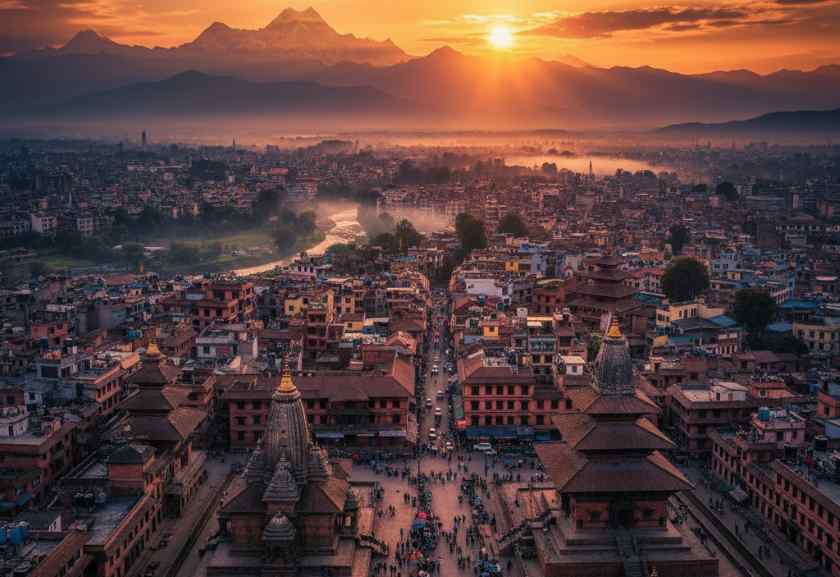
Kathmandu, Nepal’s vibrant capital nestled in the Kathmandu Valley at about 1,400 meters (4,600 feet) elevation, blends ancient temples, bustling markets, and Himalayan views with a lively mix of Hindu and Buddhist traditions. It’s a sensory-rich gateway to Nepal—think chaotic streets, prayer flags, incense, and the backdrop of snow-capped peaks on clear days. The valley holds seven UNESCO World Heritage Sites, making it a cultural powerhouse despite challenges like traffic, pollution, and occasional seismic risks (noting the 2015 earthquake’s lingering reconstruction).
Best Time to Visit
The ideal periods are October to November (post-monsoon clear skies, mild weather, excellent mountain visibility) and March to April (spring blooms, comfortable temperatures). These are peak seasons for trekking and sightseeing.
Winter (Dec–Feb): Cooler days (around 10–20°C/50–68°F), crisp air, fewer crowds, but chilly nights.
Summer/Monsoon (Jun–Sep): Rainy, humid, with potential landslides affecting travel; greener landscapes but poorer visibility.
Shoulder months: February or May offer good balances with lower crowds.
Kathmandu’s weather stays milder than higher altitudes, averaging 18°C (64°F) annually, but prepare for dust, pollution (often high), and variable conditions.
Top Attractions
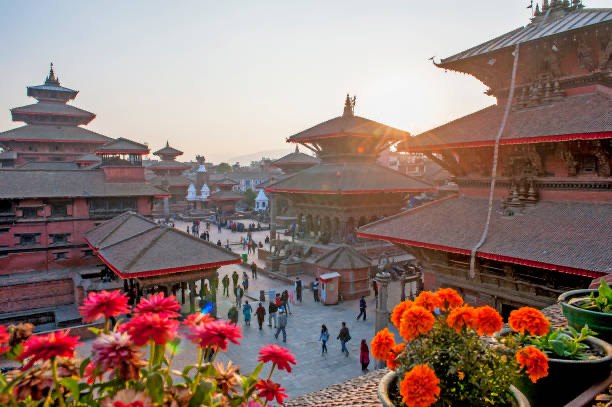
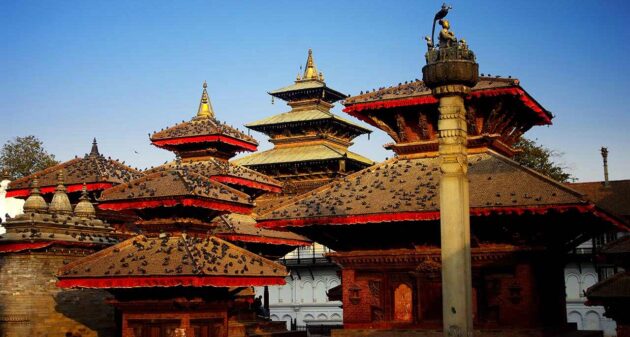
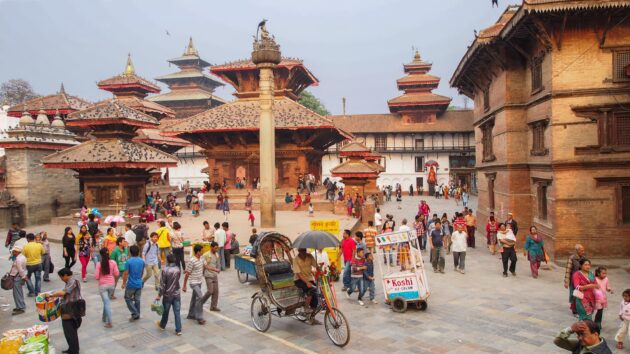
Kathmandu Durbar Square (Hanuman Dhoka)
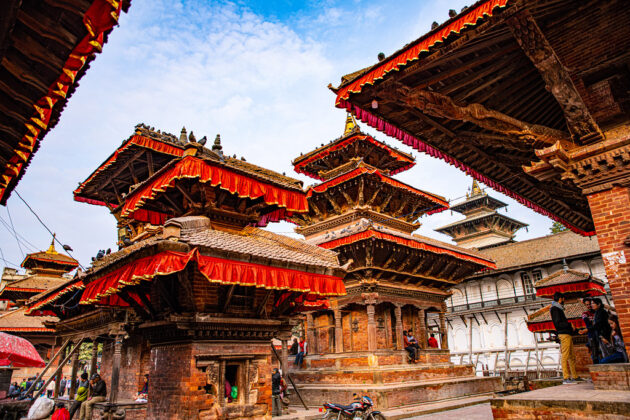
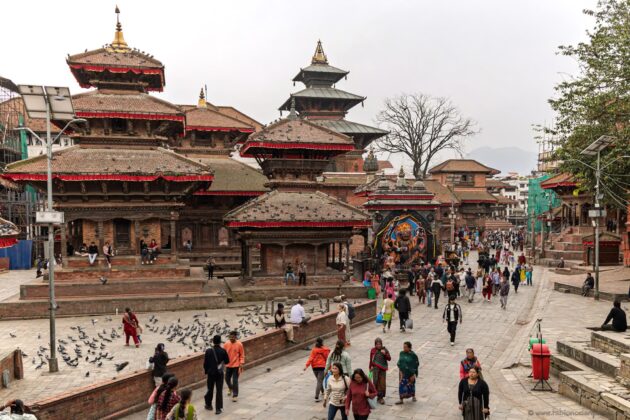
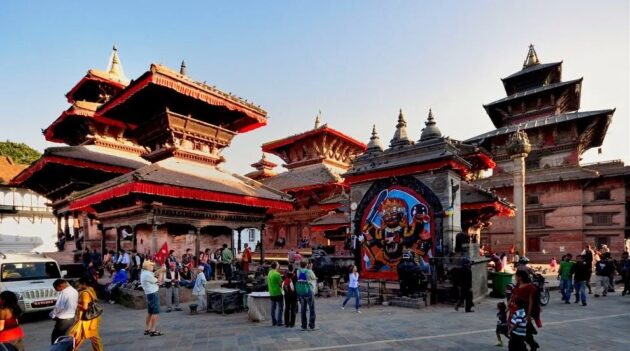
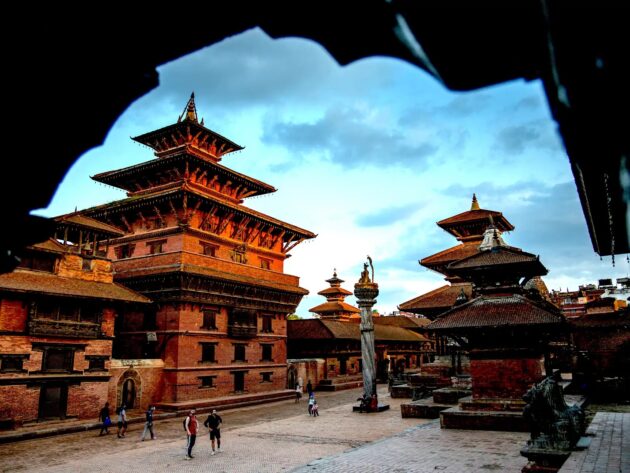
Kathmandu Durbar Square (also known as Hanuman Dhoka Durbar Square or Basantapur Durbar Square) is a vibrant UNESCO World Heritage Site in the heart of old Kathmandu, Nepal. It served as the royal palace complex for the Malla kings (12th–18th centuries) and later the Shah dynasty until the late 19th century. Often called the “Museum of Temples,” it features over 50 temples, palaces, courtyards, statues, and intricate Newari wood carvings, blending Hindu and Buddhist traditions in a living cultural hub.
Swayambhunath (Monkey Temple)
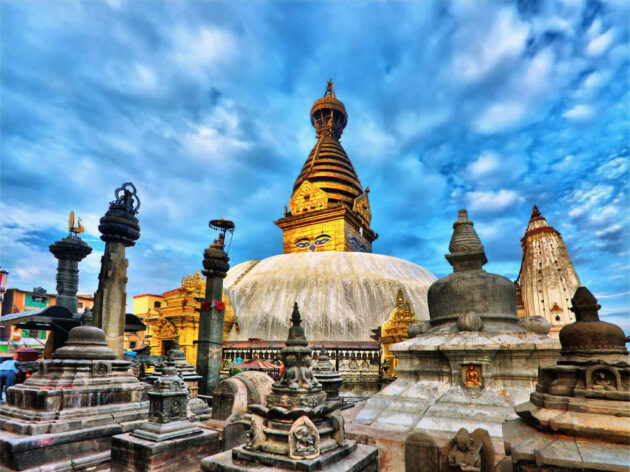
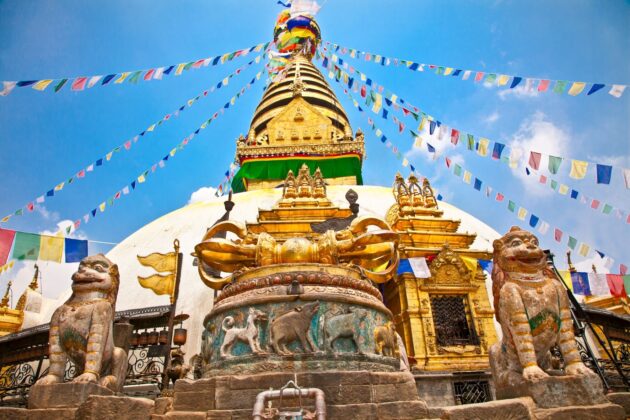
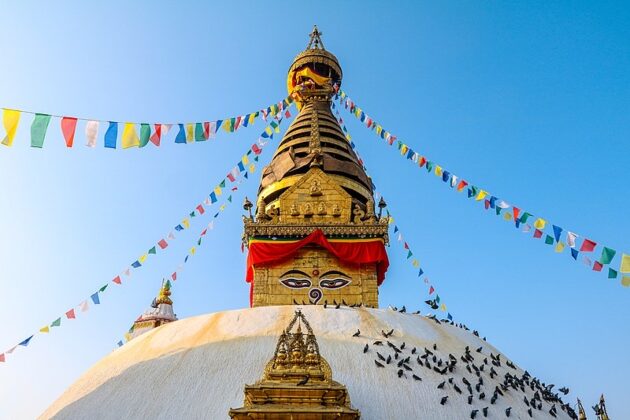
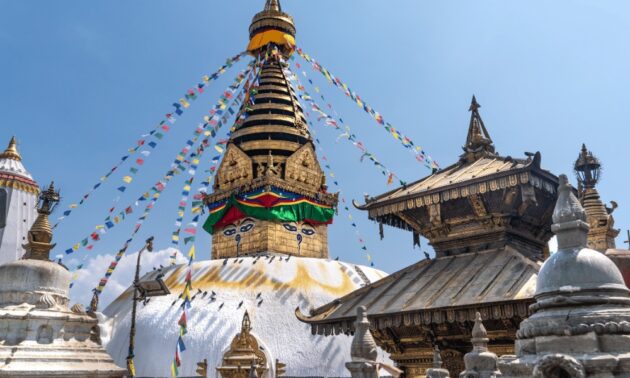
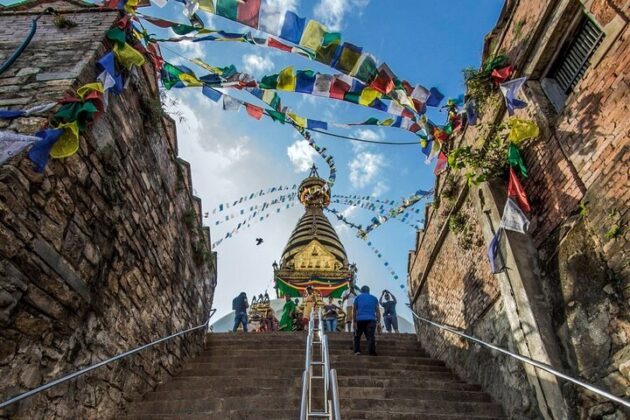
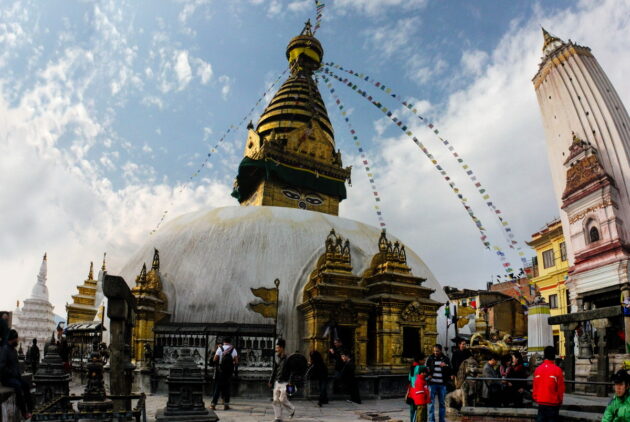
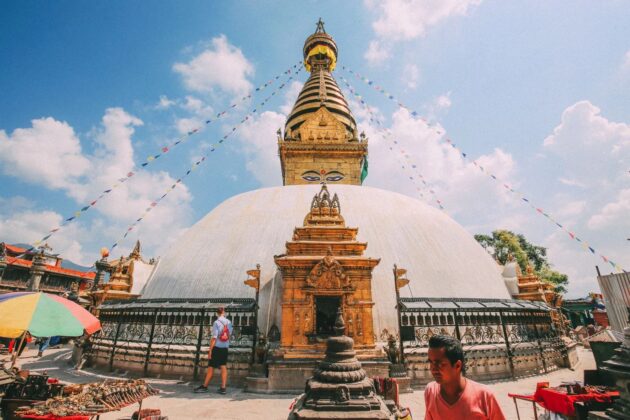
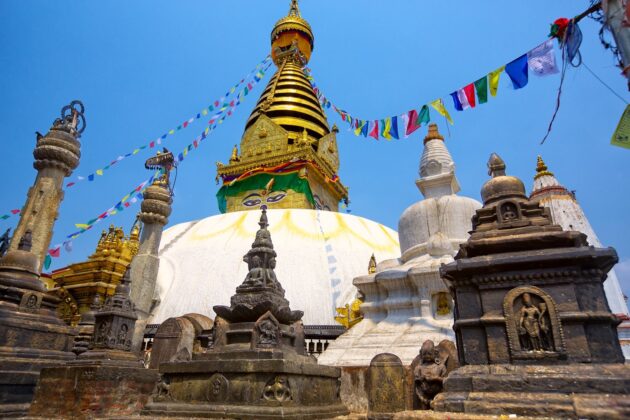
Swayambhunath, commonly known as the Monkey Temple, is one of Kathmandu’s most iconic landmarks and a UNESCO World Heritage Site. This ancient Buddhist stupa sits atop a hill in the northwest of the Kathmandu Valley, offering panoramic views of the city below. It is a sacred site revered by both Buddhists and Hindus, symbolizing harmony between the two faiths in Nepal.
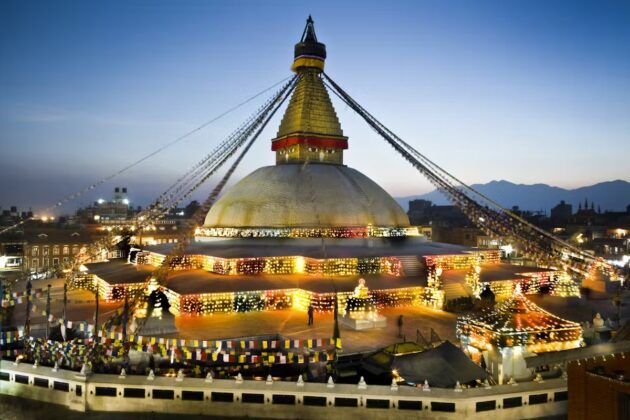
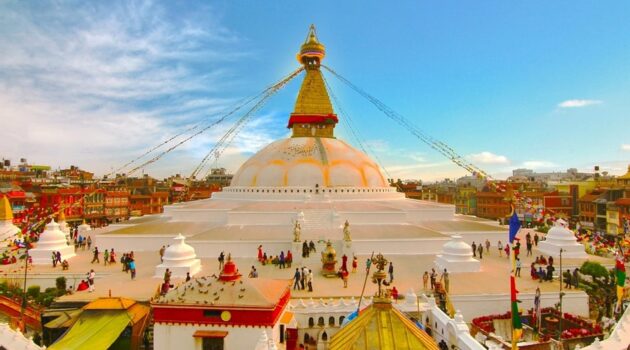
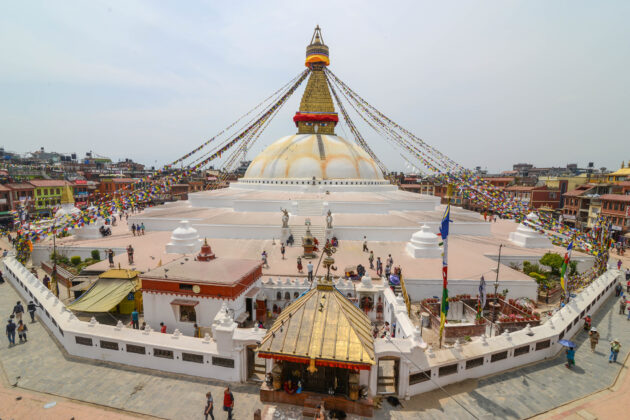
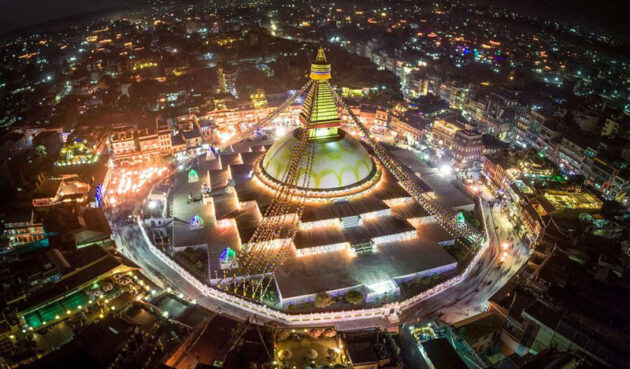
Boudhanath Stupa
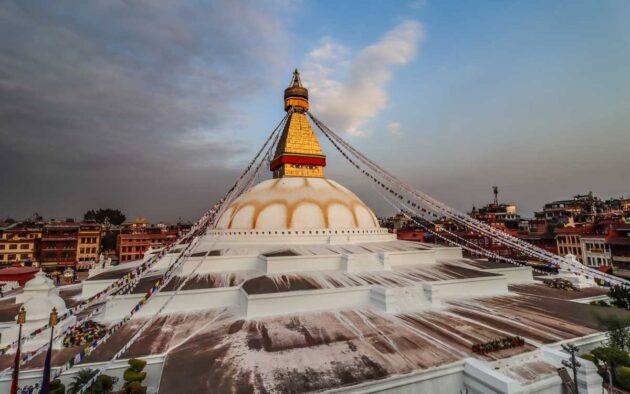
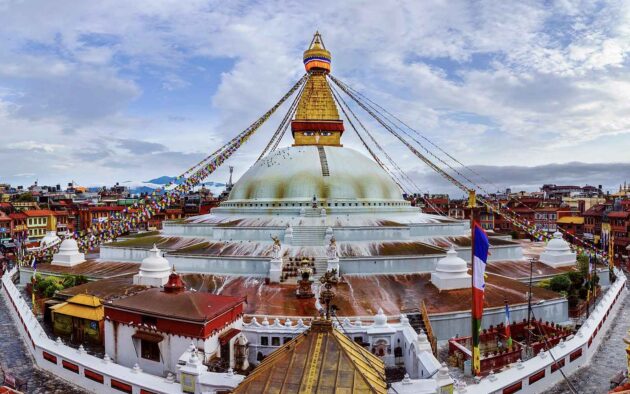
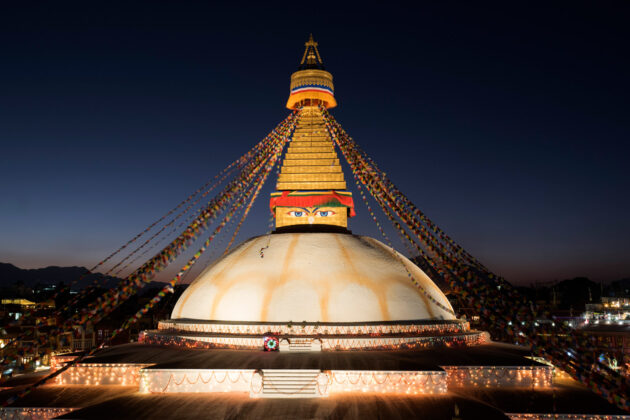
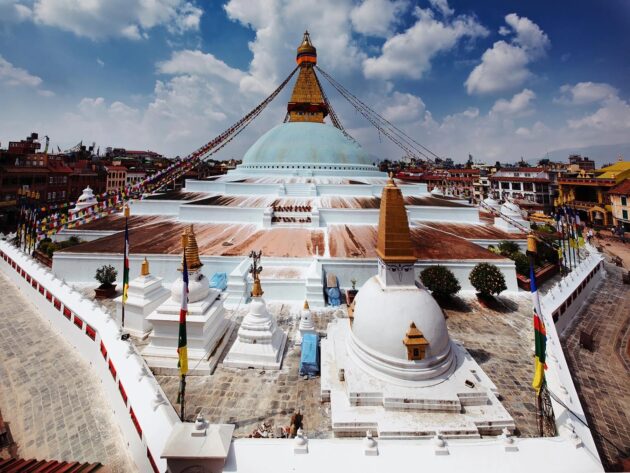
Boudhanath Stupa (also known as Boudha Stupa or Khasti Chaitya) is one of the largest spherical stupas in the world and a major center of Tibetan Buddhism outside Tibet. This UNESCO World Heritage Site stands about 36 meters (118 feet) tall, with a massive white dome shaped like a mandala, topped by a golden spire and the iconic “all-seeing eyes” of the Buddha painted on the harmika (cube section).
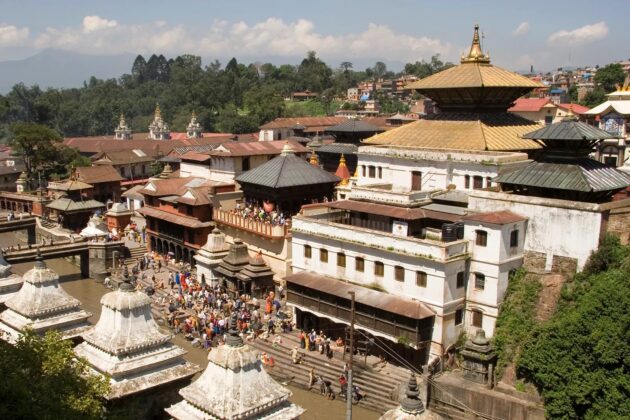
Pashupatinath Temple
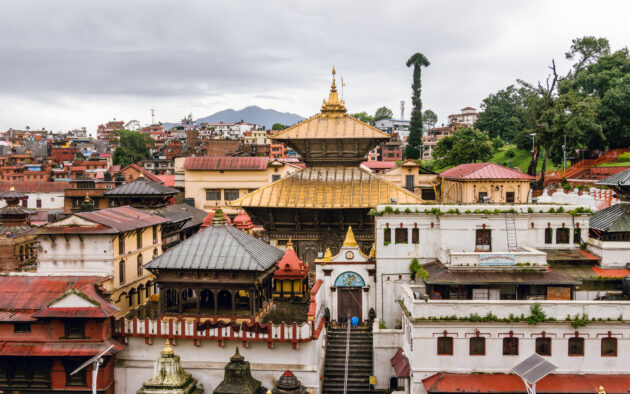
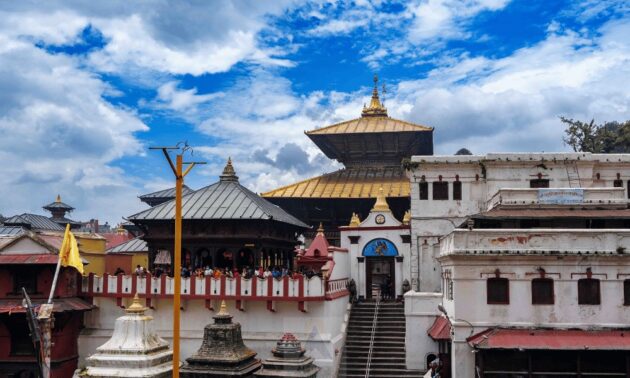
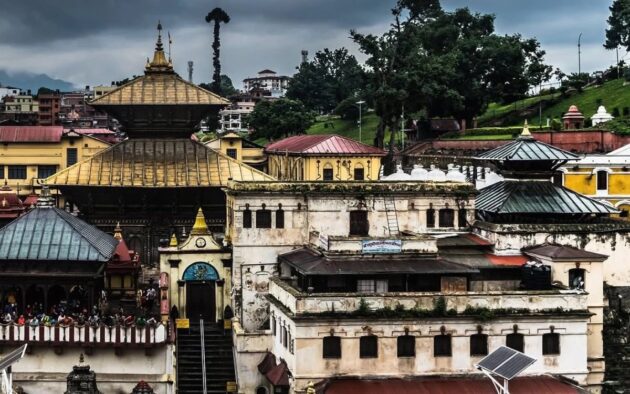
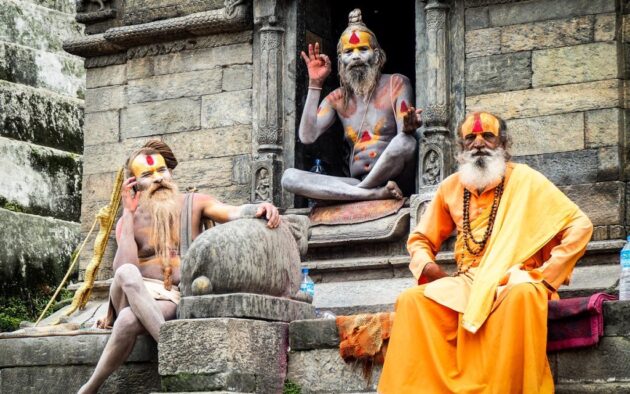
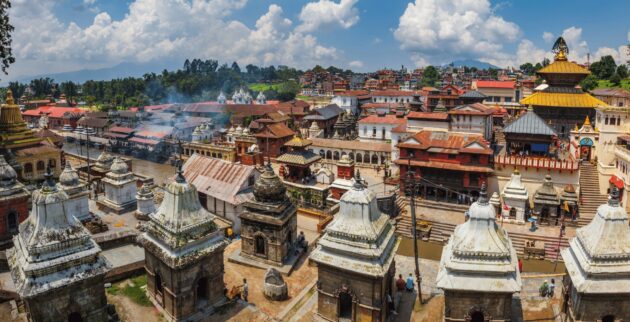
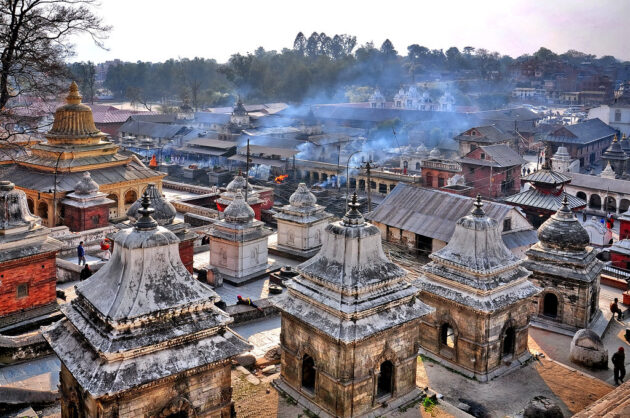
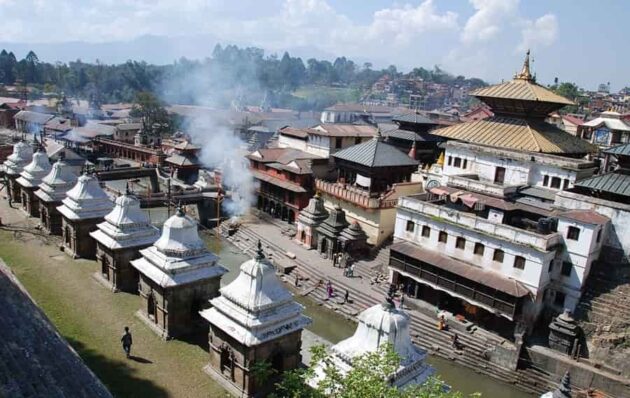
Pashupatinath Temple is Nepal’s most sacred Hindu shrine, dedicated to Lord Shiva in his form as Pashupati (Lord of Animals). It sits on the banks of the holy Bagmati River in eastern Kathmandu and forms part of the Kathmandu Valley UNESCO World Heritage Site. The complex features ornate pagoda-style architecture with golden roofs, numerous smaller shrines, sadhus (holy ascetics), and open-air cremation ghats where Hindu funeral rites occur.
Patan Durbar Square
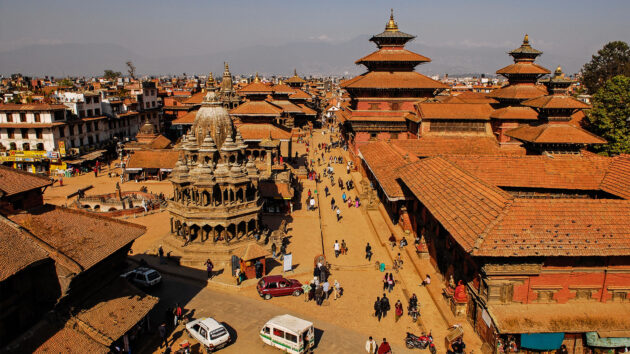
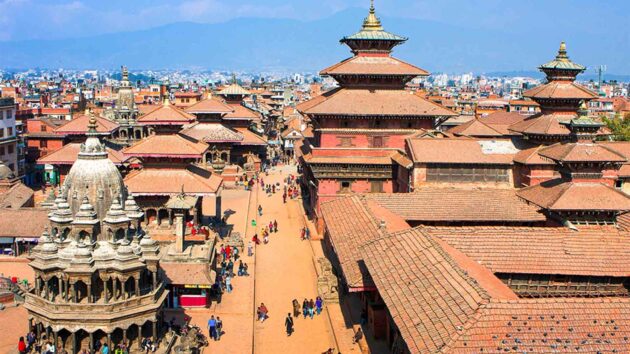
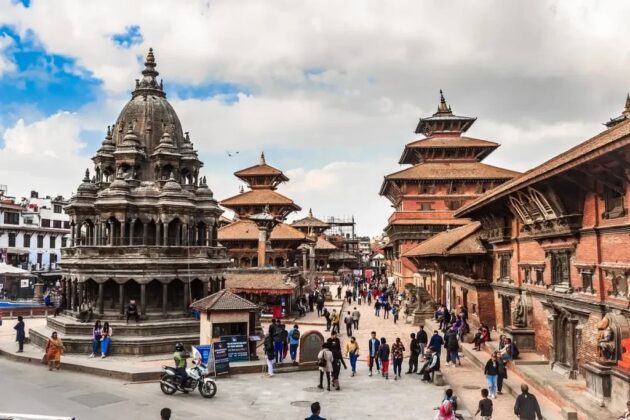
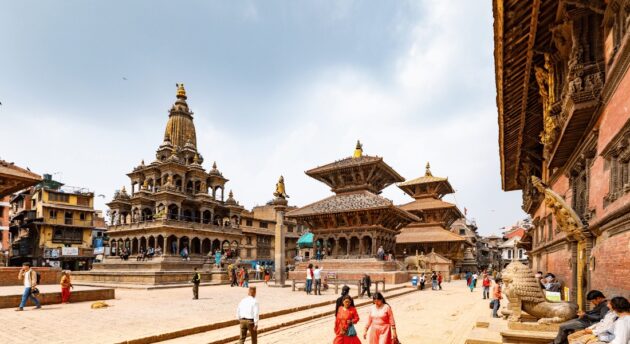
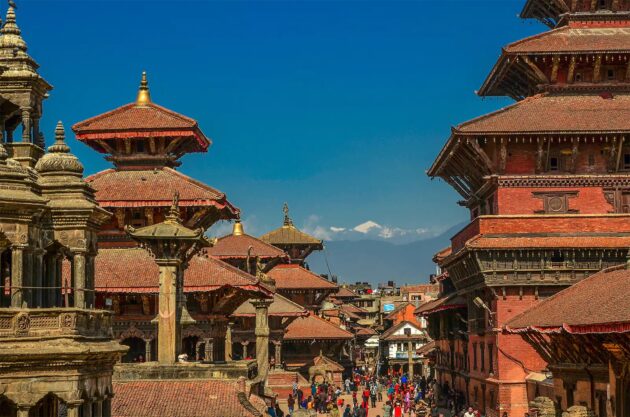
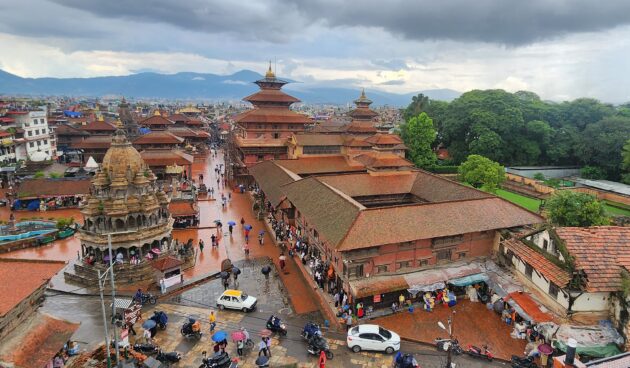
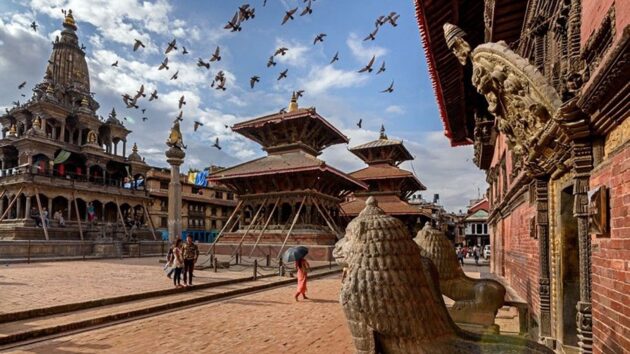
Patan Durbar Square (also known as Lalitpur Durbar Square) is one of the three royal palace squares in Nepal’s Kathmandu Valley and a UNESCO World Heritage Site (inscribed in 1979 as part of the Kathmandu Valley listing). Located in the heart of Lalitpur (Patan), about 5-6 km south of central Kathmandu (e.g., Thamel), it stands out for its refined Newari architecture, harmonious blend of Hindu and Buddhist monuments, and reputation as Nepal’s “City of Fine Arts.”
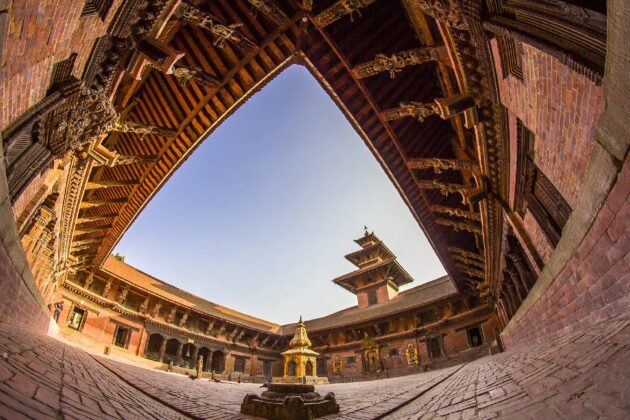
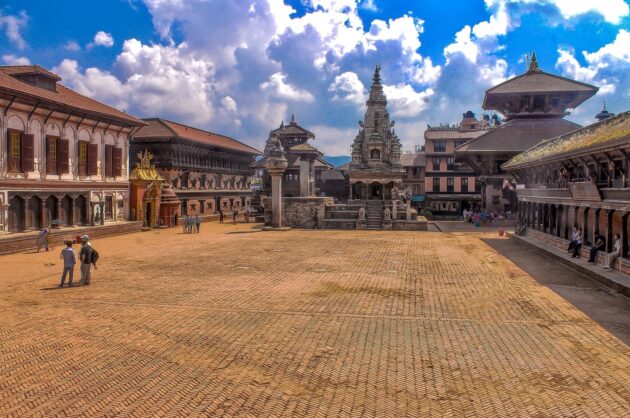
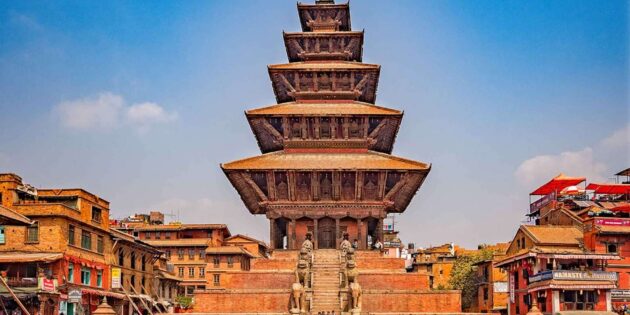
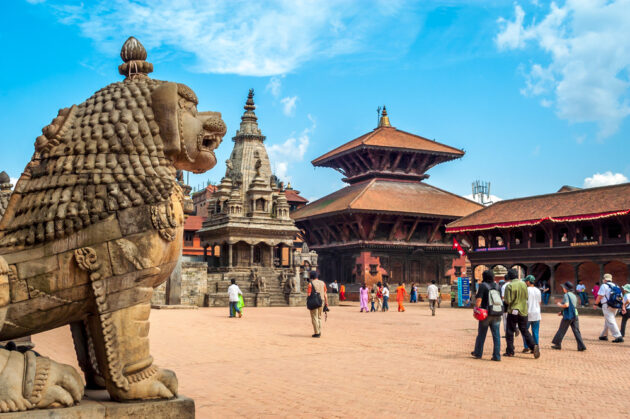
Bhaktapur Durbar Square
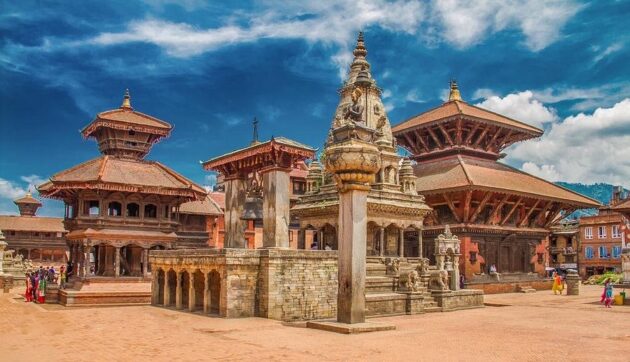
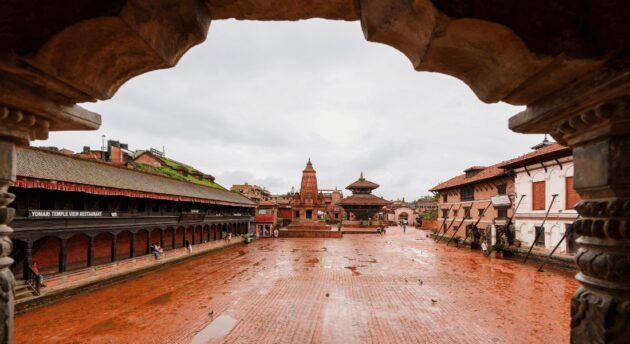
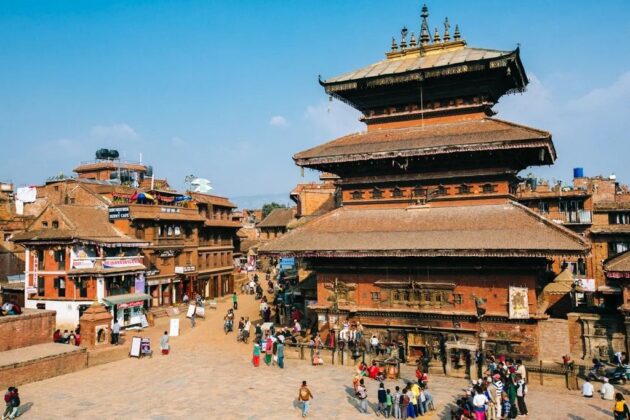
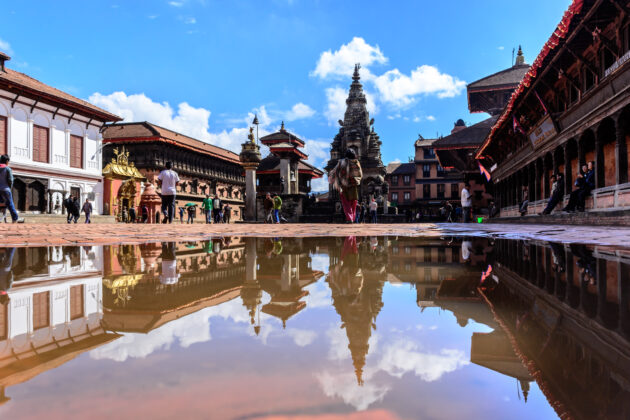
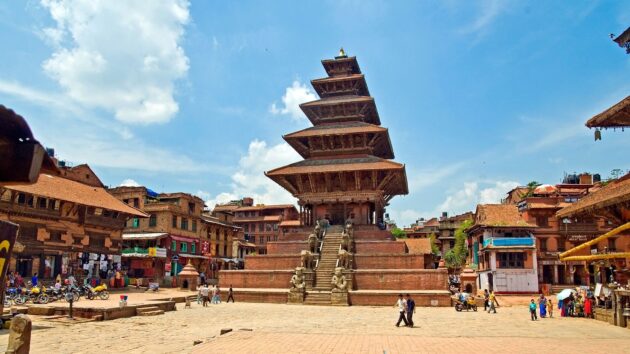
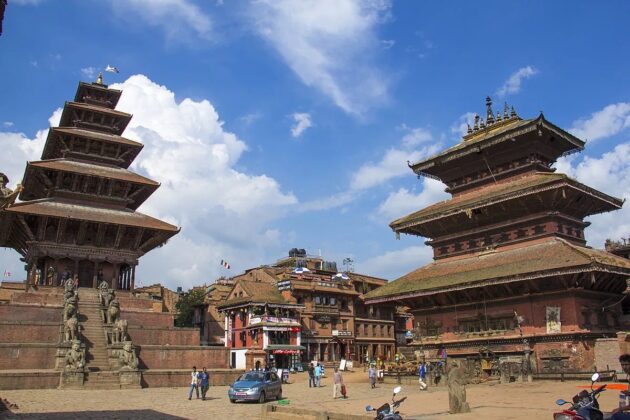
Bhaktapur Durbar Square is one of the most beautifully preserved medieval heritage sites in Nepal’s Kathmandu Valley. Often called the “City of Devotees” (Bhaktapur or Bhadgaon), this UNESCO World Heritage Site (inscribed in 1979 as part of the Kathmandu Valley sites) showcases exquisite Newar architecture, intricate wood carvings, pagoda-style temples, and a living cultural atmosphere that feels like stepping back into the Malla dynasty era (12th–18th centuries).
Changu Narayan Temple
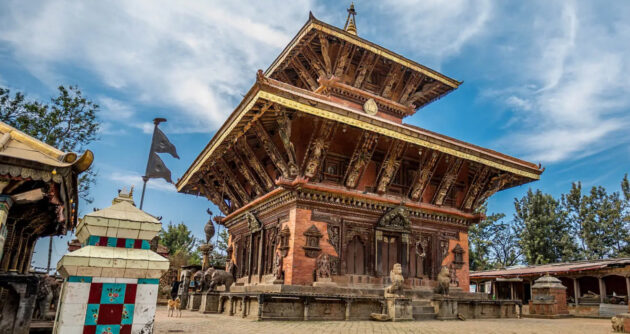
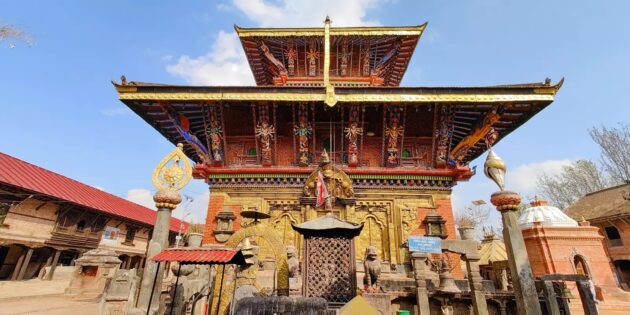
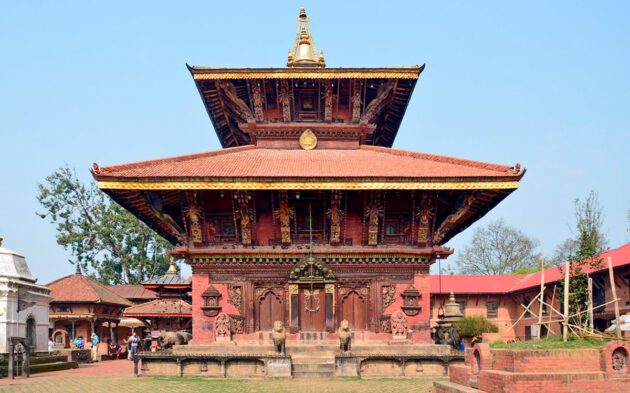
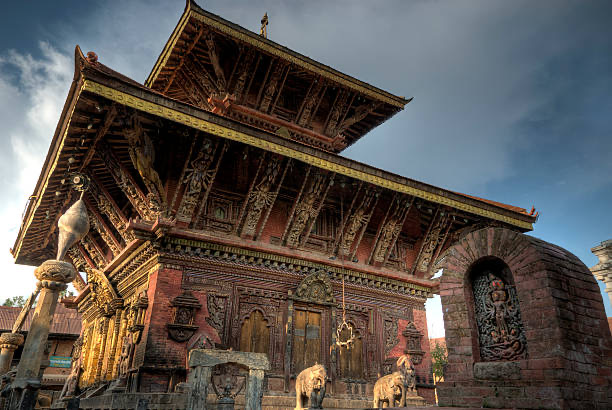
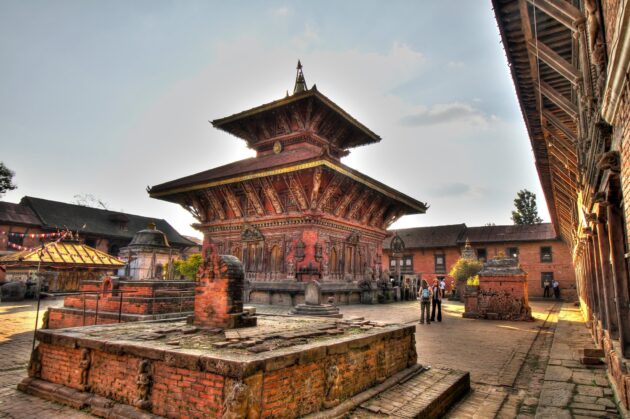
Changu Narayan Temple (also spelled Changunarayan) is one of Nepal’s oldest Hindu temples and a UNESCO World Heritage Site as part of the Kathmandu Valley ensemble. It sits on a hilltop in the village of Changu (Changunarayan Municipality), Bhaktapur District, about 12–22 km east of Kathmandu (distances vary slightly by source, but roughly a 45–90 minute drive).
Things to Do
Wander Thamel: The tourist hub for gear shopping (trekking equipment is abundant and affordable), street food, bars, and souvenirs like thangkas, pashminas, and handmade paper.
Experience local culture: Join a cooking class, watch evening aarti (rituals) at temples, or visit markets for spices and handicrafts.
Day trips: Nagarkot or Chandragiri for Himalayan vistas; short hikes around the valley.
Adventure add-ons: Mountain flight over Everest (weather-dependent), paragliding nearby, or arranging treks (Everest Base Camp or Annapurna from here).
Relax with Newari or Tibetan cuisine and rooftop views.
Plan 3–5 days minimum to soak it in before heading to Pokhara, Chitwan, or the mountains.
Getting There and Around
Arrival: Most fly into Tribhuvan International Airport (KTM). Taxis or pre-arranged hotel transfers recommended from the airport (avoid unofficial ones).
Transport: Chaotic traffic—use ride apps like Pathao or InDrive for taxis/motorbikes. Tourist buses or private drivers for valley sites or longer trips (e.g., to Pokhara ~6–8 hours). Domestic flights for quicker mountain access. Walk in central areas like Thamel.
Money: ATMs widespread; carry small NPR notes. USD accepted in tourist spots.
Where to Stay
Thamel: Budget guesthouses, hostels, and mid-range hotels—lively, central, great for first-timers and nightlife/shopping. Can feel touristy/noisy.
Lazimpat: Quieter, upscale vibe near embassies—good mid-to-luxury options.
Boudhanath (Boudha): Peaceful, spiritual atmosphere around the stupa—boutique stays and Tibetan influence.
Patan or Bhaktapur: More authentic, heritage feel with fewer crowds.
Luxury picks: Dwarika’s Hotel (heritage architecture), Yak & Yeti, or international chains like Hyatt.
Book ahead in peak season. Options range from cheap backpacker spots to heritage boutiques.
Food and Drink
Nepali cuisine emphasizes fresh, spiced flavors. Must-tries:
Momos: Steamed/fried dumplings (veg, chicken, buffalo)—ubiquitous street food.
Dal Bhat: The national dish—rice, lentil soup, veggies, pickles, and curry (unlimited refills often).
Newari specialties: Samay baji (platter with beaten rice, meats, eggs), bara (lentil pancakes), sekuwa (grilled meats).
Others: Thukpa (noodle soup), sel roti (rice doughnut), chatpate/panipuri (spicy snacks), laphing (chili noodles).
Drinks: Butter tea (salty, for high altitudes), masala chai, or local raksi (rice wine—proceed with caution).
Street food is flavorful but choose busy stalls for freshness; tourist restaurants in Thamel offer safer hygiene. Try rooftop spots or Newari kitchens for authentic meals. Vegetarian options abound.
Practical Tips
Safety: Nepal is generally welcoming and safe for tourists in 2026, with stabilized conditions post-2025 unrest. Exercise increased caution around potential demonstrations (avoid crowds). Petty theft occurs—use hotel safes. Traffic is the biggest hazard; natural disasters (earthquakes, monsoons) possible. Tourist areas like Thamel operate normally.
Health: Altitude mild but drink water (bottled/filtered). Vaccinations per CDC (hepatitis, typhoid, etc.); no malaria in Kathmandu. Air pollution can irritate—masks helpful. Eat peeled/cooked foods.
Etiquette: Dress modestly at temples (remove shoes, no leather inside some). Ask before photos, especially of rituals/people. Respect cremation sites.
Other: Bargain in markets. English widely spoken in tourist zones. Power outages occasional—carry a power bank. Download offline maps.
Final Thoughts
Kathmandu rewards slow exploration: Get lost in alleys, chat with locals, and let the city’s energy pull you in. Many use it as a base for trekking or onward travel. Safe travels—it’s a place that lingers long after you leave. For personalized itineraries, consider a local guide for deeper cultural insights.