
A Travel Guide to Jeddah (2026)
Jeddah, Saudi Arabia’s second-largest city and bustling gateway to the Red Sea, perfectly blends rich history, modern vibrancy, and coastal charm. Known as the “Bride of the Red Sea,” it serves as a major port and entry point for pilgrims heading to Makkah and Madinah. With its UNESCO-listed historic district, scenic Corniche waterfront, world-class shopping, and fresh seafood, Jeddah offers a dynamic mix of tradition and contemporary life that appeals to culture seekers, beach lovers, and food enthusiasts alike.
Why Visit Jeddah?
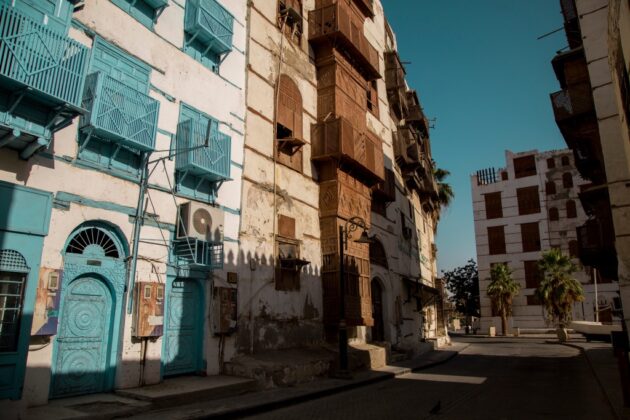
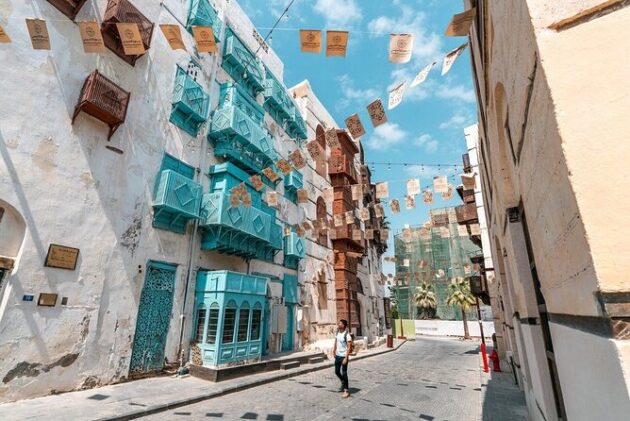
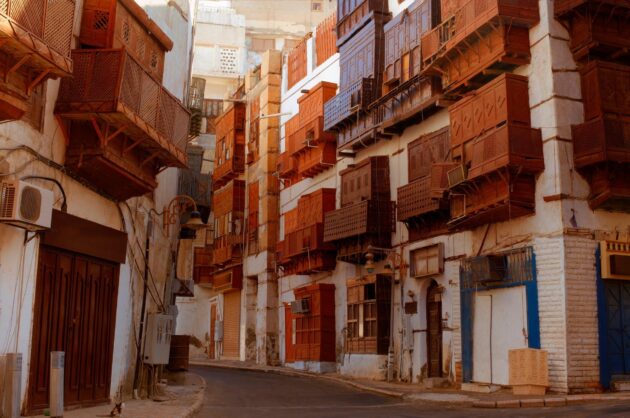
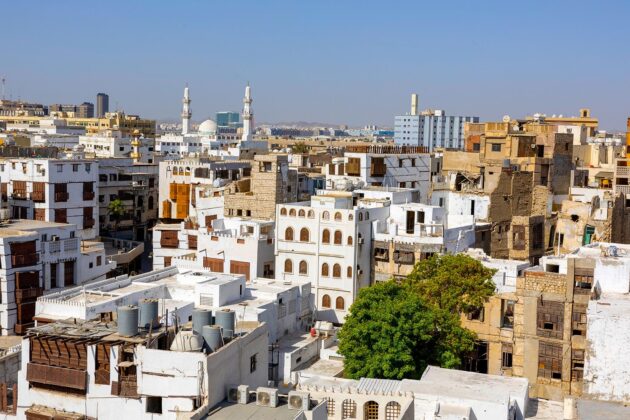
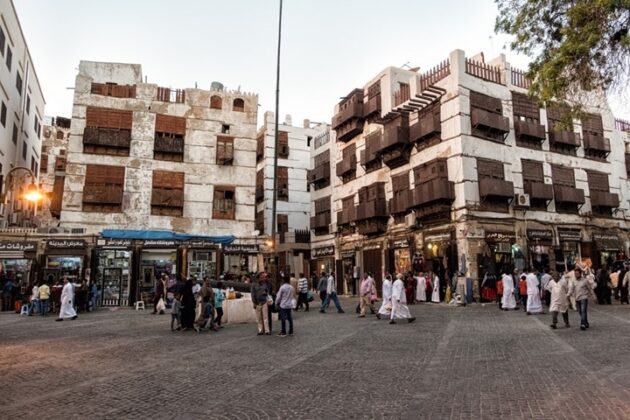
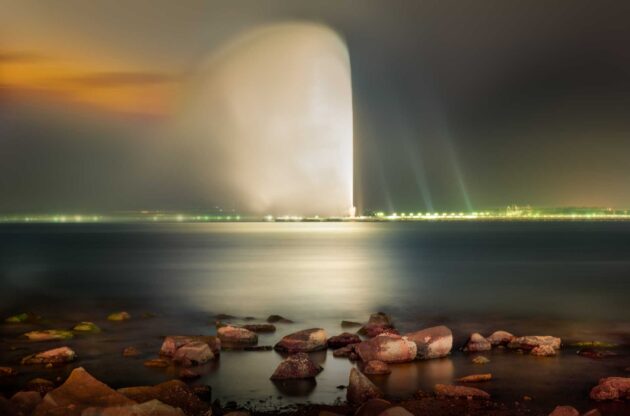
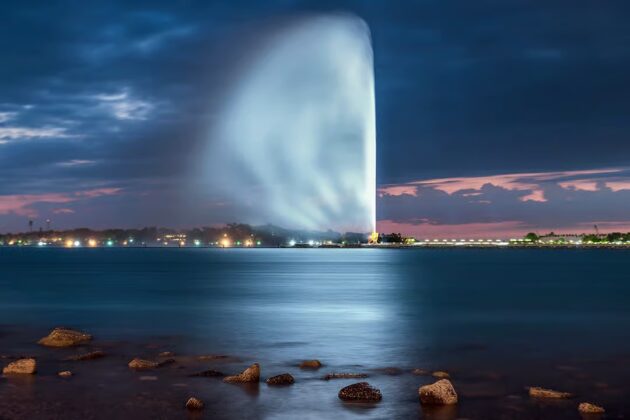
Jeddah stands out for its unique fusion of old and new. Stroll through coral-stone architecture in Al-Balad (Historic Jeddah), a UNESCO World Heritage site, then relax along the expansive Jeddah Corniche with its parks, sculptures, and stunning sea views. The city is famous for the King Fahd Fountain — the world’s tallest, shooting water up to 312 meters (over 1,000 feet) — and offers excellent opportunities for Red Sea activities like snorkeling and boating. As Saudi Arabia continues opening to tourism, Jeddah provides a welcoming, cosmopolitan atmosphere with vibrant markets, fine dining, and cultural experiences.
How to Get There
By Air: Most international visitors arrive at King Abdulaziz International Airport (JED), one of the busiest in the region with modern terminals. It handles direct flights from major cities in Europe, Asia, the Middle East, and beyond.
By Road or Train: Jeddah connects well to other Saudi cities via highways. The Haramain High-Speed Railway links it to Makkah and Madinah for quick pilgrim or tourist travel.
Getting Around: Taxis (including ride-hailing apps like Uber and Careem) are convenient and affordable. Public transport is limited, so renting a car or using hotel shuttles works best for exploring. The Corniche and Al-Balad are pedestrian-friendly in cooler hours.
Best Time to Visit
The ideal time to visit Jeddah is during the cooler months from October to March (peak season: November–February), when temperatures range from 20–30°C (68–86°F) — perfect for outdoor exploration, walking tours, and beach activities. Summers (June–September) are extremely hot and humid, often exceeding 35–40°C (95–104°F), making sightseeing challenging. Avoid peak pilgrimage seasons (Hajj) if you prefer fewer crowds, though Jeddah remains lively year-round.
Top Things to Do
Old Jeddah (Al-Balad)
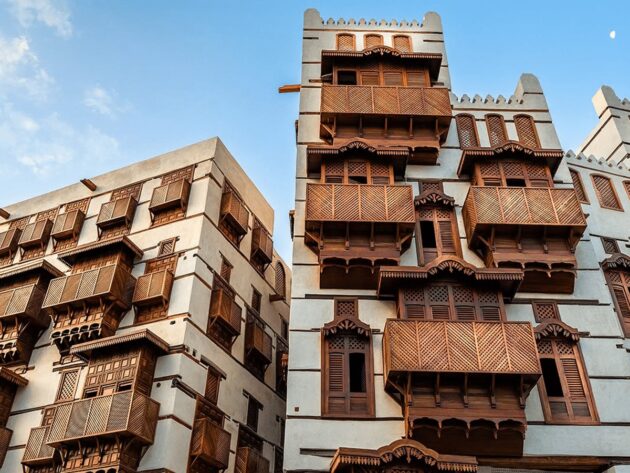
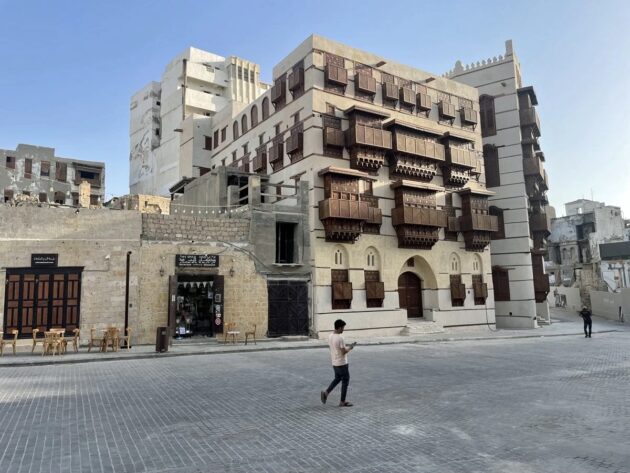
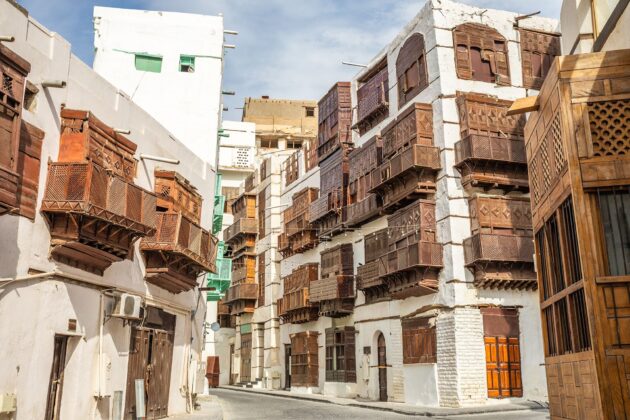
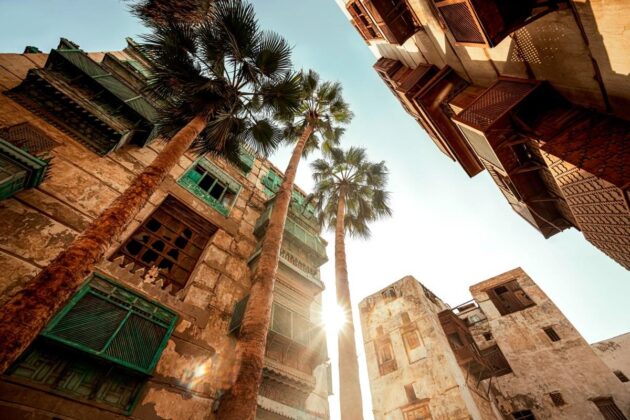
Wander the narrow streets of this UNESCO site, admiring traditional coral-stone houses with intricate wooden balconies (rawashin). Visit Nassif House (a restored merchant mansion and museum), explore souqs for spices, textiles, and souvenirs, and soak in the lively atmosphere. Evening visits feel especially atmospheric with lights and local energy.
Jeddah Corniche
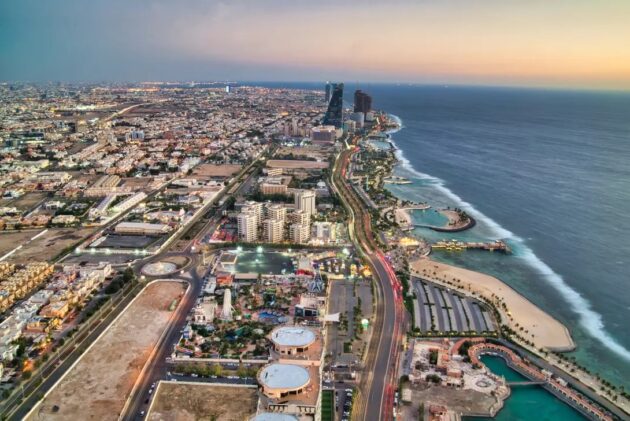
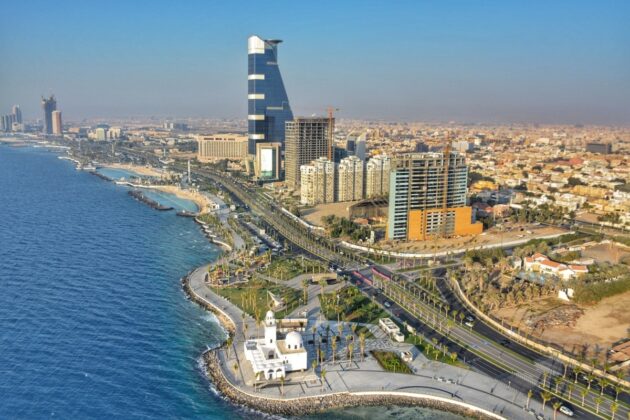
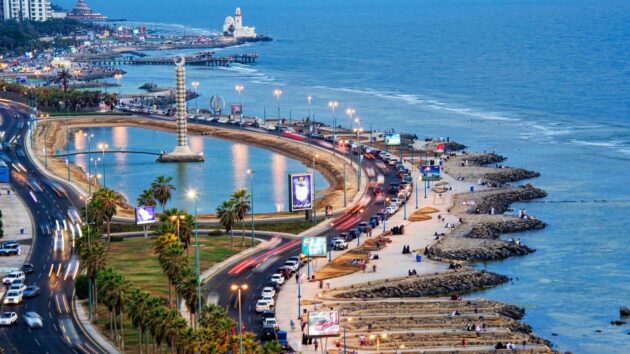
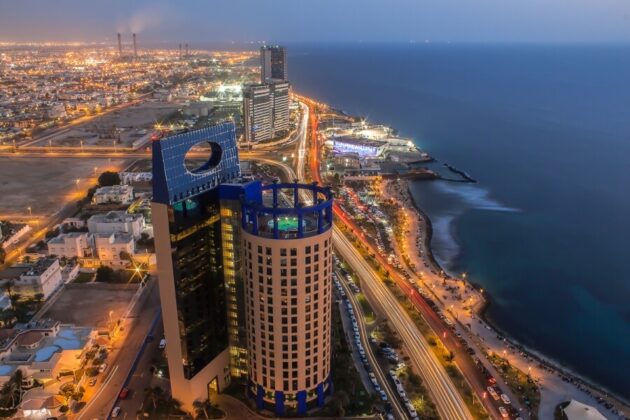
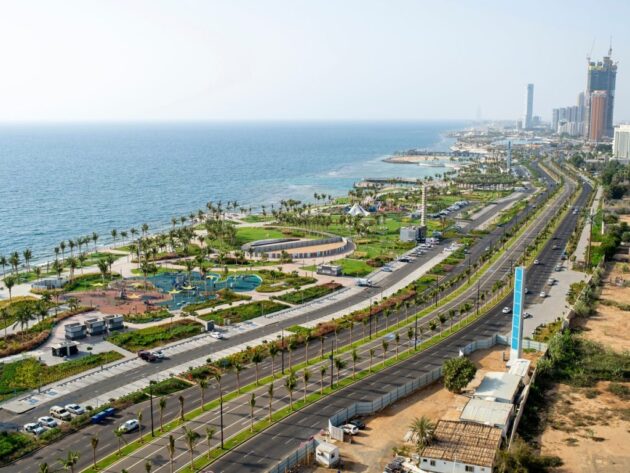
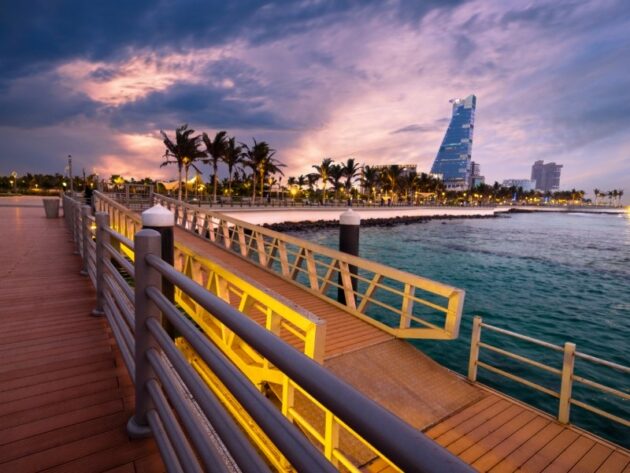
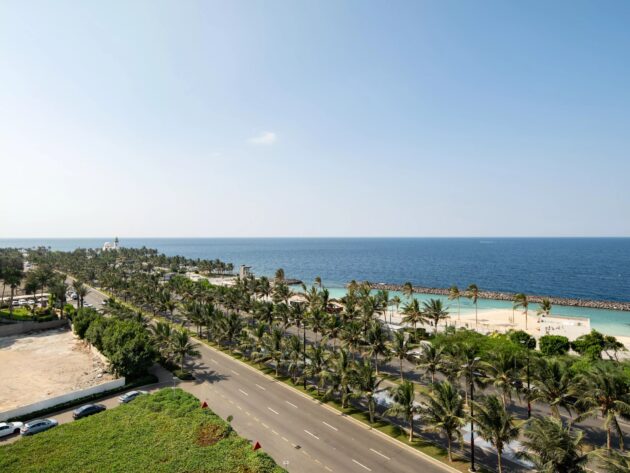
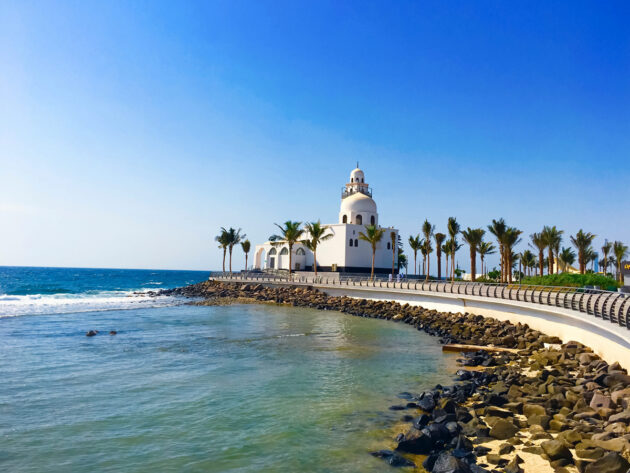
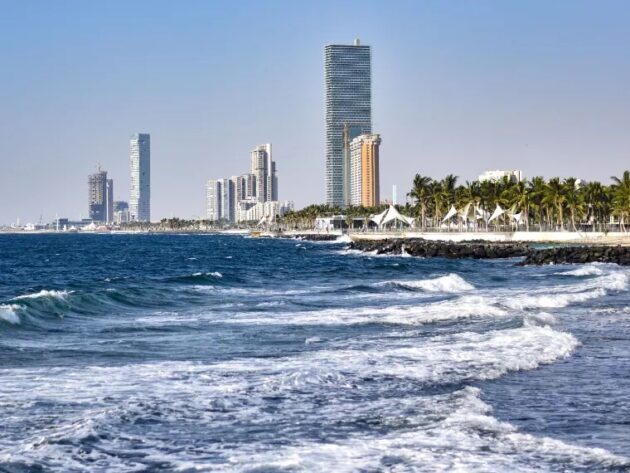
Jeddah Corniche (also known as Jeddah Waterfront) is one of the most vibrant and picturesque coastal promenades in Saudi Arabia. Stretching along the Red Sea for approximately 30 km (with a popular developed section of about 4–5 km), it offers stunning sea views, modern public art, landscaped parks, beaches, and a lively atmosphere where locals and visitors gather for walks, recreation, and relaxation.
King Fahd Fountain
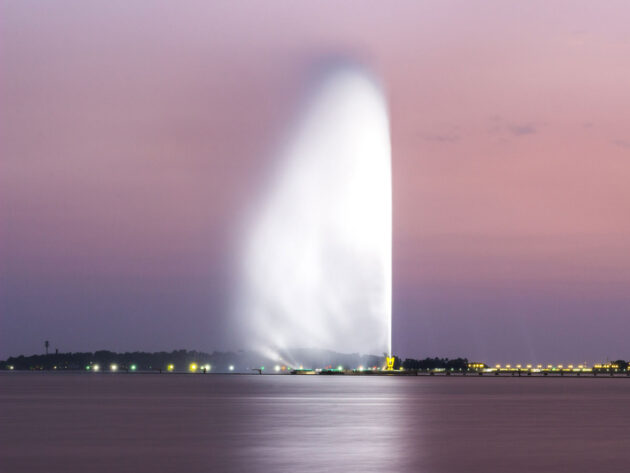
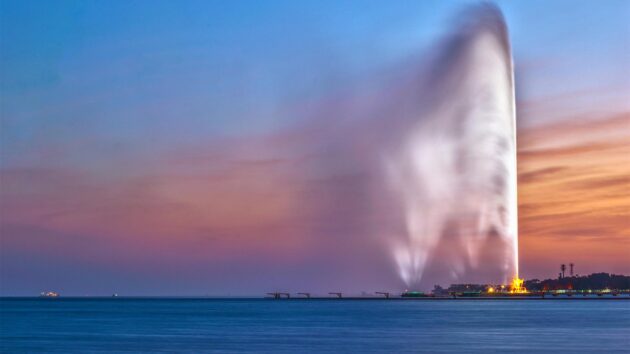
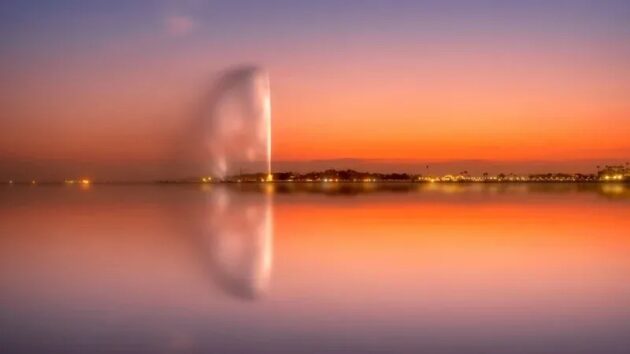
King Fahd’s Fountain (also known as the Jeddah Fountain) is one of Saudi Arabia’s most iconic landmarks and a must-see attraction in Jeddah. Located in the Red Sea just off the city’s scenic Corniche, it holds the Guinness World Record as the tallest fountain in the world. The fountain shoots water up to an impressive height of approximately 312 meters (1,024 feet) — taller than the Eiffel Tower — propelling massive jets of seawater at high speed.
Al Rahmah Mosque (Floating Mosque)
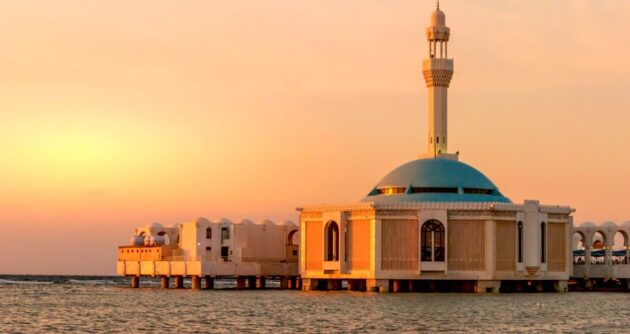
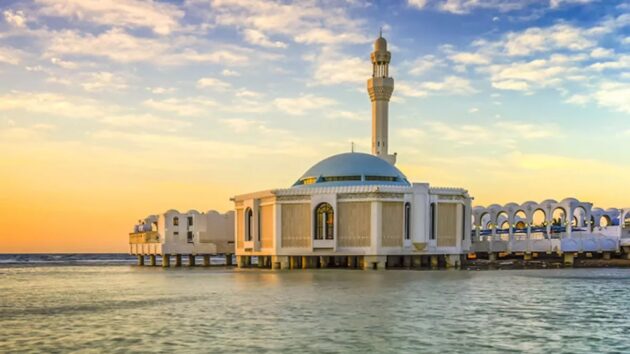
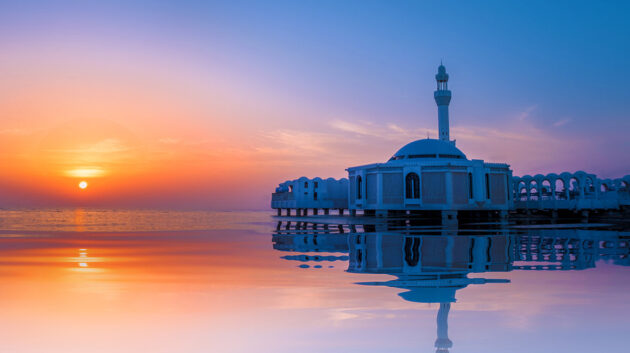
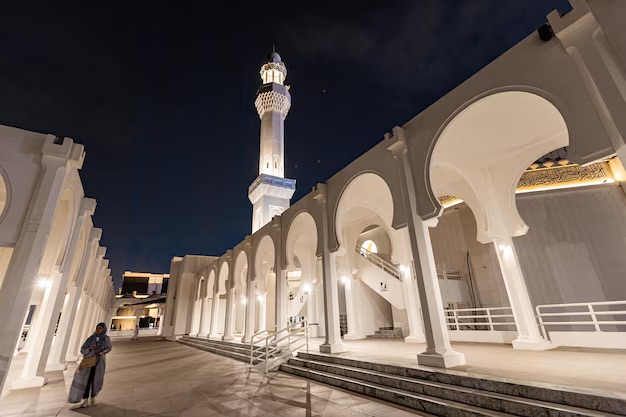
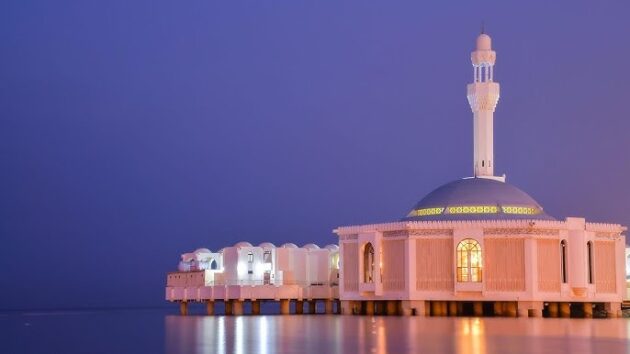
Al Rahmah Mosque, popularly known as the Floating Mosque (or Masjid Al Rahma / Fatima Al-Zahra Mosque), is one of Jeddah’s most iconic and photogenic landmarks. Built on stilts over the Red Sea, it appears to float gracefully on the water, especially at high tide. Completed in 1985, the mosque combines classical Islamic architecture with modern elements, featuring a striking white minaret, a large turquoise central dome, and 52 smaller outer domes.
Red Sea Adventures
Take a boat trip to nearby islands like Bayada Island for snorkeling in clear turquoise waters teeming with marine life. Diving, yachting, and beach clubs (some with day passes) are popular.
Museums and Culture
Explore the Al Tayebat International City or other cultural sites showcasing Saudi heritage. Jeddah also hosts events like Jeddah Season with entertainment, festivals, and art.
Shopping
From traditional souqs in Al-Balad to modern malls like Red Sea Mall, Jeddah offers everything from gold and perfumes to luxury brands.
What to Eat
Jeddah’s food scene reflects its port history with fresh seafood, Hejazi cuisine, and international influences:
Must-Try Dishes: Kabsa (spiced rice with meat), Mandi, fresh grilled fish or shrimp, Shawarma, and Al-Baik (popular local fried chicken).
Seafood Highlights: Head to spots like Fish Market for the day’s catch.
Dining Options: Enjoy fine dining at places offering international fusion (Peruvian-Japanese, steaks, etc.) or casual cafés along the Corniche. Brunch culture is strong in many hotels and restaurants.
Respect local customs: Alcohol is not available, and many restaurants have family sections.
Where to Stay
Luxury: The Ritz-Carlton Jeddah, Assila (a Luxury Collection Hotel), or Swissotel offer sea views, pools, and excellent dining.
Mid-Range: Modern hotels near the Corniche or airport with good amenities.
Budget/Unique: Guesthouses or apartments in or near Al-Balad for a more local feel. Many options cluster around the waterfront and shopping areas.
Book in advance during peak winter months or major events.
Practical Tips
Dress Code: Dress modestly — shoulders and knees covered for both men and women. Women are not required to wear an abaya but should respect conservative areas.
Cultural Etiquette: Public displays of affection are limited. Photography of people (especially women) requires permission. Friday prayers may affect some opening hours.
Safety: Jeddah is generally safe for tourists, but exercise standard precautions. Follow local laws regarding social media and behavior. Current travel advisories suggest awareness of regional dynamics.
What to Bring: Comfortable walking shoes, sunscreen, hat, modest clothing, and a reusable water bottle. Download translation apps and ride-hailing services.
Money & Connectivity: Saudi Riyal (SAR) is the currency; cards are widely accepted. Wi-Fi is good in hotels and public areas.
Combine Your Trip: Use Jeddah as a base for day trips to Makkah (for Umrah if eligible) or extend to other Saudi destinations like AlUla or Riyadh.
Final Thoughts
Jeddah captures the essence of modern Saudi Arabia — a city where ancient trading heritage meets Red Sea relaxation and forward-looking energy. Whether you’re drawn to historic alleys, dramatic fountains, or seaside leisure, Jeddah delivers memorable experiences with warm hospitality. Plan thoughtfully, respect local culture, and you’ll discover why it’s called the Bride of the Red Sea.
Safe travels and enjoy your time in Jeddah!