
Travel Guide to Makkah (2026)
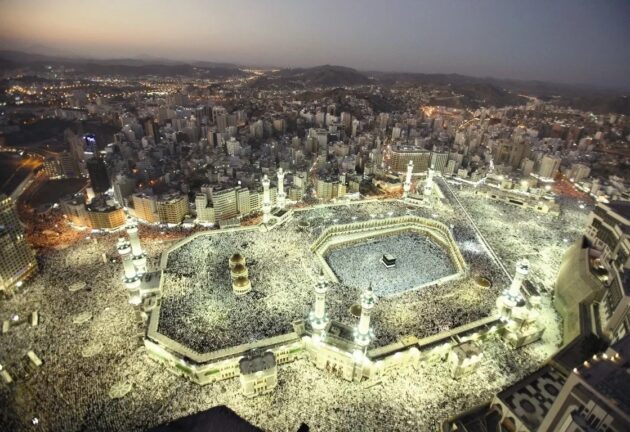
Makkah, also known as Mecca, is the holiest city in Islam and the spiritual heart of the Muslim world. Located in the western region of Saudi Arabia in the Hejaz mountains, it is the birthplace of the Prophet Muhammad and home to the Masjid al-Haram (Grand Mosque) and the Kaaba, toward which Muslims around the globe pray five times a day. Millions of Muslims visit annually to perform Hajj (the annual pilgrimage) and Umrah (the lesser pilgrimage).
Important Note: Makkah is strictly off-limits to non-Muslims. Entry to the city and sacred sites requires proof of Muslim faith, typically through a Hajj or Umrah visa/permit. Non-Muslims attempting to enter may face deportation or legal penalties. Saudi Arabia welcomes non-Muslim tourists elsewhere in the country via the eVisa program, but Makkah remains restricted.
Why Visit Makkah?
A visit to Makkah offers profound spiritual fulfillment. Performing Umrah or Hajj allows pilgrims to renew their faith, seek forgiveness, and connect with the global Muslim community. Beyond the rituals, the city provides a glimpse into Islamic history, with sites linked to the life of the Prophet Muhammad. The experience is intense, emotional, and life-changing for many.
Visa and Entry Requirements
For Muslims: Umrah Visa or Hajj Visa (issued through the official Nusuk platform or authorized agents). Tourist eVisa holders who are Muslim can often perform Umrah outside of Hajj season. Hajj requires a specific permit and is highly regulated with quotas.
Application: Apply well in advance via the Nusuk app or official Saudi channels. Requirements include a valid passport (at least 6 months validity), proof of vaccination (e.g., meningitis, COVID-19 as applicable), and sometimes a certificate confirming Muslim faith.
Non-Muslims: Not permitted to enter Makkah or perform the sacred rituals.
Always check the latest rules on the official Saudi Ministry of Hajj and Umrah or Nusuk website, as requirements can change.
How to Get There
By Air: The main gateway is King Abdulaziz International Airport (JED) in Jeddah, about 80–100 km from Makkah. Direct flights serve Jeddah from major cities worldwide. From the airport, take a taxi, private transfer, or the Haramain High-Speed Railway (to Makkah station).
By Road: Frequent bus and taxi services from Jeddah (about 1–1.5 hours). The Haramain train also connects to Medina.
Within Saudi Arabia: Domestic flights to Jeddah or direct high-speed train options.
Best Time to Visit
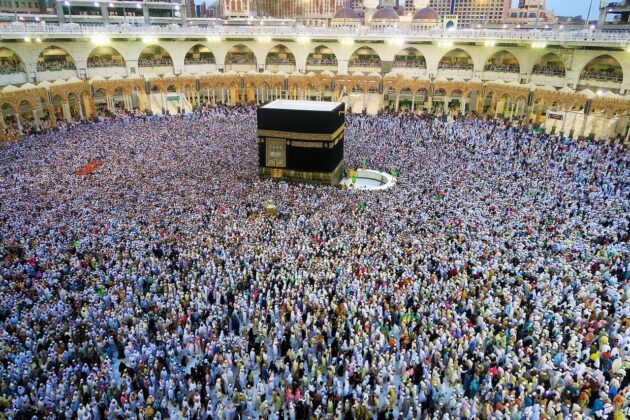
Spiritual Peak: During Hajj (dates shift annually based on the Islamic lunar calendar, usually July–August in Gregorian terms) — extremely crowded and intense.
Recommended for Umrah: November to February — milder weather (20–30°C / 68–86°F) and pleasant for outdoor rituals. Avoid summer (May–September) when temperatures can exceed 45°C (113°F), making tawaf and sa’i very challenging.
Less Crowded Periods: Shortly after Hajj or during shoulder months. Ramadan offers a unique spiritual atmosphere but can be busier in evenings.
Hotel prices and crowds peak during Hajj, Ramadan, and school holidays.
What to Do in Makkah
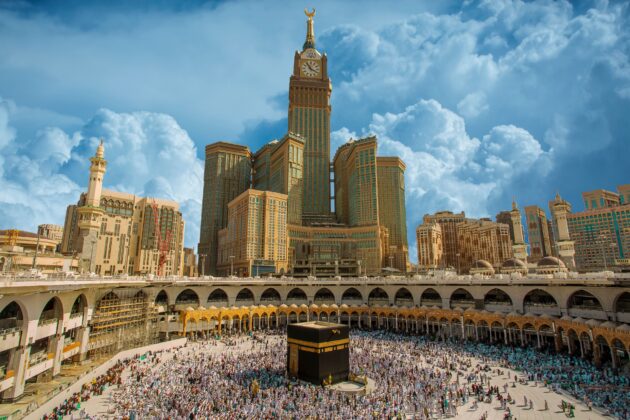
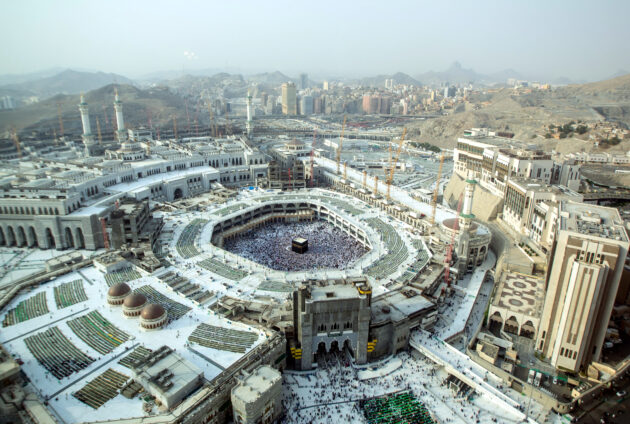
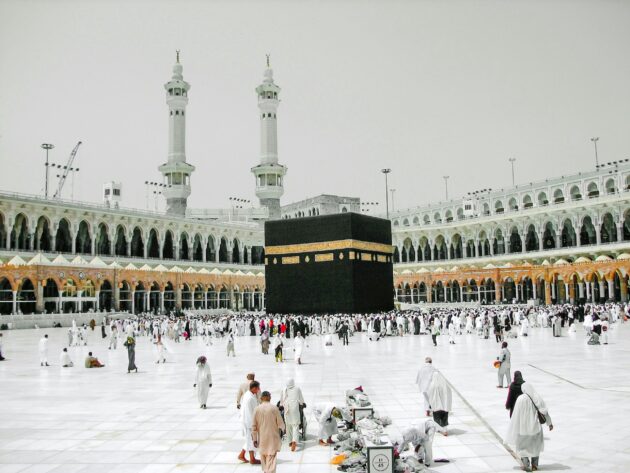
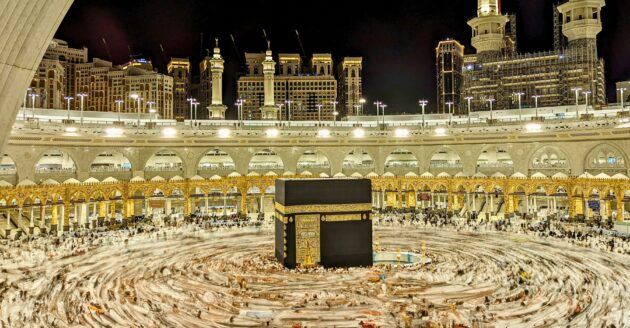
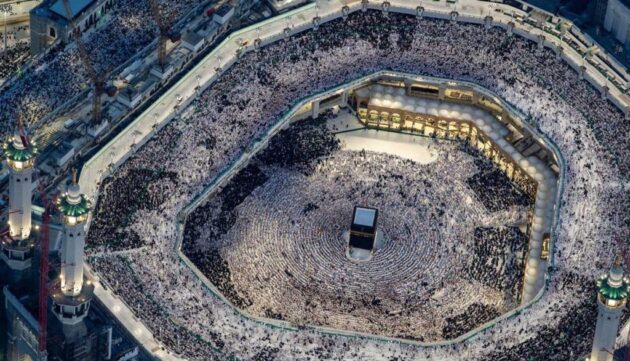
Masjid al-Haram (Grand Mosque) and the Kaaba: The centerpiece of Makkah. Perform Tawaf (circumambulation of the Kaaba), Sa’i (walking between Safa and Marwa), and pray in the mosque. The mosque can hold over a million worshippers.
Zamzam Well: Drink from the blessed Zamzam water, available throughout the Haram area.
Jabal al-Nour (Mountain of Light) and Cave of Hira (Ghar Hira): A moderately strenuous hike where the Prophet Muhammad received the first revelation of the Quran. Best attempted early morning; wear sturdy shoes.
Mount Arafat, Muzdalifah, and Mina: Key sites of Hajj rituals; many visit them during Umrah for historical context.
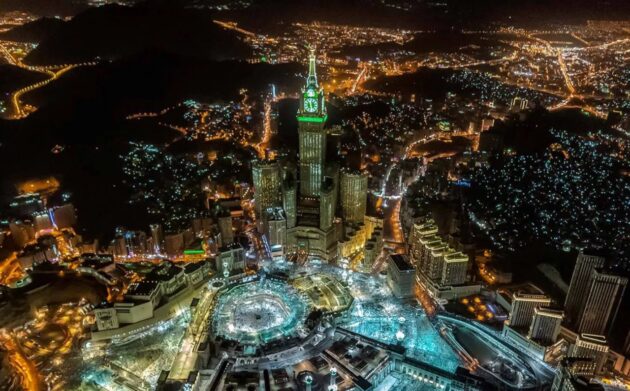
Other Sites: Jannat al-Mu’alla Cemetery — Historic burial ground. Abraj Al Bait (Makkah Royal Clock Tower) — Iconic skyscraper complex with hotels, shopping, and panoramic views (the clock tower is one of the world’s tallest). Makkah Museum or exhibitions on Islamic history. Shopping at traditional souqs for dates, prayer beads, and modest clothing. Swimming or leisure activities are secondary; the focus remains spiritual.
Where to Stay
Accommodations range from budget to ultra-luxury, mostly concentrated around the Grand Mosque:
Luxury: Hotels in the Abraj Al Bait complex (e.g., Fairmont, Swissôtel) offer direct views of the Kaaba.
Mid-Range and Budget: Numerous options in the central area; closer proximity to the Haram means higher prices and easier access during peak times.
Tip: Book 6–12 months in advance for Hajj or peak Umrah seasons. Many hotels offer packages including meals and transport.
Practical Tips
Dress Code: Men wear Ihram (two white unsewn cloths) for Umrah/Hajj. Women wear modest, loose clothing covering the body (headscarf recommended but face veil not mandatory for Umrah).
Health and Safety: Stay hydrated, especially in heat. Follow crowd management instructions. Medical facilities are available near the Haram.
What to Bring: Comfortable walking shoes, sunscreen, light umbrella, personal medications, and a portable prayer mat. Photography is restricted in some sacred areas.
Etiquette: Respect prayer times, avoid loud conversations in the mosque, and follow all instructions from authorities. Women may need a mahram (male guardian) in certain contexts depending on nationality and rules.
Food: Halal Saudi and international cuisine is widely available. Try local dates and Arabic coffee.
Transportation: Use ride-hailing apps (e.g., Uber, Careem), official buses, or hotel shuttles. The area around the Haram is often pedestrian-only during peak hours.
Money: Saudi Riyal (SAR); cards are widely accepted, but carry some cash.
Final Thoughts
A journey to Makkah is far more than tourism — it is a deeply personal and communal act of worship. Whether performing your first Umrah or returning for Hajj, approach the visit with patience, humility, and preparation. The spiritual rewards are immense, but the physical demands (especially crowds and heat) require good planning.
May your journey be accepted and bring you peace and blessings. Safe travels and worship!
For the latest updates, consult official sources like the Nusuk platform or Saudi tourism authorities before booking.