
Mount Roraima Travel Guide (2026)
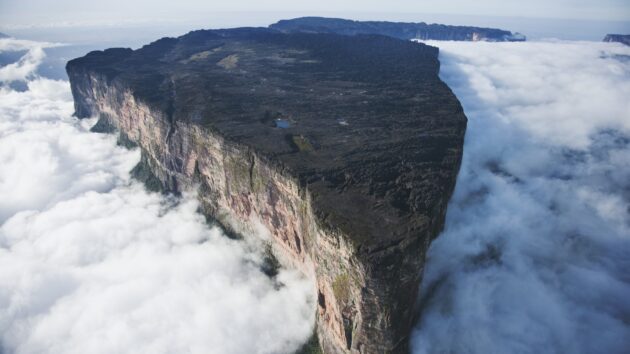
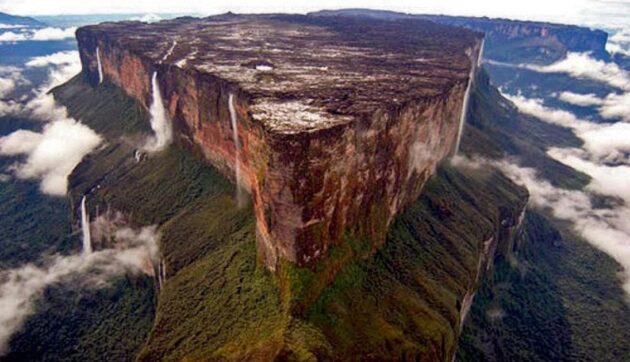
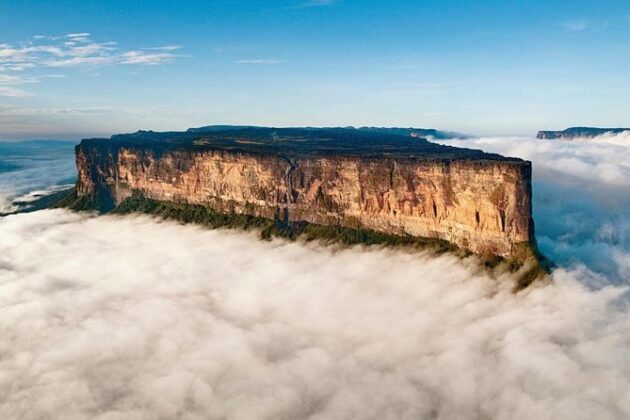
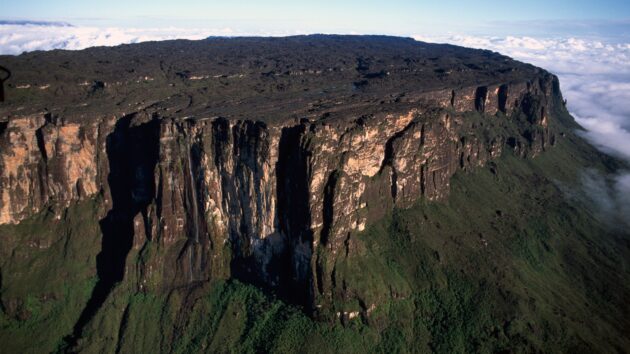
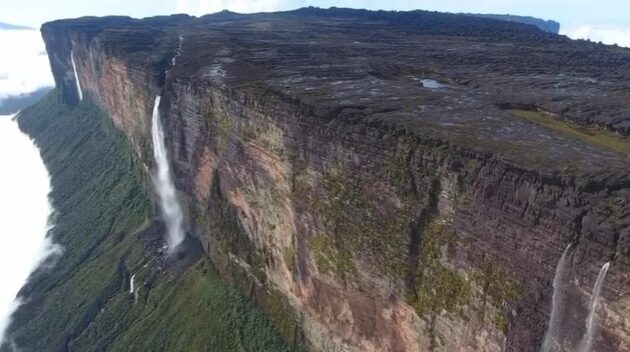
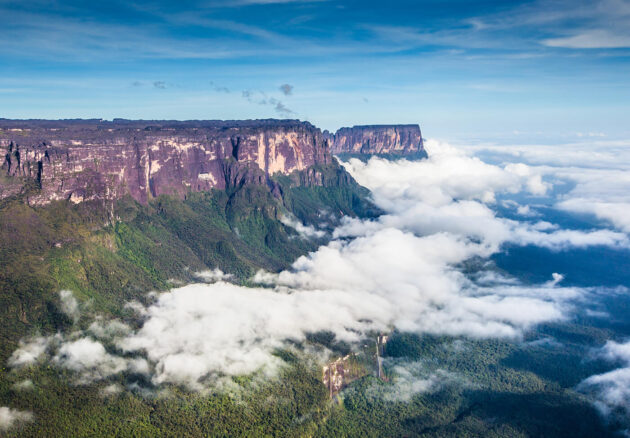
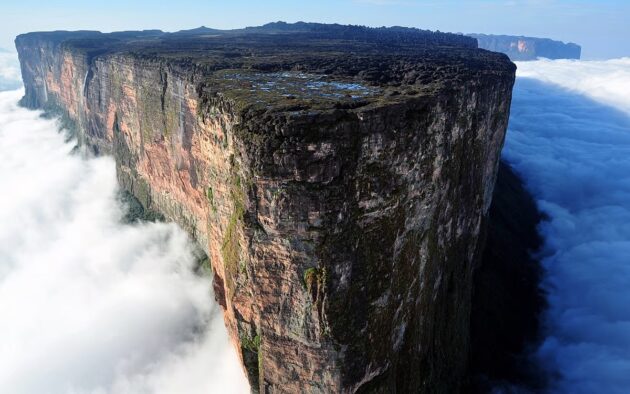
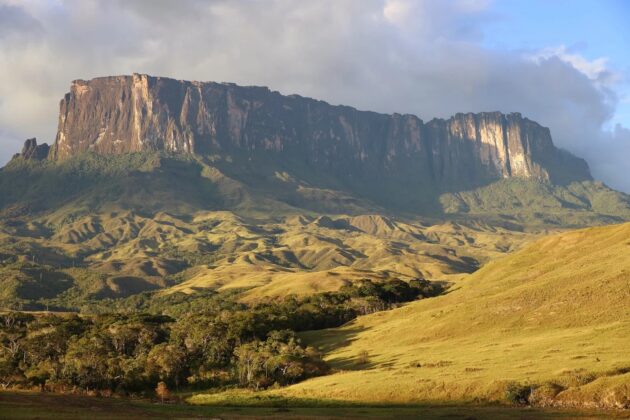
Mount Roraima (also known as Roraima Tepui) is one of the most extraordinary natural wonders on Earth — a massive tabletop mountain (tepui) rising dramatically from the Gran Sabana savannah. Sitting at the triple border of Venezuela (85% of the area), Brazil (5%), and Guyana (10%), this ancient plateau (~2 billion years old) inspired Arthur Conan Doyle’s “The Lost World” with its isolated ecosystem, unique endemic species, bizarre rock formations, crystal valleys, and otherworldly landscapes.
How to Get There
The only feasible trekking access is from the Venezuelan side (no tourist trails from Brazil or Guyana due to sheer cliffs).
Most practical route (recommended in recent years): Fly to Boa Vista, Brazil (Roraima state capital — good international connections). Take a bus or private transfer (~4–5 hours) to the Pacaraima border. Cross into Santa Elena de Uairén, Venezuela (border formalities usually smooth with tour assistance). From Santa Elena → jeep to Paraitepui indigenous village (starting point, ~2–3 hours).
Alternative (more complicated): Fly domestically in Venezuela to Puerto Ordaz/Ciudad Bolívar → overland to Santa Elena (roads can be poor).
Best Time to Visit
Mount Roraima has its own microclimate — expect rain and fog any time of year.
Drier season (October–March/April): Fewer heavy rains, more stable trails, clearer summit views. Peak season.
Rainy season (May–September): Muddy/slippery trails, higher waterfalls, but more clouds/fog on top.
Many experienced trekkers prefer the drier months for safety and enjoyment.
The Trek – What to Expect
Mandatory: You must go with a certified local guide (usually Pemón indigenous) and a tour operator. Independent trekking is illegal and dangerous.
Standard itinerary (6–9 days total): Day 1: Santa Elena → Paraitepui → Trek ~15 km across savannah → Base camp (Tek River area). Day 2: Steep ascent through “La Rampa” → Reach the summit plateau (~7 km, very strenuous) → Camp in caves/tents. Days 3–5/6: Explore the plateau (day hikes from camp). Last 2 days: Descent the same route.
Difficulty: Moderate to challenging. Requires good fitness, no technical climbing needed, but long days (6–10 hours), steep sections, river crossings, and rough rocky terrain on top.
Daily distances & conditions vary greatly depending on weather.
Highlights on the Summit
The 31 km² plateau feels like another planet. Must-see spots include:
Valley of Crystals (Vale dos Cristais) — surreal quartz fields (strictly no removing crystals!)
La Ventana — dramatic window viewpoint over the savannah & Kukenán tepui
Triple Border Point — concrete marker where Venezuela, Brazil & Guyana meet
Natural Jacuzzi pools, black rock labyrinths, carnivorous plants, endemic black toads & tiny frogs
Maverick Rock, El Foso, and countless bizarre wind-sculpted formations
Here are some magical scenes from the Crystal Valley and summit plateau:
Recommended Tour Operators
Backpacker Tours (Venezuela-based, frequently recommended)
Vago Tours (smooth Brazil pickup & border handling)
Osprey Expeditions, Mystic Tours, and others
Book months in advance, especially for drier season. Expect group sizes of 4–16 people.
What to Bring (Essentials)
Good waterproof trekking boots
Rain gear (poncho/jacket) & quick-dry clothes
Warm sleeping bag & mat (cold nights on top ~5–10°C)
Headlamp, strong sunscreen, insect repellent
Water purification & personal first-aid
Keep pack light (~8–12 kg personal items; porters carry group gear/food)
Final Thoughts
Mount Roraima is a once-in-a-lifetime adventure — a true “lost world” that feels untouched by time. The physical challenge, combined with its mind-bending scenery, makes it unforgettable for those who complete it.
Proceed with caution, stay informed about the security situation, choose a reputable operator, and prepare thoroughly. If conditions allow, this tepui trek remains one of South America’s greatest wilderness experiences. Safe travels!