



Ha Long Bay Travel Guide (2026)
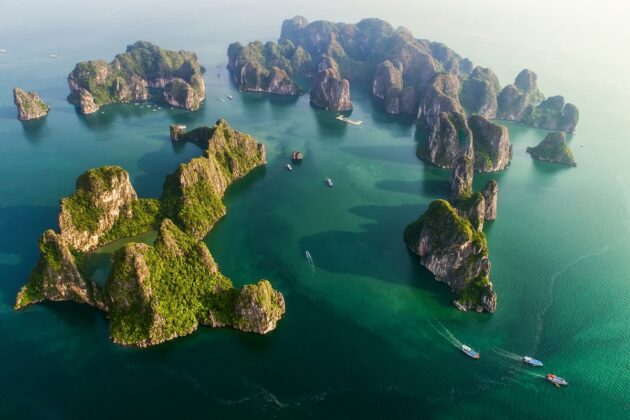
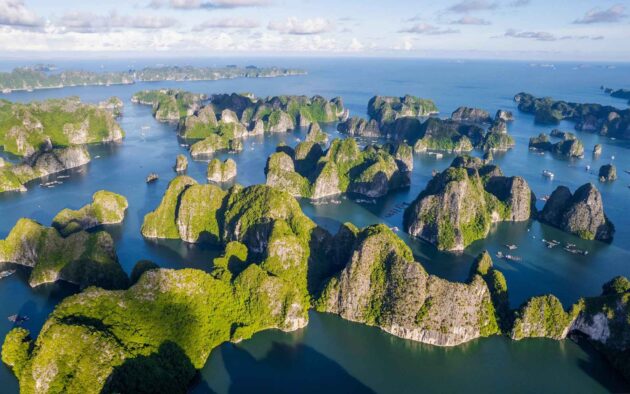
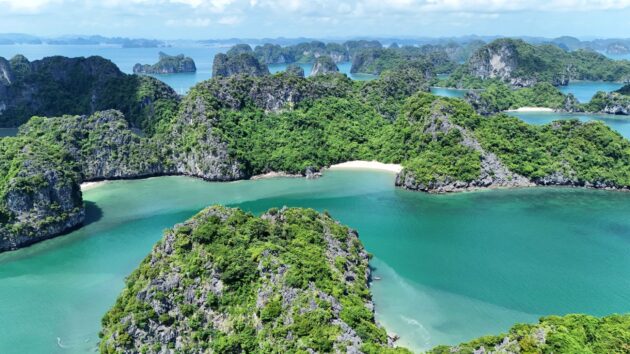
Ha Long Bay (Vịnh Hạ Long) in northeastern Vietnam is a UNESCO World Heritage Site renowned for its dramatic limestone karsts and emerald waters. The bay covers about 1,500–1,553 km² with roughly 1,600–2,000 islands and islets formed over millions of years. Its name means “descending dragon,” tied to a legend of a dragon plunging into the sea and creating the islands with its tail. Most visitors access it from Hanoi, about 170 km (105 miles) away, making it a popular side trip.
Best Time to Visit
Ha Long Bay has a tropical monsoon climate with distinct seasons:
Best overall (weather & scenery): March–May (spring) and September–November (autumn). These shoulder seasons bring mild temperatures (pleasant for outdoor activities), lower rainfall, clearer skies, and fewer extremes.
For swimming & water sports: May–September (warmer water, but higher chance of rain and humidity).
Budget travel: May, early June, or September often offer discounts on cruises (10–40% off peak rates) with decent conditions.
Avoid or prepare for: Winter (Nov–Mar) can be cooler (15–20°C/59–68°F) and misty; summer (May–Sep) brings heat, rain, and occasional typhoons. Crowds peak around major holidays.
Check forecasts closely, as fog or rain can limit views and activities.
How to Get There
The journey from Hanoi takes 2.5–3.5 hours one way via the Hanoi–Hai Phong–Ha Long Expressway.
Main options:
Shuttle/limousine bus (most popular): $10–25 USD per person round-trip. Door-to-hotel pickup in Hanoi’s Old Quarter; comfortable and convenient for most travelers.
Private car/taxi: $60–120+ USD one way (for 4-seater). Best for families/groups or flexible timing.
Local/public bus: Cheapest ($5–10 USD), but longer (3–4+ hours) and less comfortable—better for experienced budget travelers.
Seaplane: Previously available for a scenic ~45-minute ride, but discontinued as of April 2026.
Cruise packages almost always include transfers. No direct train service exists.
Day Trip vs. Overnight Cruise
This is the biggest decision for most visitors.
Day trips (from Hanoi or Ha Long City):
Pros: Affordable (often under $100/person including transfer), time-efficient, good intro to highlights like Sung Sot Cave (Surprise Cave), Ti Top Island (hike for views), and basic kayaking.
Cons: Rushed (long bus time eats into the day), crowded routes, misses sunset/sunrise magic. Best if you’re short on time or on a tight budget.
Overnight (2D1N) or 3D2N cruises:
Pros: More relaxed pace, access to quieter areas, sunset/sunrise on the water, extra activities (kayaking, cooking classes, tai chi, village visits, night squid fishing). Far more immersive and memorable.
Cons: Higher cost; quality varies widely.
Recommendation: Overnight is worth it for most people if your schedule allows—the bay truly shines in the quieter evening and early morning hours. Day trips suffice for a quick glimpse.
Alternative areas:
Bai Tu Long Bay (northeast of Ha Long): Quieter, fewer boats, similar scenery—great for avoiding crowds (slightly higher prices, stricter controls).
Lan Ha Bay (near Cat Ba Island): Wilder, good for kayaking/beaches; can be visited via day tours from Cat Ba without a full cruise.
Top Things to Do
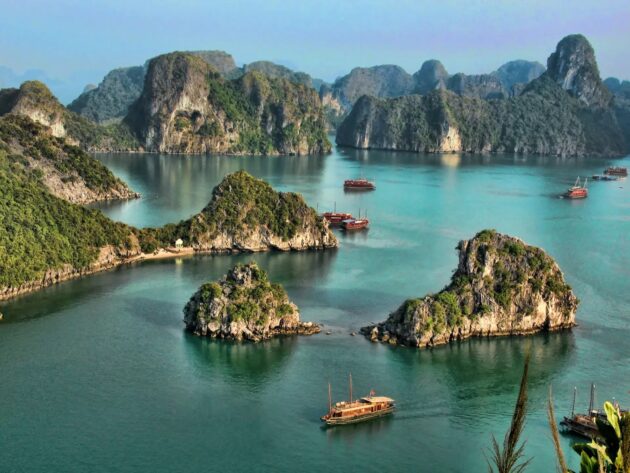
Cruising among the karsts and taking in the views from the deck.
Exploring caves: Sung Sot Cave is the most famous (large chambers with stalactites/stalagmites).
Kayaking or bamboo boating through hidden lagoons and tunnels (e.g., Luon Cave).
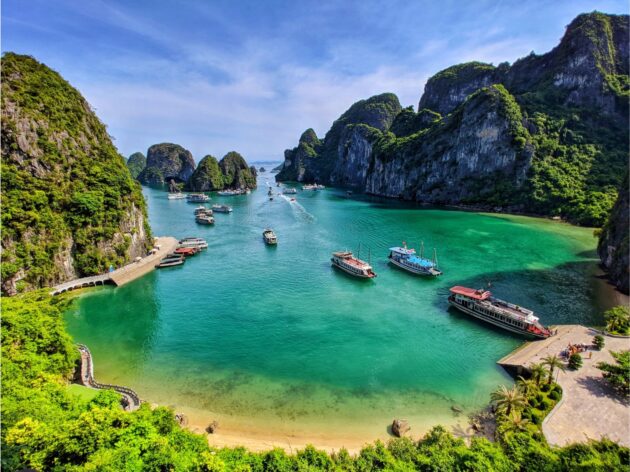
Hiking Ti Top Island or other viewpoints for panoramic bay vistas.
Visiting floating fishing villages (e.g., Vung Vieng or Cua Van—support local rowers where possible).
Other activities: Swimming (in designated areas), tai chi at sunrise, cooking classes, squid fishing at night, or pearl farm visits.
Itineraries vary by cruise—check inclusions carefully (kayaking, meals, transfers, etc.).
Choosing a Cruise
Hundreds of boats operate, ranging from basic to 5–6 star luxury. Quality, safety, and environmental practices differ significantly.
Budget/mid-range: $80–200+ USD per person for 2D1N. Luxury: $250–600+ USD (or more) with better cabins, food, service, and smaller groups.
Tips: Research recent reviews for service, food, and maintenance. Look for reputable operators (e.g., those with strong safety records and eco-practices). Prefer boats with permits for less-crowded zones like Bai Tu Long or Lan Ha for a better experience. Book in advance, especially for peak seasons. Platforms like Klook, GetYourGuide, or direct cruise sites are common.
Safety note: Stick to licensed operators. Weather can affect schedules—cruises may adjust or cancel in bad conditions.
Costs (Approximate)
Cruise (2D1N): $80–600+ per person (includes meals, activities, transfers for many packages).
Day tour: $25–100+. Extras: Cave/kayak fees (often included), tips, drinks, personal expenses. Entry/impact fees: Usually bundled; Vietnam has invested in conservation programs.
Budget travelers can find deals in shoulder/low seasons. Factor in Hanoi accommodation and food separately.
Practical Tips
What to pack: Light layers (temperatures vary), comfortable shoes for hiking/caves, swimsuit, sunscreen, hat, rain jacket (wet season), motion sickness remedies if needed, reusable water bottle, and cash (small bills).
Environmental considerations: The bay faces tourism pressure (waste, overcrowding). Vietnam has ongoing cleanup and conservation efforts, including boat limits and protected zones in discussion as of 2026. Choose responsible operators that minimize impact, avoid single-use plastics, and follow “no-touch” rules for the ecosystem.
Crowds: Expect many boats on popular routes—go early or choose quieter bays for serenity.
Visa: Most nationalities can get e-visas or enjoy visa exemptions (check current rules for your passport).
Health/safety: Stay hydrated, use insect repellent, and follow boat safety briefings. Water quality has improved in monitored areas but varies.
Final Thoughts
Ha Long Bay lives up to its reputation as one of Vietnam’s highlights when experienced thoughtfully—ideally with an overnight cruise in good weather. Combine it with time in Hanoi or a trip to Ninh Binh or Cat Ba for a fuller northern Vietnam itinerary.