
Phong Nha-Ke Bang National Park Travel Guide (2026)
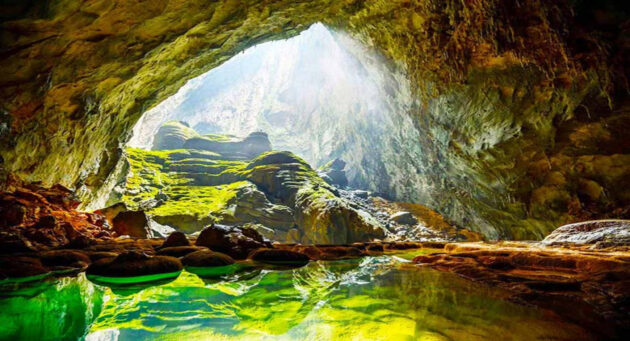
Phong Nha-Ke Bang National Park in Quang Binh Province, central Vietnam, is a UNESCO World Heritage Site renowned for its spectacular limestone karst landscape, one of the oldest and most complex in Southeast Asia, and an extensive cave system—home to some of the world’s largest caves. Millions of years of geological processes created hundreds of caves and grottoes, with over 300 documented and many more unexplored.
The park features pristine jungle, underground rivers, and dramatic karst mountains, making it Vietnam’s premier adventure destination for caving, hiking, kayaking, and rural exploration. It’s still relatively undeveloped compared to places like Ha Long Bay, offering a more intimate, pristine experience.
Why Visit Phong Nha-Ke Bang?
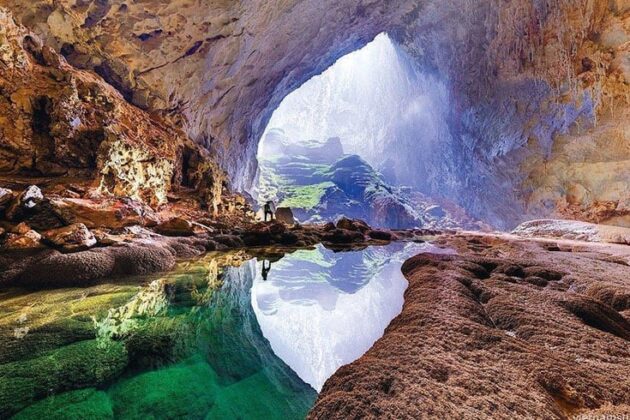
The park stands out for its geological significance: it contains the world’s largest cave (Son Doong), Asia’s oldest karst formations, and extraordinary cave diversity, including dry caves with massive chambers and wet caves with navigable underground rivers. Above ground, expect lush jungle, rice paddies, and friendly local villages. Activities range from easy boat tours and boardwalk walks to multi-day expeditions involving trekking, swimming, and crawling. Many visitors call it one of their favorite spots in Vietnam for its mix of natural beauty, adventure, and laid-back vibe.
Best Time to Visit
The dry season (roughly February to August/September) is ideal, with warmer temperatures (28–34°C) and lower rainfall, making caves and outdoor activities more accessible. Avoid the rainy season (September to November), when some wet caves may flood and close, and multi-day treks are often suspended. Shoulder months like April–May or post-rainy periods can still be good but check conditions. Summers can be hot and humid.
How to Get There
Phong Nha town serves as the main base, about 45 minutes from Dong Hoi (the nearest hub).
By air: Fly into Dong Hoi Airport (VDH) from Hanoi (≈1.5 hours) or Ho Chi Minh City. There are daily domestic flights; some international connections (e.g., from Chiang Mai). From the airport, take a taxi, shuttle, or hotel pickup (≈45–60 minutes to Phong Nha).
By train: The Reunification Express stops at Dong Hoi station. From Hanoi (overnight, scenic but long), Hue (3–4 hours), or Da Nang (5–6 hours). Then transfer by taxi, bus, or hotel shuttle to Phong Nha.
By bus: Convenient sleeper or limousine buses run directly to Phong Nha from Hanoi (≈9 hours, ~300,000 VND), Hue, Da Nang/Hoi An, and Ninh Binh. Many hostels/hotels offer pickup.
Tip: Book transport in advance during peak season. Many accommodations arrange transfers.
Top Things to Do
Focus on the caves, but don’t skip the countryside.
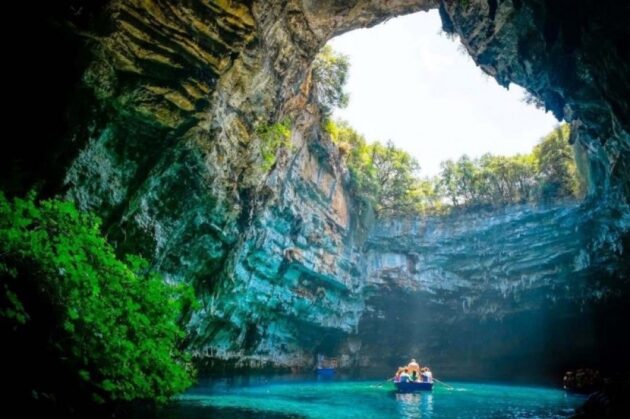
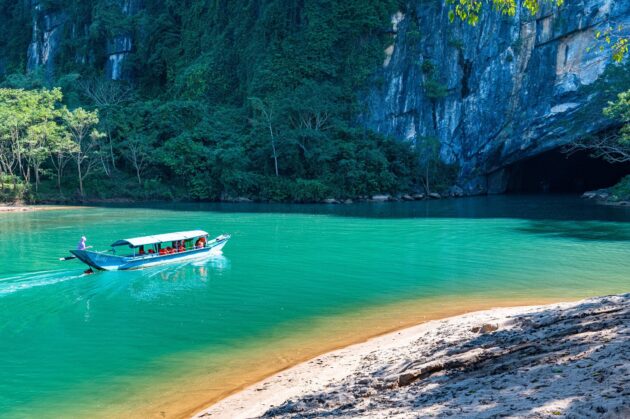
Phong Nha Cave — Classic boat ride along the Son River into a stunning cave with impressive stalactites and named formations (e.g., “Lion,” “Unicorn”). Entry ≈150,000 VND/adult + shared boat fee (≈550,000 VND/boat for up to 12 people). Often combined with nearby Tien Son Cave. A more historical and watery experience.
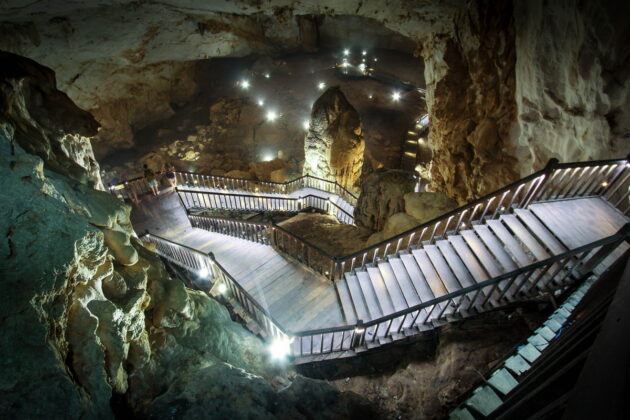
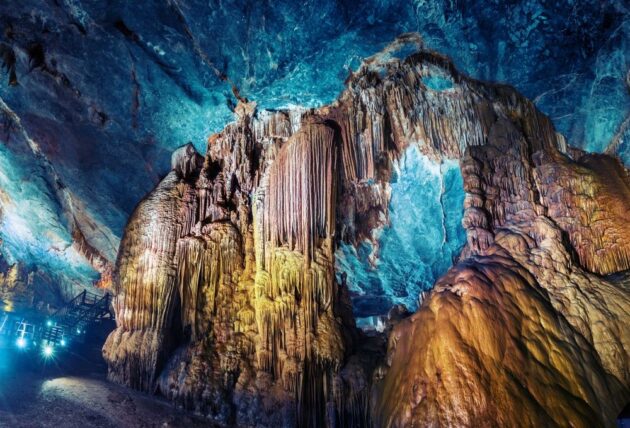
Paradise Cave (Thien Duong Cave) — One of the most accessible and breathtaking: a massive dry cave with a long wooden boardwalk through enormous chambers and dazzling formations. It’s often called a “must-visit.” Entry ≈250,000 VND/adult (includes electric cart to the entrance). Allow 2–3 hours. Frequently paired with other sites on day tours.
Dark Cave (Chay River) — Adventurous combo: zipline, kayak, mud bath/swim in the dark cave, and obstacle courses. Full package ≈450,000 VND (high season; includes equipment). Great for families and thrill-seekers. Lower-price options exist without zipline.
Other Adventures:
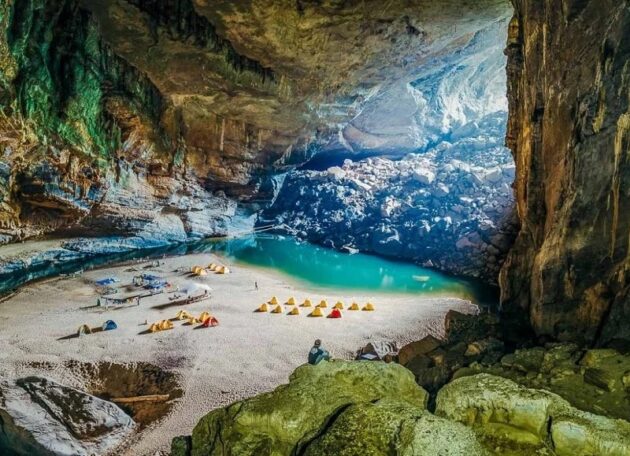
Hang En Cave or Tu Lan system: Multi-day treks with swimming, camping, and stunning scenery (book through reputable operators like Oxalis).
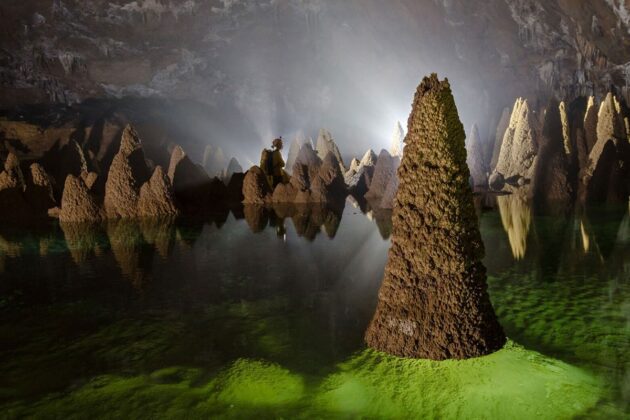
Son Doong Cave: The world’s largest—requires a pricey, highly regulated multi-day expedition (limited spots; book well ahead via Oxalis Adventure).
Jungle hiking, kayaking on rivers, cycling/scootering through Bong Lai Valley rice fields and villages, or relaxing at Mooc Springs.
Tours: Many combine 2–3 caves in a day (e.g., Paradise + Dark Cave) for $60–80 USD/person, including transport and lunch. Independent visits are possible for some sites, but tours simplify logistics. Reputable operators include Oxalis (for serious caving) and local agencies. Always confirm current prices and availability.
Note on fees: Prices can vary by season; children often get discounts based on height. Check on-site or with your provider for updates.
Where to Stay
Phong Nha town: Convenient for restaurants and transport. Options include Central Backpackers or Easy Tiger Hostel (lively, social vibe) and riverside guesthouses.
Countryside/farmstays: More peaceful with nature views—Phong Nha Farmstay (pools, bikes/kayaks, restaurant), Nguyen Shack, or Carambola Bungalows. Homestays like Sy’s or Thao Nguyen offer authentic, budget-friendly experiences.
Higher-end: Victory Road Villas or eco-resorts with mountain/river views.
Book ahead in high season. Many places offer tours, bike rental, and meals.
Food and Drink
Local specialties include grilled meats (thit nuong) with dipping sauces. You’ll find plenty of Vietnamese staples plus Western options (pizzas, burgers, smoothies) at traveler-oriented spots. Try:
Family-run restaurants or homestay meals.
Places like Bamboo Chopsticks, Lantern Restaurant, or the “Best Spit Roast Pork” spot.
Coffee shops for smoothies and local brews; rooftop bars for sunsets.
Vegetarian/vegan options are available.
Practical Tips
Getting around: Rent a motorbike/scooter or bicycle to explore independently (countryside roads are scenic but can be winding). Taxis or Grab (if available) for shorter trips. Tours handle most cave access.
What to bring: Comfortable shoes (some stairs/mud), quick-dry clothes, swimsuit (for Dark Cave/mud), insect repellent, flashlight/headlamp, reusable water bottle, and rain gear in shoulder seasons. Cash is useful as ATMs may be limited.
Safety: Generally very safe and friendly. Stick to marked paths/tours for caves. Use reputable guides for treks. Respect the environment—no touching formations.
Health/Accessibility: Some caves involve steps, uneven terrain, or physical activity. Not all are wheelchair-friendly; check specifics. Basic medical facilities in Dong Hoi; bring any needed meds.
Sustainability: Support eco-friendly operators and local businesses. The park is protected—follow “leave no trace” principles.
Recommended Duration: At least 2–3 days (more for serious caving like Son Doong or Hang En). One day works for a quick Paradise + Dark Cave combo from Dong Hoi, but you’ll miss the relaxed vibe.
Final Thoughts
Phong Nha-Ke Bang rewards those who linger: the caves are world-class, but the peaceful rural setting and warm locals make it special. Plan ahead for popular tours, embrace the adventure, and enjoy one of Vietnam’s most underrated gems. Safe travels!