


Chiang Mai Travel Guide (2026)
Chiang Mai, the cultural capital of Northern Thailand, offers a relaxed vibe compared to Bangkok, with ancient temples, vibrant night markets, incredible northern Thai food, lush mountains, and opportunities for ethical wildlife encounters. Surrounded by hills and former Lanna Kingdom heritage, it serves as an ideal base for exploring temples, nature, and hill tribes.
Best Time to Visit
The cool, dry season from November to February is the most popular and comfortable period, with pleasant daytime temperatures (around 20-28°C/68-82°F) and cooler nights. This is peak season for festivals, trekking, and clear mountain views, though crowds and prices are higher.
March-May (hot/smoky season): Temperatures can climb into the 30s-40s°C (86-104°F), with haze from agricultural burning reducing visibility—avoid if air quality concerns you.
June-October (rainy season): Lush green landscapes, powerful waterfalls, and fewer crowds, with lower prices. Rain is often afternoon showers, making mornings good for activities. Some prefer this for vibrant scenery.
Note: February-April can bring “smoky season” air pollution in the north; check AQI forecasts if you have respiratory issues.
Top Things to Do
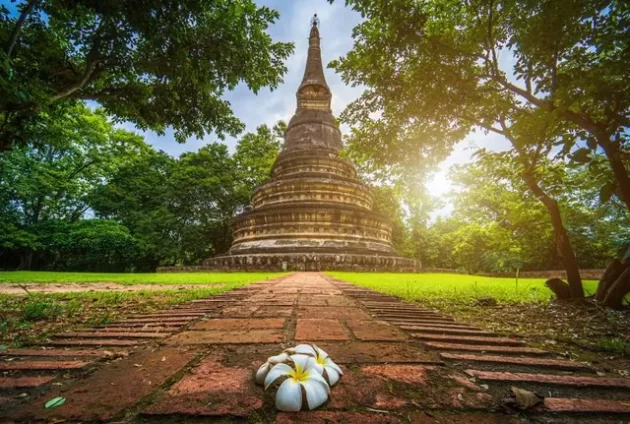
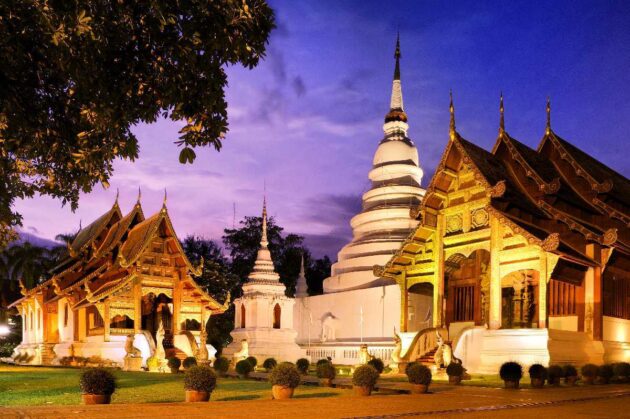
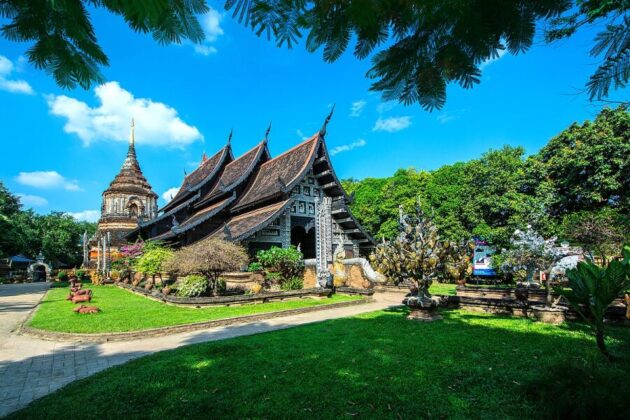
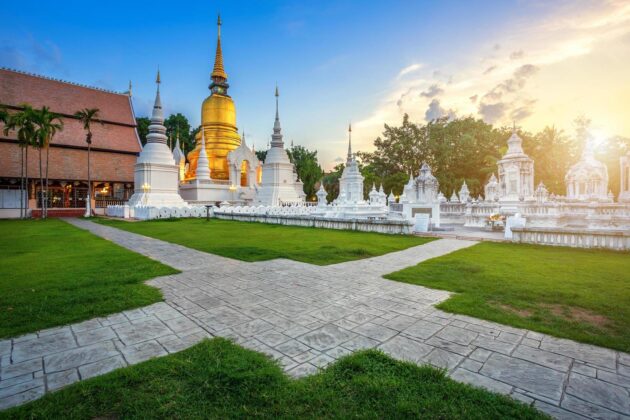
Chiang Mai has over 300 temples (wats), so temple-hopping is a highlight—dress modestly (cover shoulders/knees, remove shoes).
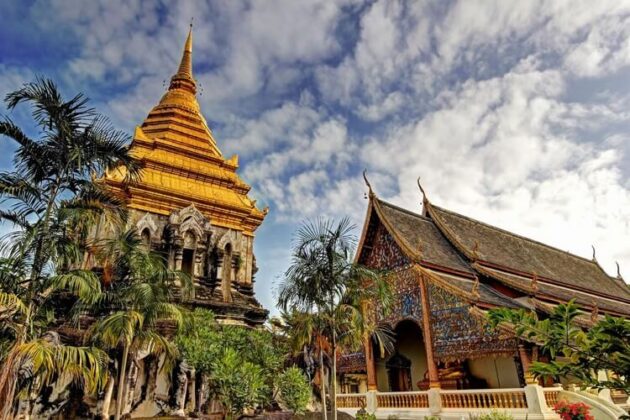
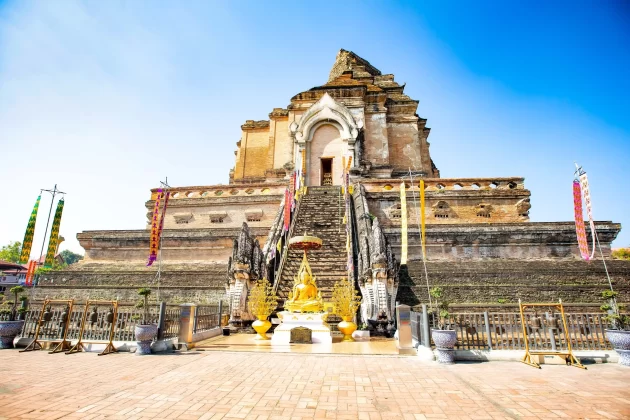
Old City Exploration: Wander the historic square with moats and walls. Key temples include Wat Phra Singh, Wat Chedi Luang, and Wat Chiang Man. Many are free or low-cost (20-50 THB).
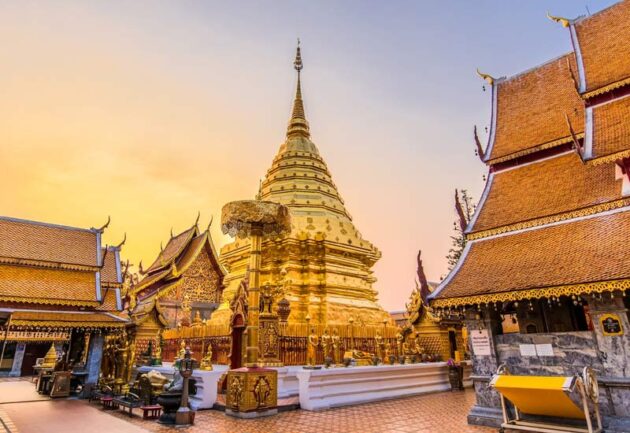
Wat Phra That Doi Suthep: The iconic hilltop temple with golden chedi and city views. Hike the “Monk’s Trail” (Pilgrim’s Path) to the serene jungle temple Wat Pha Lat for a more peaceful experience.
Night Markets: Sunday Walking Street (Old City) or the Night Bazaar for souvenirs, street food, and atmosphere. Other options include Warorot Market for local vibes.
Ethical Elephant Experiences: Visit sanctuaries like Elephant Nature Park (highly recommended for rescue and education—no riding). Observe, feed, and learn about these animals in natural settings. Avoid camps offering rides or shows.
Nature & Day Trips: Doi Inthanon National Park (Thailand’s highest peak)—waterfalls, trails, and cooler climate. Sticky Waterfalls (Bua Thong): Climb the mineral-coated rocks that feel grippy. Chiang Rai for the White Temple, Blue Temple, and Golden Triangle (full-day tour option). Hiking, ziplining, or visits to hill-tribe villages.
Other Highlights: Thai cooking classes, traditional massages (very affordable), coffee shops (Nimmanhaemin area has a strong café scene), and festivals like Yi Peng (lantern release, usually November).
A 3-5 day itinerary often includes 1-2 days in the Old City/temples/markets, one for Doi Suthep + Wat Pha Lat, and 1-2 for a sanctuary + nature day trip.
Where to Stay
Old City (inside the moat): Best for first-timers—walkable to temples, markets, and restaurants. Options range from budget guesthouses to boutique heritage hotels.
Nimmanhaemin (Nimman): Trendier area with cafés, bars, and modern vibes; popular with digital nomads.
Riverside/Night Bazaar area: Good for luxury resorts and proximity to shopping/evening action.
Food Scene
Northern Thai cuisine shines here—milder and more aromatic than central/southern styles.
Must-Try Dishes: Khao Soi: Coconut-curry noodle soup with crispy noodles (iconic northern dish). Sai Oua: Grilled herb sausage. Gai Yang: Grilled chicken. Gaeng Hung Lay: Burmese-influenced pork curry.
Street food favorites: Mango sticky rice, som tam (papaya salad), larb (minced meat salad), and khao kha moo (braised pork leg over rice).
Where to Eat: Night markets, Chiang Mai Gate Market, Warorot Market, or local spots like those near the gates. Cooking classes are a fun way to learn. Vegetarian/vegan options are plentiful.
Getting There & Around
Airport (CNX): Modern and close to the city (10-20 min). Airport taxi ~150 THB flat rate; Grab/Bolt rideshares are convenient and cheap; shared songthaew (red trucks) or bus for budget. Pre-book private transfers for ease.
In the City: Walk the Old City. Use Grab (like Uber) for rides, red songthaews (shared pickups—negotiate or flag), tuk-tuks, or rent a scooter/motorbike (~200-350 THB/day) for flexibility on day trips. Drive on the left; helmet required. No metro.
Longer distances: Buses, minivans, or organized tours for Doi Inthanon, Chiang Rai, etc.
Practical Tips & Safety
Chiang Mai is generally very safe for tourists, with low violent crime rates—one of the safer cities in Southeast Asia. Watch for petty theft (pickpocketing) in crowded markets, use reputable transport, and secure valuables. Standard precautions apply: drink bottled water, use mosquito repellent, and be polite at any police checkpoints if riding a scooter.
Currency: Thai Baht (THB). ATMs widespread; cards accepted in tourist areas.
Health: No special vaccines usually required beyond routine; consider hepatitis A/typhoid. Pharmacies are common.
Respect: Remove shoes at temples/homes; don’t point feet at Buddha images or people. Monks shouldn’t be touched by women.
Other: Bargain at markets (politely). Prepare for variable weather and potential smoke. English is widely spoken in tourist zones.
Final Thoughts
Chiang Mai blends culture, nature, and chill vibes perfectly for a few days to a few weeks. It’s easy to extend your stay once you settle into the rhythm. For the latest on events, air quality, or specific tours, check recent traveler forums or official tourism sites when planning. Safe travels!