
Phuket Travel Guide (2026)
Phuket, Thailand’s largest island, is a premier tropical destination famous for its stunning Andaman Sea beaches, limestone karsts, vibrant marine life, and mix of relaxation, adventure, and culture. Whether you’re seeking party vibes, family-friendly shores, luxury resorts, or island-hopping, Phuket delivers—though it can feel crowded in peak season.
Best Time to Visit
The dry season (November to April) is ideal for beachgoing, swimming, and boat trips, with sunny days, calm seas, and temperatures in the low 80s°F (around 27–31°C). Peak crowds and higher prices hit December–February, especially around Christmas/New Year. November, March, and April offer a good balance of good weather and fewer tourists.
The wet/monsoon season (May–October) brings lower prices, lush greenery, occasional heavy rains (often short afternoon showers), and rougher seas that can limit island tours or make swimming risky due to strong currents. It’s better for surfing or indoor activities, but some beaches remain swimmable on calmer days.
Getting There and Around
Flights: Most international and domestic travelers arrive at Phuket International Airport (HKT), about 45–60 minutes from major beaches. Direct flights from many Asian hubs and connections via Bangkok are common. From Bangkok’s Suvarnabhumi (BKK), frequent short flights (1–1.5 hours) are the easiest option.
Transfers: Airport taxis, private transfers, or shared vans/minibuses to beaches like Patong, Kata, or Karon cost roughly 500–1,500+ THB depending on distance and group size. Grab (ride-hailing) or hotel shuttles work well.
Getting Around Phuket: Rent a scooter (international permit recommended; drive cautiously—accidents are common), use Grab/taxis, or join organized tours. Songthaews (shared trucks) or long-tail boats for short hops. Traffic can be heavy near tourist areas.
Where to Stay: Best Areas and Beaches
Patong Beach
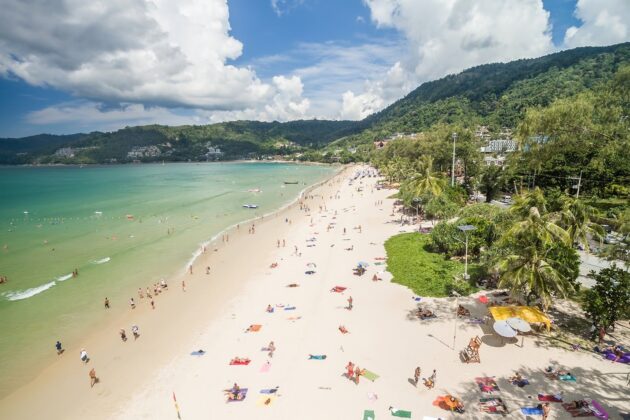
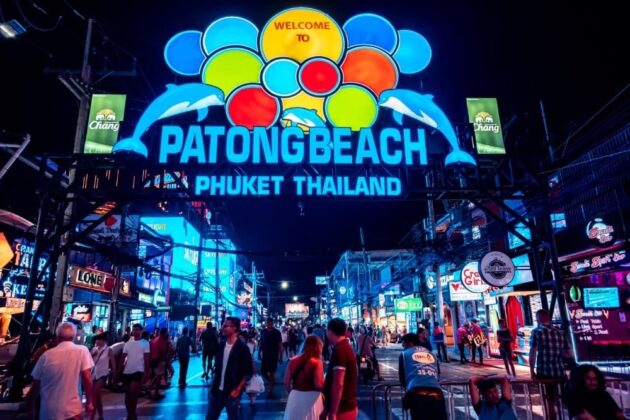
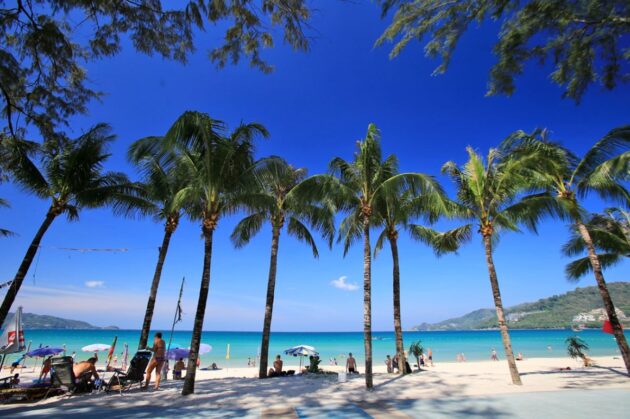
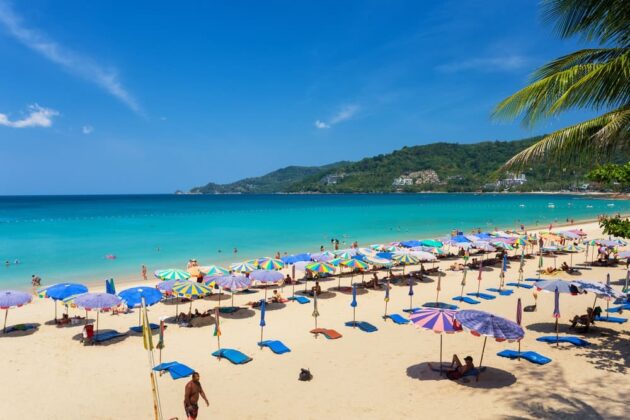
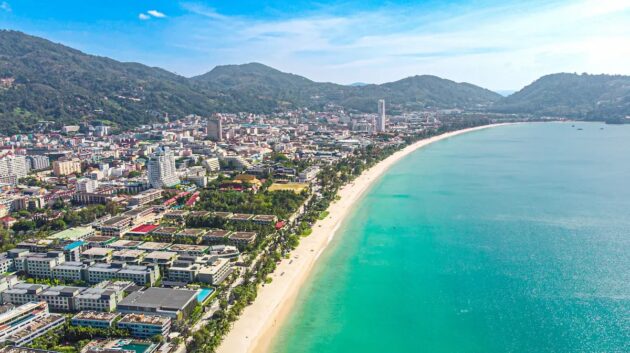
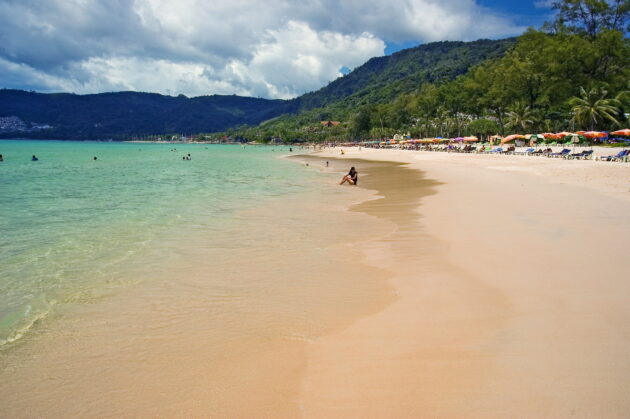
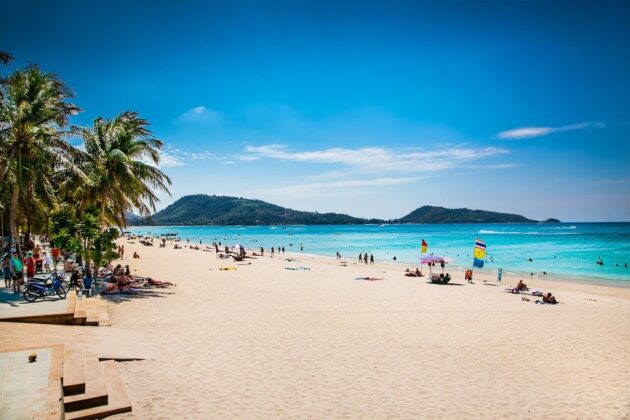
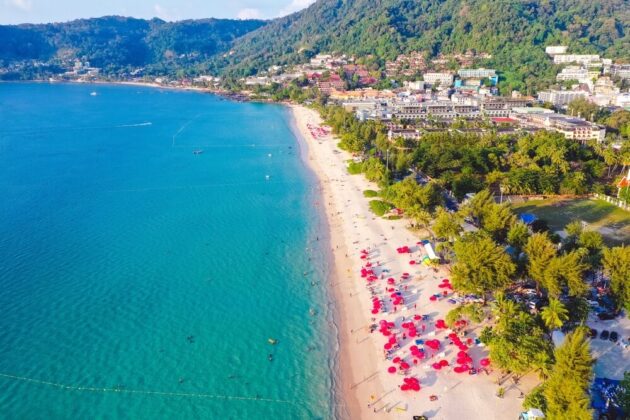
Patong Beach is Phuket’s most famous and energetic beach resort area, known for its long stretch of golden sand, vibrant nightlife on Bangla Road, water sports, shopping, and endless dining options. It’s a 3 km (about 2-mile) beach on Phuket’s west coast, packed with sun loungers, jet ski operators, parasailing, and beach bars during the day, then transforms into a neon-lit party hub after dark.
Karon Beach
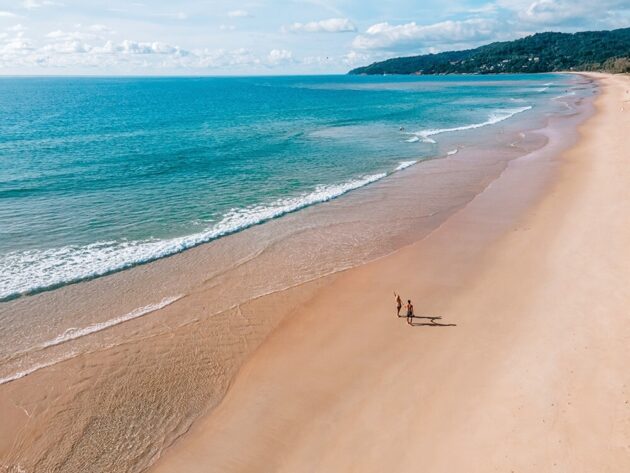
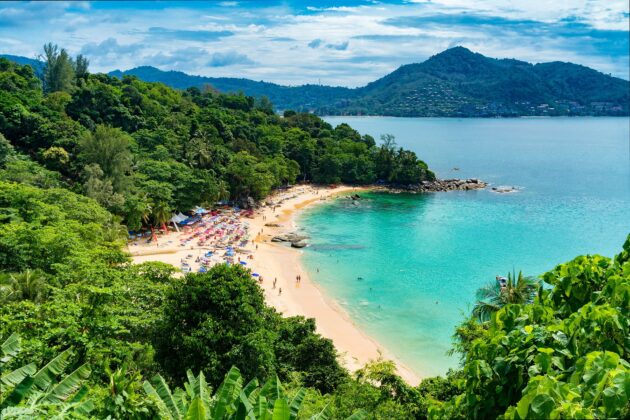
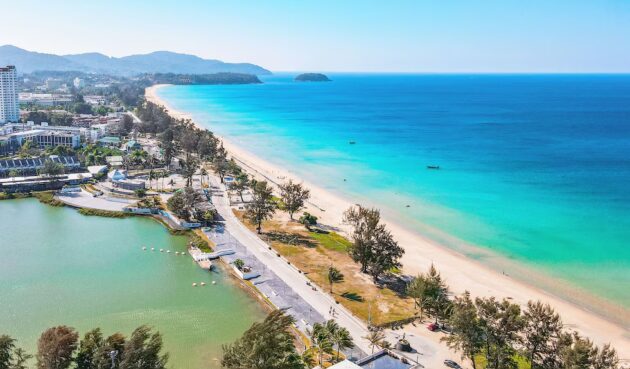
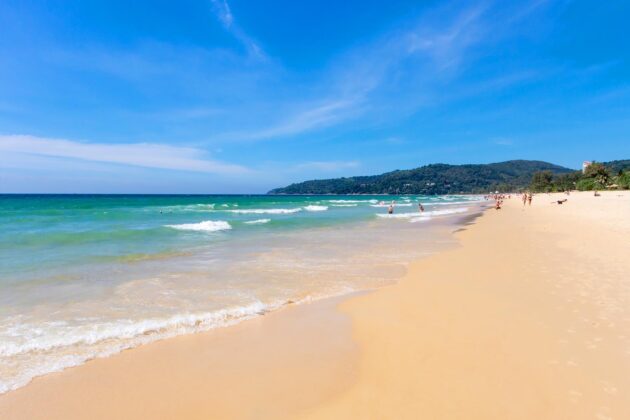
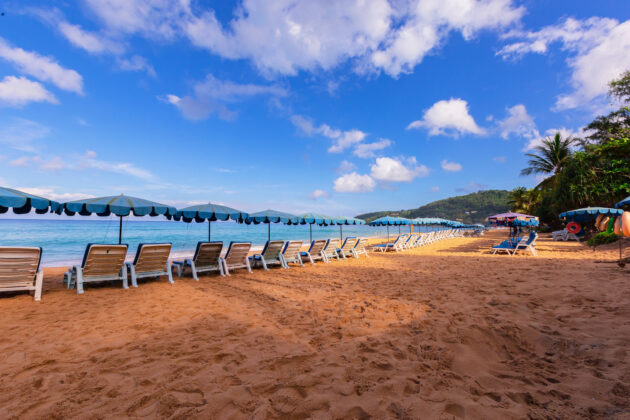
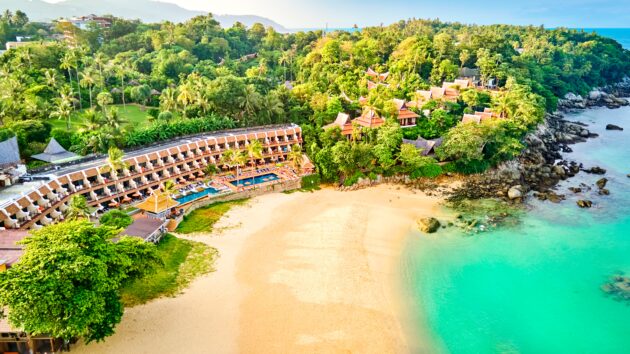
Karon Beach in Phuket, Thailand, offers a more tranquil and relaxed alternative to the bustling Patong, featuring a long, sprawling stretch of soft golden sand along the Andaman Sea. Its wide shoreline and relatively calm, clear waters make it ideal for swimming and sunbathing, while the southern end provides decent waves for beginner bodyboarders during the monsoon season.
Top Things to Do
Beach Time & Water Activities: Swim, snorkel, or relax at the main beaches. Try parasailing, jet-skiing, or stand-up paddleboarding.
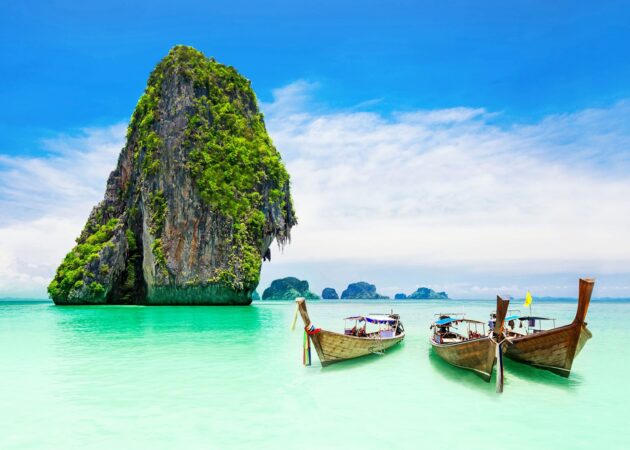
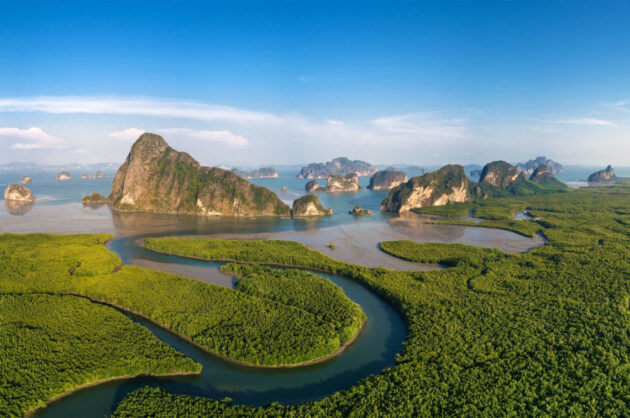
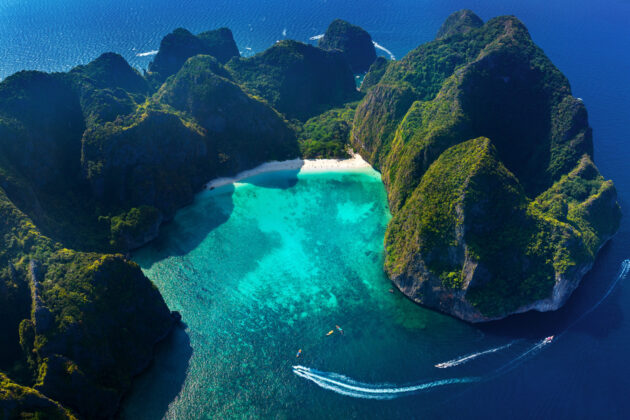
Island Hopping: Day trips to Phi Phi Islands (Maya Bay of The Beach fame), Phang Nga Bay (James Bond Island via long-tail boat or sea canoe), Bamboo Island, or Coral Island. Speedboat or big-boat tours include lunch/snorkeling—book reputable operators for safety.
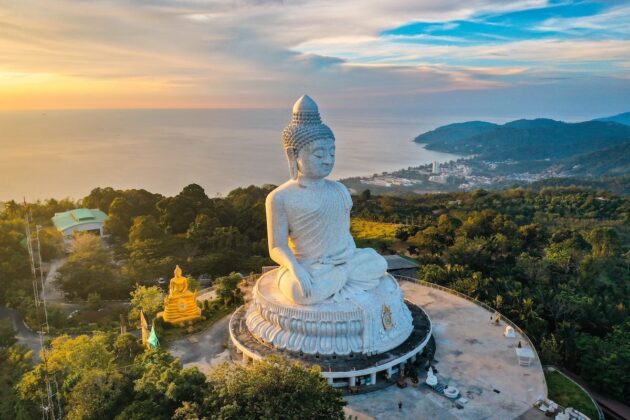
Big Buddha: Visit the massive 45m white marble statue on Nakkerd Hill for panoramic views and a cultural moment. Nearby Wat Chalong is Phuket’s largest temple.
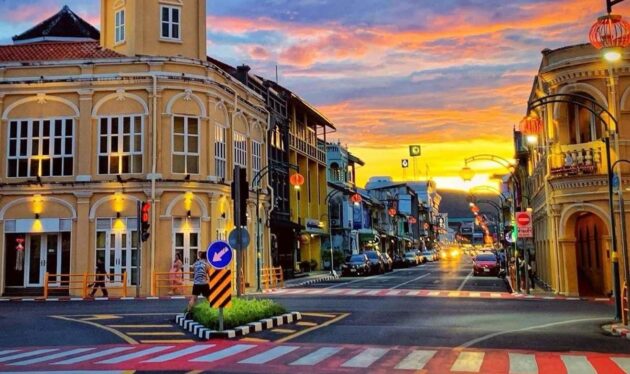
Phuket Old Town: Explore Sino-Portuguese architecture, colorful shophouses, street art, cafes, and markets. Great for walking, photos, and evening vibes.
Viewpoints: Promthep Cape (sunsets), Windmill Viewpoint, or Kata hills for sweeping coastal views.
Elephant Sanctuaries: Ethical options (no riding) for observing/feeding rescued elephants in jungle settings.
Other Adventures: ATV/jungle tours, Aquaria Phuket, water parks like Andamanda, or scuba diving (best Nov–Apr). Night markets for shopping and street food.
For a relaxed pace, 4–7 days works well; add more for multiple island trips.
Food Scene: What to Eat
Phuket blends Thai, Chinese, Malay, and seafood influences (it’s a UNESCO City of Gastronomy). Must-tries:
Moo Hong: Slow-braised pork belly in aromatic spices—Phuket’s signature dish.
Seafood: Fresh crab in yellow curry (bu pad pong kari), steamed fish with lime/chili, grilled prawns or lobster.
Noodles: Hokkien mee (stir-fried yellow noodles), mee hoon (rice vermicelli), or pad mee.
Curries & Local: Kanom jeen (fermented rice noodles with curry), tamarind shrimp, pineapple pork curry.
Street Food/Breakfast: Moo ping (grilled pork skewers), jok (rice porridge), coconut crepes (aa pong), dim sum in Old Town.
Markets: Try Lock Tien food court in Old Town or night markets for affordable local eats.
Vegetarian/vegan options are widely available; halal food in Muslim communities (e.g., Rawai area).
Practical Tips
Budget: Mid-range travelers can manage comfortably (hotels, meals, tours). Street food is cheap; sit-down or tourist spots cost more. Expect higher prices in Patong.
Safety: Phuket is generally safe for tourists, but exercise standard caution—petty theft in crowds, scams (jet-ski “damage” claims, overpriced tours), and strong rip currents (swim where flagged). Avoid the deep south provinces unrelated to Phuket. Road safety is key if scootering. Drink responsibly in nightlife areas.
Health/Other: Stay hydrated, use reef-safe sunscreen, and respect temples (modest dress, remove shoes). Mosquito repellent for evenings. ATMs are common; cards widely accepted, but carry cash for markets/taxis.
Sustainability: Choose ethical elephant experiences, reef-friendly tours, and reduce single-use plastic.
Final Thoughts
Phuket can feel touristy, so venture slightly off the main strips for a more authentic side—Old Town, quieter southern beaches, or community tours. For the latest on weather, entry rules, or specific bookings, check official Thai tourism sites or apps like Trip.com/Klook for tours.