
Phi Phi Islands Travel Guide (2026)
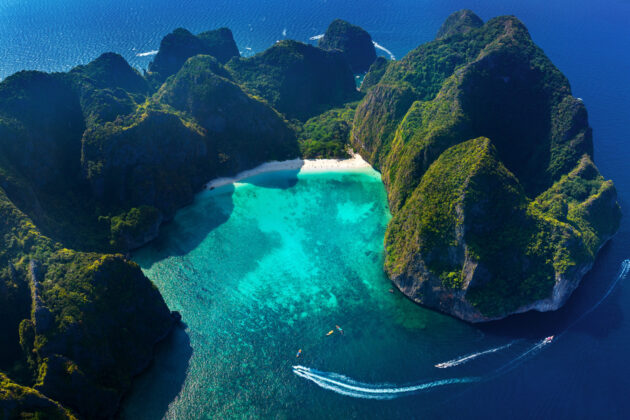
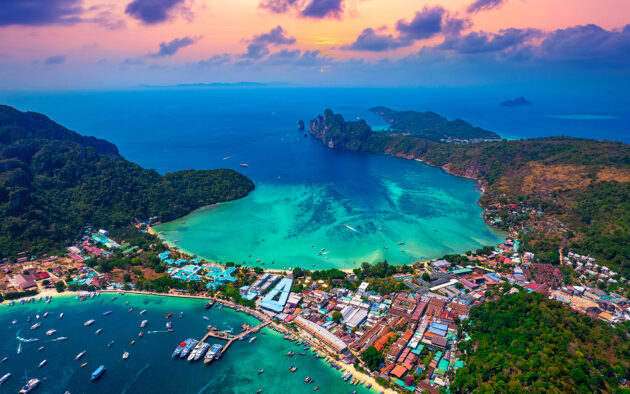
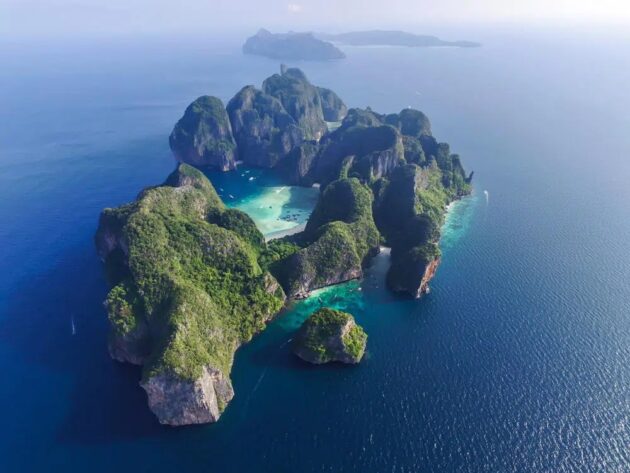
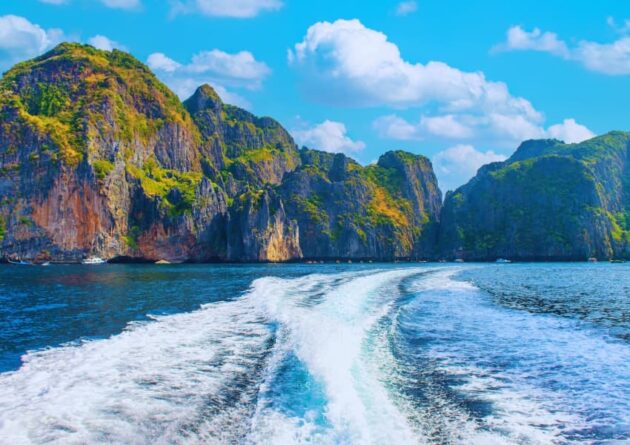
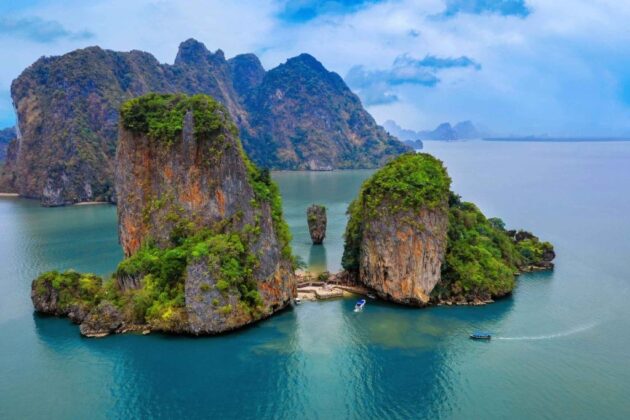
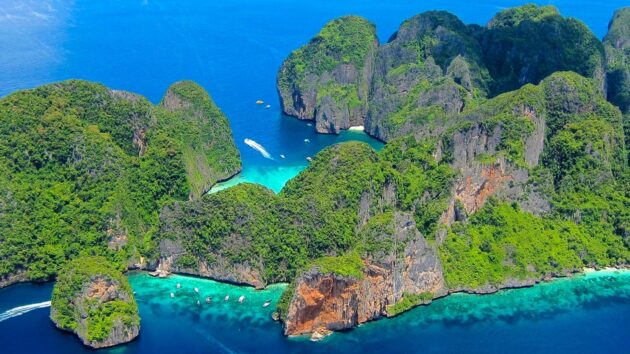
Phi Phi Islands (Koh Phi Phi), a stunning archipelago in Thailand’s Andaman Sea, famous for dramatic limestone cliffs, turquoise waters, vibrant marine life, and the iconic Maya Bay from the movie The Beach. The main inhabited island is Phi Phi Don (with Ton Sai Village as the hub), while Phi Phi Leh is mostly uninhabited and part of a national park.
Phi Phi is easily accessible as a day trip from Phuket (your likely base) or Krabi, or as an overnight stay for a more relaxed vibe. It’s beautiful but can feel crowded and party-oriented—plan ahead to maximize the experience.
Getting There from Phuket
No airport on Phi Phi—all access is by boat from Phuket’s Rassada Pier (southeast Phuket).
Ferry: ~1.5–2 hours, more stable and comfortable (good for families or those prone to seasickness). Prices around 600–1,200 THB round-trip. Multiple daily departures (e.g., morning and afternoon).
Speedboat: ~1–1.5 hours, faster but bumpier. Often 800–1,700+ THB round-trip. More departures throughout the day.
Schedules (approximate; always confirm as they vary seasonally): Ferries often depart ~8:30 AM, 11:00 AM, 1:30–3:00 PM. Speedboats have more frequent slots starting early morning.
Book via sites like 12Go, Ferryhopper, or directly at the pier (advance booking recommended in peak season). Many day tours include hotel pickup in Phuket. From other spots: similar boats from Krabi (~1–2 hours) or Koh Lanta (~30–45 min by speedboat).
Tip: Arrive at the pier 30+ minutes early. Pregnant travelers should stick to ferries for safety.
Best Time to Visit
High/Dry Season (November–April): Best overall—calm seas, clear water for snorkeling/diving, sunny skies, and reliable boat schedules. Peak crowds (and higher prices) in December–February.
Shoulder (March–April, early November): Good balance of weather and fewer crowds.
Low/Rainy Season (May–October): Cheaper, quieter, but rougher seas, more rain (often short bursts), and reduced visibility. Maya Bay often closes August–September for ecological recovery.
Sea conditions matter more than rain for boat trips—check forecasts. For fewer crowds on day trips, aim for mid-week (Tue–Thu) and early departures.
Top Things to Do
Phi Phi shines for island hopping, water activities, and viewpoints. Most visitors do a full-day speedboat or longtail boat tour covering multiple spots (often 1,400–2,800 THB/person including lunch/snorkel gear; national park fees extra ~400 THB/adult).
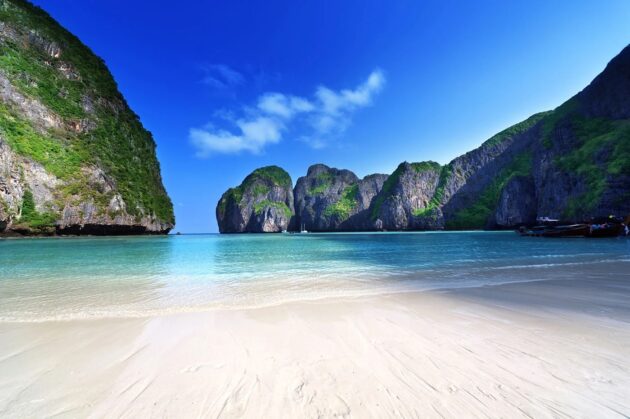
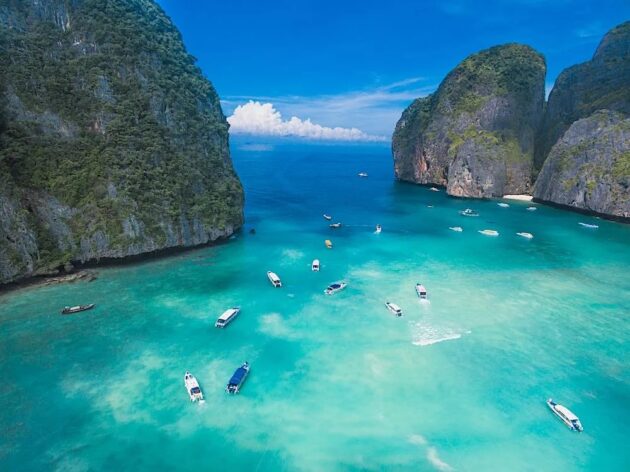
Maya Bay (Phi Phi Leh): Iconic beach with towering cliffs. Swimming is not allowed (to protect the ecosystem); access via a boardwalk from nearby Loh Samah Bay. Visitor limits and timed entries apply. Still breathtaking—early tours beat the worst crowds. Often closed Aug–Sep.
Pileh Lagoon: Emerald-green enclosed lagoon—swim or kayak in calm, stunning waters.
Bamboo Island: Beautiful beach for relaxing and snorkeling (when conditions allow).
Monkey Beach: Wild monkeys (don’t feed or get too close—keep distance and secure belongings).
Viking Cave: Dramatic rock formations (view from boat; landing restricted).
Snorkeling/Diving: Excellent reefs with colorful fish, turtles, and occasional reef sharks. Visibility best in dry season. Many tours stop at multiple sites. Scuba options abound for certified divers.
Phi Phi Don Highlights: Hike to the Viewpoint (steep but rewarding panoramic views, especially at sunset—~30–45 min walk from Ton Sai). Relax on Long Beach (quieter, nicer sand than Ton Sai). Kayaking, rock climbing, or night snorkeling.
Overnight stays let you enjoy beaches after day-trippers leave, explore at your pace, and catch sunsets or quieter snorkel spots.
Where to Stay
Ton Sai Village/Pier Area: Budget-friendly, lively with restaurants, bars, shops, and easy boat access. Can be noisy/party-focused.
Long Beach: Quieter, beautiful stretch—great for relaxation (short longtail taxi or hike from Ton Sai). Options like Phi Phi The Beach Resort.
Laem Tong or other northern beaches: More upscale, secluded resorts (e.g., Zeavola for luxury/sustainability).
Budget: Hostels/guesthouses in Ton Sai (~500–2,000 THB/night).
Mid-range/Luxury: Beach resorts or cliff-view spots (2,000–10,000+ THB).
Book ahead in high season. An “island fee” (~20 THB) may apply on arrival.
Food, Costs, and Practical Tips
Food: Fresh seafood, Thai classics (pad Thai, curries, mango sticky rice), and beachside spots. Ton Sai has everything from street food to restaurants. Avoid overpriced Western food—stick to Thai for better value and quality. Seafood BBQ is popular at night.
Safety & Eco Tips: Use reef-safe sunscreen; avoid touching coral. Don’t feed monkeys or leave food unsecured. Strong currents possible—follow guides for swimming/snorkeling. Seas can be rough in low season; check conditions. Standard Thailand precautions: stay hydrated, use mosquito repellent, watch belongings in busy areas. Travel insurance recommended (covers boat activities). Phi Phi is part of a national park—follow rules to protect the fragile environment (no single-use plastics where possible).
Nightlife: Ton Sai has a vibrant (sometimes rowdy) scene with beach bars, fire shows, and buckets—famous but not for everyone.
Is It Worth It?
Yes, for the jaw-dropping scenery and water adventures, especially if you go early, stay overnight on a quieter beach, or choose a quality tour. It’s touristy, so manage expectations—Instagram perfection often hides crowds and development. Combine with Phuket beach time or other islands for a balanced trip.
Pro Tip: For the best experience, book an early speedboat tour or private longtail for flexibility. Confirm Maya Bay status and current fees/schedules before travel, as rules evolve for conservation.
Safe travels—Phi Phi’s turquoise waters and cliffs are unforgettable when timed right! Let me know if you need hotel recs, specific tour comparisons, or help with Phuket integration.