
Sukhothai Historical Park Travel Guide (2026)
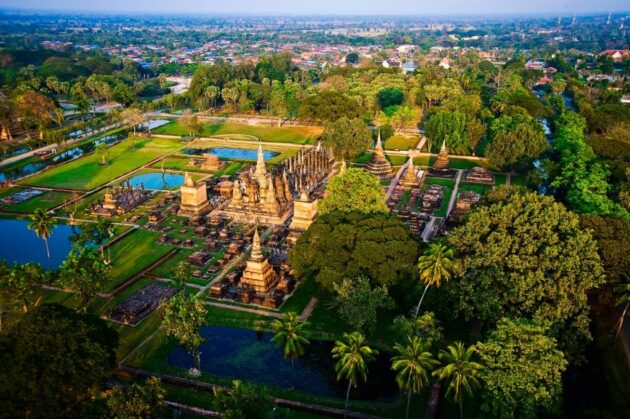
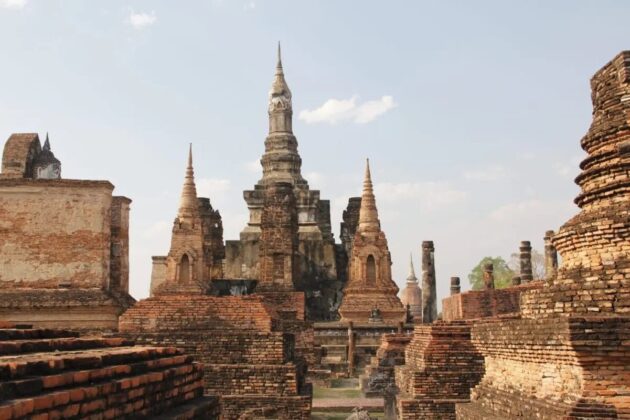
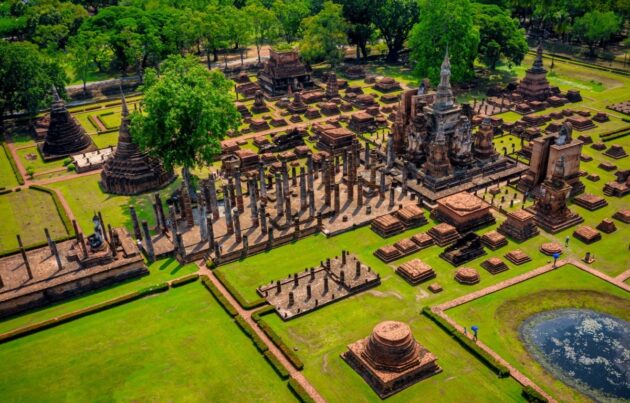
Sukhothai Historical Park (also known as the Historic Town of Sukhothai) is a UNESCO World Heritage Site in northern Thailand. It preserves the ruins of Thailand’s first independent kingdom (founded in 1238), often called the “Dawn of Happiness.” The park spans about 70 km² with around 193 monuments, including temples, stupas, moats, and palaces showcasing early Thai art, architecture, and Buddhist influence.
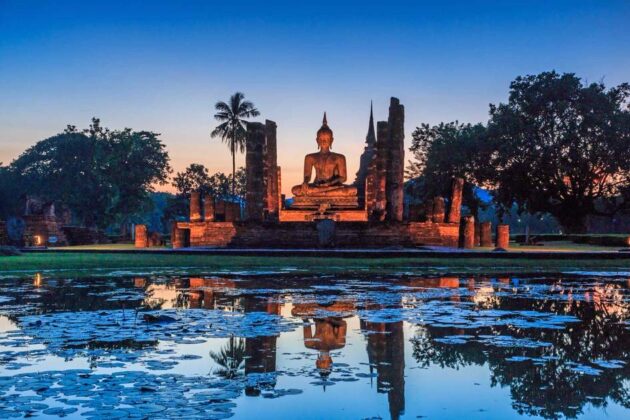
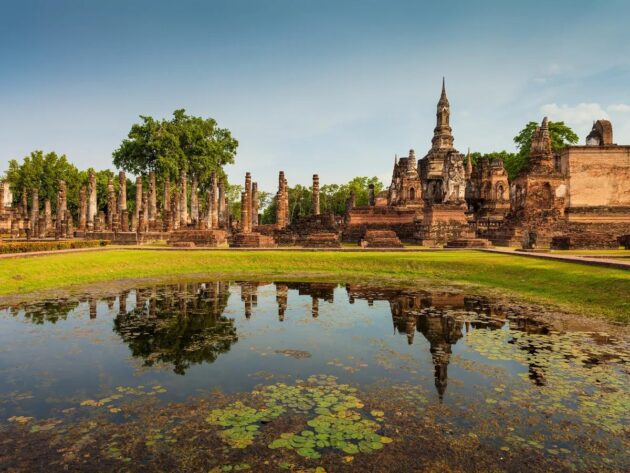
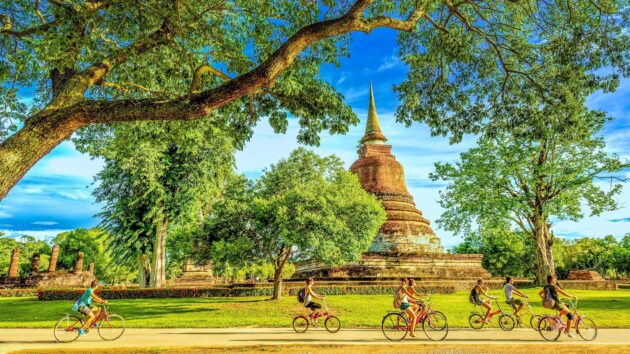
It is more compact and serene than Ayutthaya, with ruins set among lotus ponds, trees, and open spaces—ideal for cycling and photography, especially at sunrise or sunset.
Getting There
From Bangkok (most common gateway, ~400–440 km): Bus: Direct VIP or express buses from Mo Chit Terminal (7–10 hours, 365–500 THB). Comfortable options available.
Flight: Bangkok Airways to Sukhothai Airport (THS, ~1 hour 20 min flight) + taxi/transfer (~40 km to park).
Train + bus: To Phitsanulok, then bus/minivan (~1 hour).
From Chiang Mai: Bus (~5–6 hours) or private transfer.
Local transport: Old Sukhothai (near the park) is ~12 km from New Sukhothai. Songthaews (shared trucks) run regularly (~20–40 THB).
Tip: Book buses via 12Go.asia for convenience.
Park Practicalities
Opening Hours: Generally 6:30 AM–7:30 PM for main zones (ticket offices close earlier).
Entrance Fees (foreign visitors): Zone-based system. Central, Northern, and Western zones each ~100 THB (some sources note Central at 200 THB). Bicycle surcharge ~10 THB per zone. Southern/Eastern zones often free. Combined options or full access ~300–400 THB. Thai citizens pay reduced rates. Museum separate (~150 THB).
Getting Around: Rent a bicycle (~30–50 THB/day) outside or near entrances—best way to explore the flat terrain. Motorbike or tuk-tuk/electric cart options available. Guided bike tours are popular.
Best Time to Visit: November–February (cooler, drier). Avoid midday heat. Late afternoon to sunset is magical for lighting and fewer crowds.
Must-See Temples and Zones
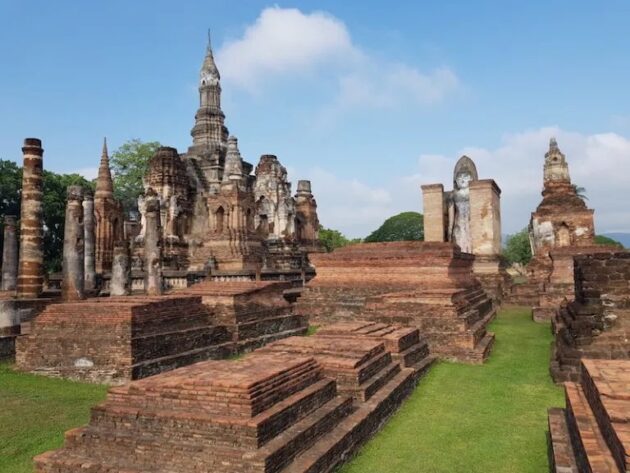
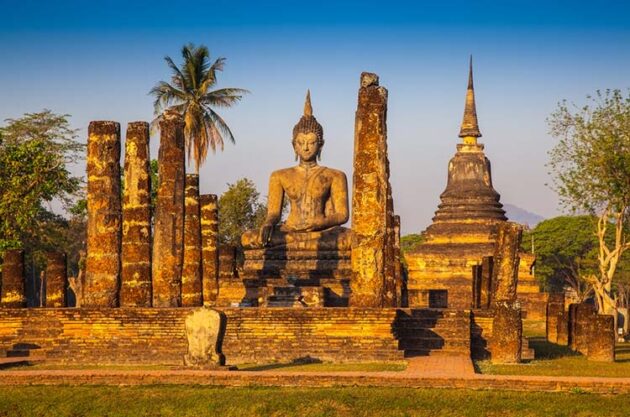
Wat Mahathat (Central): The grandest royal temple with a lotus-bud stupa, many Buddha statues, and serene moat setting. Spend time here.
Wat Sa Si (Central): Picturesque on an island in a lotus pond—excellent for sunrise/sunset reflections and a walking Buddha.
Wat Si Sawai (Central): Khmer-style prangs (towers), showing earlier Hindu influences.
Wat Si Chum (Northern): Iconic giant seated Buddha (15m tall) inside a mondop—very photogenic, especially in morning light.
Wat Saphan Hin (Western): Standing Buddha on a hill with panoramic views—worth the climb or cycle for sunrise.
Other highlights: Wat Phra Phai Luang, Wat Sorasak (elephant-surrounded chedi), and the Ramkhamhaeng National Museum for context and artifacts.
Where to Stay
Stay in Old Sukhothai (Muang Kao) for proximity to the park—walk or short bike ride. Options range from budget guesthouses (~300–600 THB) to mid-range resorts with pools and gardens (800–1,500+ THB), like Legendha Sukhothai.
New Sukhothai offers more nightlife and cheaper stays but requires transport to the park.
Food and Drink
Try Sukhothai noodles (thin rice noodles in a flavorful broth with toppings).
Popular spots: Poo Restaurant, local night markets, garden restaurants near the park.
Fresh, affordable Thai food is widely available.
Additional Tips
Bring water, sunscreen, hat, and comfortable shoes. Early mornings or late afternoons beat the heat.
Respect temple etiquette (modest dress, remove shoes where required).
Consider a guided bike or countryside tour for deeper local insight (villages, rice fields).
Combine with Si Satchanalai Historical Park (~1 hour away) for more ruins if you have extra time.
Evening lighting events (e.g., certain Saturdays) can enhance the experience.
Final Thoughts
Sukhothai offers a peaceful, historically rich escape with far fewer crowds than more famous sites. It’s well worth visiting for its beauty, atmosphere, and insight into Thai origins. Plan at least 2–3 nights to fully enjoy it. Safe travels!