
Wat Phra Si Sanphet Travel Guide (2026)
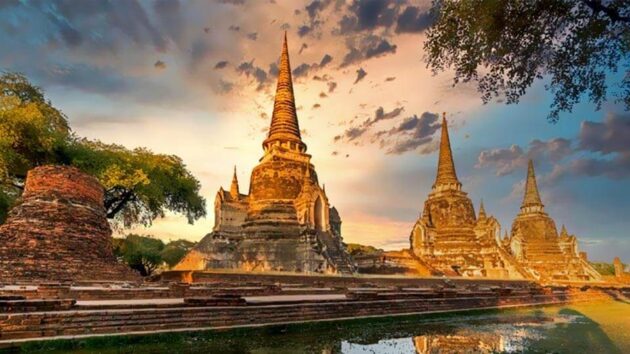
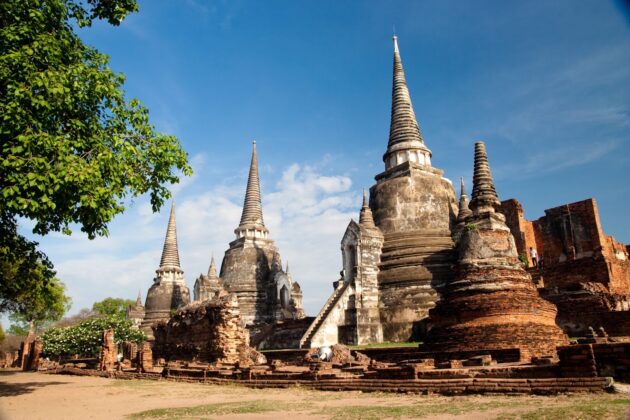
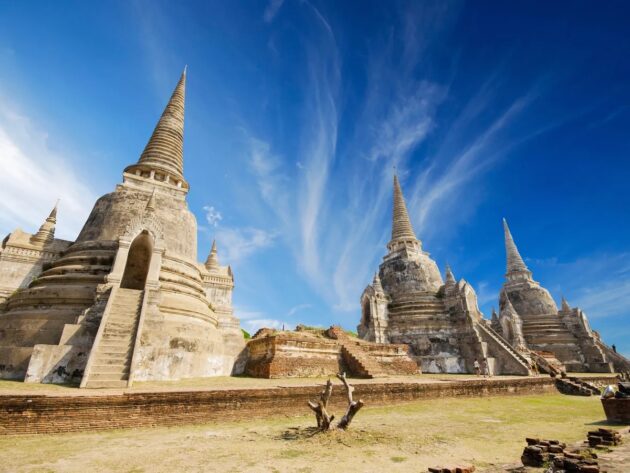
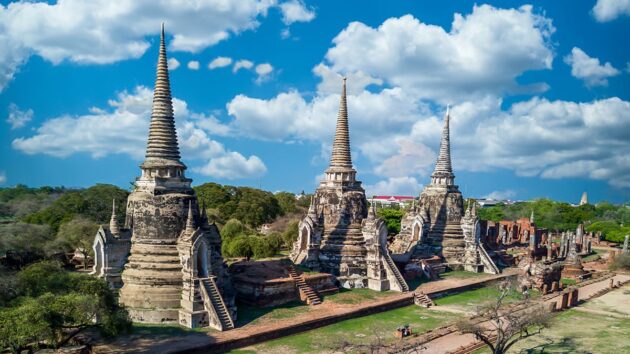
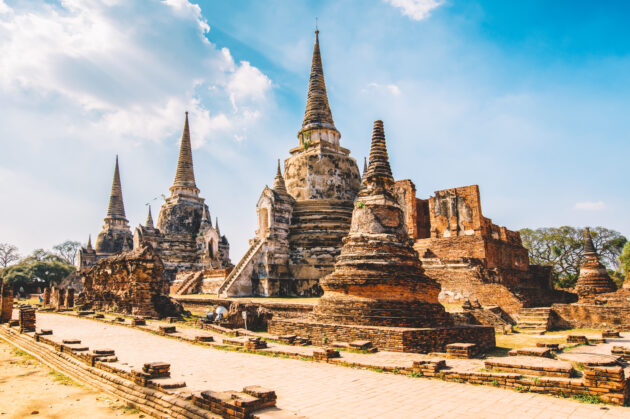
Wat Phra Si Sanphet (also spelled Wat Phra Sri Sanphet) is one of the most iconic and important temples in Ayutthaya Historical Park, a UNESCO World Heritage Site in Phra Nakhon Si Ayutthaya, Thailand. It served as the royal temple (equivalent to Bangkok’s Wat Phra Kaew) and was the largest and holiest in the ancient Ayutthaya Kingdom. Its three towering, restored chedis (stupas) are a signature landmark and appear on many postcards and photos of the site.
History
The site originated as part of the royal palace built by King Ramathibodi I (U-Thong) around 1350.
In 1448, King Borommatrailokkanat converted the old palace grounds into a sacred temple complex.
King Ramathibodi II expanded it significantly in the late 15th century, adding chedis for royal ashes and a massive viharn (hall) with a 16-meter gilded bronze Buddha image (Phra Si Sanphet).
A third chedi completed the famous trio in 1529.
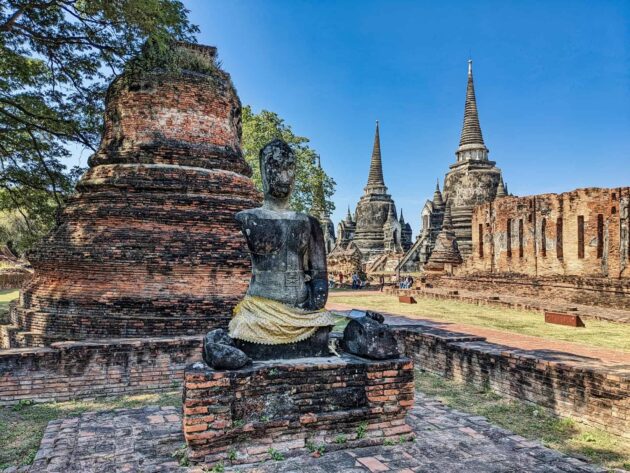
The temple was largely destroyed in 1767 during the Burmese invasion; the Burmese looted gold and melted down statues. The chedis were later restored (notably in the 1950s).
No monks resided here—it was used exclusively for royal ceremonies and as a royal chapel.
What to See
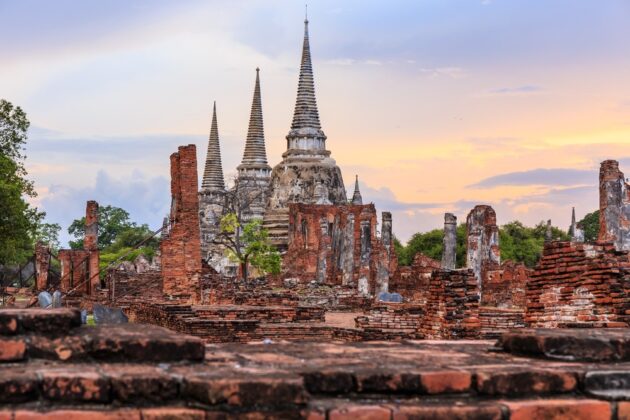
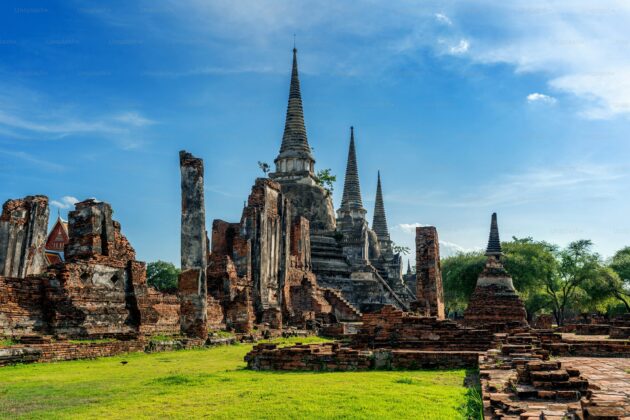
The Three Chedis: The standout feature—large, bell-shaped stupas on a raised platform, each containing ashes of Ayutthaya kings. They showcase classic Ayutthaya architecture with Sukhothai influences.
Ruins of the royal viharn, chapels, and other structures aligned on an east-west axis.
Peaceful grounds with grassy areas and trees, great for walking and photography.
Nearby: Wihan Phra Mongkhon Bophit (just outside, with a large bronze Buddha) and remnants of the Royal Palace (Wang Luang).
The site is photogenic at sunrise/sunset, with the chedis glowing beautifully in golden light.
Practical Information
Opening Hours: Generally 8:00 AM or 8:30 AM to 5:00 PM or 6:00/6:30 PM daily. Some sources note earlier openings around 7 AM.
Entrance Fee: Around 50–80 THB for foreigners (often ~50–80 THB; check on-site as it can vary or be part of a multi-site ticket). Thai nationals usually pay less or free.
Best Time to Visit: Cool/Dry Season (Nov–Feb): Most comfortable weather, ideal for exploring. Early morning (7–9 AM) or late afternoon (4–6 PM) to avoid midday heat/crowds and get the best light. Avoid peak heat (March–May) if possible; bring water, hat, sunscreen, and wear comfortable shoes.
Dress Code: Modest clothing—cover shoulders and knees. Respectful behavior expected at all Thai temples.
How to Get There
Ayutthaya is about 80 km north of Bangkok (1–1.5+ hours travel time).
From Bangkok: Train (cheapest, scenic), bus/minivan, taxi/private car, or organized day tours (very common).
Within Ayutthaya: Rent a bicycle (popular and flexible), motorbike, or hire a tuk-tuk for a loop of the main sites (bargain ~200 THB/hour). Many ruins are walkable or bikeable from each other.
The temple is centrally located in the Ayutthaya Historical Park on the island area.
Tips for Visitors
Combine with nearby sites like Wat Phra Mahathat (famous Buddha head in tree roots—walkable), Wat Ratchaburana, and Wat Chaiwatthanaram for a full day.
Bring water, sun protection, and perhaps a power bank for photos. Shade is limited.
Guided tours or audio guides add historical context.
Respect the ruins—don’t climb on structures.
Food options are available nearby; there are markets and restaurants in Ayutthaya town.
Final Thoughts
Wat Phra Si Sanphet offers a powerful glimpse into Thailand’s royal and architectural heritage. It’s a highlight of any Ayutthaya visit and pairs perfectly with a day trip from Bangkok. Enjoy the serene, historical atmosphere!
For the absolute latest hours or fees, check official tourism sites or on arrival, as minor changes can occur. Safe travels!