
Wat Chaiwatthanaram Travel Guide (2026)
Wat Chaiwatthanaram (also spelled Wat Chai Wattanaram or Wat Chaiwatthanaram) is one of the most iconic and photogenic temples in Ayutthaya Historical Park, a UNESCO World Heritage Site in Phra Nakhon Si Ayutthaya, Thailand.
History and Significance
King Prasat Thong commissioned the temple in 1630 (early 17th century) to honor his mother and possibly commemorate military victories against Cambodia. The name translates roughly to “Temple of Long Reign and Glorious Era.”
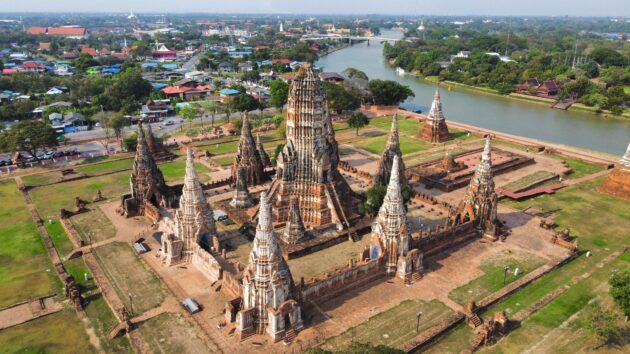
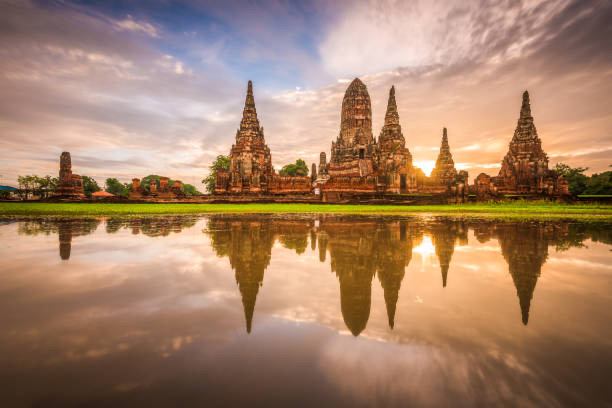
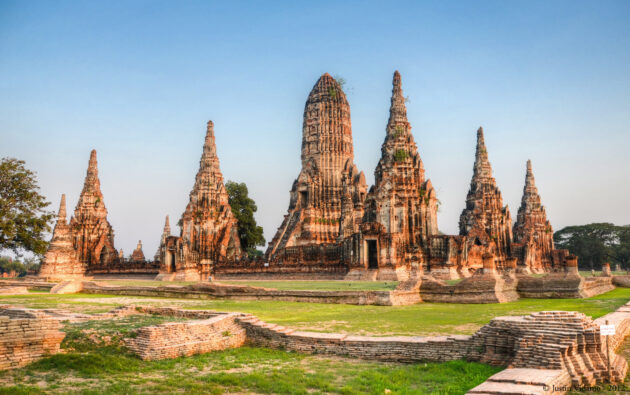
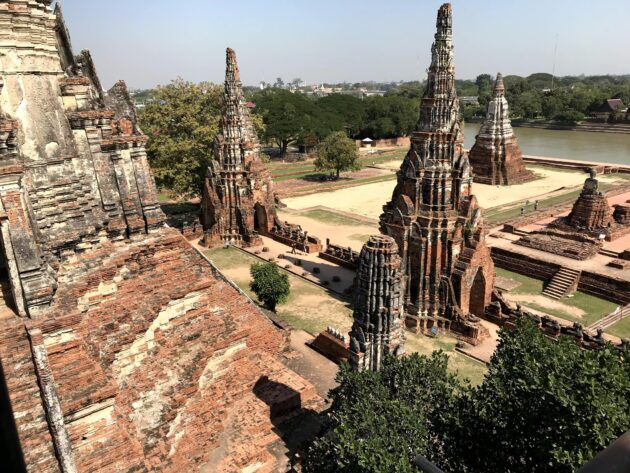
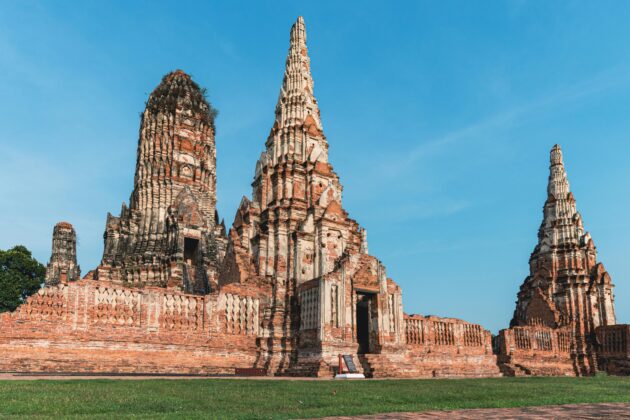
It features strong Khmer-style architecture, reminiscent of Angkor Wat, with a towering central prang (spire) symbolizing Mount Meru, the sacred mountain in Hindu-Buddhist cosmology. The complex includes the main prang (about 35 meters high), four smaller corner prangs, surrounding chedis (stupas), cloisters with Buddha statues (many damaged or headless from historical conflicts), and chapels.
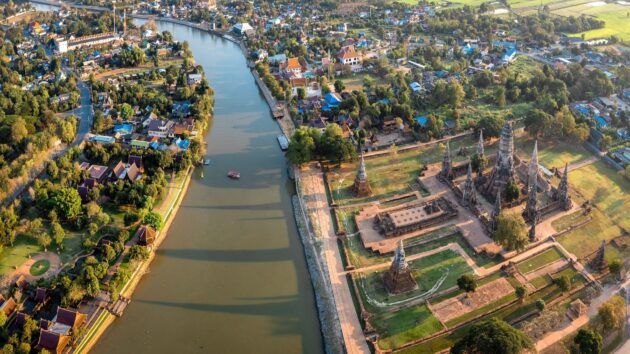
The temple was damaged during the Burmese invasion in 1767 and has undergone significant restoration. Its riverside location on the west bank of the Chao Phraya River adds to its scenic appeal.
Key Highlights
Central Prang and Symmetry — Climb or view the main tower and explore the rectangular layout with galleries.
Riverside Setting — Beautiful views, especially at golden hour, with the river backdrop.
Buddha Statues and Ruins — Rows of seated and damaged figures in the cloisters; Khmer-inspired details.
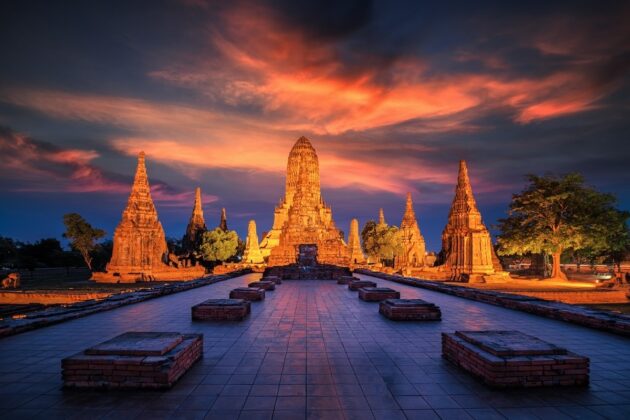
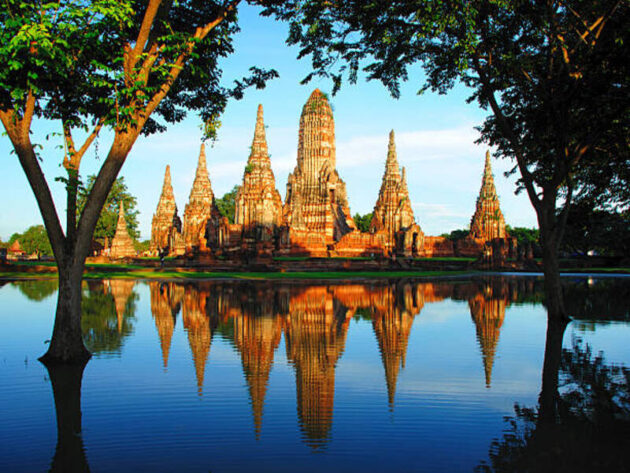
Photography Spots — Iconic angles include the prangs against the sky, river reflections, and low-ground shots. Many visitors rent traditional Thai costumes nearby.
It is often called one of the best-preserved and most imposing sites in Ayutthaya.
Practical Information
Opening Hours: Typically 8:00 AM or 8:30 AM to 5:00 PM or 6:00/6:30 PM (exact times can vary slightly; sunset access may allow lingering near the river area).
Entrance Fee: 50 THB for foreigners (children often free or reduced). A multi-temple pass may be available for better value if visiting several sites.
Best Time to Visit:
Overall: Cooler months (November–February) for pleasant weather.
For Crowds/Light: Early morning for fewer people and softer light; late afternoon (4–6 PM) for sunset, when the ruins glow beautifully. Sunset is widely regarded as the highlight here.
Avoid midday heat, as there’s limited shade.
Dress Code and Etiquette: Cover shoulders and knees (modest clothing). Remove shoes when entering sacred areas, be respectful, and avoid climbing on fragile structures.
How to Get There
From Ayutthaya City/Island Center: About 3 km west. Easy by tuk-tuk (bargain ~100–200 THB round-trip or less), bicycle rental (popular for temple-hopping), songthaew, or short boat ride.
From Bangkok: Train to Ayutthaya (1–1.5 hours), then local transport; or join a day tour, private driver, or bus/minivan. Many full-day tours from Bangkok include this temple.
Getting Around Ayutthaya: Bicycle or electric cart rentals are ideal for exploring multiple ruins efficiently.
Tips for Visitors
Bring water, sunscreen, hat, and comfortable shoes (the grounds are large and can be hot/dusty).
Allow 1–2 hours to explore fully.
Combine with other nearby temples like Wat Phra Si Sanphet or Wat Mahathat for a full day.
Photographers: Golden hour and blue hour are magical; try the river wall for monk or landscape shots.
Stay overnight in Ayutthaya if possible to catch sunset without rushing back to Bangkok.
Nearby Attractions
Other highlights in Ayutthaya include Wat Mahathat (Buddha head in tree roots), Wat Phra Si Sanphet (former royal temple), Wat Yai Chai Mongkol, and floating markets or boat tours on the Chao Phraya.
Final Thoughts
Wat Chaiwatthanaram is a must-visit for its grandeur, history, and stunning visuals. It captures the essence of Ayutthaya’s former glory as the ancient capital of Siam. Safe travels! If you need hotel recommendations, tour bookings, or a custom itinerary, let me know.