Mongolia Travel Guide (2026): The Land of the Eternal Blue Sky
Mongolia is one of the world’s most epic and untouched destinations. Vast steppes, dramatic deserts, snow-capped mountains, crystal-clear lakes, and a deeply nomadic culture make it a dream for adventurers, nature lovers, and culture seekers. With a population of just over 3 million spread across a country the size of Western Europe, you’ll experience incredible solitude and hospitality.
Best Time to Visit
Summer (June to August) is the peak and most popular season. Expect warm days (15–27°C / 60–80°F), green landscapes, wildflowers, and long daylight hours. This is ideal for outdoor activities, festivals, and nomadic experiences. July features the famous Naadam Festival (July 11–13 or around there), with wrestling, horse racing, and archery.
Shoulder seasons: Late May/early June or September offer fewer crowds and beautiful scenery (golden autumn colors in fall). Nights can be chilly.
Avoid: Winter (November–March) brings extreme cold (down to -40°C or lower). Spring can be dusty and unpredictable.
Fall is a favorite for some due to stunning colors and fewer tourists.
Visa & Entry
US citizens (and many others) can visit visa-free for up to 90 days. Your passport must be valid for at least 6 months beyond arrival. Register with Mongolian Immigration within 48 hours of arrival (hotels often handle this). Check current rules for your nationality before travel.
Top Destinations & Attractions
Ulaanbaatar (UB)
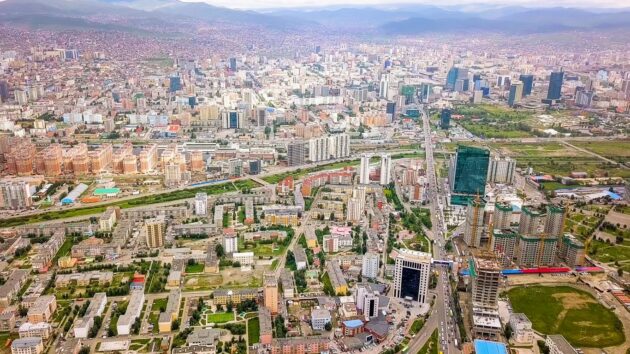
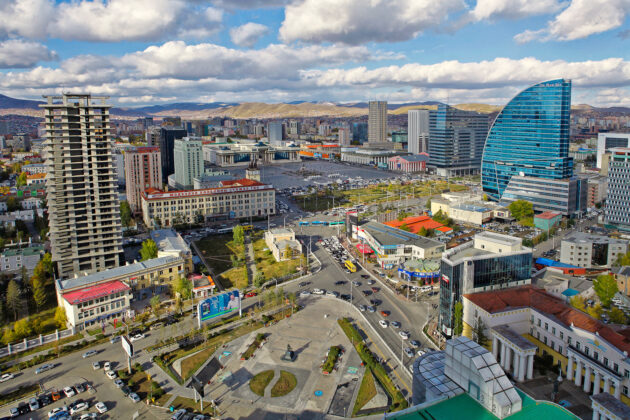
Ulaanbaatar, the capital of Mongolia, is a fascinating and rapidly modernizing city nestled in the Tuul River valley, surrounded by four sacred mountains. As the nation’s political, economic, and cultural heart, it houses a striking contrast of Soviet-era architecture, traditional Buddhist monasteries like the historic Gandan Tegchinlen, and gleaming new skyscrapers.
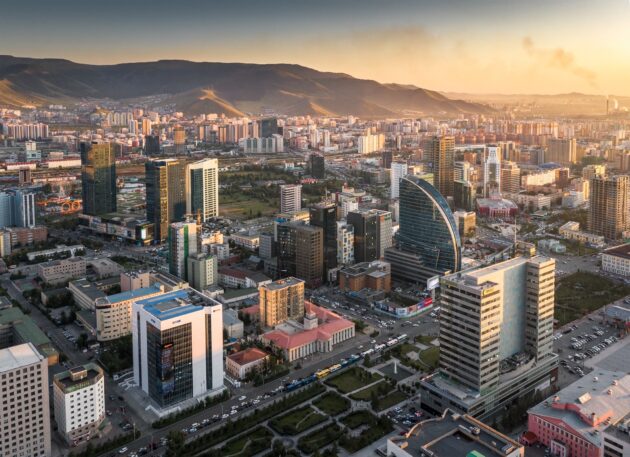
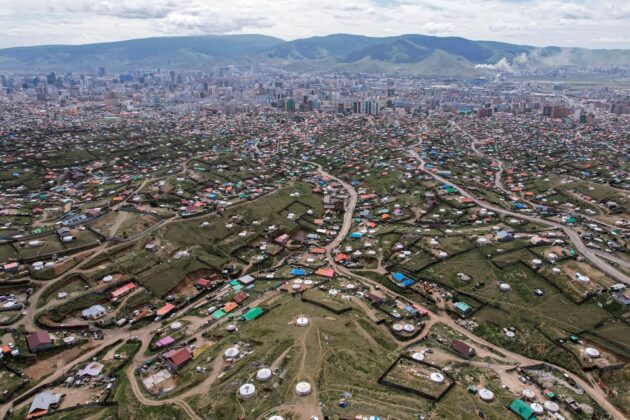
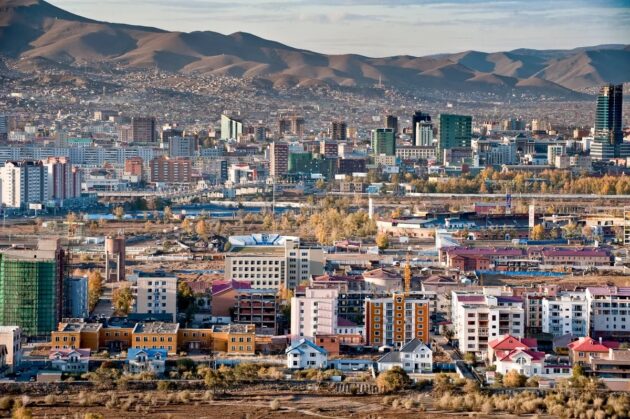
Lake Khuvsgul (North)
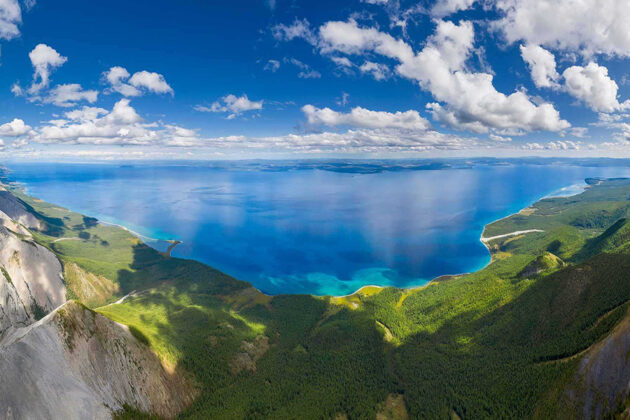
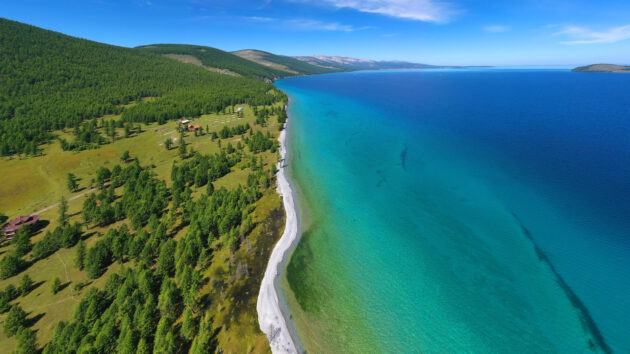
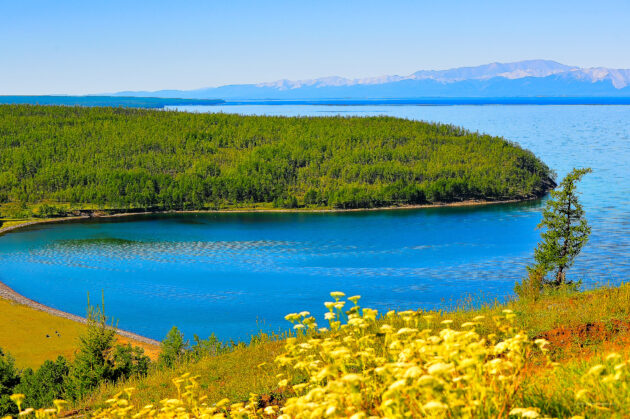
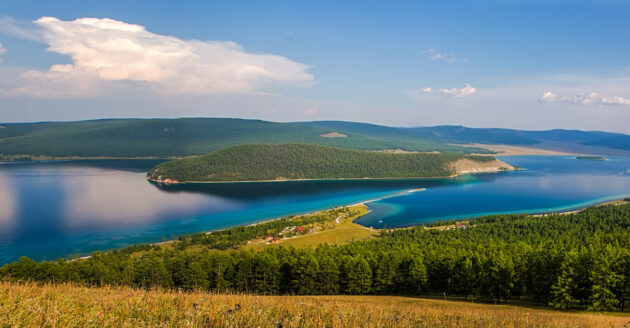
Lake Khuvsgul, located in northern Mongolia near the Russian border, is often called the “Blue Pearl of Mongolia” due to its strikingly clear and deep blue waters. As one of the country’s largest and most pristine freshwater lakes, it holds nearly 70% of Mongolia’s fresh water and is renowned for its remarkable purity, ecological significance, and stunning alpine scenery.
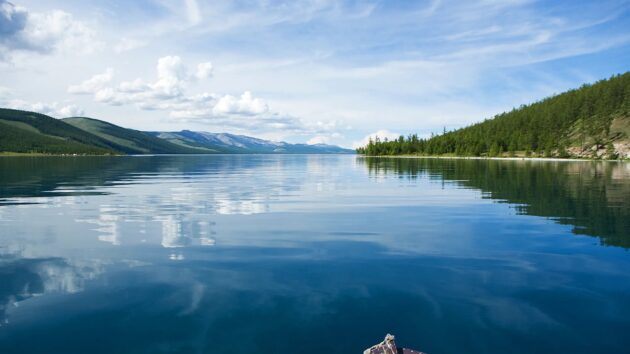
Gorkhi-Terelj National Park
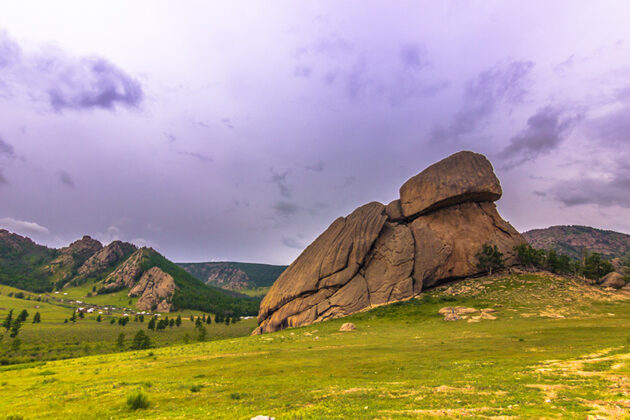
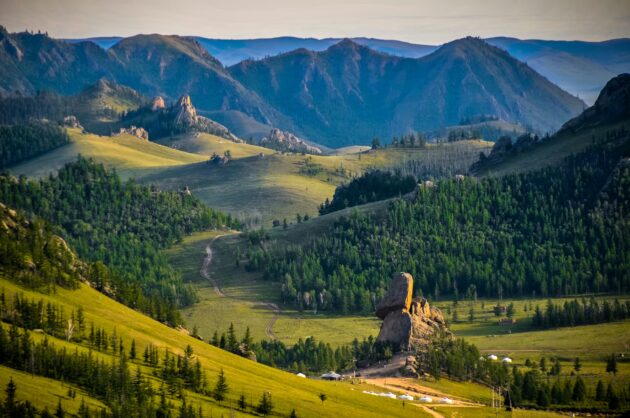
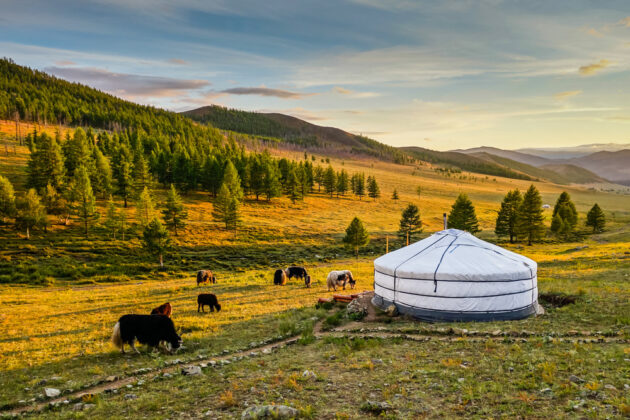
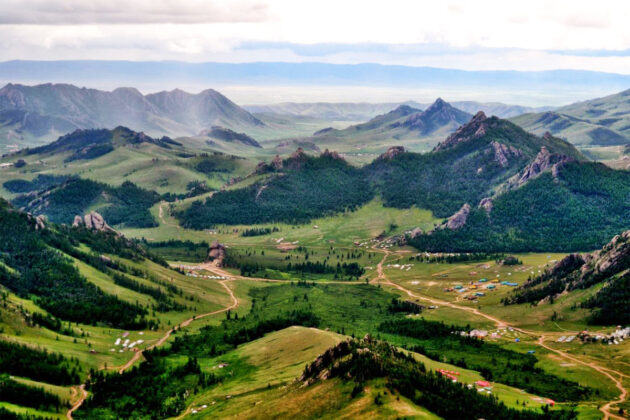
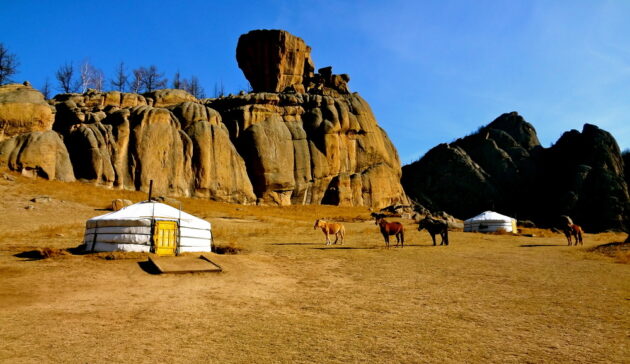
Gorkhi-Terelj National Park in Mongolia is a stunning alpine destination known for its dramatic granite rock formations, lush valleys, and meandering Terelj River. Located just a few hours from Ulaanbaatar, the park offers a perfect blend of natural beauty and nomadic culture, with opportunities for hiking, horse riding, and rock climbing.
Orkhon Valley
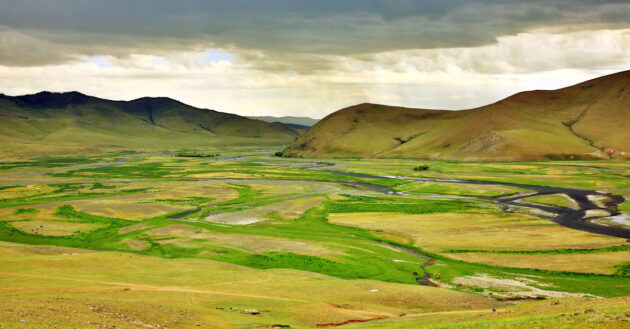
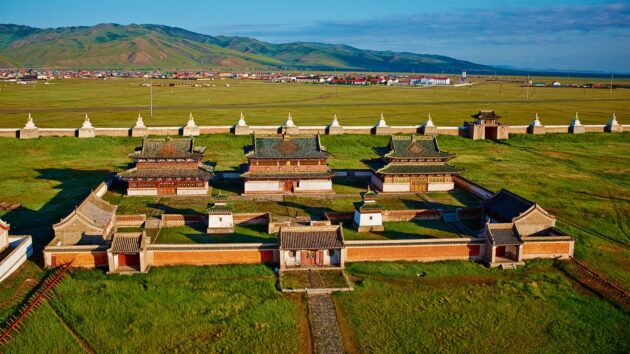
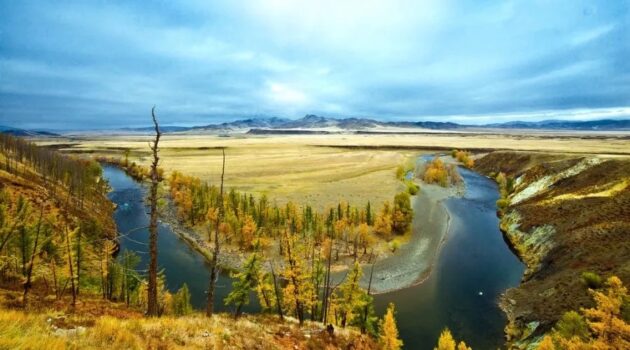
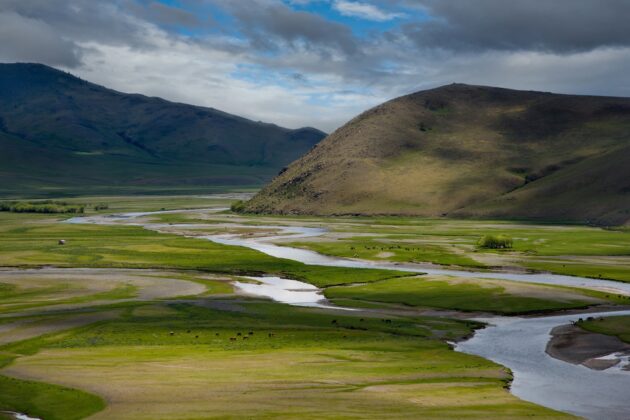
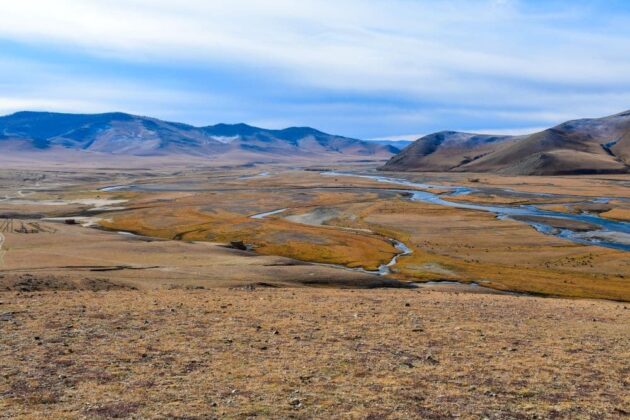
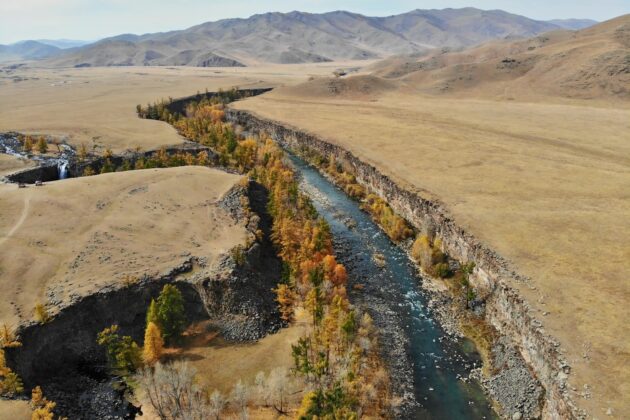
Orkhon Valley in Mongolia is a stunningly vast and historically significant landscape, often regarded as the cradle of Central Asian nomadic civilization. Winding through green pastures and rolling hills, the Orkhon River nourishes the land where ancient Turkic and Mongol empires once rose, leaving behind remarkable ruins such as the 8th-century Orkhon inscriptions and the legendary site of Karakorum, the 13th-century capital of the Mongol Empire.
Karakorum
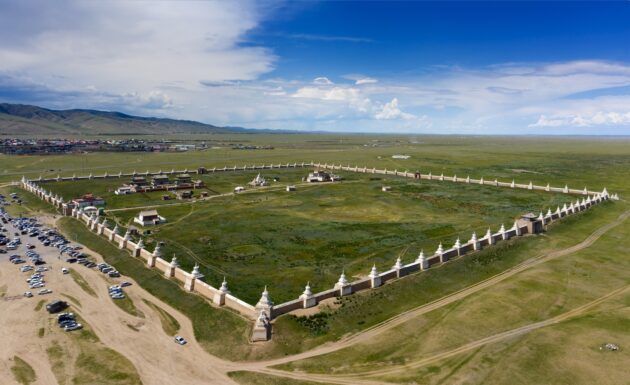
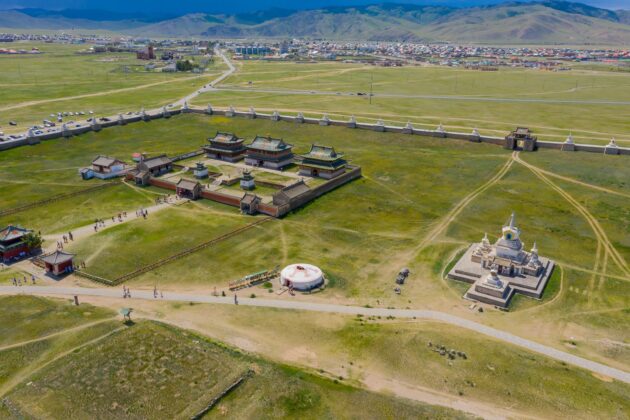
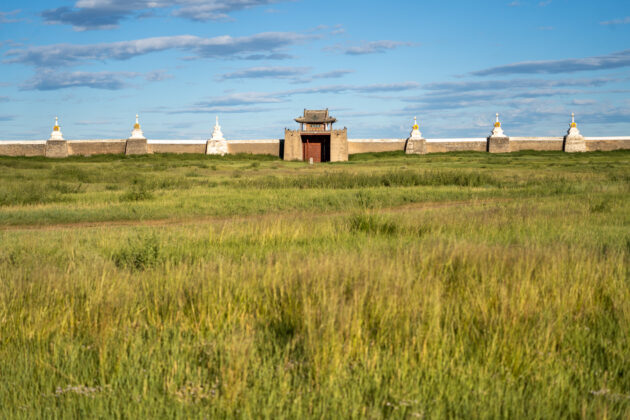
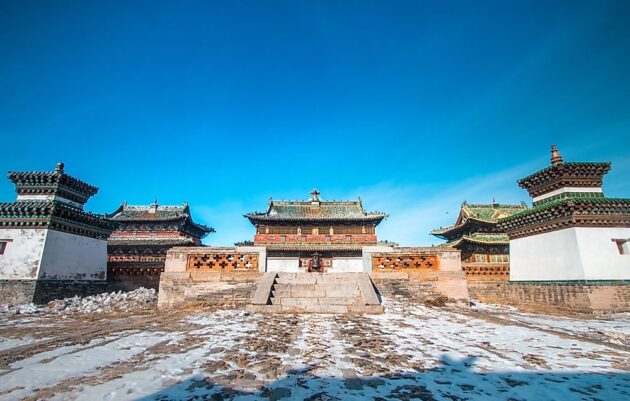
Karakorum, located in central Mongolia, was the 13th-century capital of the Mongol Empire under Ögedei Khan and a vital hub on the Silk Road, symbolizing the empire’s cultural and commercial diversity. Though largely destroyed by Ming forces in 1388, its legacy endures through the nearby Erdene Zuu Monastery—Mongolia’s first Buddhist monastery—and the iconic stone turtle, one of the few remaining relics of the ancient city.
How to Get Around
Flights: Fly into Ulaanbaatar (UBN). Domestic flights to key areas like the Gobi or Khuvsgul.
Road: 4×4 vehicles with drivers are standard for countryside travel. Roads are mostly unpaved—expect bumpy but scenic drives.
Train/Bus: Limited options outside UB.
Horse/Camel: For authentic experiences in national parks.
Where to Stay
Ger Camps: Traditional felt tents with modern comforts—best way to experience nomadic life. Many are eco-friendly.
Hotels: Modern options in UB.
Homestays: With nomadic families for immersion.
Food & Culture
Mongolian food is hearty: mutton, beef, buuz (dumplings), khuurshuur (fried pancakes), and dairy products (airag—fermented mare’s milk). Vegetarian options are limited outside UB. Try local vodka and experience throat singing or archery.
Etiquette tips: Remove shoes when entering gers, accept offered food/drinks graciously, and respect Buddhist monasteries.
Practical Tips
Safety: Generally safe (Level 1: Exercise normal precautions). Petty crime in UB—watch belongings. Driving can be erratic.
Health: No major risks, but bring insect repellent, sunscreen, and layers. Tap water is not always safe—use bottled or purified.
Money: ATMs in UB; carry cash (Tugrik) for rural areas. Credit cards limited outside cities.
Packing: Layers (cold nights even in summer), sturdy boots, rain jacket, binoculars, power bank, and modest clothing for monasteries.
Internet: Decent in UB; limited elsewhere. Consider a local SIM.
Budget: Mid-range tours ~$100–200+ per day including transport, meals, and accommodation. Independent is cheaper but logistically harder.
Final Thoughts
Mongolia rewards those who embrace its rugged beauty and slow pace. The hospitality of the Mongolian people and the sheer scale of the landscapes will leave a lasting impression. Whether galloping across the steppe or sleeping under a blanket of stars, this is a trip like no other.
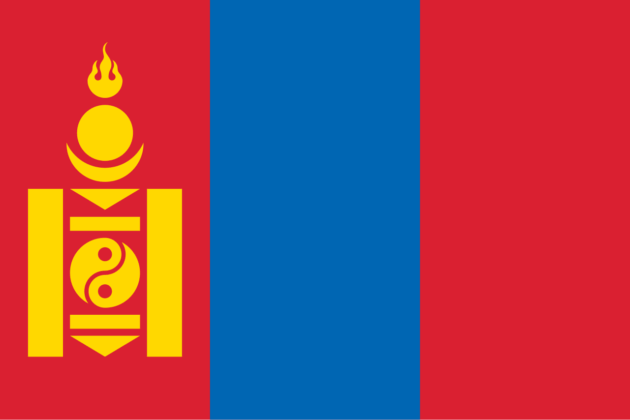
Safe travels and enjoy the Eternal Blue Sky! 🇲🇳