
Ouagadougou Travel Guide (2026)
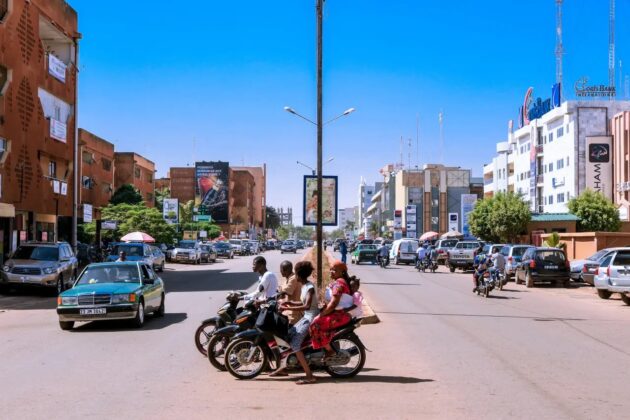
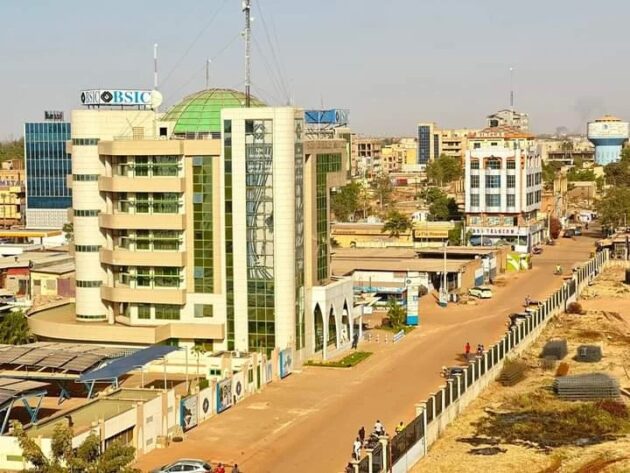
Ouagadougou, often affectionately called Ouaga, is the vibrant capital of Burkina Faso in West Africa. Known for its rich cultural scene, friendly people (Burkina Faso translates to “Land of Honest People”), and status as a hub for African arts and cinema, it offers an authentic, off-the-beaten-path experience. While the city pulses with markets, music, and creativity, travelers should be aware of current safety realities before planning a trip.
Best Time to Visit
November to February: The coolest and driest period — ideal for exploring the city.
March to May: Very hot (up to 40°C/104°F).
June to October: Rainy season with heavy downpours, which can make roads difficult but brings greener landscapes.
How to Get There
Ouagadougou International Airport (OUA) is the main entry point, with flights from major West African cities (e.g., Abidjan, Dakar, Accra) and some European connections. Taxis are available outside the airport. Agree on the fare in advance (typically low-cost). Green taxis are shared; white ones are private.
Within the city, use motorcycle taxis (zemidjans), shared taxis, or hire a private driver. Traffic can be chaotic, so patience is key.
Top Attractions
The city is famous for its FESPACO (Pan-African Film Festival, held biennially) and SIAO (International Arts and Crafts Fair), which draw visitors from across Africa.
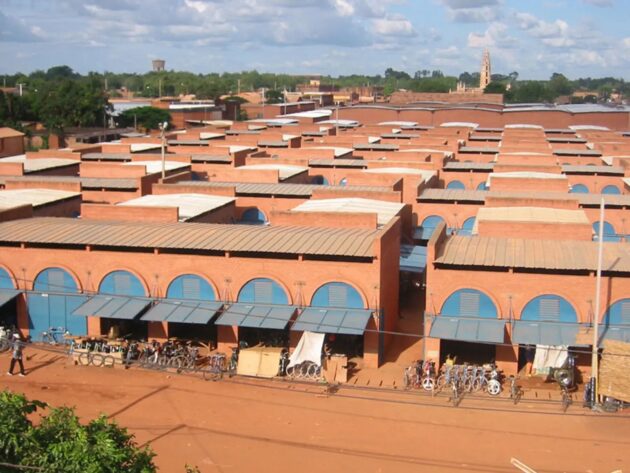
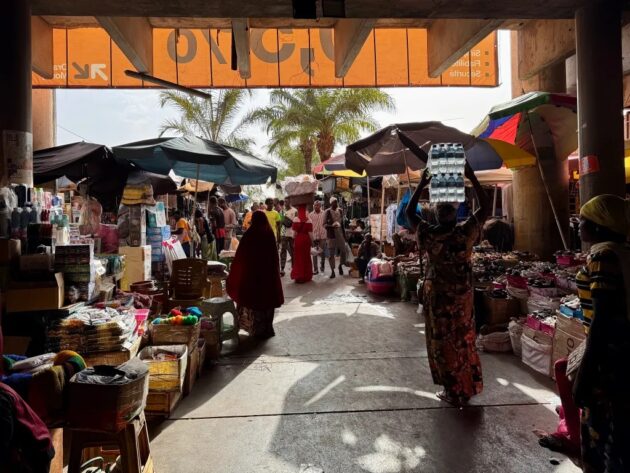
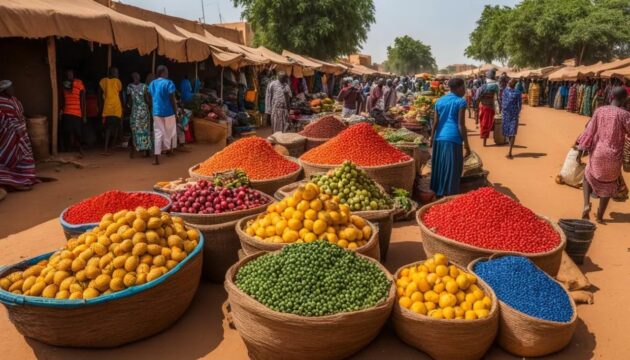
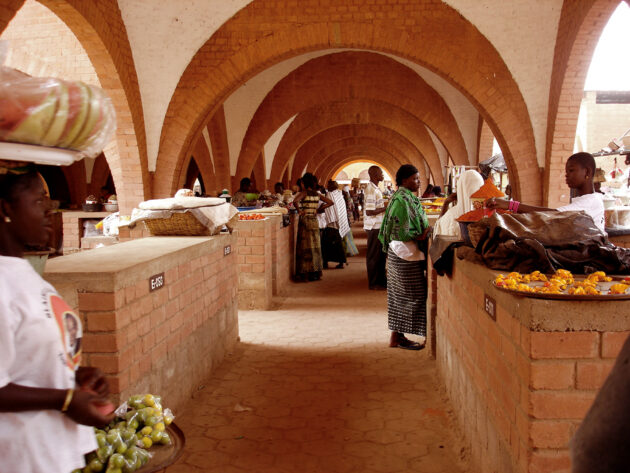
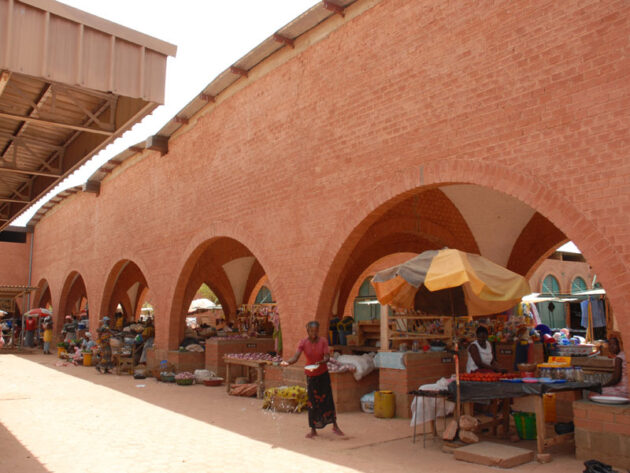
Grand Marché (Central Market): A bustling hub for fabrics, crafts, spices, and everyday life. Perfect for people-watching and haggling.
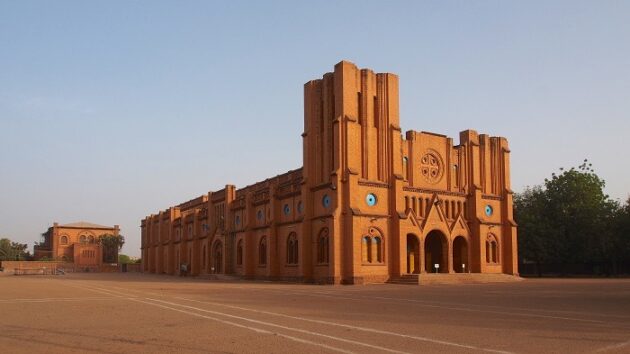
Ouagadougou Cathedral (Cathédrale de l’Immaculée Conception): An impressive Romanesque-style building in the city center.
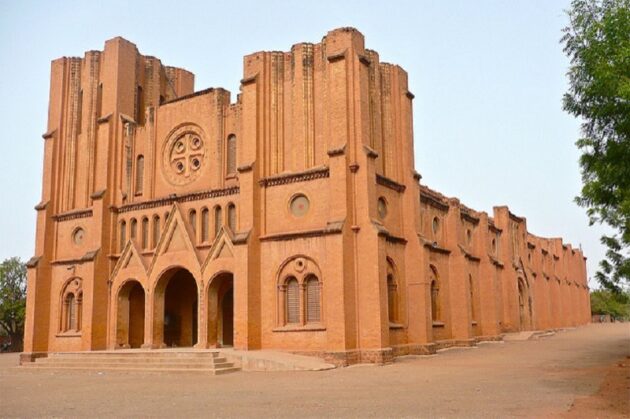
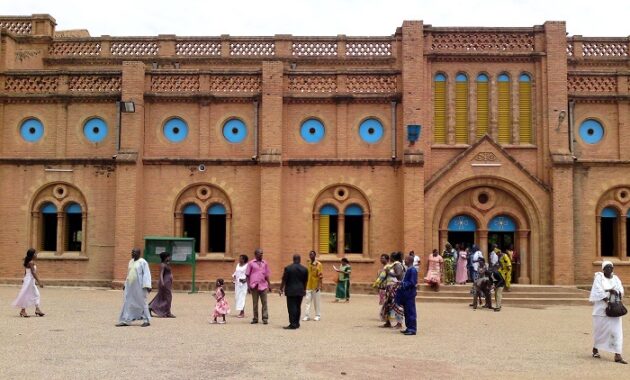
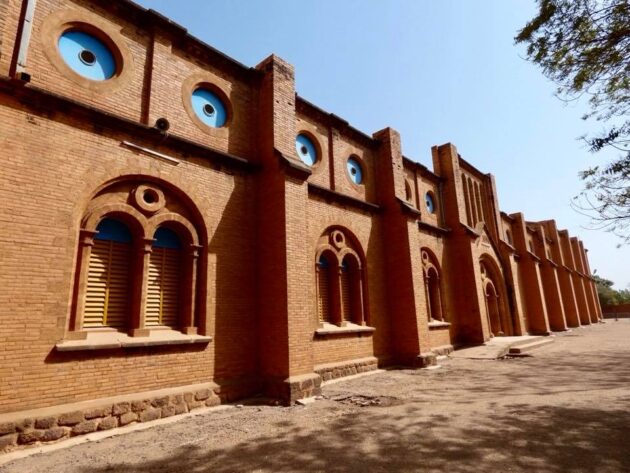
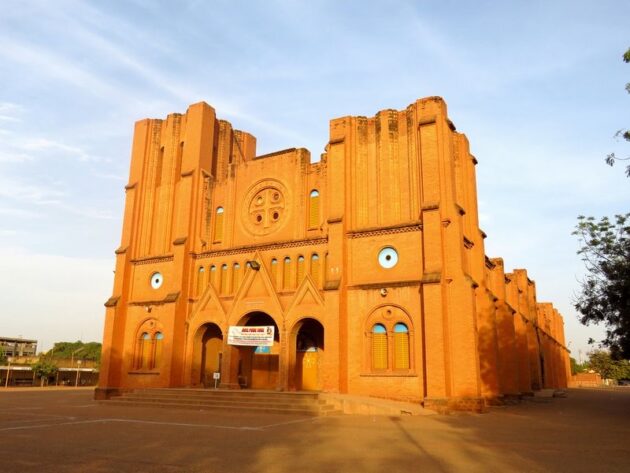
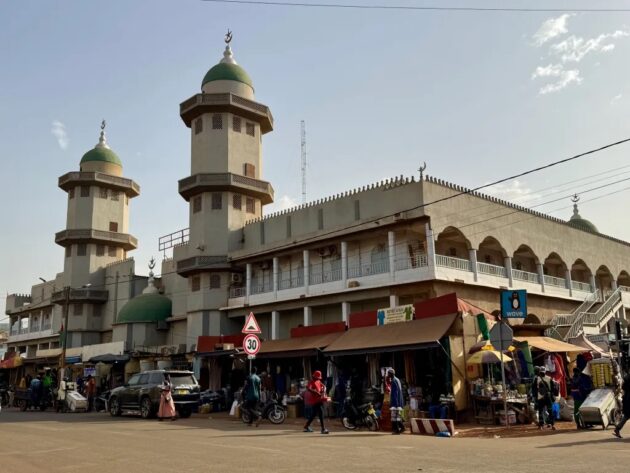
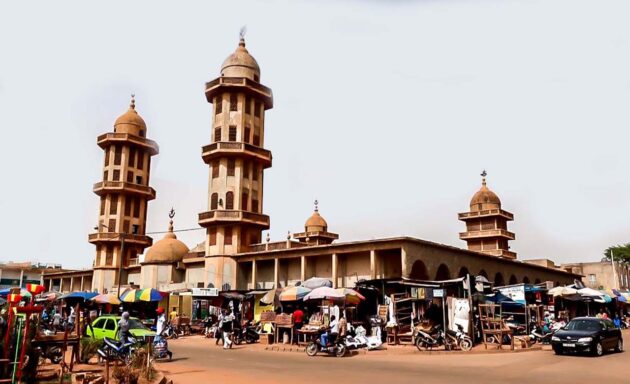
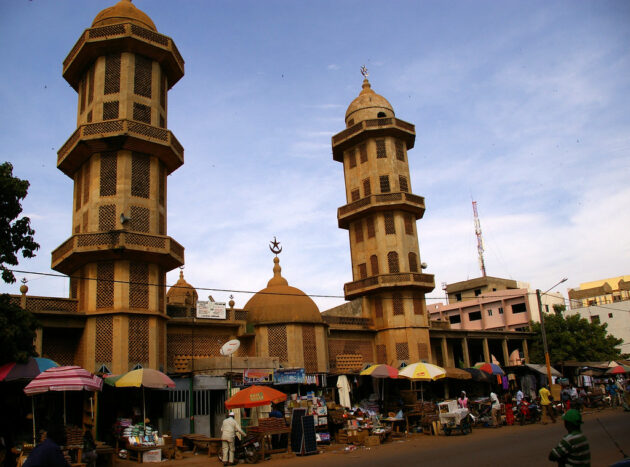
Grand Mosquée (Central Mosque): A beautiful example of Islamic architecture.
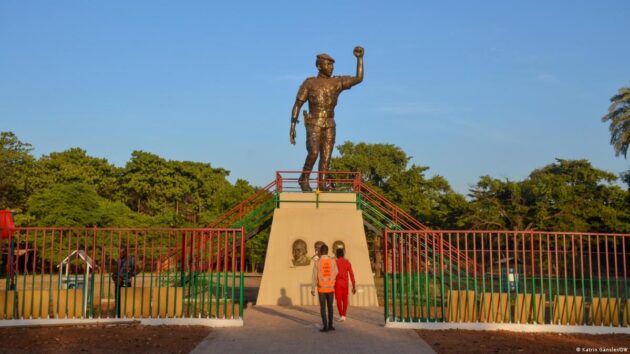
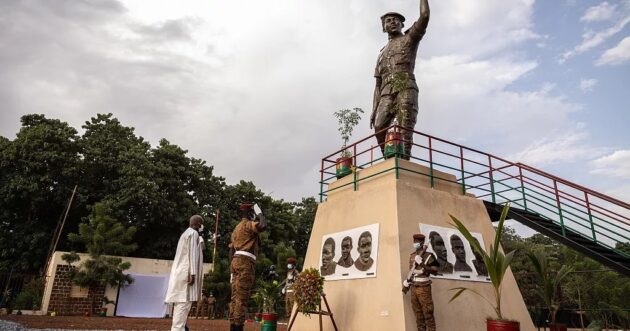
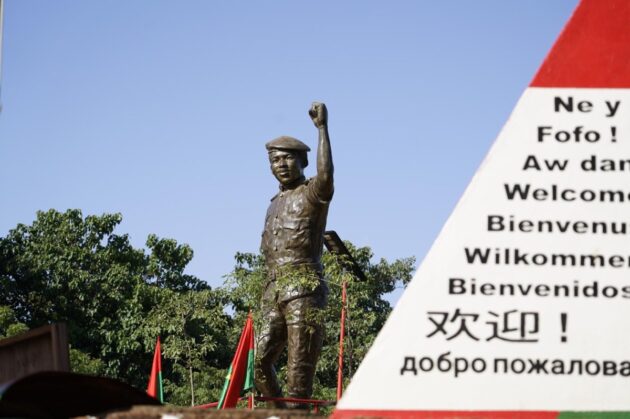
Thomas Sankara Memorial: Honors the revolutionary leader; a key site for understanding Burkina Faso’s modern history.
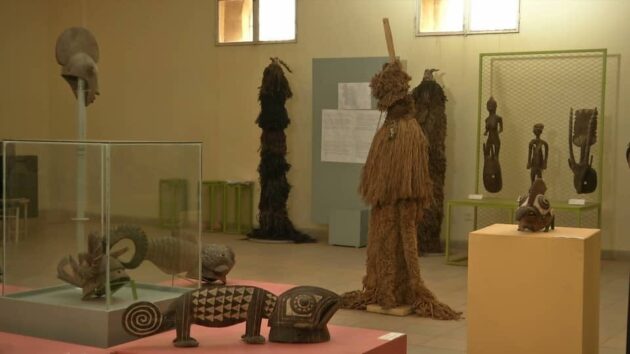
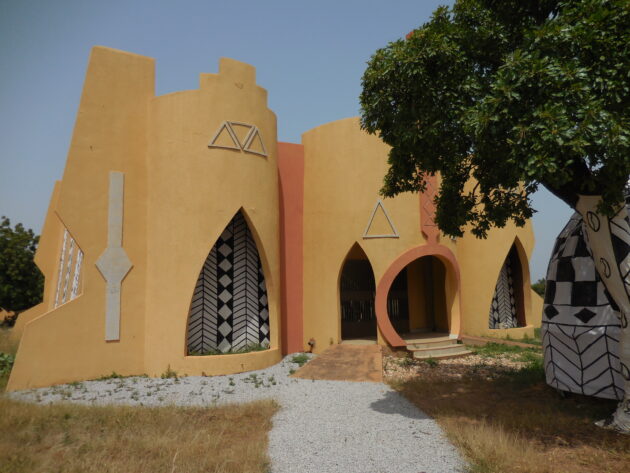
National Museum: Features cultural artifacts from Burkina Faso’s diverse ethnic groups.
Food and Drink
Burkinabé cuisine is flavorful and communal. Must-tries:
To (a millet or sorghum dough) served with sauces like mafé (peanut) or gombos (okra).
Grilled meats and fish.
Riz gras (greasy rice with vegetables and meat).
Street food like brochettes (skewers) and fresh juices.
Eat at maquis (open-air restaurants/bars) for an authentic experience. For nightlife, check out spots like City Bar, De Niro Pub, or Sunset Ouaga for music, dancing, and local vibes.
Where to Stay
Budget: Guesthouses and small hotels in central areas.
Mid-range: Hotels with pools and gardens (welcome in the heat).
Higher-end: Options in Ouaga 2000 district with better amenities.
Popular areas include the city center and near major landmarks. Book in advance if attending festivals.
Practical Tips
Currency: West African CFA franc (XOF). ATMs are available but not always reliable — bring some cash.
Language: French is official; Moore and other local languages are common. English is limited outside tourist spots.
Health: Use mosquito repellent (malaria is a risk). Drink bottled water. Get necessary vaccinations.
Transportation: Zemidjans are cheap and fast but wear a helmet if provided. Avoid traveling at night.
Etiquette: Greet people warmly (“Bonjour” or local equivalents). Haggling is expected in markets but stay respectful.
Photography: Ask permission before photographing people or ceremonies.
Day Trips
Bazoulé Crocodile Lake: A popular excursion to see crocodiles and traditional villages (go with a guide).
Areas toward Bobo-Dioulasso (if security allows) for more cultural experiences.
Final Thoughts
Ouagadougou is a city of creativity, resilience, and warmth, but it requires careful planning due to the broader security context. For many travelers, it offers a genuine glimpse into West African urban life and culture. Always prioritize safety and stay informed. Safe travels!