
Sal Travel Guide (2026)
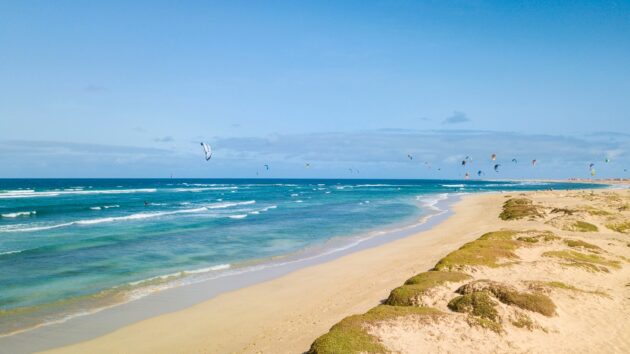
Sal is the most tourist-oriented island in the Cape Verde archipelago, known for its stunning white-sand beaches, year-round sunshine, turquoise waters, and relaxed vibe. With the international airport (SID) handling most flights to the country, Sal serves as the main gateway for visitors. It’s ideal for beach lovers, water sports enthusiasts, and those seeking a mix of relaxation and light adventure.
Why Visit Sal?
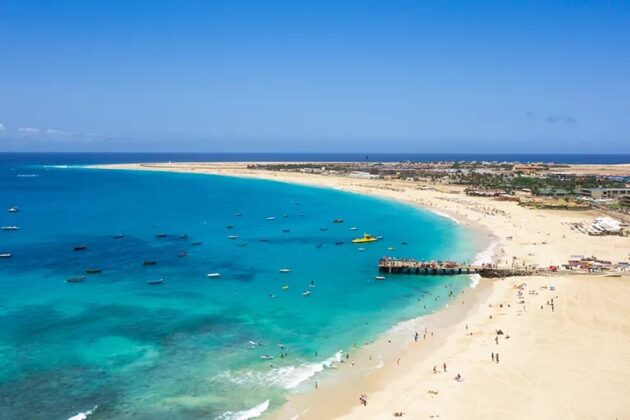
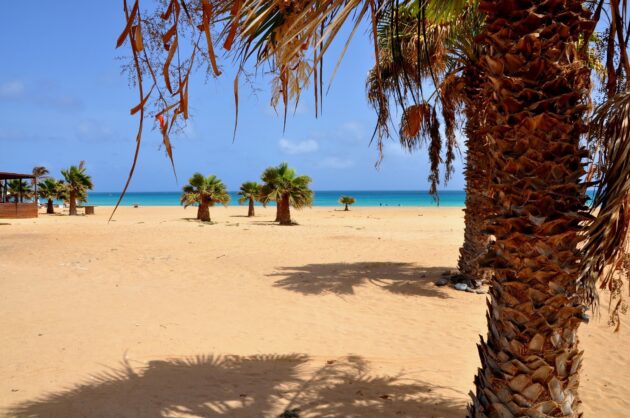
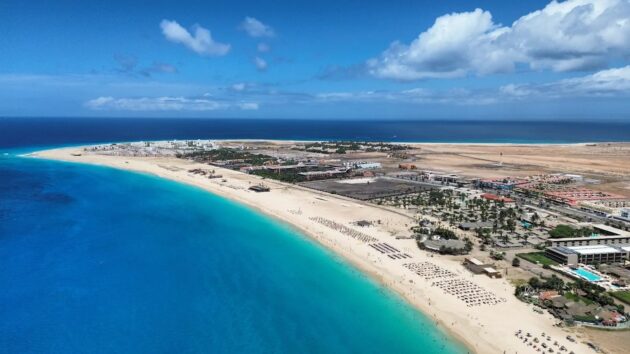
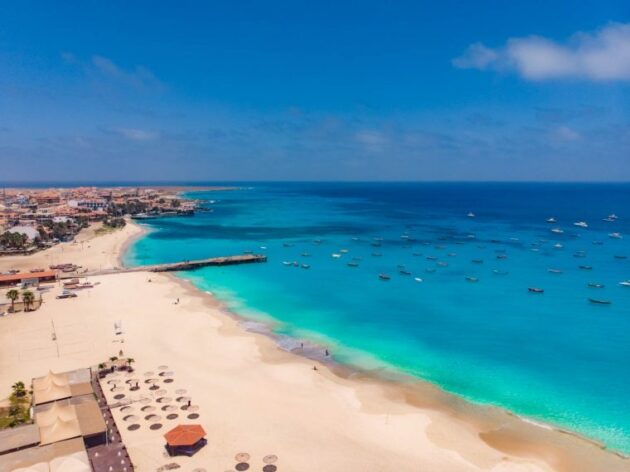
Beaches: Some of the most beautiful in the Atlantic, including the famous Santa Maria beach.
Water Sports: World-class windsurfing, kitesurfing, diving, and snorkeling.
Climate: Dry, sunny, and warm almost all year (average 24–28°C / 75–82°F).
Vibe: Laid-back, safe, and welcoming, with a mix of European, African, and Creole influences.
Best Time to Visit
Sal enjoys a desert-like climate with very little rainfall.
Peak Season: December to April (perfect weather, higher prices).
Shoulder Months: May–June and October–November (good deals and fewer crowds).
Avoid if possible: July–September can be windier and slightly more humid, though still mostly sunny.
How to Get There
Flights: Direct flights from Europe (Lisbon, London, Paris, Amsterdam, etc.) and some from the US via connections. TACV (Cabo Verde Airlines) and international carriers like TUI, Ryanair, and Jet2 fly into Amílcar Cabral International Airport (SID).
Inter-island: Ferries and domestic flights to other islands like Boa Vista, Santiago, and São Vicente.
Top Places to Visit on Sal
Santa Maria
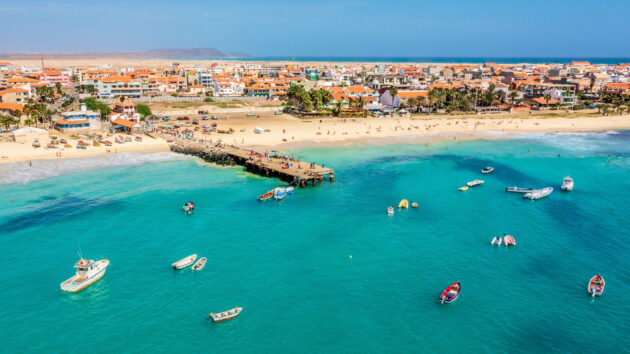
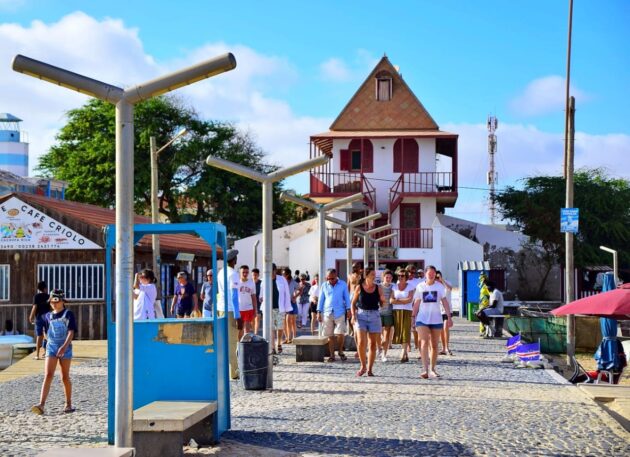
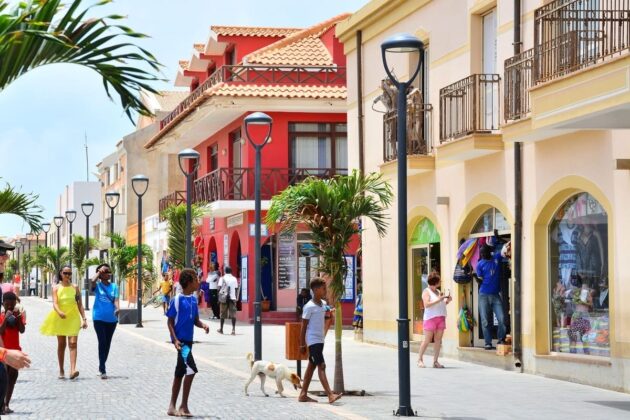
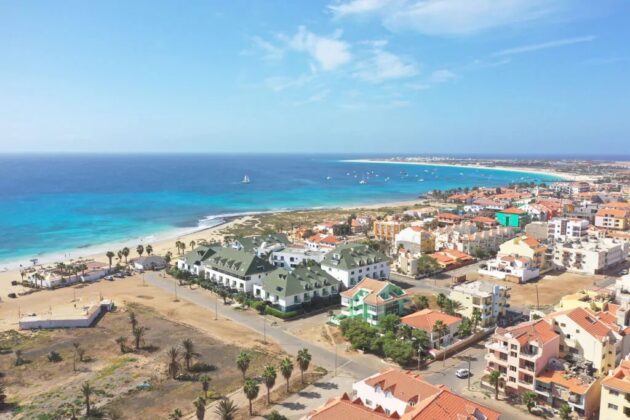
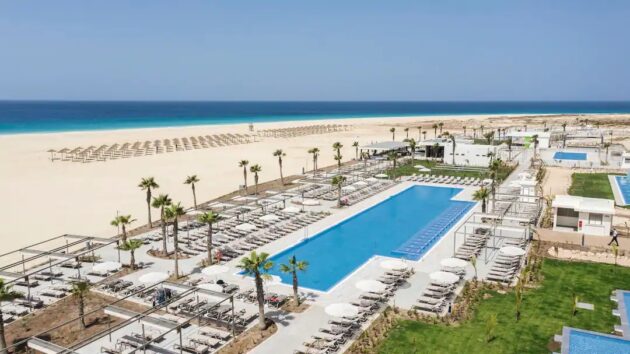
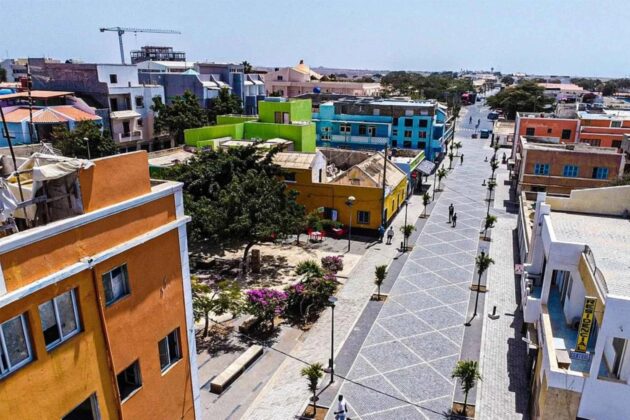
The main tourist hub. A charming town with colorful colonial-style buildings, a lively promenade (Avenida dos Hoteis), restaurants, and the iconic long white-sand beach. Great for sunset walks and people-watching.
Pedra Lume Salt Pans
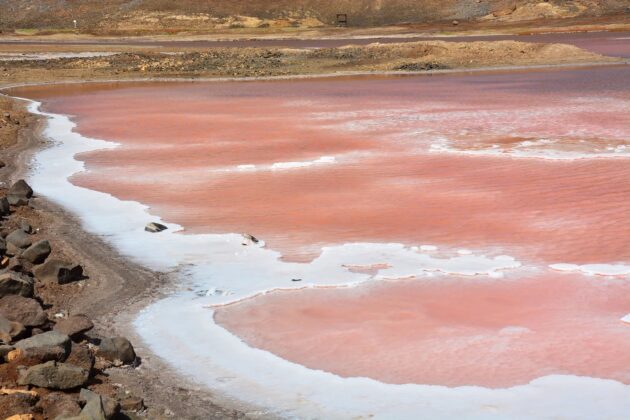
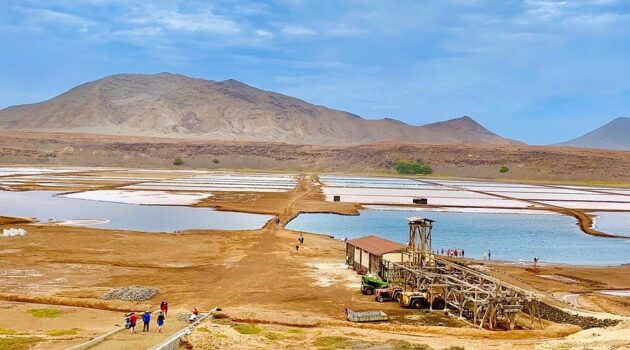
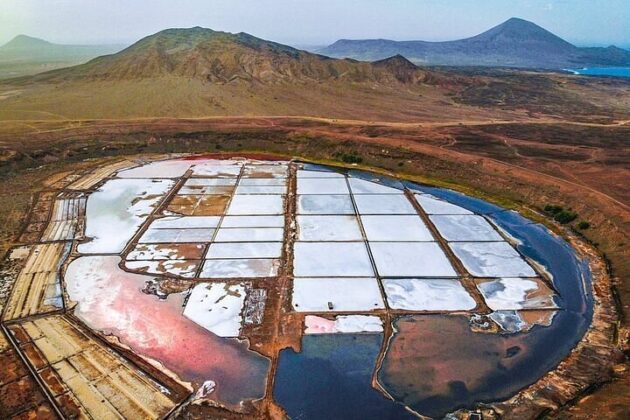
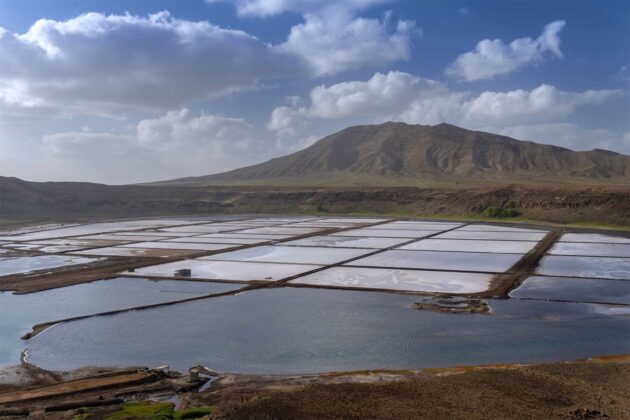
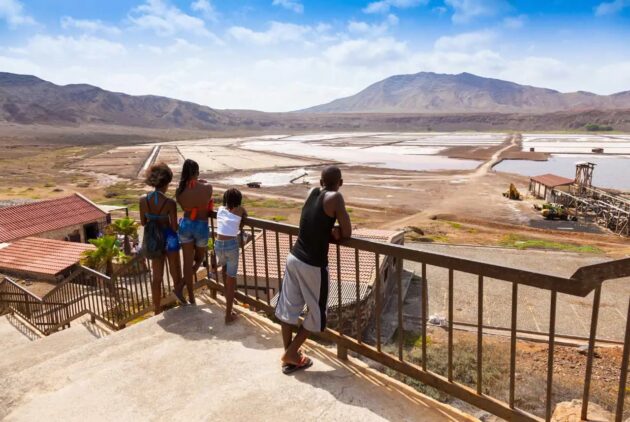
One of Sal’s most unique attractions. Visit the historic salt crater where you can float in super-saline water (like the Dead Sea). The pinkish salt lakes and old salt works are photogenic.
Buracona
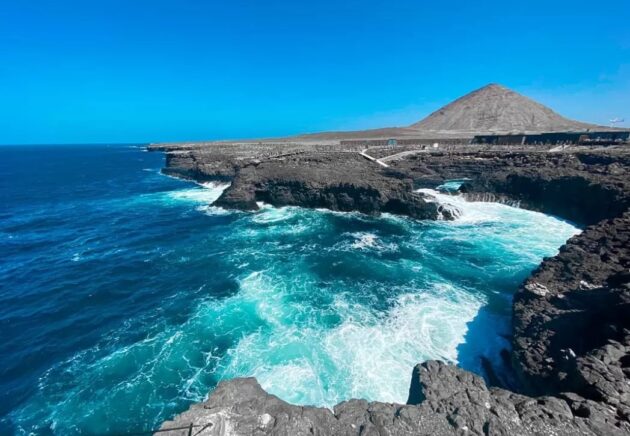
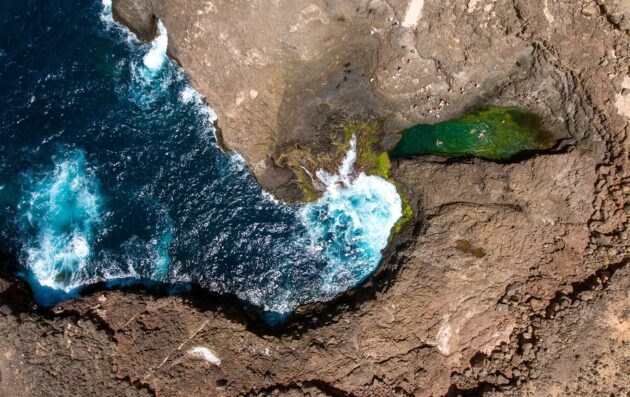
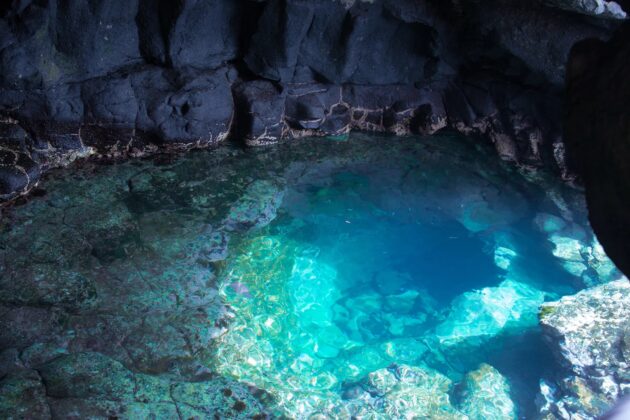
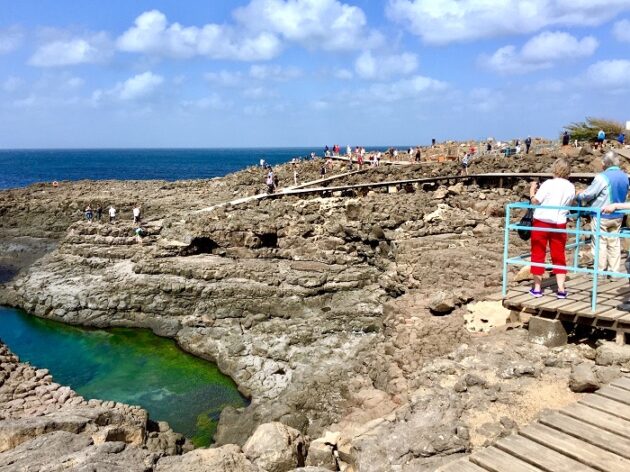
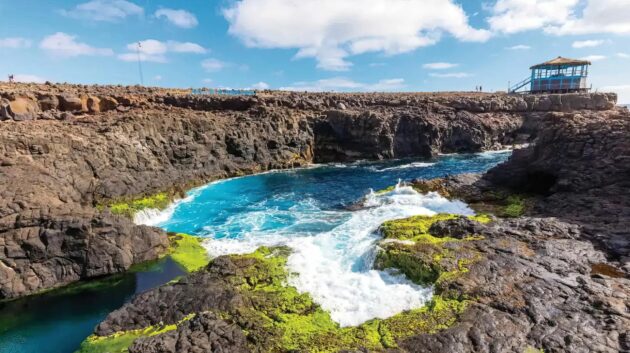
A natural pool carved into volcanic rock with striking blue water. The famous “Blue Eye” (Olho Azul) is a highlight — a glowing underwater opening best seen when the sun is high.
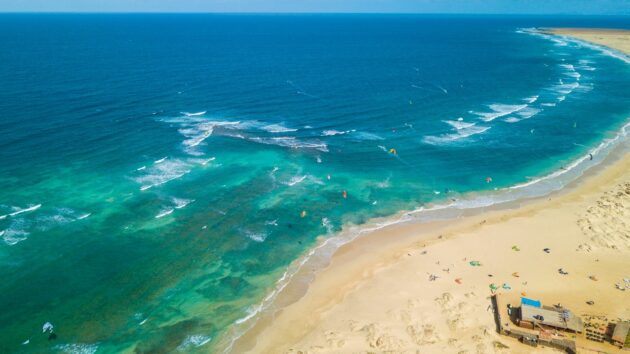
Kite Beach
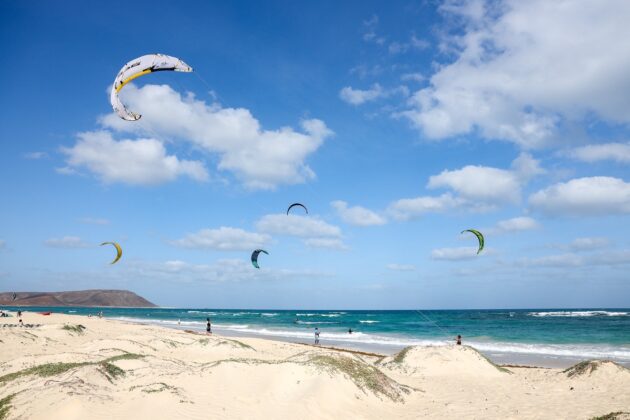
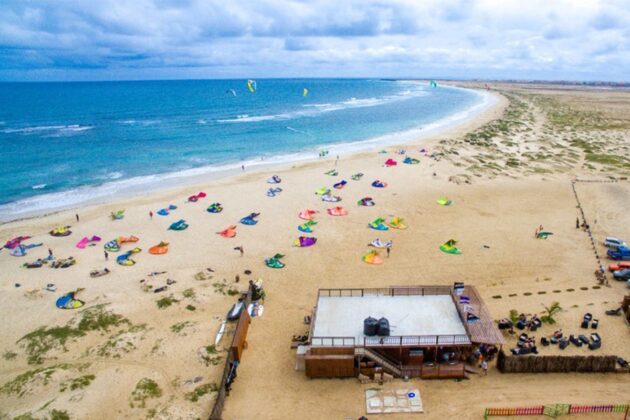
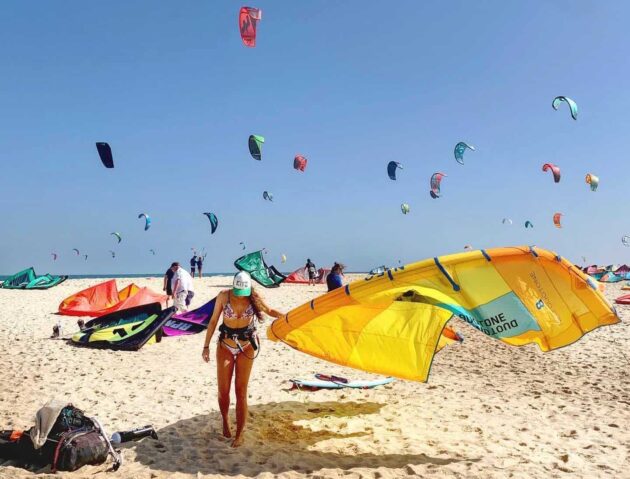
Excellent spots for kitesurfing. Shark Bay offers the chance to swim with nurse sharks (harmless) in shallow waters.
Espargos
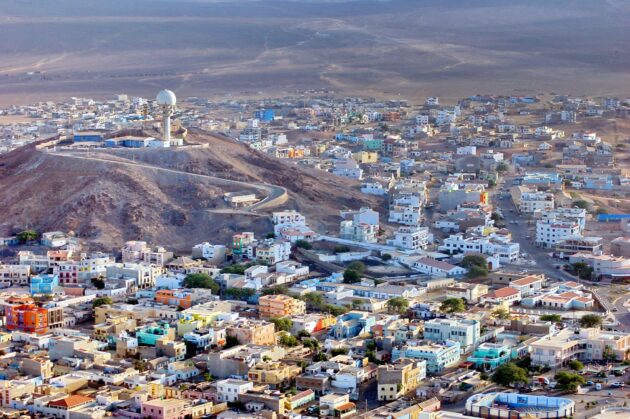
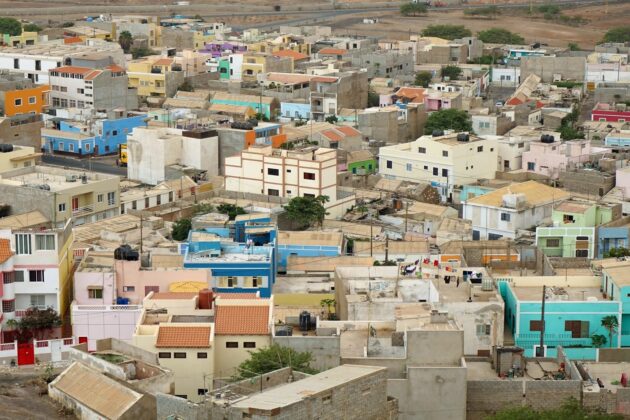
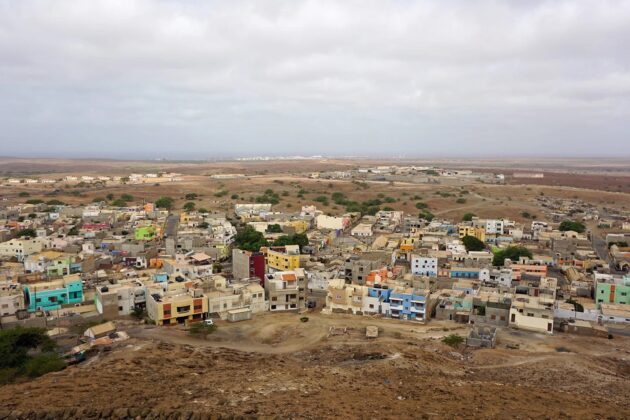
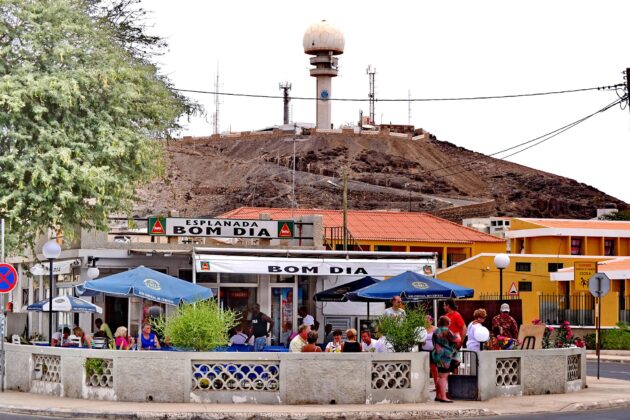
The island’s capital. More local and authentic than Santa Maria, with markets and everyday Cape Verdean life.
Monte Grande
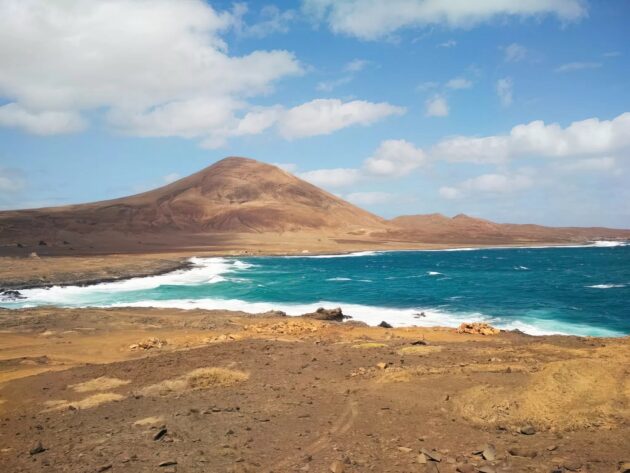
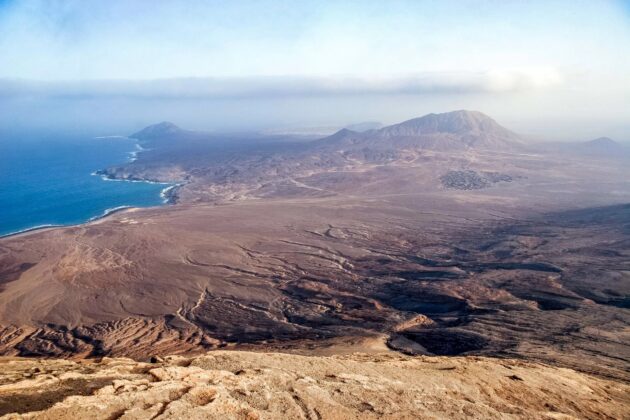
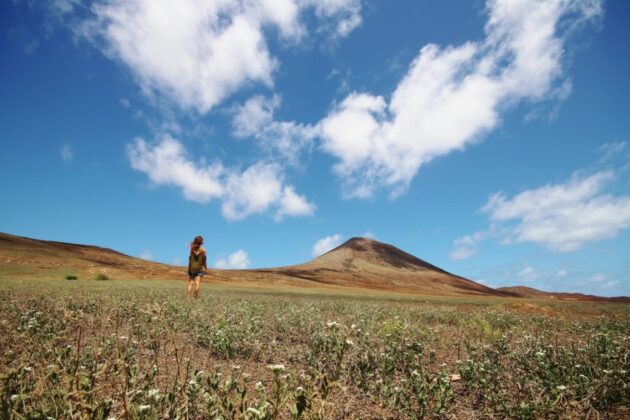
Monte Grande, which translates from Portuguese as “big mountain,” is the highest point on the island of Sal in Cape Verde, standing at 406 meters (1,332 feet) above sea level. Located approximately 8 kilometers northeast of the island capital, Espargos, this volcanic peak is a protected landscape recognized for its significant geological value, featuring unique formations such as pillow lava on its coast.
Activities & Experiences
Water Sports: Diving (excellent wrecks and reefs), snorkeling, stand-up paddleboarding, deep-sea fishing.
Boat Trips: Dolphin and whale watching (seasonal), catamaran sunset cruises.
Quad Bike / Buggy Tours: Explore the island’s desert-like interior and hidden beaches.
Surf School: Many schools in Santa Maria for beginners to advanced.
Nightlife: Live music (mornas and funaná), beach bars, and clubs in Santa Maria.
Food & Drink
Cape Verdean cuisine blends Portuguese, African, and Brazilian influences.
Must-try dishes: Cachupa (national dish — stew with corn, beans, meat/fish); Fresh grilled fish and lobster; Pastéis (fried pastries); Canja (chicken soup).
Drinks: Strela (local beer); Ponche (rum punch with honey or fruit); Grogue (local sugarcane spirit).
Best areas for dining: Santa Maria promenade and the beachfront restaurants.
Where to Stay
Luxury: Hotel Morabeza, Odjo d’Água, or Hilton Cabo Verde Sal Resort.
Mid-range: Porta do Vento, Crioula Hotel, or boutique guesthouses in Santa Maria.
Budget: Hostels and smaller hotels in Santa Maria or Espargos.
All-Inclusive: Popular option for many European package tourists.
Getting Around
Taxis: Cheap and plentiful (agree on price beforehand).
Rent a Car / Quad / Buggy: Best for exploring independently.
Minibuses (Aluguer): Local transport, very cheap but slower.
Bicycles: Good for Santa Maria area.
Practical Tips
Currency: Cape Verdean Escudo (CVE). Euros are widely accepted in tourist areas.
Language: Portuguese (official), Creole widely spoken. English is common in tourist zones.
Safety: Sal is one of the safest islands in Cape Verde, but use normal precautions (especially at night in quiet areas).
Health: No malaria risk. Tap water is not recommended for drinking — use bottled.
Electricity: European plugs (220V).
Internet: Decent in hotels and Santa Maria; mobile data works well.
Suggested Itinerary (7 Days)
Day 1–3: Relax in Santa Maria, beach time, water sports.
Day 4: Pedra Lume + Buracona tour.
Day 5: Kite Beach / Shark Bay + boat trip.
Day 6: Explore Espargos, Serra Negra, or a full island buggy tour.
Day 7: Free beach day + departure.
Pro Tip: Combine Sal with neighboring Boa Vista (short flight or ferry) for more pristine beaches and turtle-watching opportunities.
Final Thoughs
Sal offers the perfect balance of comfort, natural beauty, and authentic Cape Verdean culture. Whether you want to lounge on endless beaches or ride the Atlantic winds, this island delivers.
Enjoy your trip to Sal — Bem-vindo a Cabo Verde! 🇨🇻