

Santiago Island Travel Guide (2026)
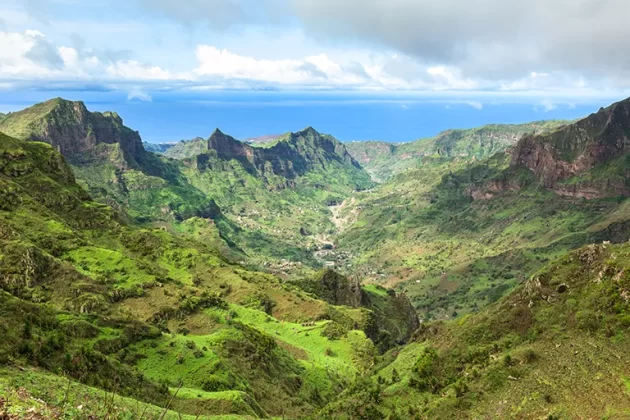
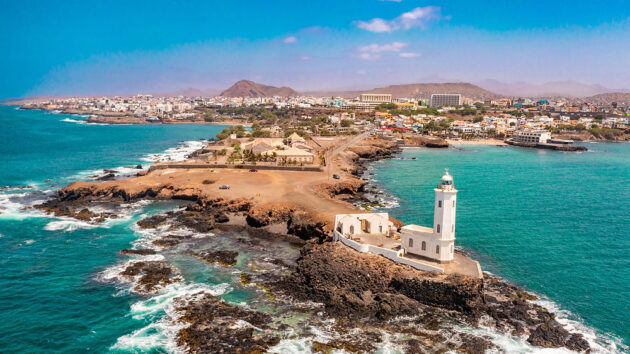
Santiago is the largest and most populous island in Cape Verde, often called the cultural heart of the archipelago. It offers a rich blend of history, African-influenced traditions, dramatic mountains, and beautiful beaches—making it more authentic and less touristy than the resort-focused islands like Sal or Boa Vista.
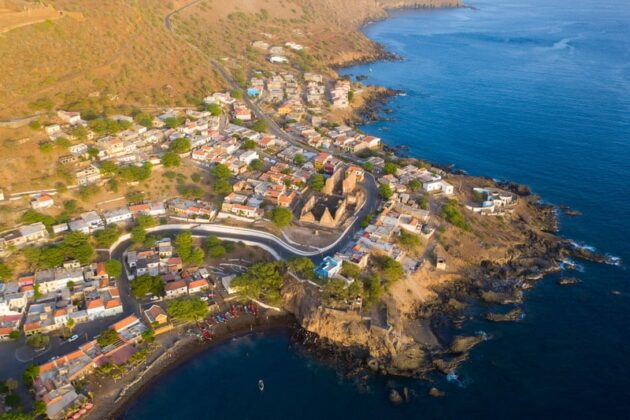
Praia, the capital city, serves as the island’s bustling hub, while historic sites like Cidade Velha (a UNESCO World Heritage Site) highlight its role as one of the first European settlements in the tropics. Nature lovers will enjoy hiking in Serra Malagueta or relaxing on golden sands in Tarrafal.
How to Get There
Airport: Fly into Nelson Mandela International Airport (RAI) in Praia, located about 3 km from the city center.
Direct international flights are available from Europe (e.g., Lisbon) and other Cape Verde islands. Many travelers fly into Sal (SID) first and then take a short domestic flight or ferry to Praia.
Inter-island travel: Domestic flights with Cabo Verde Airlines or ferries connect to other islands.
Best Time to Visit
The weather is warm year-round (24–30°C / 75–86°F). The best time is during the dry season from November to June, with minimal rain, clear skies for hiking, and ideal beach conditions.
July–October is the rainy (but still warm) season, when the landscape turns greener.
Peak season (especially December–February) sees more visitors; book ahead for holidays.
Top Attractions
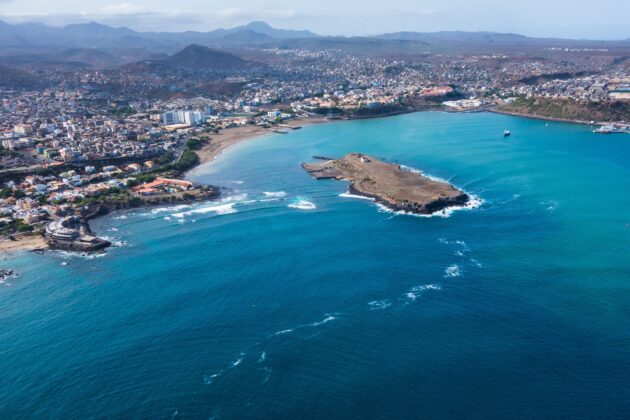
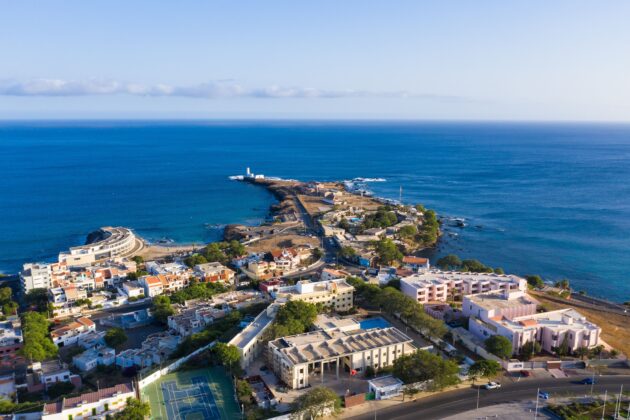
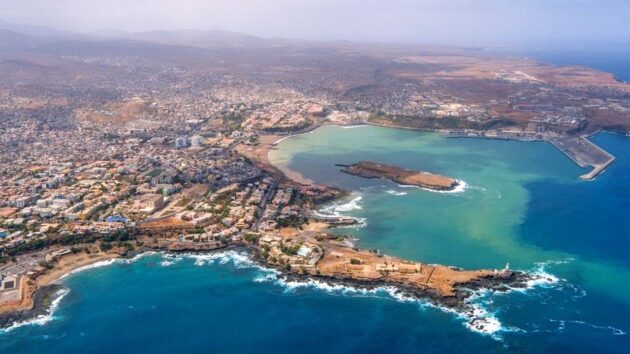
Praia
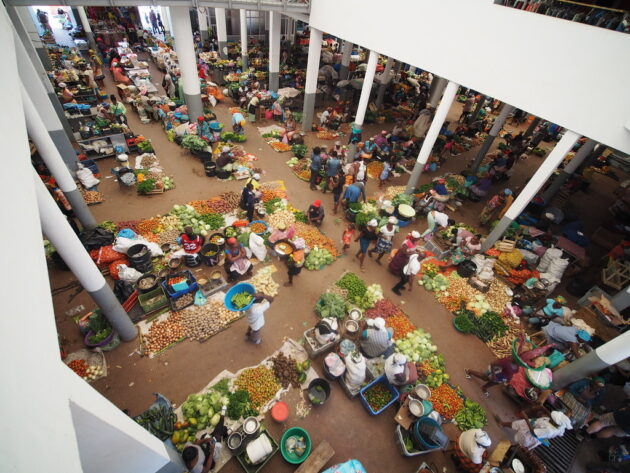
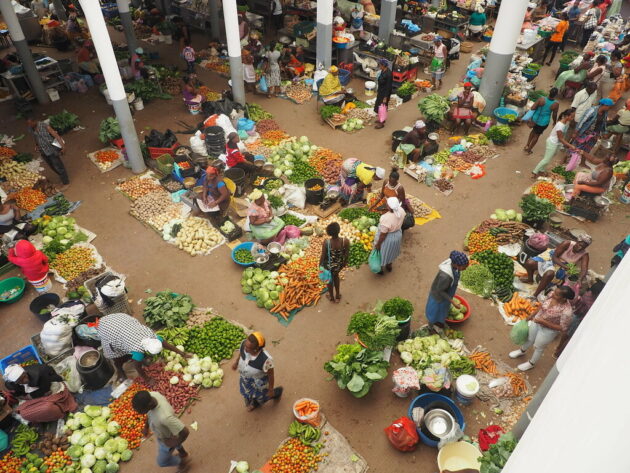
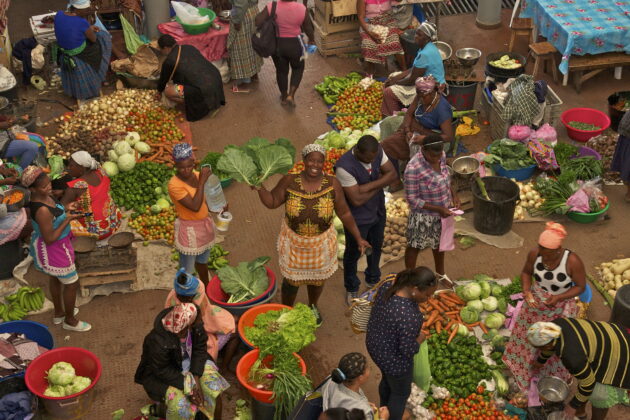
Explore the Plateau district with its colonial architecture, the lively Sucupira Market (great for souvenirs and local vibes), and the Ethnographic Museum.
Cidade Velha
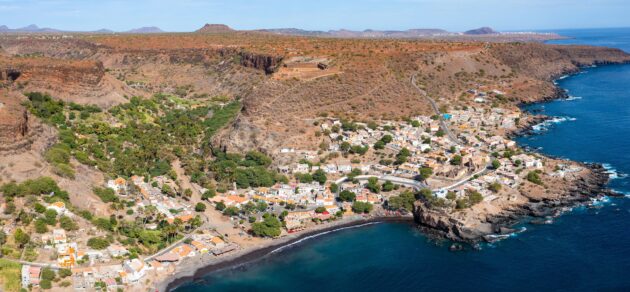
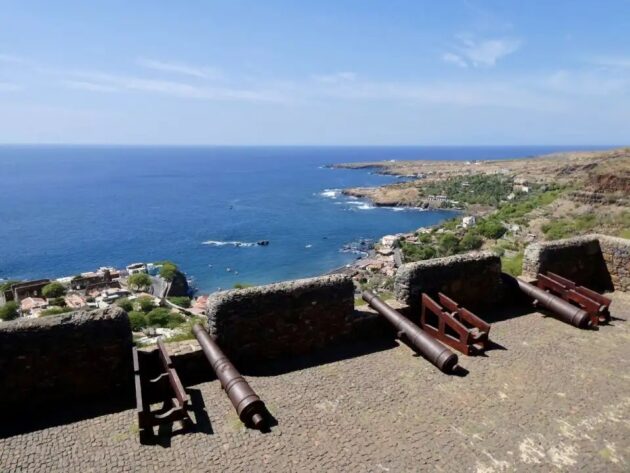
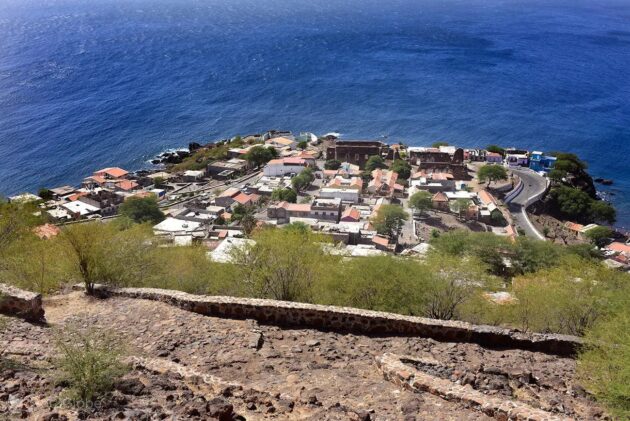
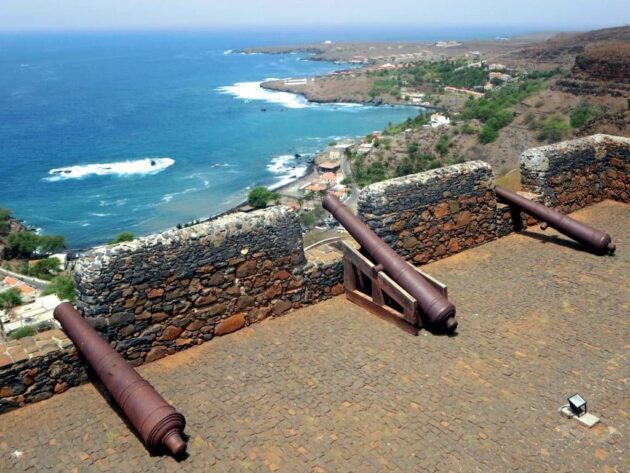
A UNESCO site and the oldest city in Cape Verde. Visit the ruins of Forte São Filipe, the cathedral, and the colorful historic center. It’s about 30–45 minutes from Praia.
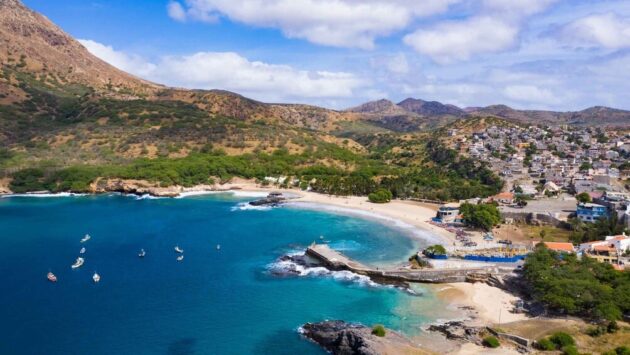
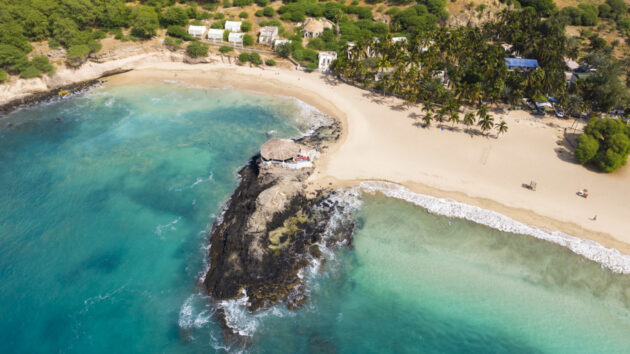
Tarrafal Beach
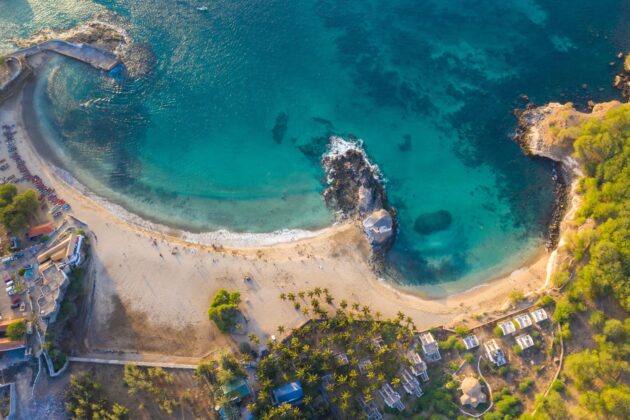
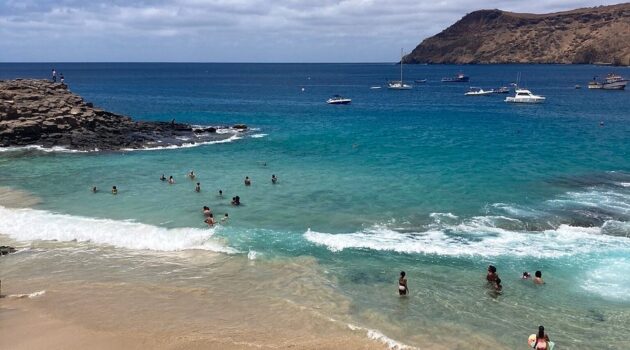
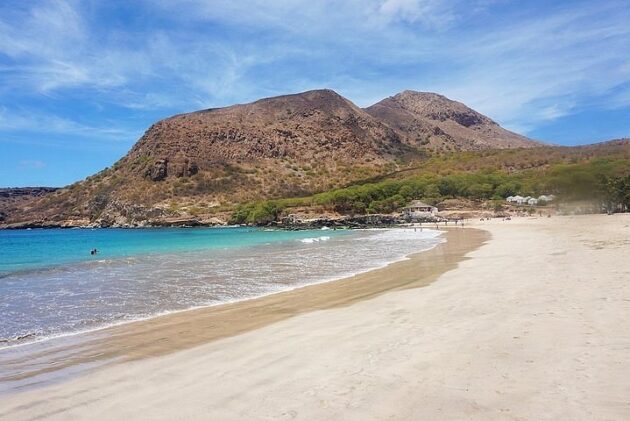
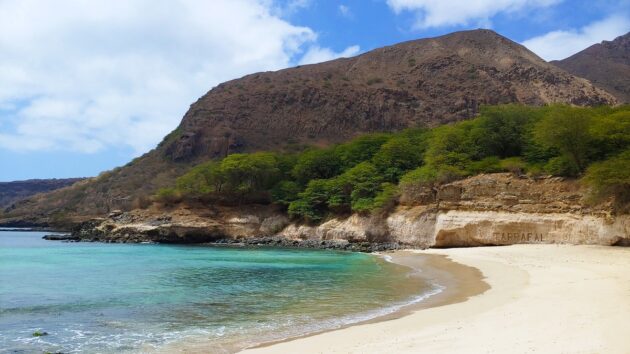
One of the island’s best beaches with calm waters, golden sand, and a laid-back fishing village atmosphere. Perfect for swimming and water sports.
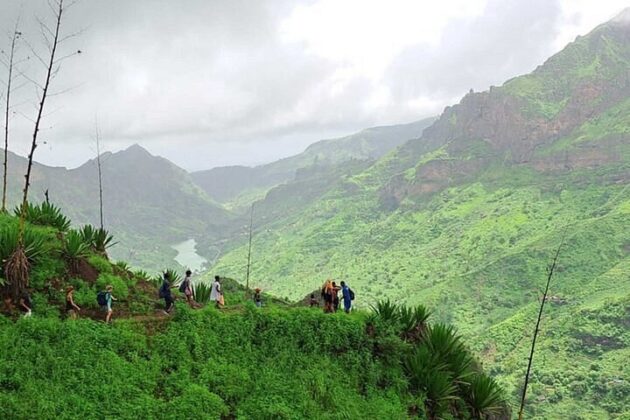
Serra Malagueta Natural Park
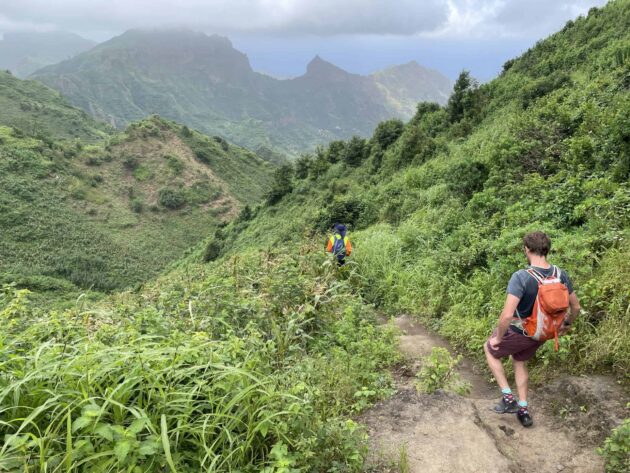
Hike through lush mountains with panoramic views, traditional villages, and opportunities to see the Rebelados community.
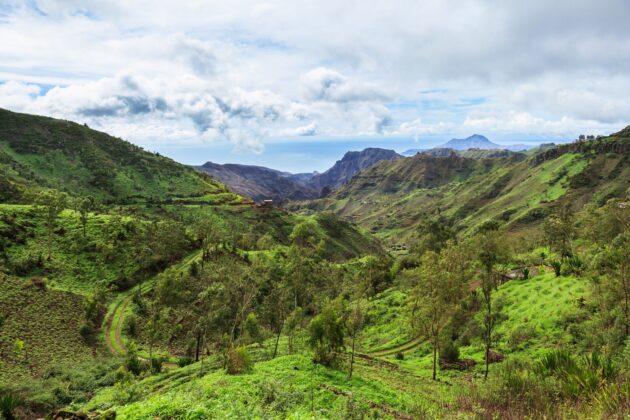
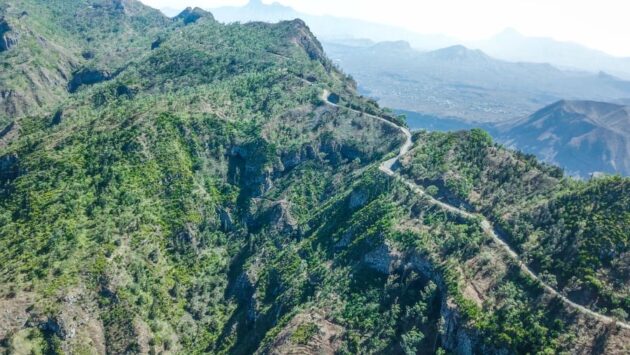
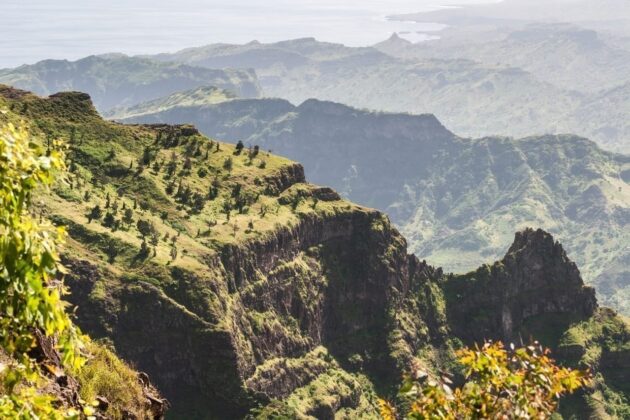
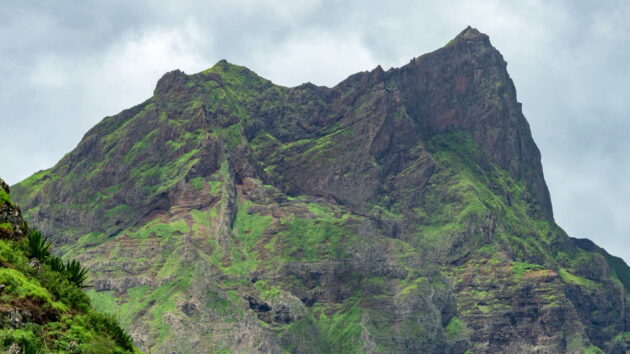
Pico de Antónia
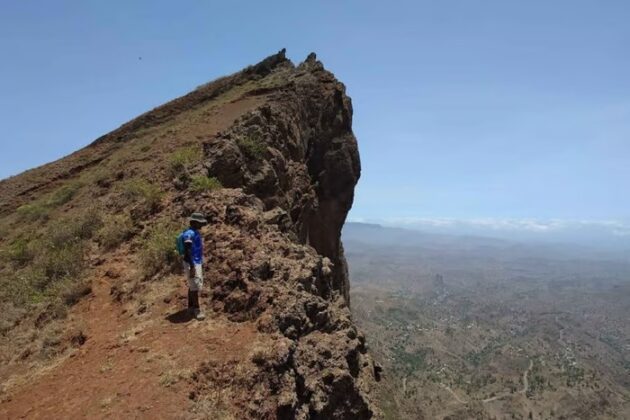
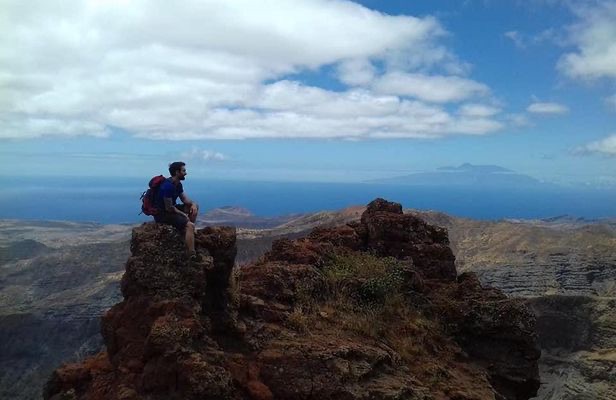
The highest point on the island—great for challenging hikes and stunning vistas.

Assomada Market
A vibrant weekly market (Wednesdays and Saturdays) showcasing local produce, crafts, and culture.
Things to Do
Hiking and Nature: Trails in Serra Malagueta and around Pico de Antónia. Guided tours are recommended for safety and local insights.
Beach Time: Swim, snorkel, or relax at Tarrafal, Quebra Canela, or Prainha.
Cultural Experiences: Listen to traditional morna music, visit local markets, or join a cooking class.
Day Trips: Full-island tours often combine Cidade Velha, mountain viewpoints, and beaches.
Water Activities: In Tarrafal, try jet skiing, diving, or boat tours.
Food and Drink
Cape Verdean cuisine blends African, Portuguese, and Brazilian influences. Must-tries:
Cachupa: A hearty stew of corn, beans, and meat or fish.
Fresh seafood, grilled chicken, and pastéis (fried pastries).
Grogue: Local sugarcane rum—often enjoyed straight or in cocktails.
Try street food at markets or seaside restaurants in Praia and Tarrafal. Local cafés serve strong coffee and fresh juices.
Where to Stay
Praia: Modern hotels and guesthouses for city convenience (good base for day trips).
Tarrafal: Beachfront hotels and smaller eco-lodges for a relaxed vibe.
Options range from budget guesthouses to mid-range resorts. Book in advance for peak season.
Getting Around
Rental Car: Ideal for flexibility, especially for exploring mountains and remote areas (4WD recommended for some roads).
Aluguer (shared vans/taxis): Cheap and authentic local transport between towns.
Taxis: Available in Praia and for day trips.
Guided tours are a stress-free way to see highlights if you prefer not to drive.
Practical Tips
Currency: Cape Verdean Escudo (CVE). Euros are widely accepted; ATMs are available in Praia.
Language: Portuguese is official; Creole is commonly spoken. English is limited outside tourist areas—basic Portuguese or a translation app helps.
Safety: Generally safe, but use common sense in crowds and at night. Stick to main areas in Praia.
Health: No major risks, but drink bottled water, use sunscreen, and check for any travel advisories. Mosquito repellent is useful.
Visa: Many nationalities get a visa on arrival or online—check current requirements.
Electricity: European-style plugs (220V).
Suggested Itinerary (5–7 Days)
Days 1–2: Arrive in Praia → Explore Plateau, markets, and beaches.
Day 3: Day trip to Cidade Velha.
Days 4–5: Head to Tarrafal for beach time and water activities.
Days 6–7: Mountain hiking in Serra Malagueta + Assomada market → Return to Praia for departure.
Final Thoughts
Santiago offers the perfect mix of culture, history, and nature for travelers seeking an authentic Cape Verde experience. Whether you’re into hiking volcanic landscapes or chilling on pristine beaches, this island delivers.
Safe travels! 🇨🇻