
Meiji Shrine (Meiji Jingu) Travel Guide (2026)
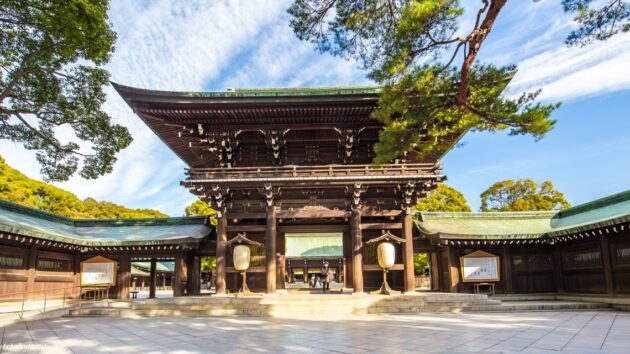
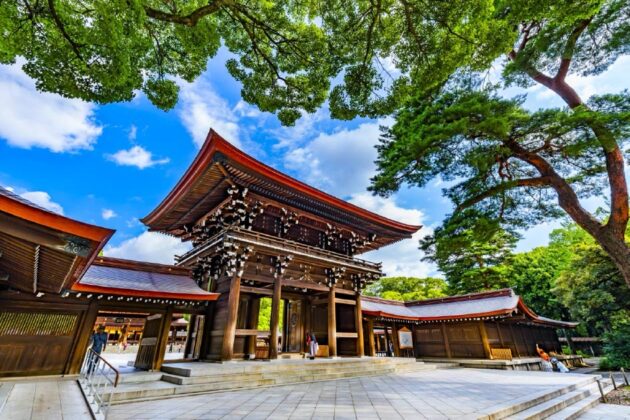
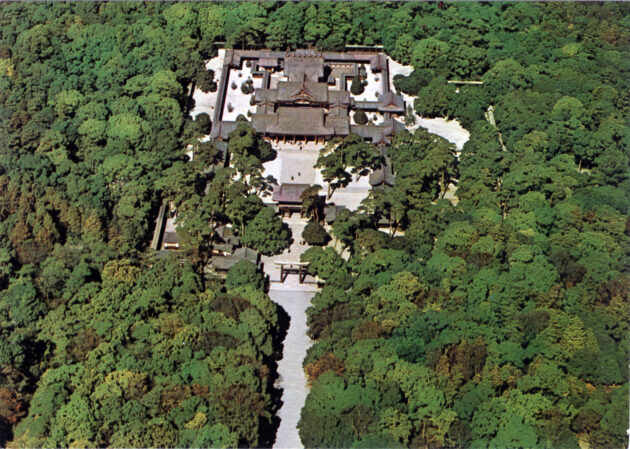
Meiji Shrine is one of Tokyo’s most important and atmospheric Shinto shrines. Built in 1920 and dedicated to Emperor Meiji and Empress Shoken, it offers a serene escape from the bustling city. The shrine is nestled within a 170-acre evergreen forest that feels worlds away from the skyscrapers and crowds of Shibuya and Harajuku. It is especially famous for its massive wooden torii gates, traditional Shinto rituals, and vibrant festivals.
Highlights
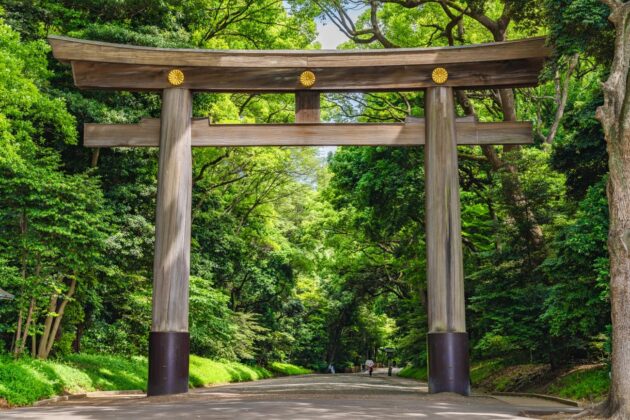
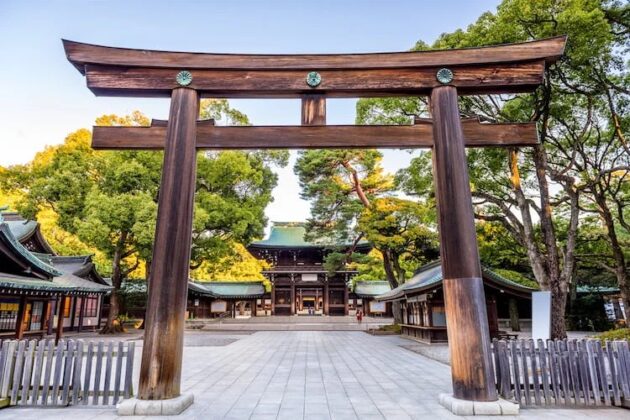
Grand Torii Gates: The largest wooden torii gate in Japan marks the entrance. Walking under it feels like stepping into another world.
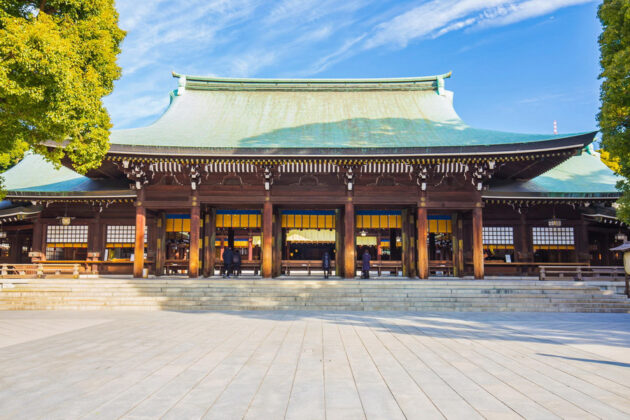
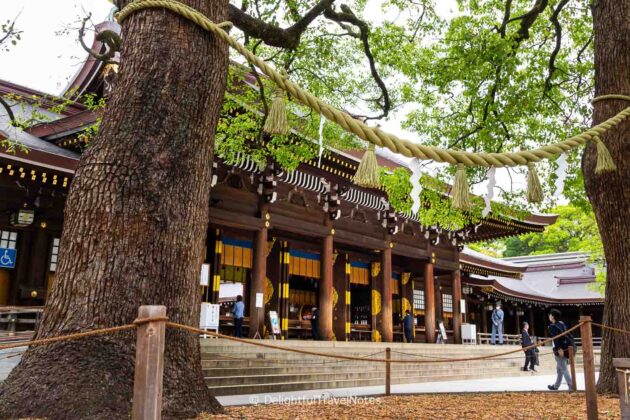
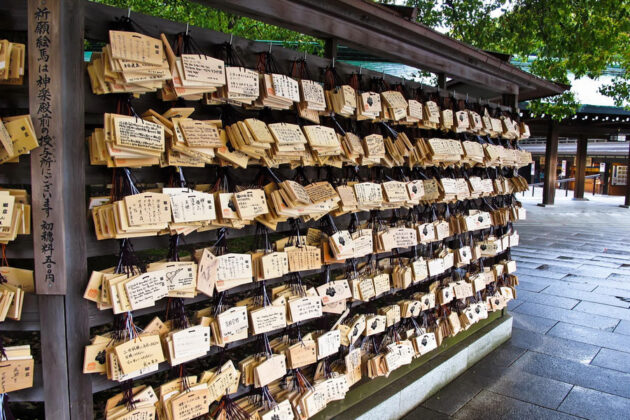
Inner Shrine (Nai-en): The main shrine area where you can pray, write wishes on ema (wooden plaques), and observe Shinto ceremonies.
Meiji Jingu Forest: A peaceful, densely wooded area with over 100,000 trees donated from across Japan.
Iris Garden (Meiji Jingu Gyoen): Beautiful especially in June when irises bloom (small entrance fee applies).
Treasure House (Homotsukan): Displays personal items and artifacts belonging to Emperor Meiji.
Seasonal Events: New Year’s (first shrine visit), Autumn Festival, and various traditional ceremonies.
How to Get There
Closest Stations: Harajuku Station (JR Yamanote Line) – 1 minute walk to the entrance. Yoyogi Station (JR Yamanote Line / Oedo Subway Line). Meiji-jingumae Station (Chiyoda & Fukutoshin Subway Lines).
From Shinjuku: 5–10 minutes by JR train.
From Shibuya: 3–5 minutes.
Tip: Exit Harajuku Station via the Takeshita Street exit for the most scenic approach through the forest path.
Opening Hours & Fees
Shrine Grounds: Open daily from sunrise to sunset (typically 5:00 AM – 5:30/6:00 PM, varies by season).
Inner Shrine Buildings: Usually until 16:00–16:30.
Iris Garden & Treasure House: 9:00 AM – 4:30 PM (last entry).
Admission: Free for the main shrine area. Small fees for the Iris Garden (¥500) and Treasure House (¥1,000).
Best Time to Visit
Spring (March–May): Cherry blossoms nearby and pleasant weather.
Early Summer (June): Iris flowers in full bloom at the garden.
Autumn (October–November): Stunning fall foliage.
Winter: Quiet and magical, especially for the first shrine visit (hatsumode) during New Year.
Avoid: Midday on weekends and public holidays when it gets crowded.
What to Do at Meiji Shrine
Purification Ritual: At the temizuya (water pavilion), wash your hands and rinse your mouth before approaching the shrine.
Praying: Toss a 5-yen coin into the offering box, bow twice, clap twice, bow once more.
Write an Ema: Purchase a wooden plaque and write your wish.
Stroll the Forest Paths: Take the long, gravel path lined with towering trees — perfect for photos and peace.
Visit During a Ceremony: Watch priests and miko (shrine maidens) perform rituals if you’re lucky with timing.
Visitor Tips
Dress Code: Modest and respectful clothing is appreciated (shoulders and knees covered is safest).
Photography: Allowed in most outdoor areas, but avoid taking photos of people praying or inside certain buildings.
Etiquette: Walk on the sides of the path (center is for gods), speak quietly, and maintain a calm demeanor.
Crowd Levels: Mornings are best for fewer people and better light.
Combine with Nearby Attractions: Takeshita Street (Harajuku fashion & crepes); Yoyogi Park (people-watching, picnics); Shibuya Crossing & Scramble Square; Omotesando (luxury shopping).
Food & Drink Nearby
Many casual cafés and crepe shops in Harajuku.
For traditional Japanese food, try nearby izakayas or head to Shibuya for more options.
There is a small café inside the shrine grounds serving matcha and light snacks.
Final Thoughts
Meiji Shrine beautifully represents the harmony between nature, tradition, and modern Tokyo. It’s a refreshing, soul-soothing stop that many visitors rank as one of their favorite experiences in the city.
Enjoy your visit! 🇯🇵