
Tokyo National Museum Travel Guide (2026)
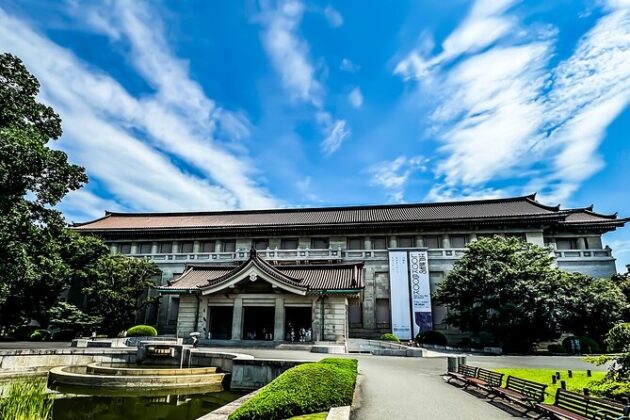
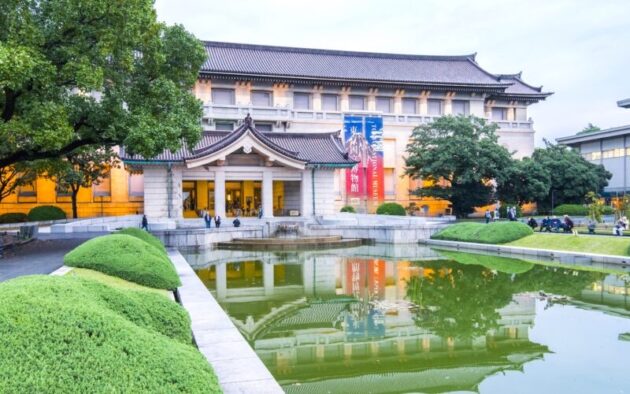
The Tokyo National Museum (東京国立博物館, Tōkyō Kokuritsu Hakubutsukan), often abbreviated as TNM, is Japan’s oldest and largest museum dedicated to art and cultural heritage. Located in Ueno Park, it houses over 120,000 artifacts, with around 4,000 on display at any time. The collection spans Japanese history from the Jōmon period (over 14,000 years ago) to the 19th century, alongside significant Asian art pieces.
It is a must-visit for anyone interested in Japanese history, archaeology, samurai culture, Buddhist art, ceramics, ukiyo-e prints, and more. The museum complex includes multiple buildings set in beautiful grounds, making it an ideal half-day or full-day cultural immersion.
Location & How to Get There
Address: 13-9 Ueno Park, Taito-ku, Tokyo 110-8712
Best Access: JR Yamanote Line: 10-minute walk from Ueno Station (Park Exit) or Uguisudani Station. Tokyo Metro: 15-minute walk from Ueno Station (Ginza or Hibiya Lines) or Nezu Station (Chiyoda Line). Keisei Line: 15-minute walk from Keisei Ueno Station.
The museum is right in the heart of Ueno Park, famous for cherry blossoms in spring, lotus ponds, and other attractions like the National Museum of Nature and Science and Ueno Zoo.
Tip: No parking is available at the museum. Use public transport.
Opening Hours & Admission
Regular Hours: 9:30 a.m. – 5:00 p.m. (Last admission 30 minutes before closing)
Extended Hours: Open until 8:00 p.m. on Fridays, Saturdays, and Sundays when the following Monday is a holiday.
Closed: Mondays (or Tuesday if Monday is a holiday), New Year holidays, and occasional maintenance days. Always check the official site.
Admission (Permanent Collection): Adults: 1,000 yen; University students: 500 yen; Children (under 18): Free; Special exhibitions usually require a separate ticket (typically 1,000–1,500 yen extra).
Recommendation: Buy tickets online in advance to skip potential long queues at the gate.
What to See: Highlights
The museum has several main buildings:
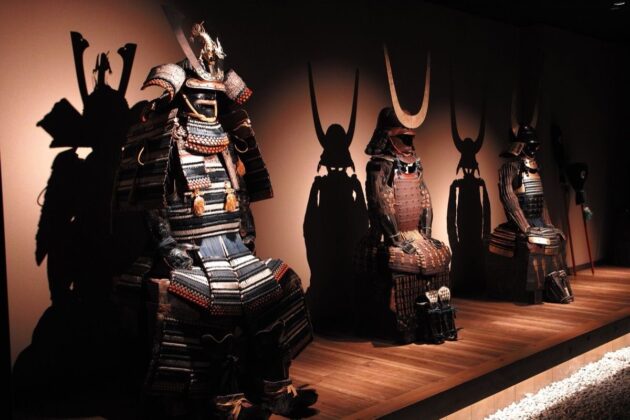
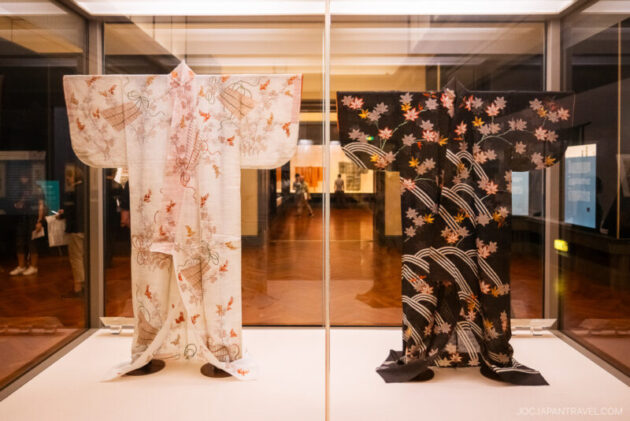
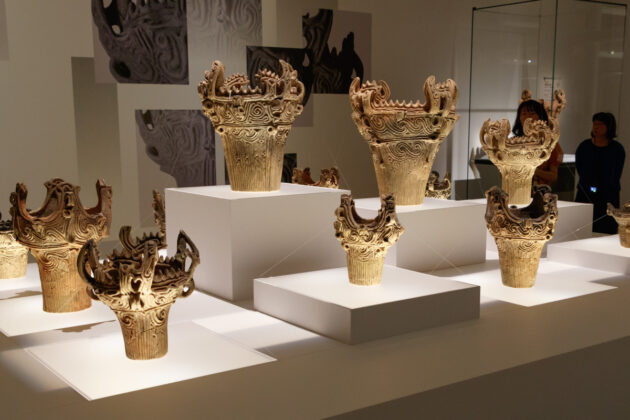
Honkan (Main Building) — The heart of the museum. Japanese Gallery (2nd floor): Chronological display from Jōmon pottery to Edo-period art. Highlights: National Treasures, samurai armor and swords, beautiful folding screens, Zen paintings, and ukiyo-e woodblock prints.
Heiseikan — Japanese archaeology and special exhibitions. Excellent for understanding ancient Japan.
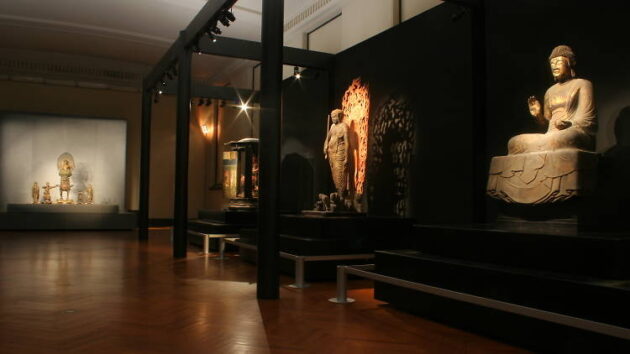
Gallery of Hōryūji Treasures — Sacred Buddhist artifacts from Hōryūji Temple (7th century).
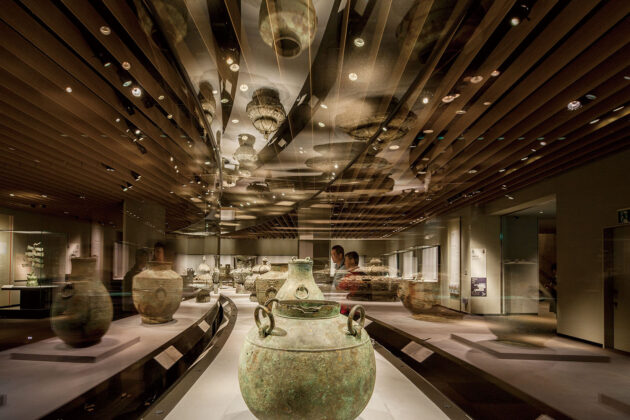
Hyōkeikan — Asian art from China, Korea, and beyond.
Kuroda Memorial Hall — Western-style paintings by Japanese artist Kuroda Seiki.
Free English brochures and audio guides are available.
Practical Tips
Best Time to Visit: Weekday mornings for fewer crowds. Spring (cherry blossoms) or autumn (fall foliage) for the park. Friday/Saturday evenings for extended hours.
Duration: Plan 2–4 hours. Wear comfortable shoes as there is a lot of walking.
Facilities: Restaurants and cafes on-site (try the garden restaurant). Gift shops with excellent souvenirs, replicas, and books. Free Wi-Fi and rest areas.
Accessibility: Wheelchair accessible with elevators and ramps. Strollers are allowed.
Photography: Generally permitted in permanent galleries (no flash), but check restrictions for special exhibits.
Weather Tip: Great indoor activity on rainy days.
Nearby Attractions
Ueno Park cherry blossoms or walks.
Ameyoko Market for street food and shopping.
National Museum of Nature and Science.
Ueno Zoo or Shinobazu Pond.
Asakusa (Senso-ji Temple) is a short train ride away.
Final Advice
The Tokyo National Museum offers one of the most comprehensive introductions to Japanese art and history anywhere in the world. Take your time, absorb the details, and don’t try to see everything in one go—focus on what interests you most. Whether you’re a history buff, art lover, or first-time visitor to Japan, it’s an enriching experience that will deepen your appreciation of the country.
Official Website: www.tnm.jp — Check for current exhibitions and hours before your visit.
Enjoy your trip to Tokyo! 🇯🇵