
Tenryu-ji Temple Travel Guide (2026): Kyoto’s Zen Masterpiece in Arashiyama
Tenryu-ji (天龍寺, meaning “Temple of the Heavenly Dragon”) is one of Kyoto’s most important Zen temples and a UNESCO World Heritage Site. Located in the scenic Arashiyama district, it beautifully blends Zen simplicity with elegant garden design. Founded in 1339, it ranks among Kyoto’s Five Great Zen Temples and remains a highlight for visitors seeking tranquility amid nature.
A Brief History
Ashikaga Takauji, the first shogun of the Muromachi period, established Tenryu-ji in 1339 to honor the late Emperor Go-Daigo, with whom he had a complex political relationship. The influential Zen priest Muso Soseki served as its founding abbot. The temple’s name derives from a dream involving a dragon rising from a river, symbolizing its spiritual power.
Over the centuries, fires and wars destroyed many structures multiple times, but the temple was faithfully rebuilt. Today, the surviving buildings and gardens reflect centuries of Zen tradition. In 1994, it was inscribed as part of the “Historic Monuments of Ancient Kyoto.”
Highlights and What to See
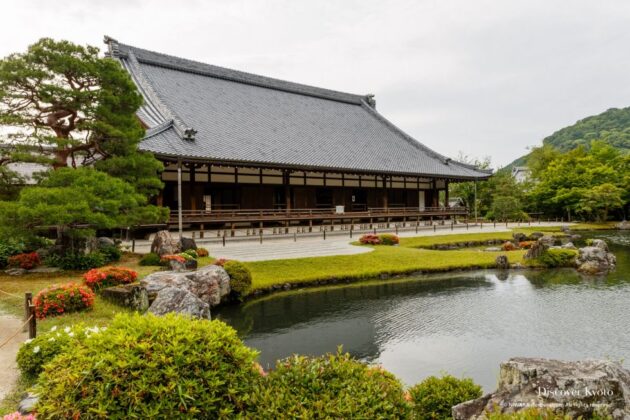
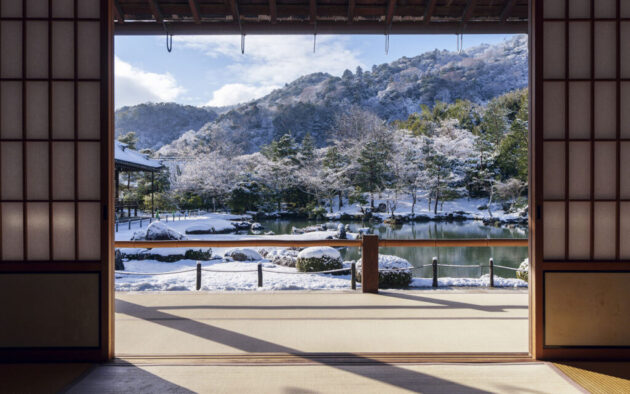
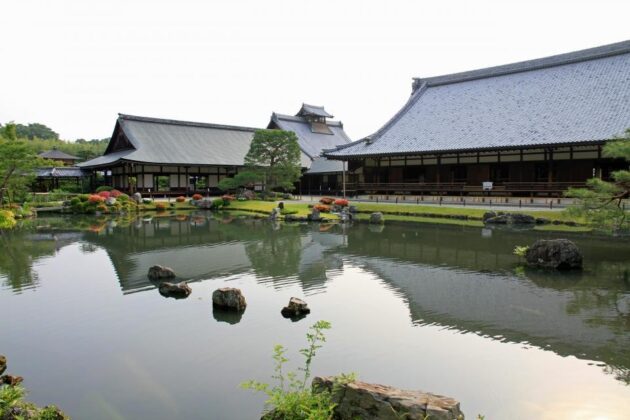
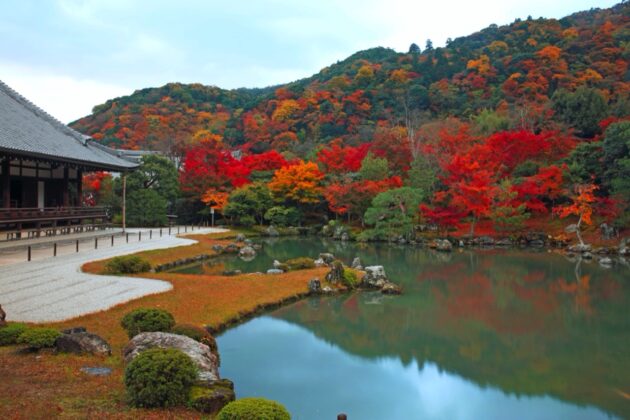
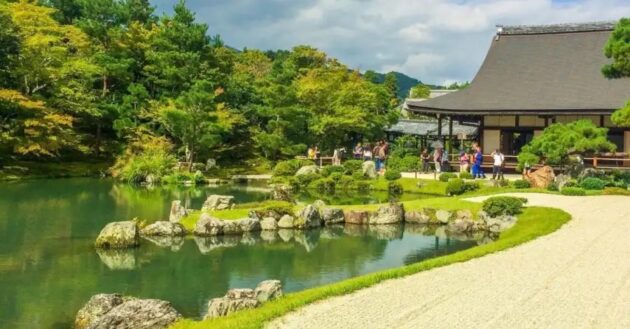
Sogenchi Garden (Sōgenchi Teien): The star attraction is this stunning landscape garden, designed by Muso Soseki. It features a central pond, carefully placed rocks, pruned trees, and borrowed scenery from the surrounding Arashiyama hills. It exemplifies shakkei (borrowed landscape) technique and is particularly beautiful in all seasons.
Hatto (Dharma Hall): Admire the famous “Cloud Dragon” painting on the ceiling—a dynamic ink painting of a dragon among clouds. Special viewings may have an extra fee.
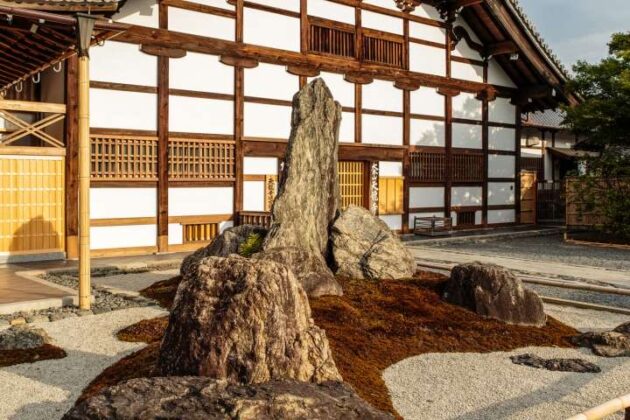
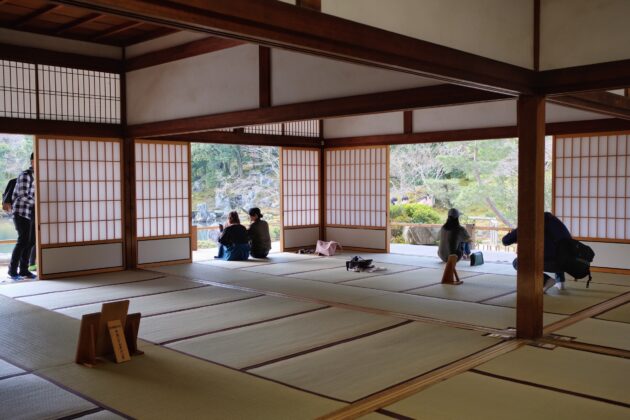
Main Hall and Other Buildings: Elegant wooden corridors and rooms offer views of the garden. The interiors provide insight into Zen aesthetics.
Bamboo Connection: The north gate of the temple leads directly toward the famous Arashiyama Bamboo Grove, making it a perfect starting point.
The garden is widely considered one of Japan’s finest examples of Zen garden design, harmonizing aristocratic elegance with meditative simplicity.
Practical Information
Opening Hours: 8:30 AM – 5:00 PM (last admission 4:50 PM). During peak autumn foliage (mid-to-late November), the garden may open earlier at 7:30 AM.
Admission Fees: Garden only: ¥500 (adults/high school+), ¥300 (elementary/middle school), free for preschoolers. Garden + Buildings: Add ¥300. Special Cloud-Dragon Painting viewing: May require an additional ¥500 during designated periods.
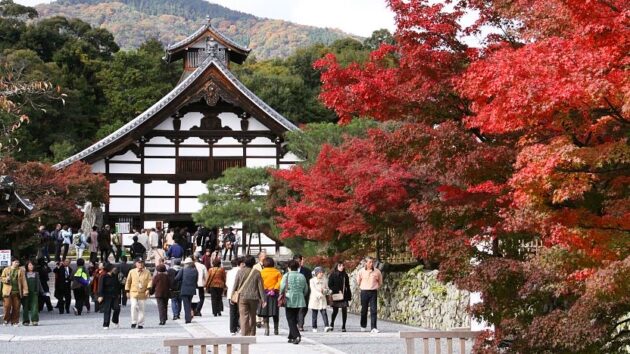
Best Time to Visit: Early morning (right at opening) to avoid crowds, especially on weekends and holidays. Spring (cherry blossoms) and autumn (maple leaves) are spectacular. Visit on weekdays for a more peaceful experience.
Pro Tip: Buy the garden-only ticket if you prefer to stay outdoors—the interiors are visible from the veranda, and the garden is the main draw for most visitors.
How to Get There
From Kyoto Station: Take the JR Sagano Line (San-in Line) to Saga-Arashiyama Station (about 15–20 minutes, ¥240). The temple is a 5–10 minute walk.
Alternative: Keifuku Arashiyama Station (Randen tram) is even closer—about 2 minutes on foot.
The area is very walkable and well-connected.
Tips for Visitors
Wear comfortable shoes for walking on gravel paths and uneven terrain.
Photography is allowed in the garden, but avoid flash and respect quiet zones.
The temple can get crowded midday—early or late afternoon is better.
Nearby restaurants offer excellent vegetarian Zen cuisine (shojin ryori) and seasonal Kyoto dishes.
Combine with other Arashiyama spots for a full day trip from central Kyoto.
Final Thoughts
Tenryu-ji offers a perfect introduction to Zen Buddhism and Japanese garden art. Its serene atmosphere and strategic location next to the bamboo grove make it an essential stop in Kyoto. Whether you’re a history buff, nature lover, or photography enthusiast, the temple delivers a memorable, peaceful experience.
Enjoy your visit to this heavenly dragon temple! 🐉