
Kiyomizu-dera Temple Travel Guide (2026)
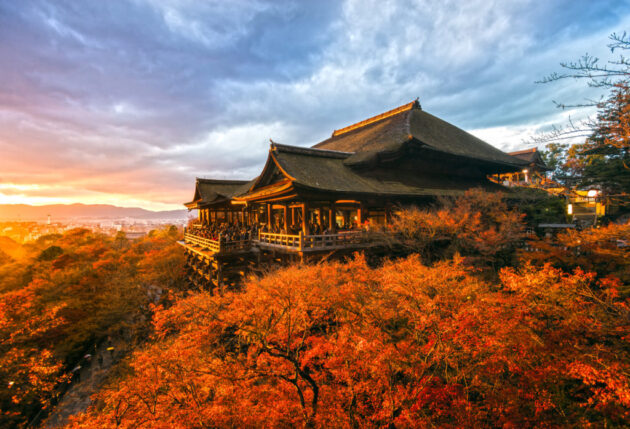
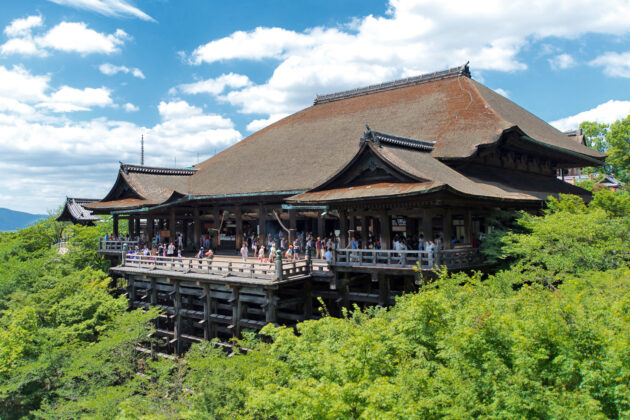
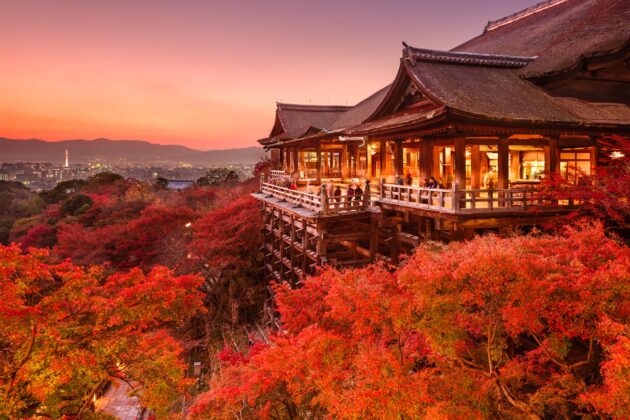
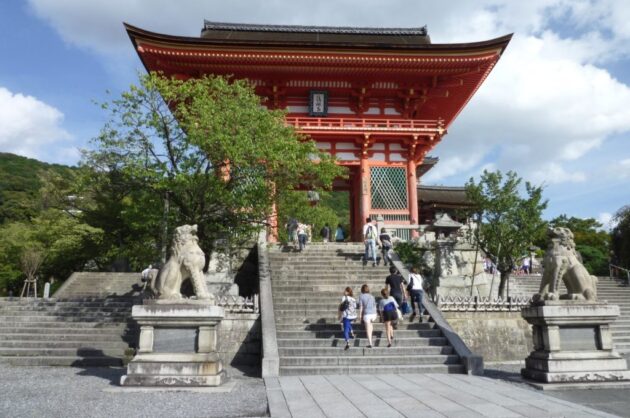
Kiyomizu-dera (清水寺, “Pure Water Temple”) is one of Kyoto’s most iconic and beloved landmarks. A UNESCO World Heritage Site, this historic Buddhist temple is famous for its stunning wooden stage that juts out over the hillside, offering breathtaking panoramic views of Kyoto. Founded in 778, it has survived numerous fires and reconstructions, with most current buildings dating from 1633.
The temple is dedicated to Kannon (the goddess of mercy) and derives its name from the pure spring water of the Otowa Waterfall on the grounds. It perfectly blends spiritual significance, architectural beauty, and natural scenery.
How to Get There
From Kyoto Station: Take Kyoto City Bus No. 100 or 206 (about 15 minutes, ¥230). Get off at Gojo-zaka or Kiyomizu-michi bus stop, then walk uphill for about 10 minutes.
By Train: Take the Keihan Line to Kiyomizu-Gojo Station, then walk about 20-25 minutes uphill through the charming Higashiyama streets.
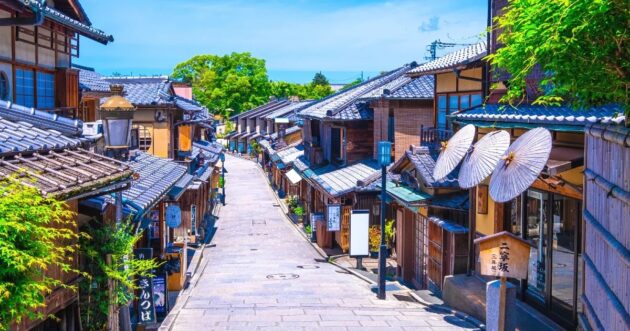
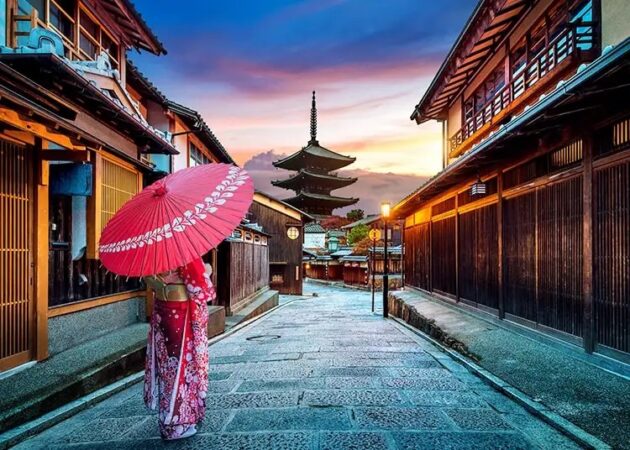
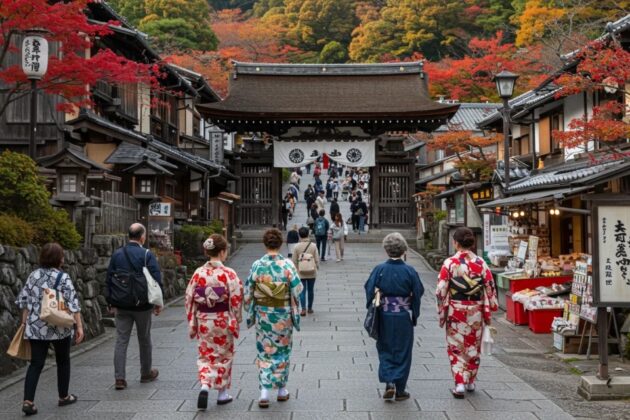
The approach through Sannenzaka and Ninenzaka slopes is part of the experience — lined with traditional shops, teahouses, and historic wooden buildings.
Tip: The path is steep and involves stairs. Wear comfortable shoes. Taxis can drop you closer, but expect traffic during peak times.
Opening Hours and Admission
Regular Hours: 6:00 AM – 6:00 PM (until 6:30 PM in July and August).
Admission Fee: ¥500 for adults, ¥200 for elementary/junior high students. Cash preferred; buy tickets on-site. No advance reservations needed.
Best Time to Visit
Early Morning (6:00–8:00 AM): Fewest crowds, peaceful atmosphere, and beautiful morning light. Highly recommended.
Spring (late March–early April): Cherry blossoms.
Autumn (mid-November–early December): Vibrant fall foliage — one of the most spectacular times.
Avoid midday in peak seasons (especially weekends and holidays) when it gets very crowded. Late afternoon before closing can also work well outside of peak foliage periods.
Highlights and Things to Do
Main Hall and Stage: The star attraction. The wooden veranda (without nails) offers incredible views over Kyoto. Inside, you can see the Eleven-Faced Thousand-Armed Kannon statue (viewing may be limited).
Otowa Waterfall: Drink from one of the three streams for blessings of longevity, success in studies, or love (using the long-handled cups). Many visitors drink from all three, but tradition says choosing one brings the best luck.
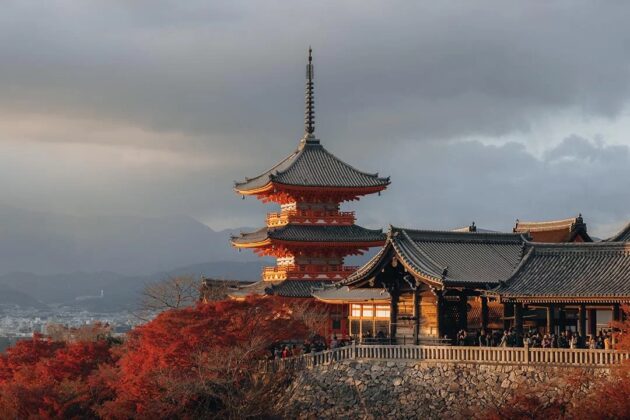
Koyasu Pagoda: A three-story pagoda with great photo opportunities, especially framed against the main hall.
Jishu Shrine: A small shrine on the grounds dedicated to love and matchmaking. Walk between the two “love stones” with your eyes closed for good fortune in romance.
Temple Grounds: Explore the lush gardens, smaller halls, and scenic paths. The area is especially magical during illuminations.
Recommended Visit Duration: 45–90 minutes, longer if you want to explore the surrounding Higashiyama district.
Nearby Attractions
The Higashiyama area is a preserved historic district:
Sannenzaka and Ninenzaka: Steep, picturesque streets lined with shops and teahouses.
Yasaka Shrine and Gion (geisha district) — about 20-30 minutes’ walk.
Other temples like Kodaiji or further to Nanzen-ji.
Many visitors combine Kiyomizu-dera with a stroll through Gion in the evening.
Food and Shopping
The approach streets are filled with options:
Try matcha sweets, warabi mochi, dango, or yatsuhashi (cinnamon sweets).
Popular spots include teahouses for light meals or traditional Kyoto cuisine like yudofu (tofu hot pot).
Souvenirs: Kiyomizu-yaki pottery, fans, kimono accessories, and pickles.
Practical Tips
Crowds: Extremely popular — visit early or during night openings for a better experience.
Photography: Great spots everywhere, but respect rules (no photos inside some halls).
Etiquette: Remove hats and be quiet in worship areas. Follow standard temple manners.
Weather: The stage can be slippery when wet. Bring a light jacket in cooler seasons.
Accessibility: Limited due to stairs and slopes; some areas may be challenging for those with mobility issues.
Combine with: A kimono rental for memorable photos in the historic streets.
Final Thoughts
Kiyomizu-dera is more than just a temple — it’s a window into Kyoto’s soul, blending history, nature, and spirituality. Whether you visit at sunrise, during cherry blossom season, or under autumn illuminations, it’s an unforgettable experience that captures the essence of Japan’s ancient capital.
Enjoy your trip! 🇯🇵