
Nijo Castle (Nijō-jō) Travel Guide (2026)
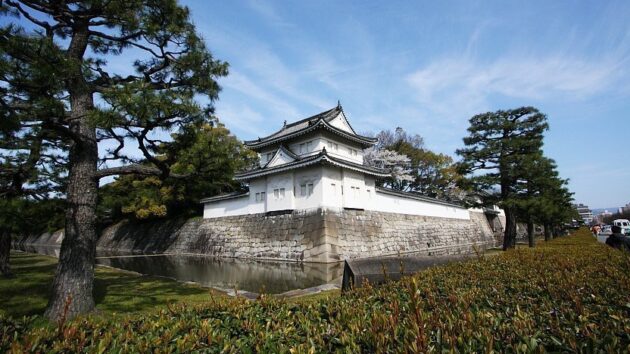
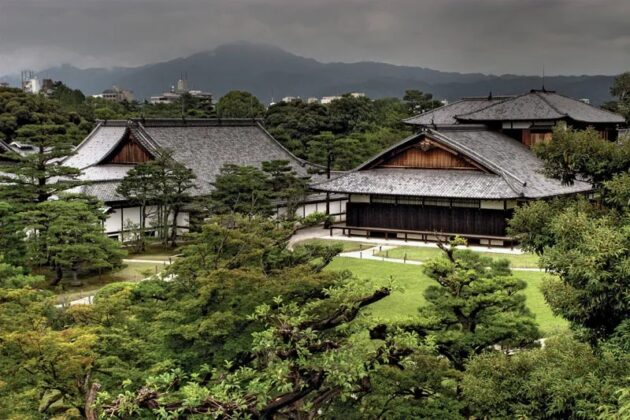
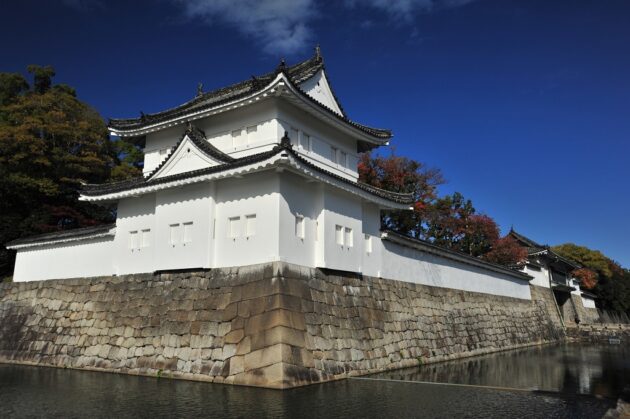
Nijo Castle is one of Kyoto’s most impressive historical sites and a UNESCO World Heritage Site. Built in 1603 by Tokugawa Ieyasu, the founder of the Tokugawa Shogunate, it served as the shogun’s official residence in Kyoto. The castle symbolizes the power and sophistication of the Edo period (1603–1868) with its blend of defensive architecture, stunning palaces, and serene gardens.
Why Visit Nijo Castle?
Nightingale Floors (uguisu-bari): The wooden corridors in the Ninomaru Palace squeak like birds when walked on — an ingenious security system against intruders.
Exquisite Kano School paintings on sliding doors (fusuma) and ceilings.
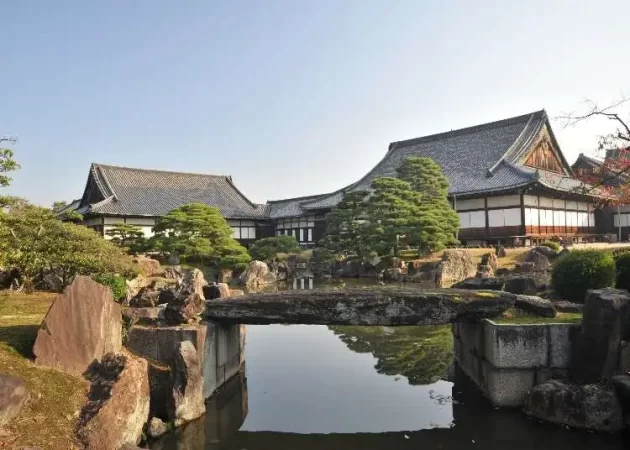
Beautiful landscaped gardens that change with the seasons.
A fascinating look into samurai-era politics and architecture.
It’s a must-visit for history buffs, architecture lovers, and anyone interested in Japan’s feudal past.
History in Brief
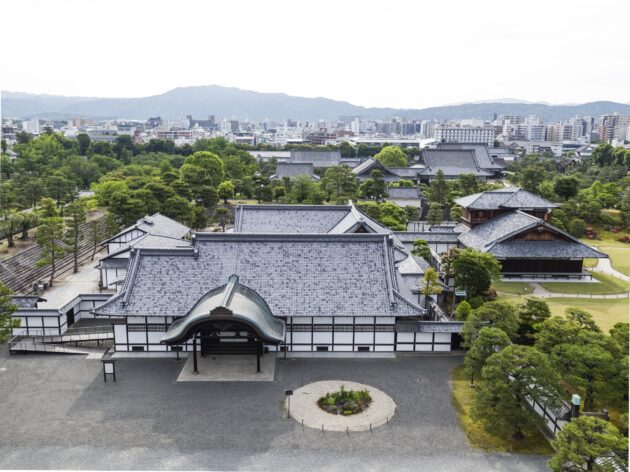
Tokugawa Ieyasu commissioned the castle in 1603. His grandson, Tokugawa Iemitsu, expanded it significantly in the 1620s. After the Meiji Restoration in 1868, it briefly served as an imperial villa before being opened to the public. The Ninomaru Palace is a National Treasure and one of the best-preserved examples of shoin-zukuri (samurai residential) architecture.
Opening Hours & Admission
Hours: 8:45 AM – 5:00 PM (last entry 4:00 PM). Ninomaru Palace entry until around 4:10 PM.
Closed: Tuesdays in January, July, August, and December; December 26–January 4 (and sometimes Dec 29–31). Check the official site for updates.
Tickets: Grounds only: Around ¥800 for adults. Grounds + Ninomaru Palace: Around ¥1,300 for adults (highly recommended). Honmaru Palace: Requires advance online reservation + extra fee (≈¥1,000). Discounts for students/children; free for young kids.
Tip: Buy tickets on-site or check for combination passes. Cash is often preferred, though cards may be accepted at machines.
How to Get There
Subway (easiest): From Kyoto Station, take the Karasuma Line to Karasuma-Oike, then transfer to the Tozai Line and get off at Nijojo-mae Station. The castle is a 1–5 minute walk from Exit 1.
Bus: Kyoto City Bus 9 or 50 from Kyoto Station (about 15–20 minutes).
Taxi: Convenient from central Kyoto (e.g., near Gion or Kyoto Station).
The castle is centrally located and can be combined with a visit to the Kyoto Imperial Palace (about 20–30 minutes’ walk away).
What to See and Do
Ninomaru Palace — The highlight. Wander through connected buildings with nightingale floors, ornate carvings, and beautiful paintings. No photography inside.
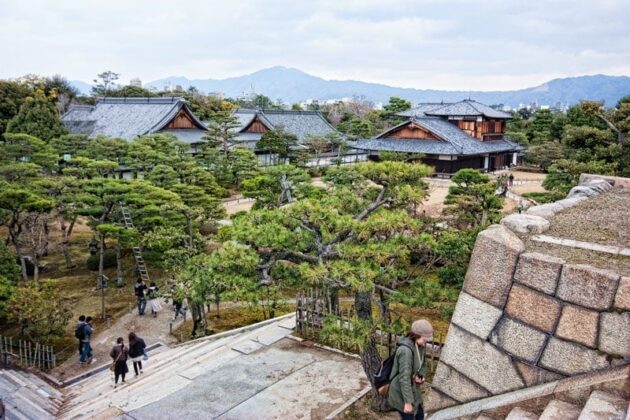
Ninomaru Garden — A classic Japanese landscape garden with ponds, rocks, and seasonal plants.
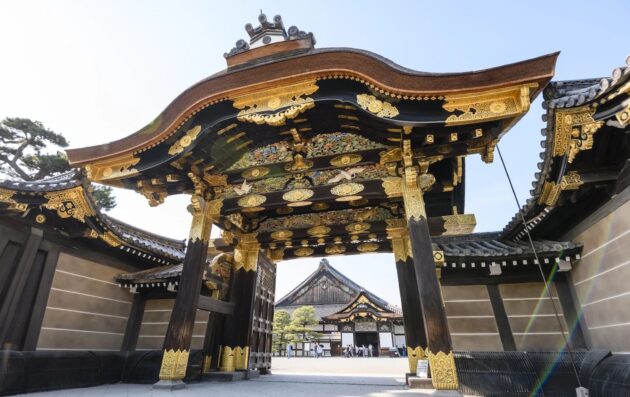
Karamon Gate — An elaborately decorated Chinese-style gate, a National Treasure.
Honmaru Area — Includes the rebuilt Honmaru Palace (advance reservation needed) and garden. The original keep was lost to fire.
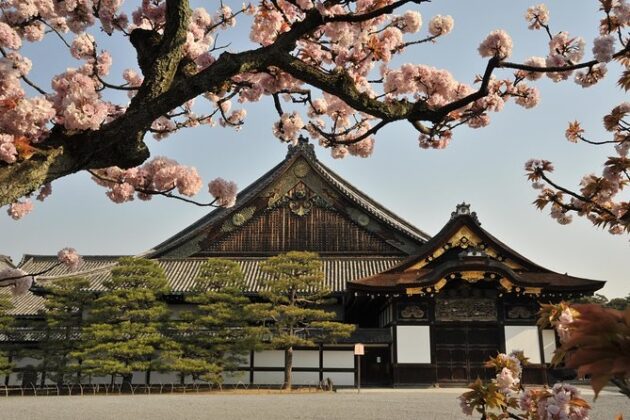
Outer Grounds & Walls — Stroll the expansive grounds, especially lovely during cherry blossom season (late March–early April) or autumn foliage.
Recommended Time: 1.5–3 hours, depending on whether you visit the Honmaru Palace.
Best Time to Visit
Spring (late March–early April): Cherry blossoms — very popular, arrive early.
Autumn (late October–November): Stunning fall colors.
Avoid Peak Crowds: Weekday mornings are best. Summers can be hot and humid.
Practical Tips
Wear Comfortable Shoes: You’ll do a lot of walking on gravel paths and wooden floors.
Audio Guide: Available in English for extra context.
Guided Tours: Official English guided tours (≈60 minutes) are offered for an additional fee (around ¥2,500 + castle admission). Great for deeper insights.
Photography: Allowed outdoors and in gardens; prohibited inside the palaces.
Food & Facilities: Limited options inside — eat before or after. There are restrooms and some vending machines.
Accessibility: Wheelchair-friendly in many areas, but some paths may be challenging.
Crowds: It gets busy; visit early or late in the day.
Nearby Attractions
Kyoto Imperial Palace & Park
Shinsenen Garden
Nishiki Market (for food)
Pontocho or Gion (evening atmosphere)
Final Thoughts
Nijo Castle offers a perfect mix of history, art, and tranquility in the heart of Kyoto. Whether you’re spending a few days or a week in the city, it’s well worth dedicating a morning or afternoon to this architectural gem.