
Heian-jingū Shrine Travel Guide (2026)
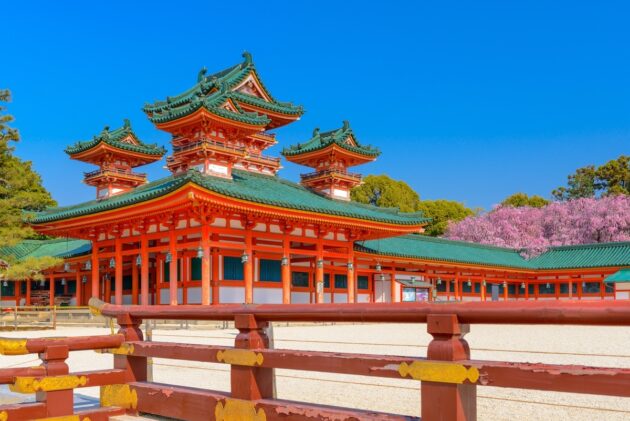
Heian-jingū Shrine is one of Kyoto’s most iconic and photogenic landmarks. Built in 1895 to commemorate the 1,100th anniversary of Kyoto’s founding as Japan’s capital, it honors Emperor Kammu (the first emperor to rule from Kyoto) and Emperor Komei (the last). Though relatively modern compared to other Kyoto temples and shrines, its grand scale, vibrant vermilion architecture, and beautiful gardens make it a must-visit.
Why Visit Heian-jingū?
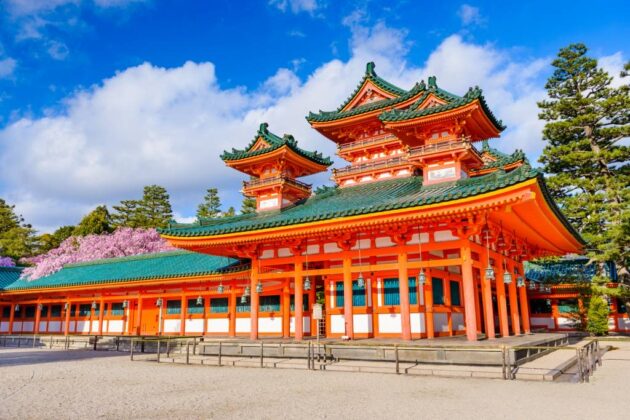
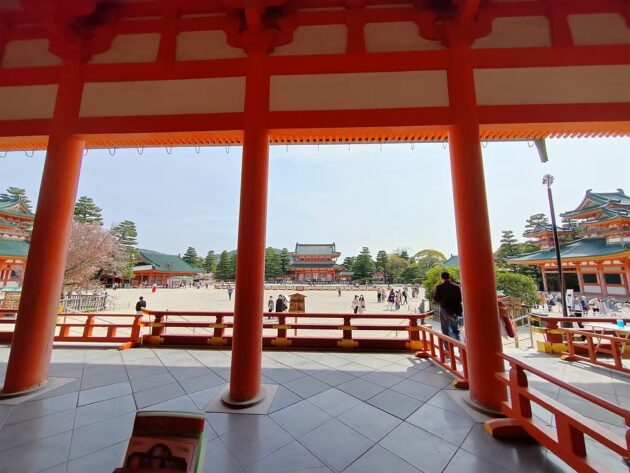
Stunning architecture: The shrine features a partial replica (about 5/8 scale) of the Heian-period Imperial Palace, with striking red pillars, green roofs, and a vast gravel courtyard.
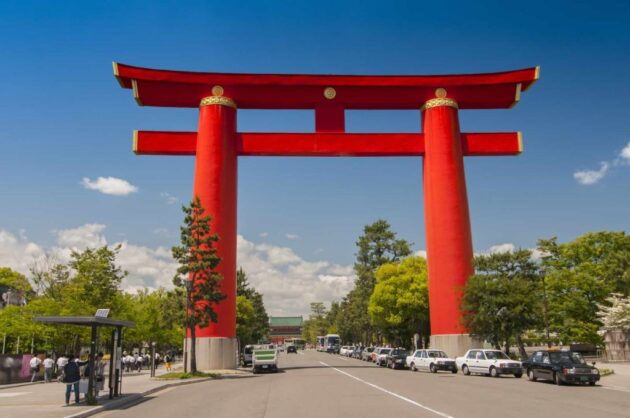
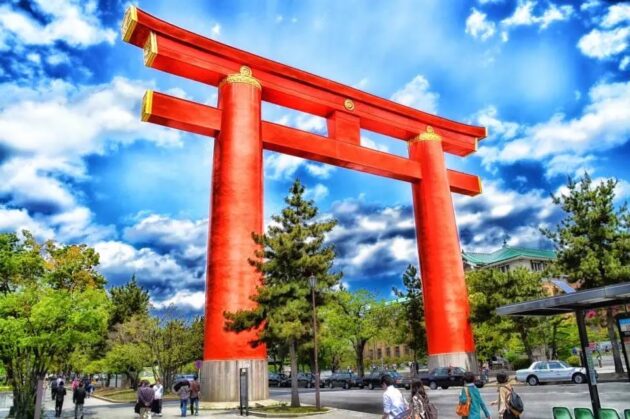
Massive torii gate: One of the largest in Japan (nearly 25 meters tall), it serves as a dramatic southern entrance.
Shin’en Garden: A serene strolling garden with ponds, bridges, and seasonal flowers — especially famous for weeping cherry blossoms in spring and autumn leaves.
Atmosphere: Spacious and less crowded than some central Kyoto spots, it offers a peaceful experience with cultural depth.
Best Time to Visit
Spring (March–April): Peak season for cherry blossoms, particularly the late-blooming weeping cherries in the garden. Expect crowds.
Autumn (October–November): Beautiful fall foliage (momiji).
Other seasons: Summer offers lush greenery and irises; winter is quiet and atmospheric.
Early morning: Best for fewer crowds and better photos.
Opening Hours (subject to seasonal changes): Shrine grounds: Generally 6:00 AM – 5:00 PM / 5:30 PM / 6:00 PM (check current times). Shin’en Garden: From 8:30 AM until 30 minutes before closing (typically 4:30–5:30 PM).
Admission: Shrine grounds: Free. Shin’en Garden: Adults ¥600, Children ¥300. Highly recommended for the full experience.
How to Get There
Heian-jingū is in the Okazaki area (Sakyo Ward), northeast of central Kyoto.
From Kyoto Station:
Bus 5 or 100 → Okazaki Koen Bijutsukan / Heian Jingu-mae stop (about 25–30 minutes, ¥230). Then a 5-minute walk.
Subway: Karasuma Line to Karasuma Oike, then Tozai Line to Higashiyama Station (about 20–25 minutes), followed by a 10-minute walk north.
From other areas: Easy access from Higashiyama Station (Tozai Line) or nearby Keihan Line stations (Sanjo or Jingu Marutamachi).
Tip: Use Google Maps or Hyperdia for real-time routes. Taxis are convenient but more expensive.
What to See and Do
The Giant Torii Gate — Approach from the south for the classic photo. It frames the shrine beautifully.
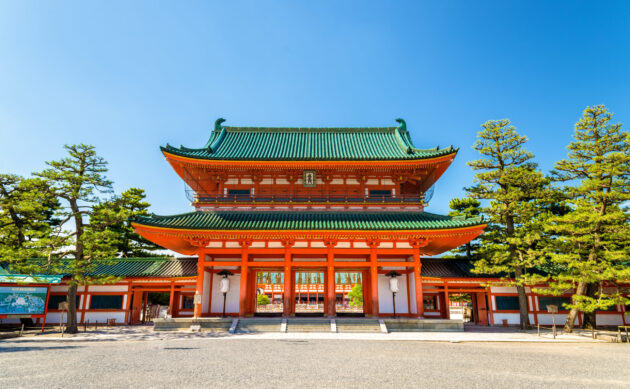
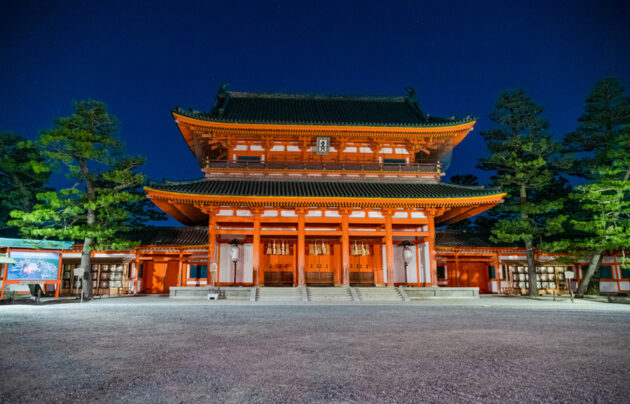
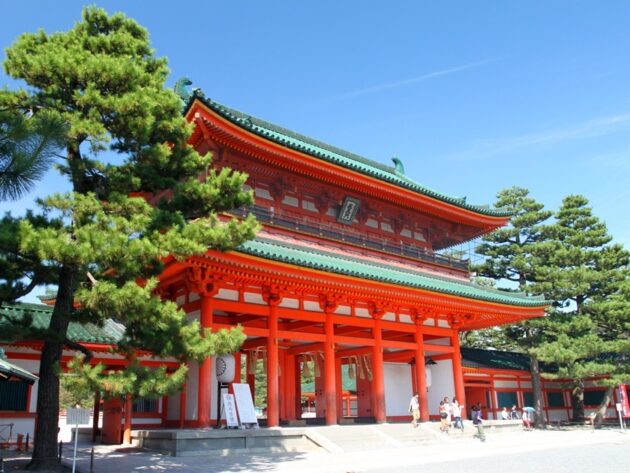
Main Shrine Buildings — Cross the expansive courtyard to the Otenmon Gate and main hall. Admire the colorful, ornate details.
Shin’en Garden — Divided into four sections (East, West, South, Middle) with a central pond, Chinese-inspired bridge (Garyu-bashi), and pavilions. Feed koi fish or turtles if allowed.
Seasonal Highlights — Cherry blossoms in spring; autumn colors; iris flowers in early summer.
Nearby Attractions — Combine with: Okazaki Park; Kyoto City Zoo or museums (Kyoto National Museum of Modern Art); Philosopher’s Path (20–30 minute walk north); Ginkaku-ji (Silver Pavilion).
Practical Tips
Dress and etiquette: Wear comfortable shoes for walking on gravel. Follow standard Shinto shrine etiquette (bow before entering, purify hands at the chozuya fountain, etc.).
Crowds: Very busy during cherry blossom season and Jidai Matsuri (October 22 — a major historical parade).
Photography: Sunrise/sunset and blue hour offer great lighting. The garden is especially photogenic.
Facilities: Restrooms available. Souvenir shops and light refreshments nearby.
Accessibility: Mostly flat but gravel paths; some areas may challenge wheelchair users. Check for specific needs.
Duration: 1–2 hours for the shrine + garden; longer if combining with nearby sights.
Pro Tips for Visitors
Visit early to beat tour groups.
Buy an omamori (protective charm) or ema (wish plaque) for a souvenir.
In spring, arrive when the garden opens for the best blossom viewing with fewer people.
Combine with a canal boat ride on the nearby Okazaki Canal if available.
Final Thoughts
Heian-jingū captures both the grandeur of ancient Kyoto and the beauty of its natural surroundings. Whether you’re a history buff, photography enthusiast, or simply seeking tranquility, it’s a highlight of any Kyoto itinerary. Enjoy your visit! 🇯🇵