
Fujinomiya Travel Guide (2026): Gateway to Mount Fuji
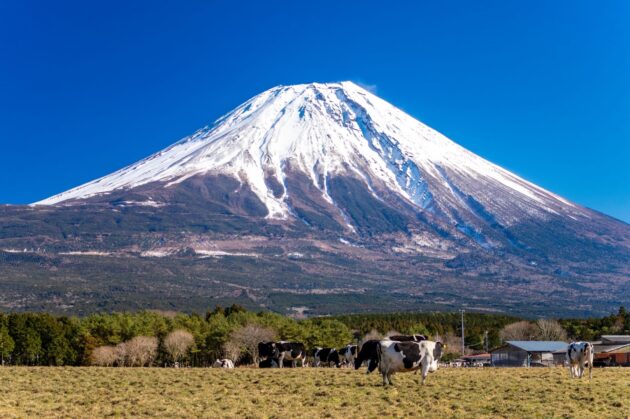
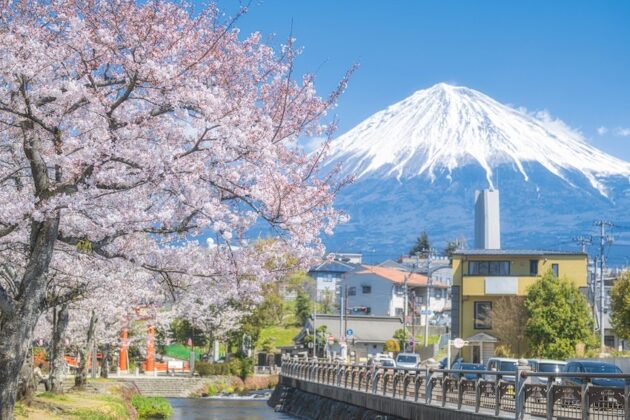
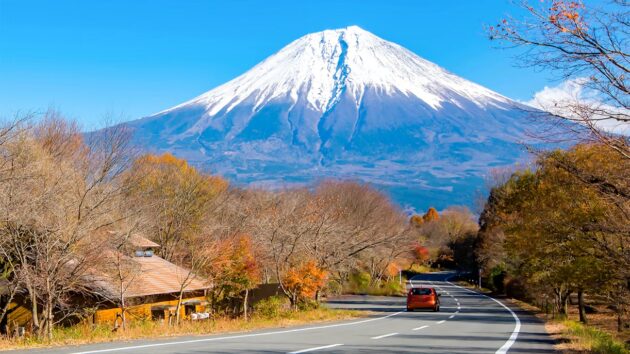
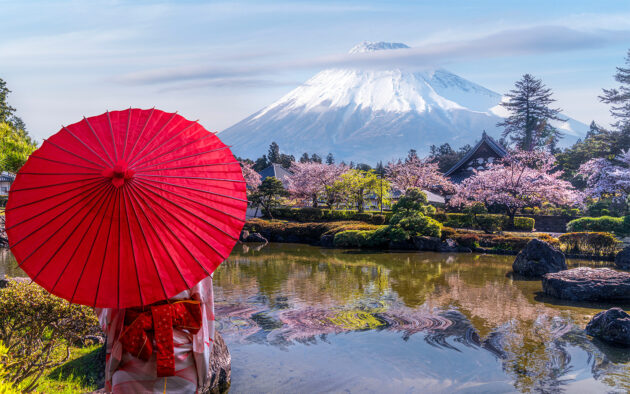
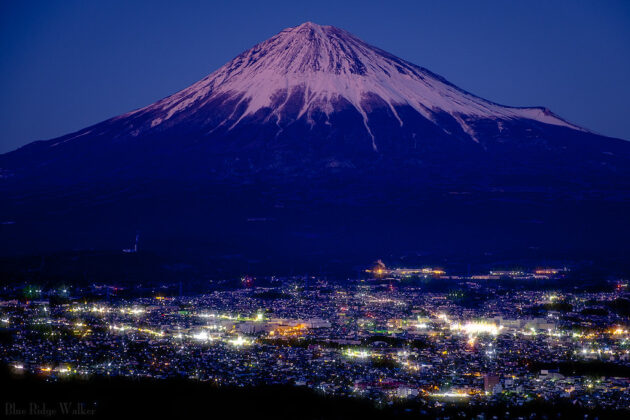
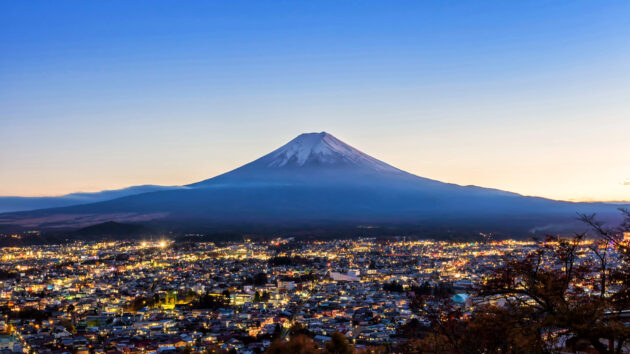
Fujinomiya is a charming city in Shizuoka Prefecture at the southwestern base of Mount Fuji. It serves as a less crowded alternative to the more popular northern Fuji Five Lakes area. As the traditional starting point for climbing Mount Fuji via the Fujinomiya Trail, it offers stunning mountain views, sacred shrines, beautiful waterfalls, and unique local cuisine.
Why Visit Fujinomiya?
Closest major city to the southern slopes of Mount Fuji.
Part of the Mt. Fuji World Heritage Site.
Excellent base for hiking, nature exploration, and cultural experiences.
Famous for its pure spring water from Mount Fuji, which enhances local food and sake.
How to Get There
From Tokyo (most common starting point):
Shinkansen (Fastest): Take the Kodama bullet train from Tokyo Station to Shin-Fuji Station (about 70 minutes). Then, transfer to a bus to Fujinomiya Station (around 35 minutes).
Highway Bus: Direct buses from Tokyo Station (Yaesu South Exit) to Fujinomiya Station take about 2.5 hours and cost around ¥2,750.
Local Trains: Possible via Mishima or Fuji Station, but slower (2–3 hours).
Within the Area: Renting a car is ideal for exploring Shiraito Falls, Lake Tanuki, and other spots. Public buses connect key attractions, though less frequently than in tourist-heavy areas.
Best Time to Visit
Summer (July–August): Official Mount Fuji climbing season. Expect crowds on the trails but pleasant weather for hiking.
Autumn (September–November): Beautiful foliage and clearer views of Fuji.
Winter (December–February): Best for clear, unobstructed views of snow-capped Mount Fuji with fewer crowds.
Avoid rainy seasons if possible, as clouds can obscure Fuji views.
Top Attractions
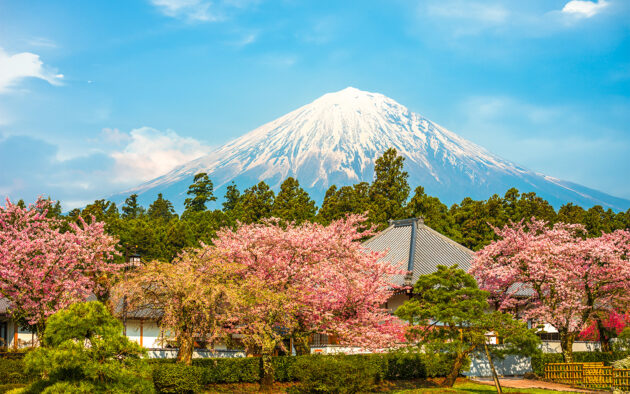
Fujisan Hongu Sengen Taisha Shrine: The most important shrine dedicated to Mount Fuji, with a history dating back over 1,000 years. It’s the traditional starting point for climbers and features beautiful architecture and serene grounds. Don’t miss the Wakutamaike Pond nearby, filled with crystal-clear spring water.
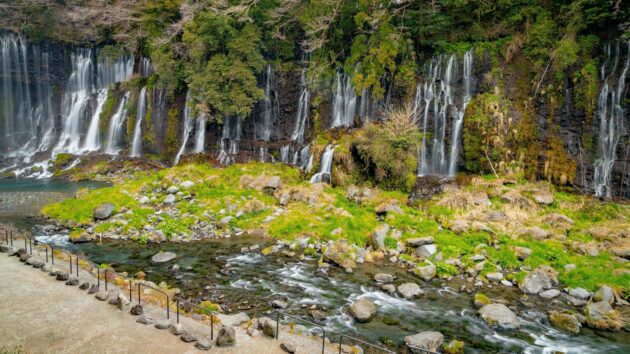
Shiraito Falls (Shiraito-no-Taki): One of Japan’s most beautiful waterfalls. Fed by Mount Fuji’s underground springs, the water cascades like delicate white threads (hence the name “White Thread Falls”). A short walk from the parking area, it’s especially stunning in all seasons.
Mt. Fuji World Heritage Centre: A modern museum showcasing the cultural and natural significance of Mount Fuji. Interactive exhibits and great views make it a must-visit, especially for first-timers.
Lake Tanuki (Tanuki-ko): A scenic lake with excellent Fuji reflection views, particularly from Fugaku Terrace. Great for photography and peaceful walks.
Fujinomiya 5th Station: Starting point for the Fujinomiya Trail up Mount Fuji — the shortest route to the summit (about 5–7 hours ascent).
Other Highlights: Fuji Safari Park; Makaino Farm (for views and local produce); Asagiri Plateau (great for outdoor activities like paragliding).
Local Food Specialties
Fujinomiya’s cuisine is enhanced by the pure mountain spring water.
Fujinomiya Yakisoba: The city’s signature dish — thick noodles stir-fried with a special sauce, cabbage, and toppings. Try it at Omiya Yokocho, a lively food alley near the shrine.
Rainbow trout (Nijimasu) dishes, soba noodles, and wasabi.
Local sake, green tea, and dairy products from the Asagiri area.
Street food and oden at Omiya Yokocho.
Where to Stay
Traditional Ryokans: Near the shrine for an authentic experience.
Hotels & Guesthouses: Modern options in the city center.
Onsen Resorts: Nearby for relaxation after hiking.
Many visitors stay 1–2 nights as a base for Fuji exploration.
Practical Tips
Currency & Language: Cash is still widely used in rural areas. English signage is limited outside major spots.
Transportation: Consider a rental car for flexibility. Buses run to key sites but check schedules.
Weather: Dress in layers — mornings and evenings can be cool. Check Fuji visibility forecasts.
Respect: Follow shrine etiquette and Leave No Trace principles on trails.
Souvenirs: Local sake, yakisoba sauce, and Mount Fuji-themed goods.
Final Thoughts
Fujinomiya offers a more authentic, peaceful side of Mount Fuji compared to busier northern viewpoints. Whether you’re climbing the mountain, seeking nature, or enjoying local flavors, it’s a rewarding destination that captures the spirit of Japan’s iconic peak.
Safe travels! 🗻