
Angkor Archaeological Park Travel Guide (2026)
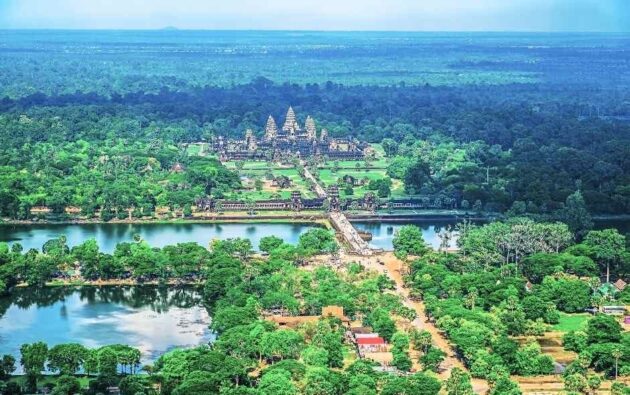
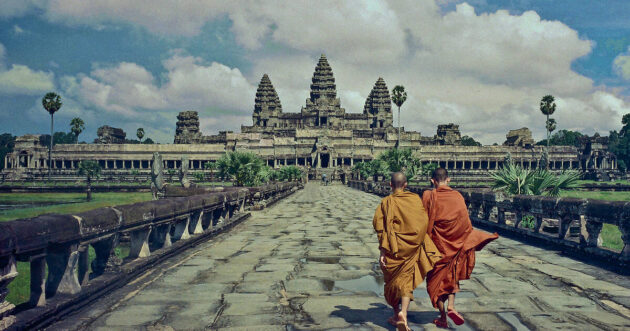
Angkor Archaeological Park in Cambodia is a UNESCO World Heritage Site and one of the world’s most spectacular ancient complexes. It features hundreds of temples built by the Khmer Empire between the 9th and 15th centuries, with Angkor Wat as its crowning jewel—the largest religious monument on Earth and a symbol on Cambodia’s flag.
The park spans roughly 400 square kilometers near Siem Reap, making it an essential stop for Southeast Asia travelers. Expect awe-inspiring architecture, intricate carvings, jungle-overgrown ruins (like those in Tomb Raider), and a profound sense of history.
Getting There
Fly into Siem Reap International Airport (SAI): It’s the most convenient option. The airport lies about 7 km from Siem Reap town and 13 km from Angkor Wat (roughly 25 minutes by road).
From the airport to town or temples: Use taxis (~$10–15), tuk-tuks (remorks, ~$7–10), or hotel shuttles.
Overland options from Phnom Penh or Bangkok include buses or taxis (longer but scenic).
Siem Reap serves as the main base—most visitors stay there and commute daily to the park.
Tickets and Practical Info
You need an official Angkor Pass (Angkor Enterprise) to enter the main park temples. Prices are:
1-day pass: $37 USD (valid same calendar day)
3-day pass: $62 USD (valid any 3 days within 10 days) — most recommended for a balanced visit
7-day pass: $72 USD (valid any 7 days within 1 month)
A small portion (~$2) supports Kantha Bopha Children’s Hospital. Children under 12 enter free (passport required). Buy tickets at the official Angkor Enterprise ticket center (about 4 km from Siem Reap town, open ~4:30 AM–5:30 PM), online via the official site/app, kiosks, or through some tour operators. Keep your pass handy—it’s checked at entrances.
Opening hours: Most temples 7:30 AM–5:30 PM. Angkor Wat and Srah Srang open from 5:00 AM for sunrise. Some distant sites (e.g., Banteay Srei) close earlier.
Dress code: Modest attire is required—shoulders and knees must be covered (no tank tops, short shorts, or revealing clothing in sacred areas). Lightweight, breathable long pants/skirts and shirts work best in the heat. Avoid high heels, large backpacks, or sharp umbrellas inside temples.
Best Time to Visit
Peak/dry season (November–February): Coolest weather (comfortable for exploring), low rain, clear skies. December–January sees the biggest crowds and higher prices.
Shoulder periods: November or March offer a good balance of weather and fewer people.
Wet/green season (May–October): Hotter, humid, with afternoon rains (mornings are usually fine). Fewer crowds, lower costs, and lush greenery—ideal if you want a quieter experience.
Aim for sunrise or sunset visits to beat heat and crowds. April can be extremely hot with Khmer New Year festivities.
Must-See Temples and Suggested Itineraries
The park has “small circuit” (central highlights) and “grand circuit” (more spread out) routes. Popular must-sees include:
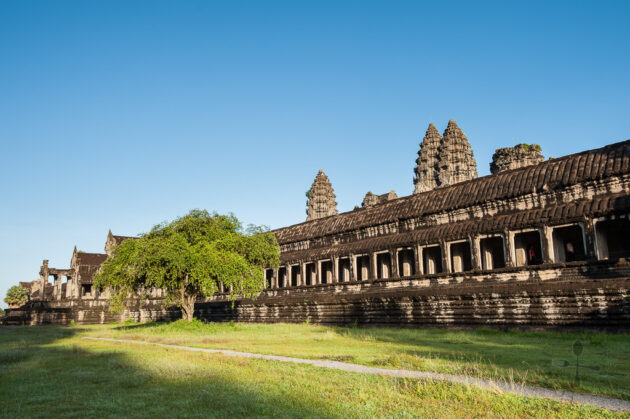
Angkor Wat: Iconic towers, bas-reliefs, and sunrise views. Allow several hours.
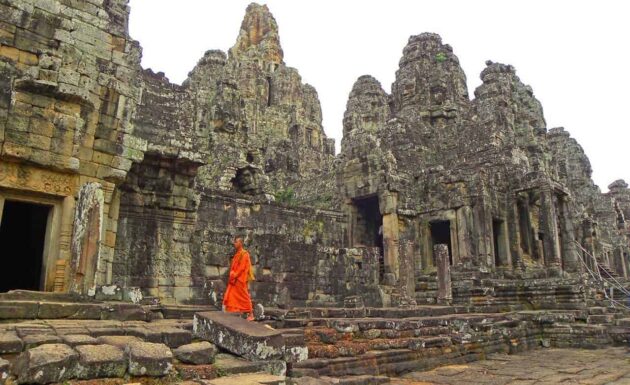
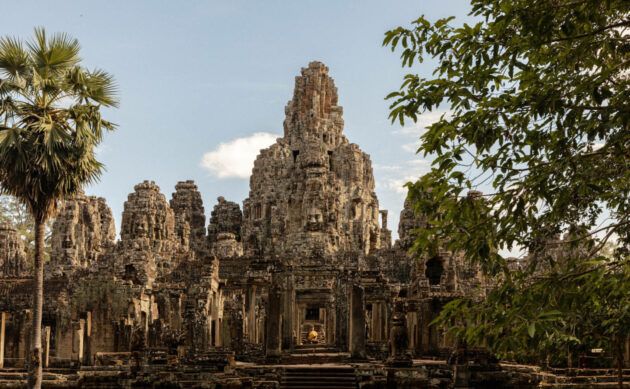
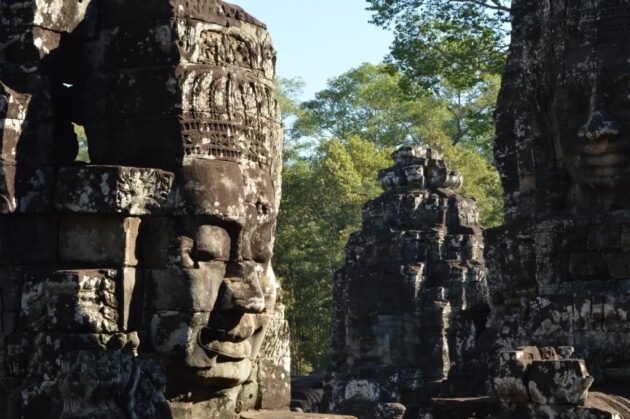
Angkor Thom (including the Bayon with its enigmatic smiling faces, Terrace of the Elephants).
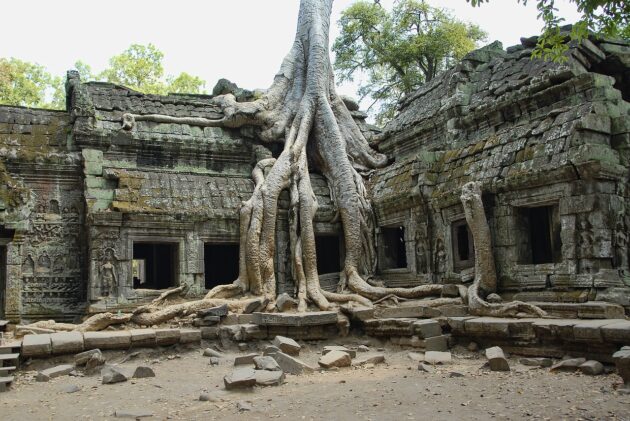
Ta Prohm: Famous for massive tree roots engulfing the ruins.
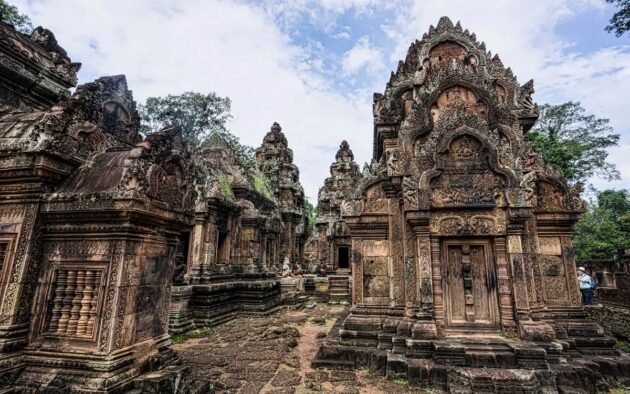
Others worth adding: Banteay Srei (intricate pink sandstone carvings), Preah Khan, Ta Keo, Phnom Bakheng (sunset hill), and further sites like Beng Mealea (more adventurous, separate or additional fee sometimes).
Sample 1-day itinerary (Small Circuit): Sunrise at Angkor Wat → Angkor Thom/Bayon → Ta Prohm → sunset option.
3-day recommendation (most popular): Day 1: Small Circuit highlights. Day 2: Grand Circuit or outer temples. Day 3: Sunrise repeat or lesser-visited sites like Banteay Srei/Roluos Group.
Hire a knowledgeable local guide (~$30–45/day) for historical context—highly worthwhile.
Getting Around the Park
The sites are spread out—no public buses inside. Options:
Tuk-tuk (remork): ~$15–20/day — popular, open-air, and fun (bargain, especially for multi-day).
Private car with driver: ~$25–50+/day — more comfortable with AC.
Bicycle: ~$3–5/day — active and immersive but hot/dusty.
Motorbike: Possible but requires confidence and caution.
Guided tours: Convenient for groups or first-timers.
Drivers usually wait at parking areas while you explore.
Where to Stay and Eat in Siem Reap
Stay in Siem Reap for easy access (many hotels offer temple shuttles). Options range from budget guesthouses to luxury like Park Hyatt Siem Reap or Angkor Village (boutique Khmer style).
Food highlights: Khmer cuisine (amok curry, lok lak, fresh spring rolls). Try: Upscale: Cuisine Wat Damnak, Mahob, or hotel restaurants with Apsara dance. Casual: Khmer Kitchen, street food near Pub Street/Old Market, or vegan spots. Near the park: Some restaurants along the roads, but most people return to town for meals.
Pub Street offers lively nightlife, markets, and international options.
Tips for a Great Visit
Start early: Beat heat and crowds—sunrise at Angkor Wat is magical but busy; consider alternatives like Pre Rup.
Stay hydrated: Bring water, wear sunscreen/hat, and take breaks. It gets very hot and humid.
Respect the site: No climbing restricted areas, stay on paths, be quiet in sacred spots. Follow signs for conservation and safety.
Health/safety: Use reputable transport; watch for monkeys; standard travel insurance advised. Mosquito repellent for evenings.
Photography: Golden hour light is best; tripods may be restricted.
Beyond the main park: Consider add-ons like Phnom Kulen (waterfalls, separate fee) or Koh Ker (more remote).
Final Thoughts
Angkor rewards a slower pace—combine temple visits with Siem Reap’s markets, cooking classes, or a boat trip on Tonle Sap if time allows.
For the latest details, check the official Angkor Enterprise site. Safe travels—this is a once-in-a-lifetime experience blending history, architecture, and adventure!