
Koh Rong Travel Guide (2026)
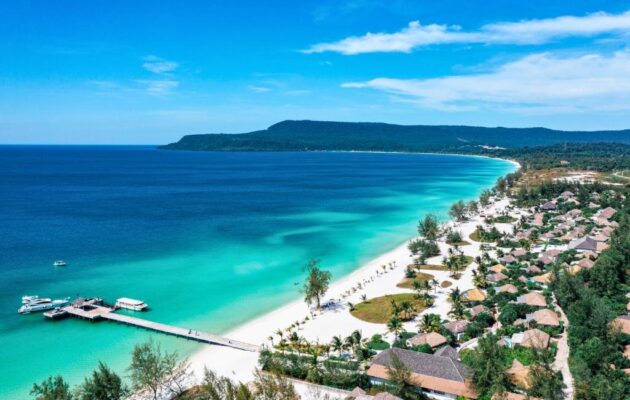
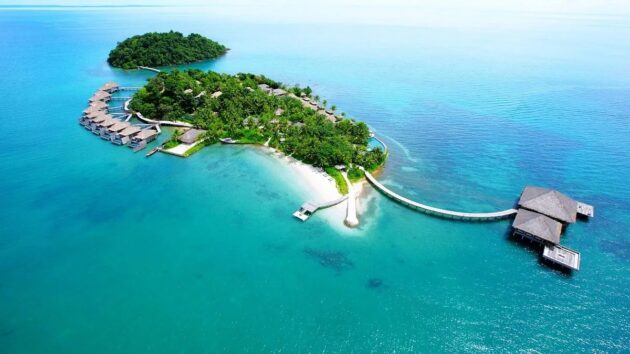
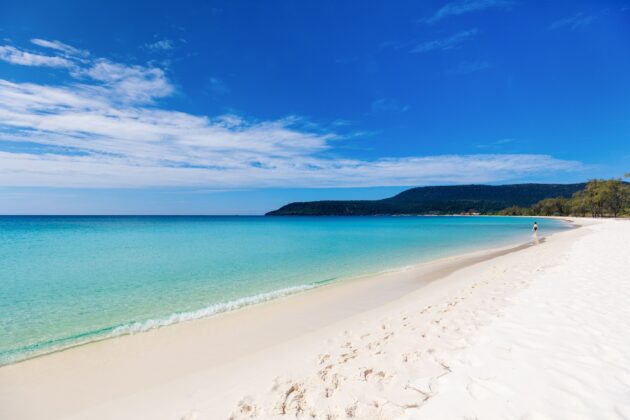
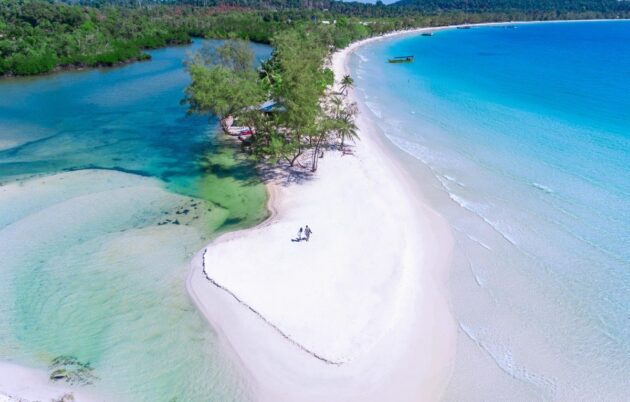
Koh Rong is a stunning tropical island in the Gulf of Thailand, off the southern coast of Cambodia. It’s known for its powdery white-sand beaches, crystal-clear turquoise waters, lush jungle interior, and laid-back island vibe that blends backpacker energy with natural beauty. The island features over 20 beaches, vibrant marine life for snorkeling and diving, and a famous bioluminescent plankton experience at night. It’s larger and more developed than its quieter sister island, Koh Rong Samloem, making it easier to explore while still feeling like a paradise escape.
How to Get There
The main gateway is Sihanoukville on the Cambodian mainland. From there, speedboats (recommended) take about 45 minutes and cost around $20–25 one way (or $25–40 return). Multiple operators run frequent services (roughly hourly from morning to late afternoon), stopping at various beaches like Koh Touch (main village), Long Set/4K Beach, and others. Book in advance, especially in peak season, via sites like Camboticket or directly with companies such as Island Speed Ferry, Speed Ferry Cambodia, or GTVC—modern catamarans are more stable and comfortable.
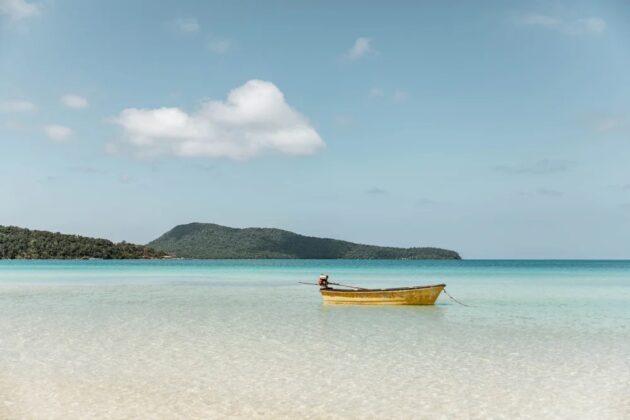
Slower local boats are cheaper but take longer (1.5–2.5 hours) and are less reliable. Avoid them if possible. Private long-tail boats are available for groups but cost more ($30–50+).
From major Cambodian cities: Fly or bus to Sihanoukville. No roads or airport on Koh Rong itself—everything is by boat.
On the island, get around by motorbike taxi ($2–5 per ride), walking (many beaches are connected by paths or short hikes), rented bicycles/scooters, or water taxis between bays. Some areas have dirt roads or paths; expect a rugged, tropical feel rather than paved infrastructure.
Best Time to Visit
Koh Rong has a tropical climate. The dry season (mid-November to early May) is ideal: hot sunny days (25–40°C/77–104°F), low humidity (especially Dec–Feb), calm seas, and minimal rain—perfect for beaches and water activities. Peak crowds and higher prices hit December–February.
Shoulder months (November or March–April) offer good weather with fewer tourists. The rainy season (mid-May to early October) brings short heavy showers, rougher seas (affecting ferries), higher humidity, and fewer services, though it’s cheaper and greener. Water stays warm year-round (~25°C+).
Top Beaches
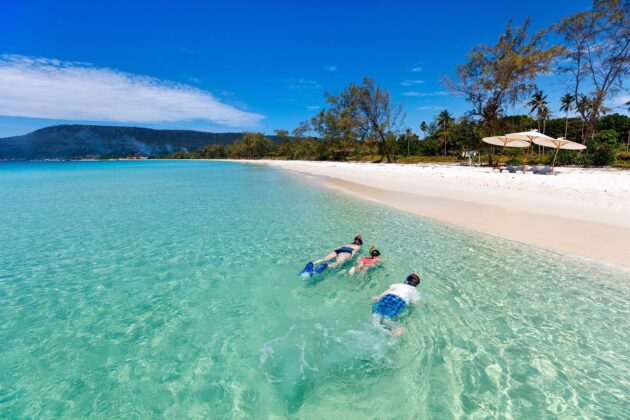
Long Set Beach (aka 4K or Long Beach): A long stretch of soft white sand north of the main village—great for swimming, walks, hammocks, and some snorkeling. Popular but not overcrowded.
Sok San Beach: On the west coast; often praised as one of the most beautiful with calm waters, sunsets, and a more relaxed vibe. Some resorts and a village here.
Palm Beach and Lonely Beach: More secluded options, ideal for tranquility.
Other spots include smaller coves accessible by boat or hike, with excellent snorkeling off headlands.
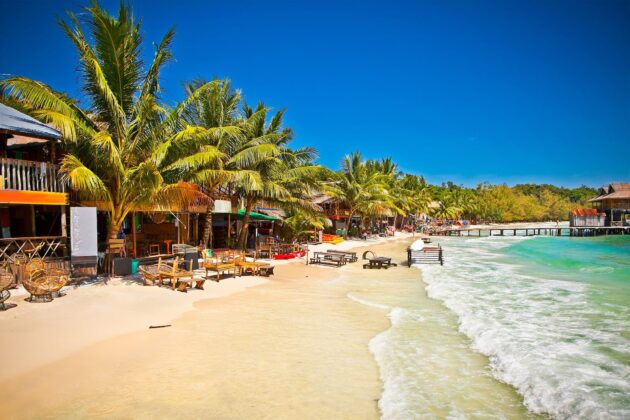
Beaches vary in development—some have basic bars/bungalows, others feel more untouched. Koh Rong’s sand is famously fine and white in many areas.
Things to Do
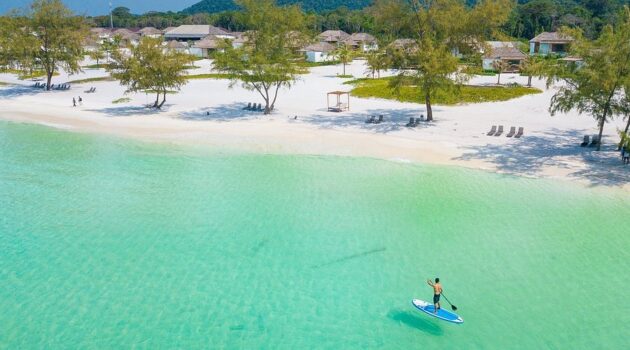
Beach time and swimming: Relax, swim, or kayak in the clear waters.
Snorkeling and diving: Vibrant reefs with colorful fish; Koh Rong is one of the more affordable places in Southeast Asia for diving courses. Boat trips often include gear.
Bioluminescent plankton: A highlight—swim or kayak at night in dark areas (away from lights, best on new moon nights) and watch the water glow blue-green with every movement. Magical experience; many tours from beaches or villages.
Jungle hikes: Trails to viewpoints, waterfalls (seasonal), or across the island’s central ridge for panoramic views.
Sunsets: Spectacular from west coast spots like Sok San or rocky outcrops.
Island hopping or fishing trips: Join locals for short boat outings.
Nightlife: Fire shows, beach bars, and parties (especially around Long Set or Koh Touch), but it’s generally chill rather than wild.
Activities are low-key and nature-focused; no major commercialization like some Thai islands.
Where to Stay and Eat
Accommodation ranges from budget bungalows/hostels (~$5–15/night for basics) to mid-range resorts and some upscale options with air-con and nicer amenities (starting ~$25+). Popular areas:
Koh Touch village: Social hub with cheap eats, bars, and easy access.
Long Set/Sok San: Quieter, beachfront bungalows and resorts.
Food is fresh seafood, Khmer dishes, Western favorites, and fruit shakes. Expect beachside restaurants and bars; meals for two with drinks run $15–20. Island prices are slightly higher than mainland Cambodia due to transport.
Practical Tips
Budget: $25–50+ per day (budget traveler), covering room, food, and activities. Peak season inflates costs.
What to bring: Reef-safe sunscreen, insect repellent (sandflies/mosquitoes possible), sturdy shoes for hikes, cash (ATMs limited), power bank (electricity can be patchy in some areas).
Safety: Generally safe for solo travelers, including women, but use common sense—avoid isolated areas at night, stick to reputable boats, and watch for strong currents. Dress modestly in villages. Low crime, but standard travel precautions apply.
Eco notes: Support responsible operators; the island has growing tourism, so minimize plastic and respect marine life.
Connectivity: Wi-Fi available at most accommodations but can be slow/unreliable. Power sometimes limited at night in remote spots.
Final Thoughts
Koh Rong pairs well with a visit to quieter Koh Rong Samloem (shorter ferry hops possible) for contrast—Samloem feels more secluded with fewer roads.
For the latest ferry schedules or conditions, check operators directly or reliable sites, as they can shift with weather or demand. Enjoy the island’s relaxed rhythm—it’s a beautiful spot to unwind in Cambodia’s coastal gems!