
Phnom Penh Travel Guide (2026)
Phnom Penh, Cambodia’s energetic capital, sits at the confluence of the Mekong, Tonlé Sap, and Bassac rivers. Once called the “Pearl of the Orient” for its French colonial architecture and tree-lined boulevards, the city blends Khmer heritage, sobering 20th-century history, vibrant street life, and a growing food and arts scene. It’s a compact, chaotic, and resilient place—ideal for 2–4 days as part of a broader Cambodia trip (often paired with Siem Reap/Angkor Wat).
Best Time to Visit
The dry season (November–April) offers the most pleasant weather: cooler temperatures (around 21–32°C/70–90°F), low rainfall, and clear skies—perfect for sightseeing. Peak crowds and higher prices hit November–February. The wet/”green” season (May–October) brings afternoon rains and higher humidity but fewer tourists and lush landscapes; it’s still visitable, though outdoor plans may shift. April–May can be very hot (over 40°C/104°F possible).
Getting There and Around
Airport: Phnom Penh International Airport (PNH) is about 6–10 km from the center. Options include bus Line 3 (~$0.40, daytime), taxis/Grab (~$10–15), or hotel shuttles. A newer airport (Techo) is farther out.
Within the city: No metro yet. Use Grab (ride-hailing app—cheapest/safest for taxis), tuk-tuks (negotiate fares, ~$1–5 short trips), or walk in central areas. Public buses are cheap but limited. Motodops (motorcycle taxis) are common but riskier—wear a helmet if possible.
To other cities: Buses or minivans to Siem Reap (~6 hours), Sihanoukville, or Battambang. Domestic flights are quick and affordable.
Top Things to Do
Royal Palace of Cambodia
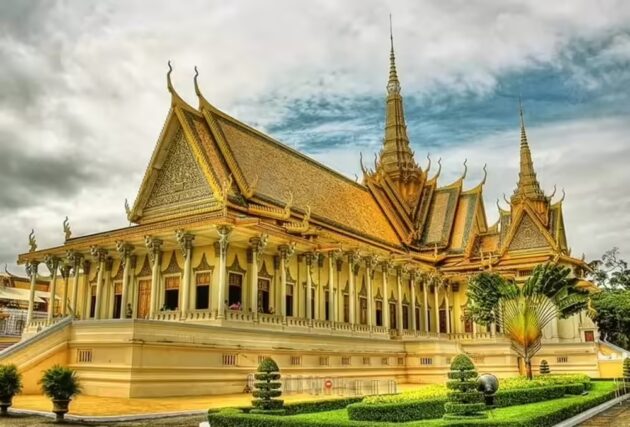
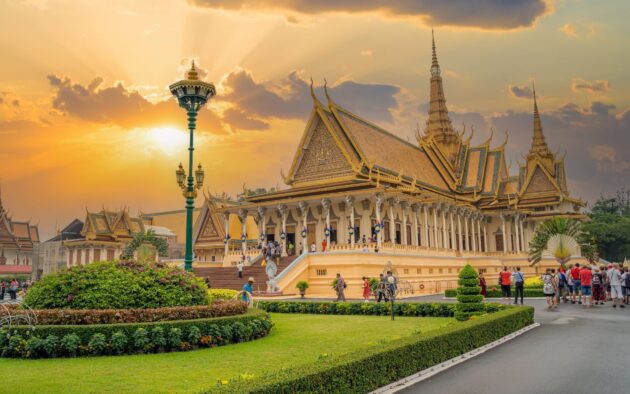
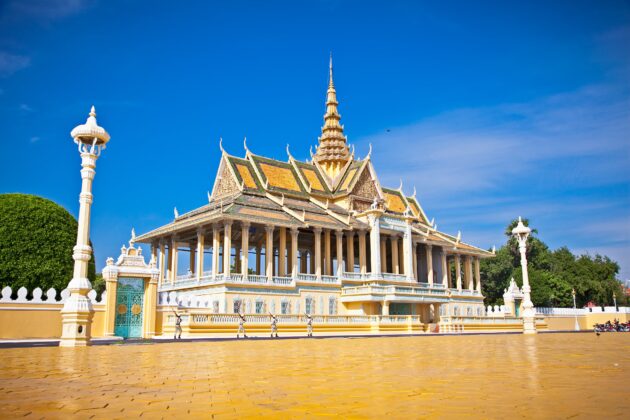
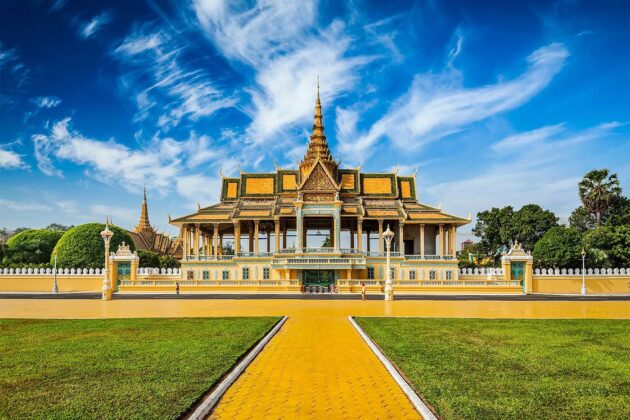
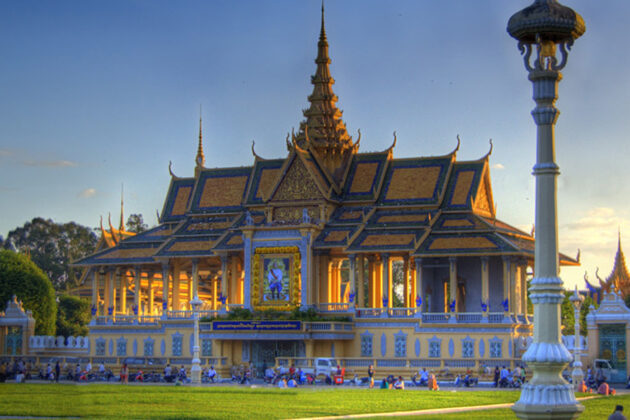
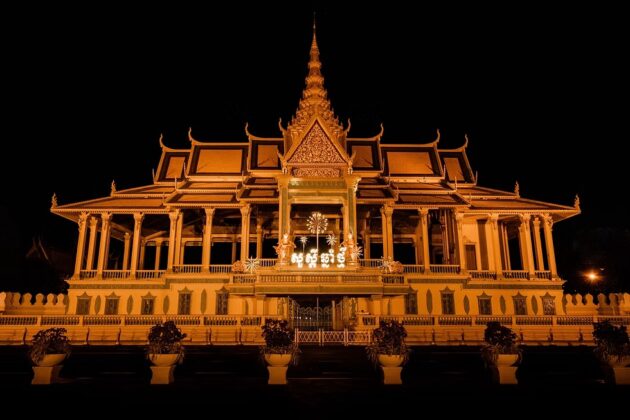
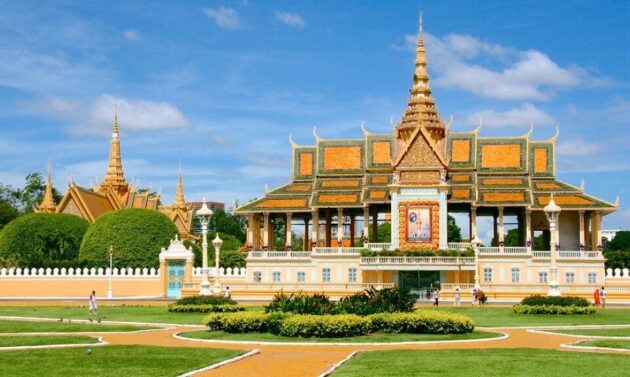
The Royal Palace of Cambodia (Preah Barom Reacheaveang Chaktomuk Serey Mongkol) in Phnom Penh is one of the country’s most iconic landmarks and a highlight for visitors to the capital. This sprawling complex serves as the official residence of King Norodom Sihamoni and features stunning Khmer architecture with French colonial and Thai influences.
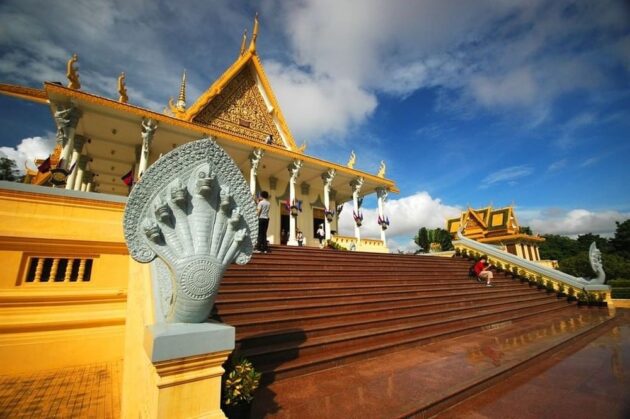
Independence Monument
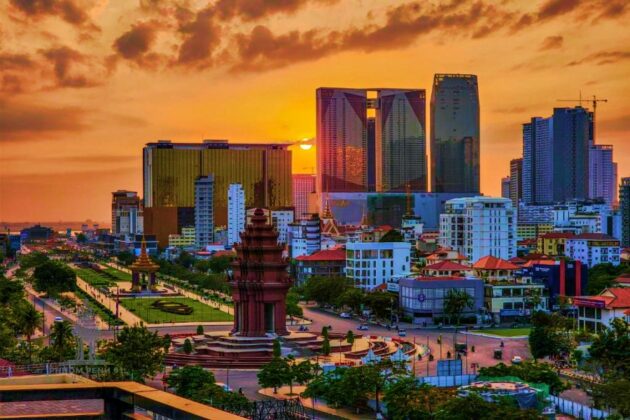
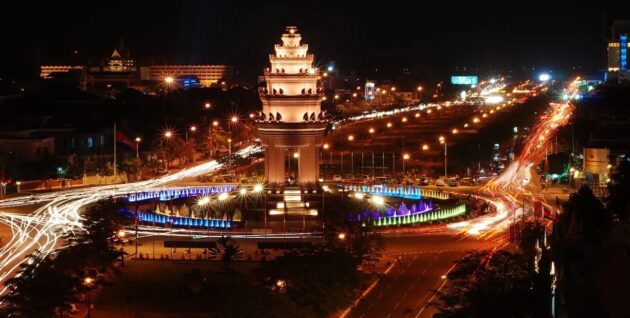
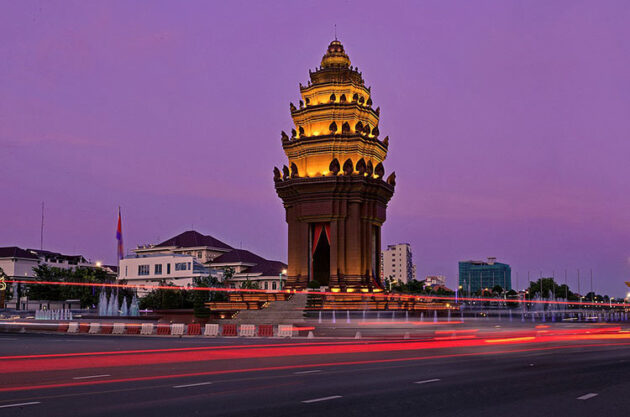
The Independence Monument in Phnom Penh, Cambodia, is a striking red sandstone structure that commemorates the country’s independence from France on November 9, 1953. Designed by renowned Cambodian architect Vann Molyvann, it features a distinctive lotus-shaped stupa, blending traditional Khmer art with modern symbolism. Located at the intersection of Norodom and Sihanouk boulevards, the monument also serves as a memorial to Cambodian patriots who sacrificed their lives for the nation.
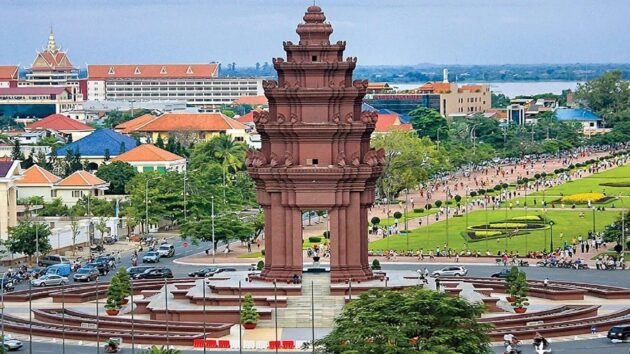
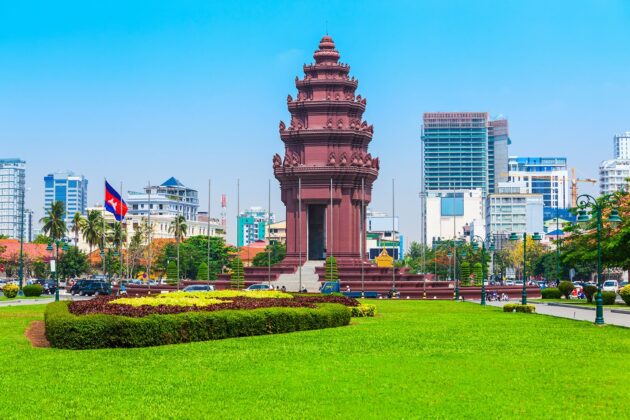
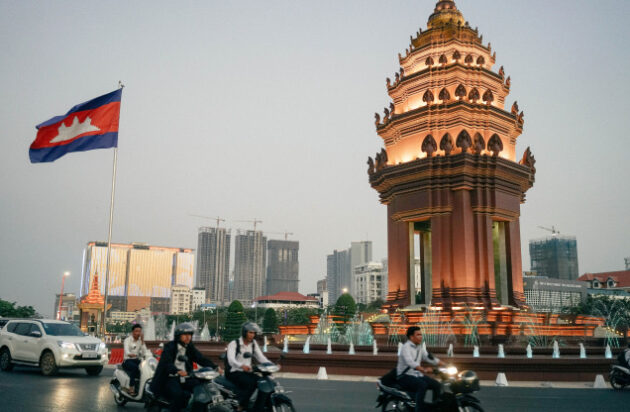
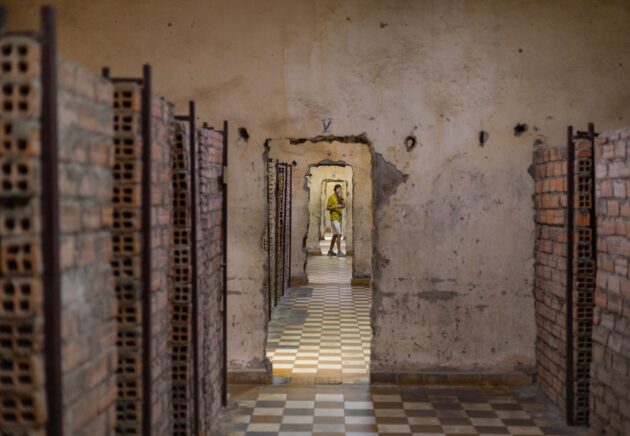
Tuol Sleng Genocide Museum
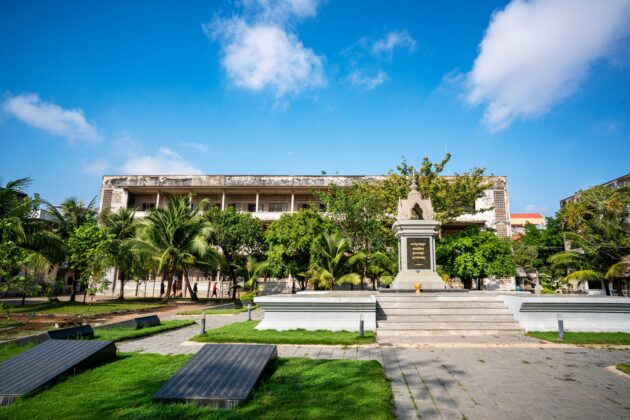
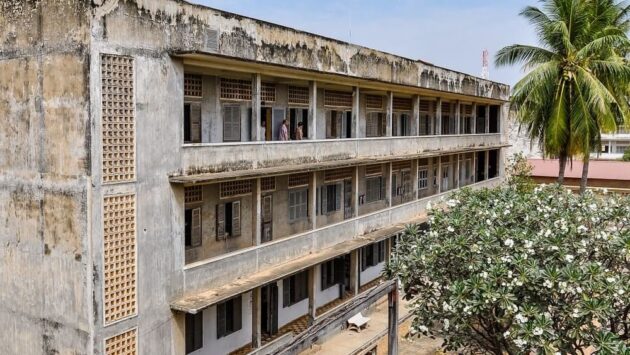
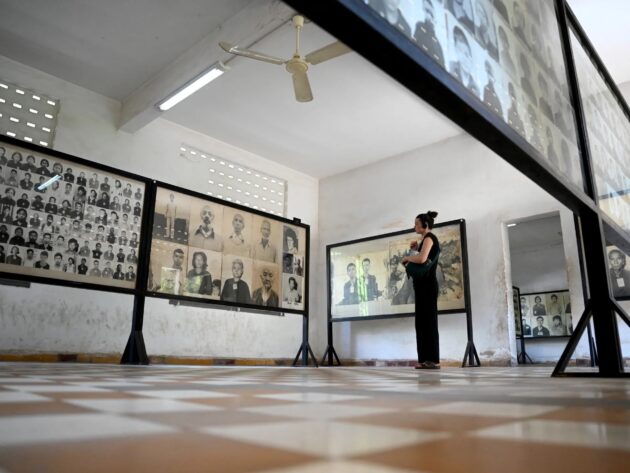
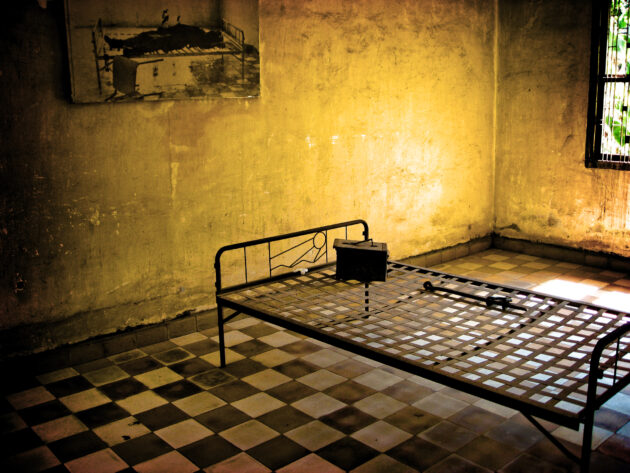
The Tuol Sleng Genocide Museum in Phnom Penh, Cambodia, is a haunting memorial dedicated to the victims of the Khmer Rouge regime. Housed in a former high school that was converted into Security Prison 21 (S-21) in 1975, the museum preserves the brutal reality of the torture and interrogation center where an estimated 17,000 people were imprisoned, interrogated, and later killed.
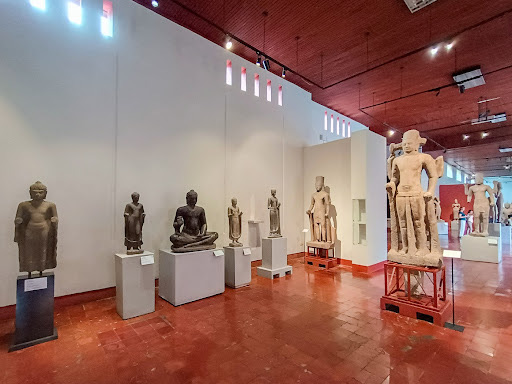
National Museum of Cambodia
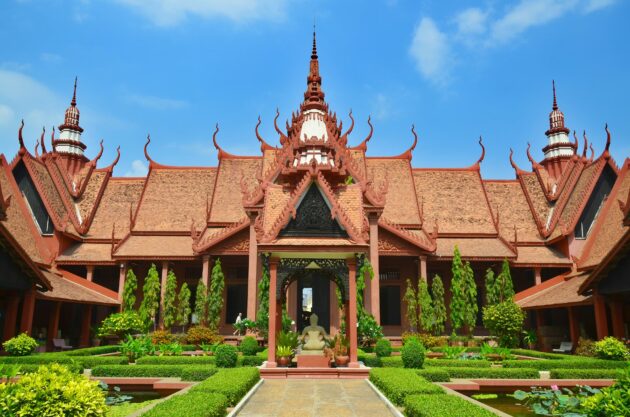
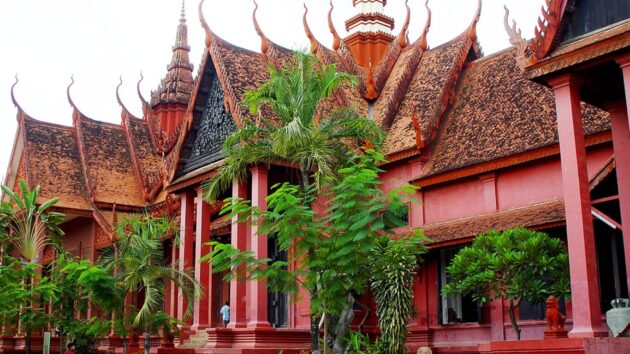
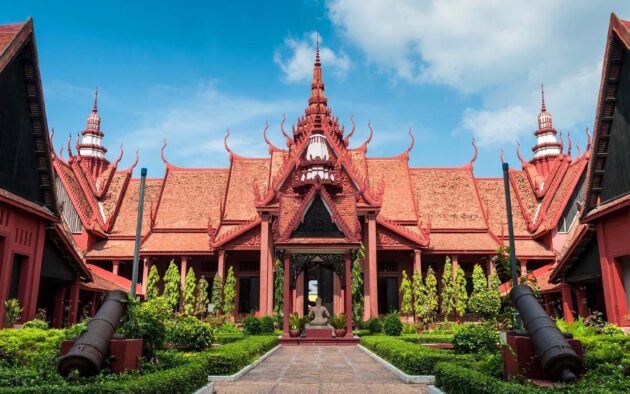
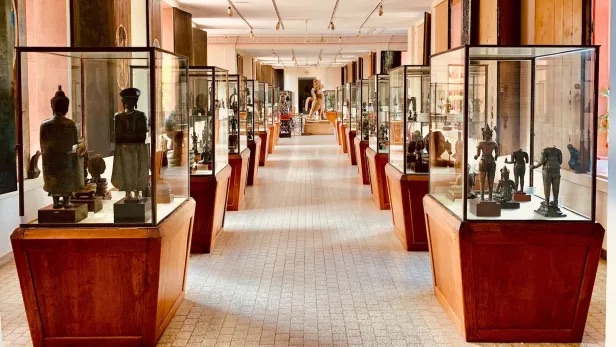
The National Museum of Cambodia, located in Phnom Penh, is the country’s leading historical and archaeological museum, renowned for its impressive collection of Khmer art and sculptures. Housed in a striking traditional red sandstone building with graceful terraces and a tranquil central courtyard, the museum features thousands of artifacts spanning the prehistoric, pre-Angkorian, Angkorian, and post-Angkorian periods.
Wat Phnom
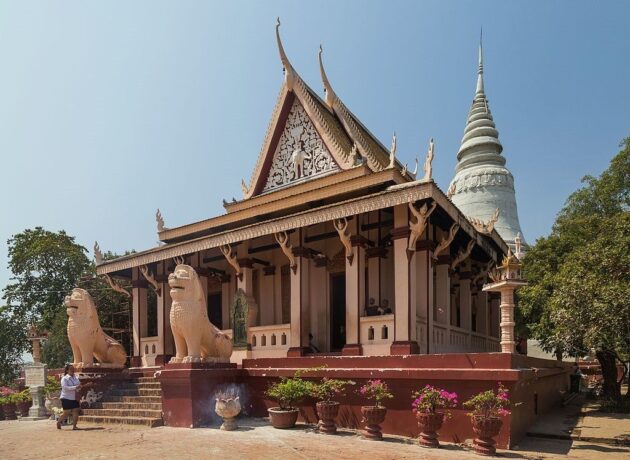
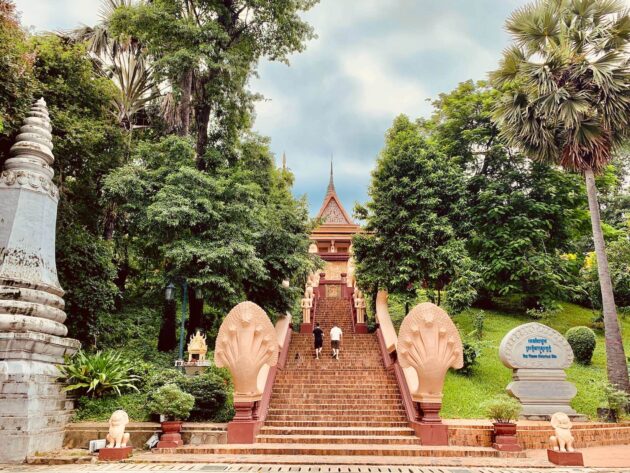
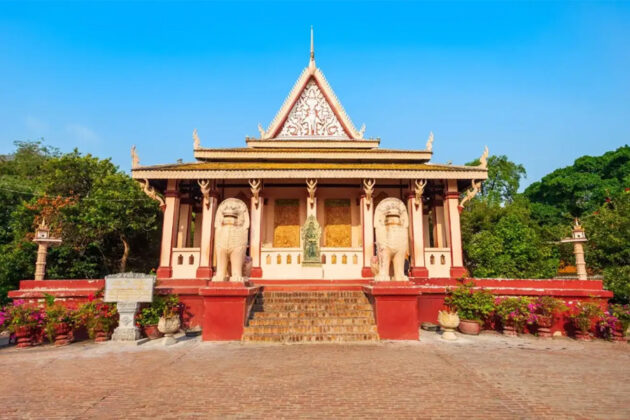
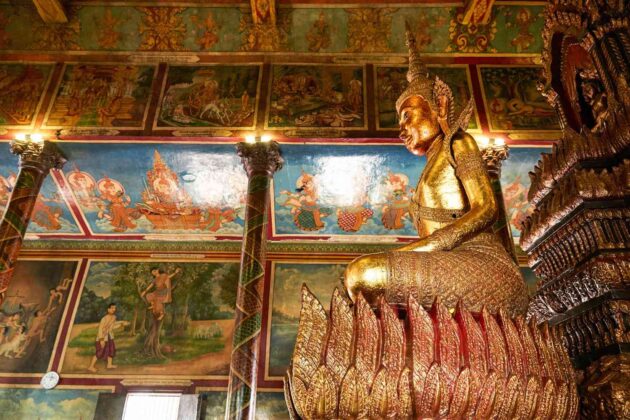
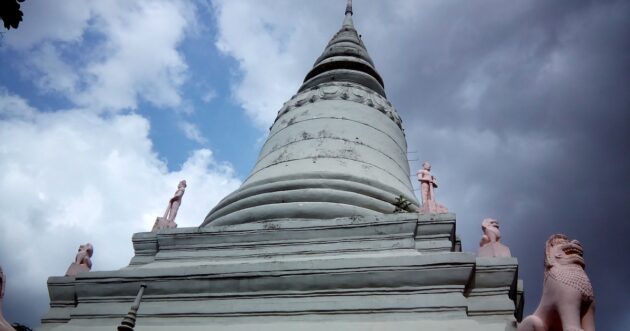
Wat Phnom is a iconic Buddhist temple (wat) located in the heart of Phnom Penh, Cambodia, and is considered the city’s most significant religious and historical landmark. Built in 1372 on a 27-meter-high man-made hill, the temple was founded by a wealthy widow named Lady Penh (Daun Penh) after she discovered four bronze Buddha statues and a stone statue of Vishnu inside a floating Koki tree along the Tonle Sap River.
Food Scene
Cambodian cuisine is fresh, herbaceous, and often milder than Thai. Must-tries:
Fish amok (coconut curry steamed in banana leaf).
Num banh chok (rice noodles with fish gravy and herbs—great for breakfast).
Lok lak (stir-fried beef), fresh spring rolls, and grilled meats.
Street food at markets or night stalls; try David’s Noodles for dumplings.
Higher-end spots include Romdeng or places in the Pavilion area. Vegetarian options are widely available. Drink fresh coconut water or local beer. Hygiene is generally good in tourist areas, but use bottled water and peel fruit.
Where to Stay
Phnom Penh offers excellent value across budgets. Central areas (near Royal Palace, Riverside, or BKK1) are most convenient.
Budget: Guesthouses or hostels (~$10–30/night).
Mid-range: Boutique spots like Pavilion Urban Resort or Caravan Hotel (~$50–100).
Luxury: Raffles Hotel Le Royal (historic, elegant), NagaWorld, or Palace Gate Hotel (~$100+). Many have pools—welcome in the heat.
Popular neighborhoods: Daun Penh (central/historic), BKK1 (trendy cafes/bars), or Riverside.
Safety and Practical Tips
Safety: Generally safe for tourists, but watch for petty theft (bags/phones) on the riverside or crowded spots. Use Grab at night; avoid isolated areas after dark. Traffic is chaotic—look both ways.
Money: US dollars are widely accepted alongside Cambodian riel (KHR). ATMs are common; carry small bills. Tipping is appreciated but not mandatory.
Health: Mosquito repellent for dengue/malaria risk (especially wet season). Use sunscreen and stay hydrated. Pharmacies are plentiful.
Etiquette: Dress modestly at temples; remove shoes. Avoid touching heads. Bargain politely at markets.
Costs: Very budget-friendly. Daily budget for a mid-range traveler: $40–80 (food, transport, sights). Luxury pushes higher.
Other: Download Grab, Google Translate, and a maps app. English is common in tourist zones.
Final Thoughts
Phnom Penh rewards those who embrace its contrasts—grand palaces alongside raw history, chaotic streets with warm locals. It’s not as polished as some Southeast Asian capitals, but its energy and resilience make it memorable. Combine with beach time in Kep/Kampot or temples in Siem Reap for a full Cambodia experience.
Safe travels! If you have specific interests (budget, family, food focus, etc.), let me know for more tailored advice.