
Nanzen-ji Temple Travel Guide (2026)
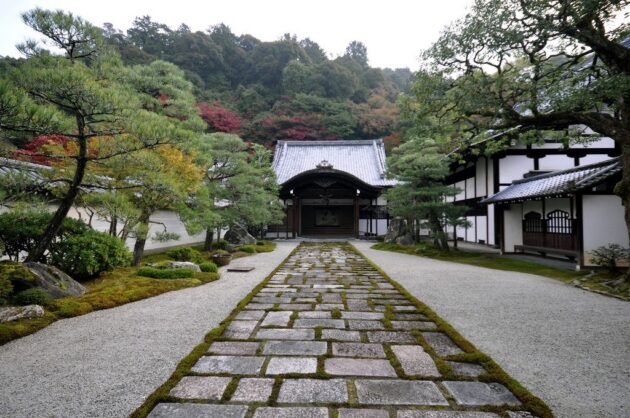
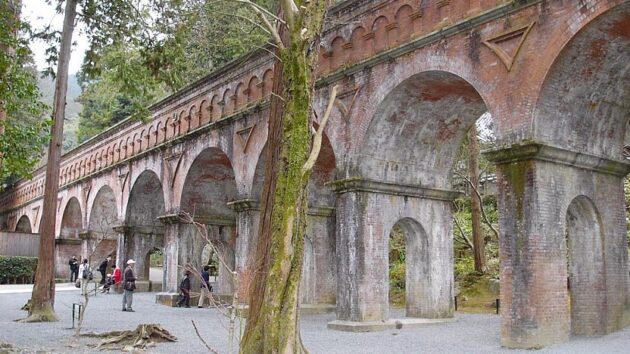
Nanzen-ji (南禅寺) is one of Kyoto’s most important and atmospheric Zen temples. Founded in 1291, it ranks as the head temple of the Nanzen-ji branch of Rinzai Zen Buddhism. The temple is famous for its majestic scale, beautiful gardens, and the striking red-brick aqueduct that runs through its grounds — a unique blend of traditional Japanese temple scenery and Meiji-era Western engineering.
Why Visit Nanzen-ji?
Stunning Zen gardens and seasonal beauty (especially autumn foliage and spring cherry blossoms).
Peaceful atmosphere compared to more crowded temples like Kinkaku-ji or Fushimi Inari.
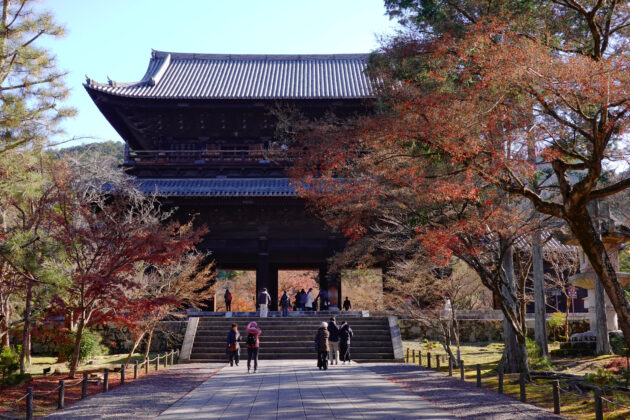
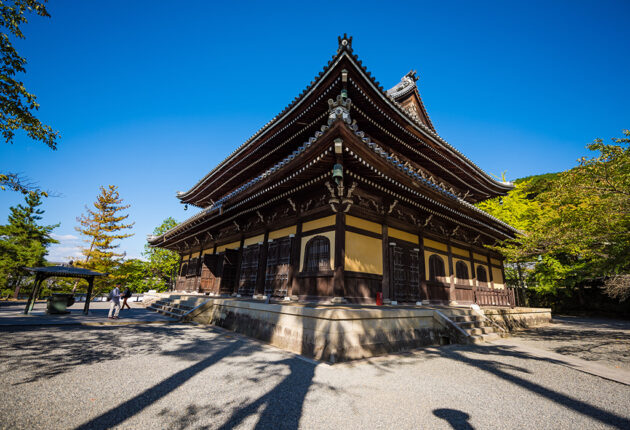
Excellent examples of Zen architecture, including the massive Sanmon gate.
Pleasant walking paths and several outstanding sub-temples within the complex.
How to Get There
Address: 86 Nanzenji Fukuchicho, Sakyo Ward, Kyoto
Best access: Subway: Take the Tozai Line to Keage Station (Exit 2). The temple is a 10-minute walk uphill. Bus: Routes 5, 100, or 110 to Nanzenji Eikandou-michi or Nanzenji stop. From Gion / Higashiyama: About 20–25 minutes on foot through the Philosopher’s Path area.
Pro tip: Combine your visit with the Philosopher’s Path (Tetsugaku-no-Michi), Eikando Temple, or Ginkaku-ji (Silver Pavilion).
Opening Hours & Fees
Main Temple Grounds: Free (open daily until around sunset); Hojo Garden + Abbot’s Quarters: 600 yen (adult); Sanmon Gate: 600 yen.
Sub-temples: Tenju-an (excellent garden): 500 yen; Konchi-in (superb dry landscape garden): 400 yen.
Best time to visit: Early morning (opens around 8:40–9:00 AM) to avoid crowds. Late November for vibrant autumn maple leaves (peak season can be busy).
Highlights & What to See
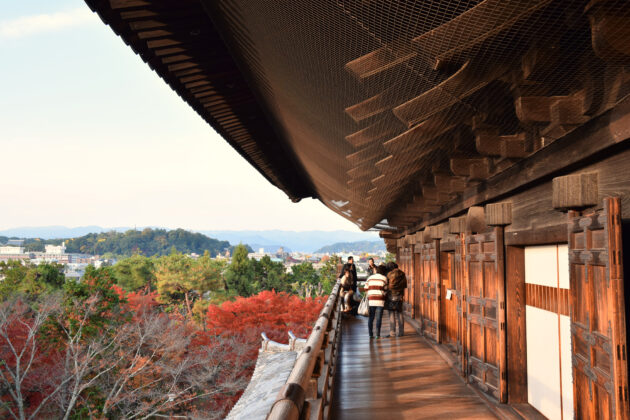
Sanmon Gate (三門): The massive two-story gate is one of the largest in Japan. Climb to the top for panoramic views over Kyoto.
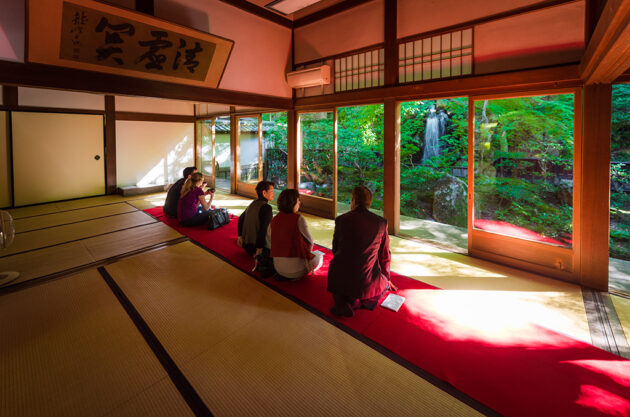
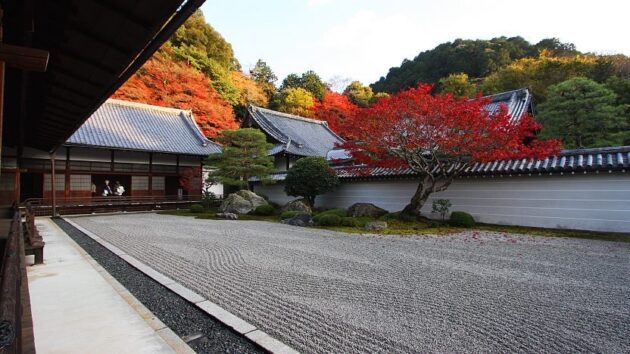
Hojo (方丈) – Abbot’s Quarters: The main building features beautiful sliding doors with tiger paintings and one of Kyoto’s finest Zen gardens. The garden is designed to be viewed from the veranda.
Nanzen-in: A small sub-temple with a lovely pond garden.
The Aqueduct (水路閣): The most photogenic spot. Built in the late 19th century to bring water from Lake Biwa, the red-brick arches create a dramatic contrast with the surrounding greenery.
Tenju-an (天授庵): Highly recommended. Features an elegant stroll garden with a pond and excellent rock arrangements.
Konchi-in (金地院): Another must-see sub-temple with a powerful dry landscape garden attributed to Kobori Enshu.
Practical Tips
Wear comfortable shoes — there’s quite a bit of walking on gravel and stone paths.
Photography is allowed in most areas, but avoid taking photos of monks or during ceremonies.
Bring cash — many sub-temples only accept cash.
English signs and pamphlets are available.
Nearby Attractions & Dining
Eikando (永観堂) – Beautiful temple famous for its autumn leaves.
Philosopher’s Path – Scenic canal walk (especially lovely in spring and fall).
Okazaki Park & Heian Shrine – 15–20 minutes away.
Recommended Restaurants nearby: Okutan – Traditional yudofu (tofu hot pot) – a Kyoto specialty (near the temple entrance). Hyotei – Historic kaiseki restaurant (very expensive, reservation needed). Casual options along the Philosopher’s Path for matcha and sweets.
Seasonal Highlights
Spring (March–April): Cherry blossoms around the aqueduct.
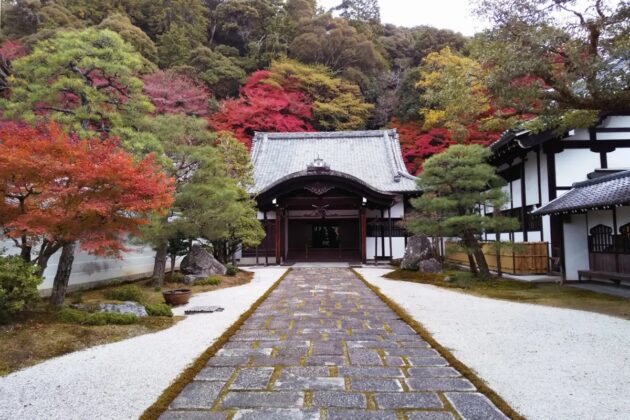
Autumn (mid–late November): One of Kyoto’s best spots for momiji (red maple leaves).
Winter: Quiet and contemplative with possible light snow.
Final Thoughts
Nanzen-ji offers a perfect balance of grandeur and tranquility. It’s an excellent choice for visitors who want to experience authentic Zen temple culture without the overwhelming crowds of central Kyoto’s more famous sites.