
The Grand Palace Travel Guide (2026)
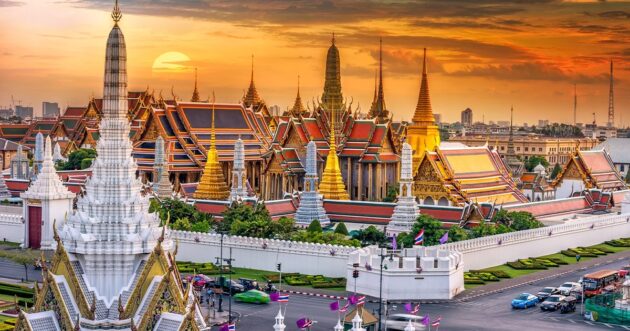
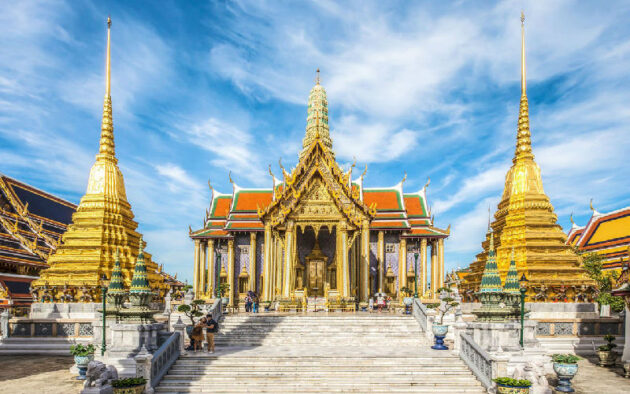
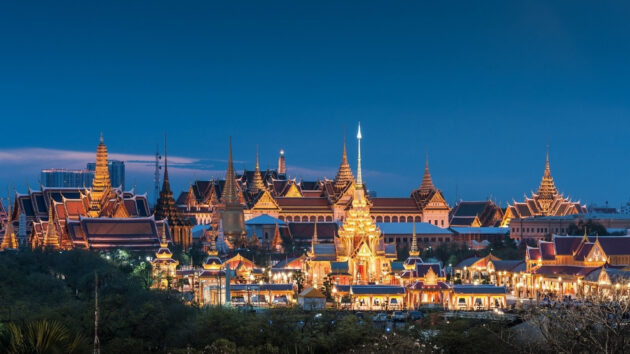
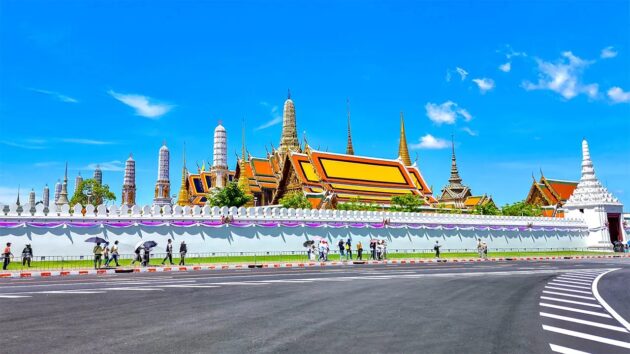
The Grand Palace (Phra Borom Maha Ratchawang) in Bangkok is one of Thailand’s most iconic landmarks and a must-visit for travelers. Established in 1782 by King Rama I, it served as the official residence of the Kings of Siam (and later Thailand), the royal court, and the seat of government for over 150 years. Today, it functions primarily as a ceremonial site and houses the Temple of the Emerald Buddha (Wat Phra Kaew), Thailand’s most sacred temple.
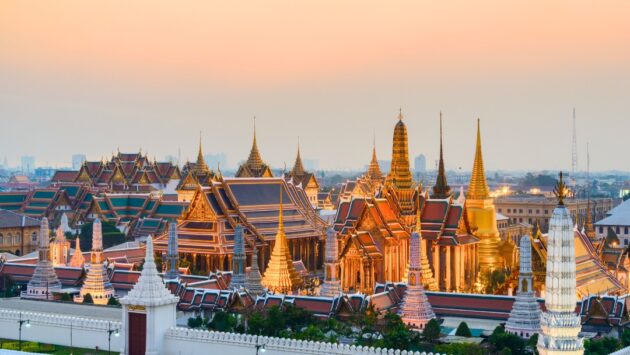
The sprawling complex covers over 200,000 square meters and blends traditional Thai architecture with European influences, featuring glittering gold stupas, intricate murals, throne halls, and courtyards. It remains a symbol of Thai monarchy, history, and artistry.
Opening Hours
Daily: 8:30 AM – 3:30 PM (ticket office closes sharply at 3:30 PM; last admission around then). The complex itself may stay accessible until 4:30 PM in some references, but plan to enter early.
It is generally open every day, including weekends and most holidays, but can have shortened hours or partial closures for royal ceremonies (e.g., Chakri Day, certain Buddhist holidays, or special events). Check the official site (royalgrandpalace.th) or recent announcements before your visit, as schedules can adjust.
Pro tip: Arrive by 8:15 AM to beat crowds and the intense midday heat/humidity. The site has little shade, and tour groups arrive after 9 AM. Weekdays are quieter than weekends.
Ticket Prices
500 THB (about $14–15 USD) per adult foreigner. This includes access to the entire Grand Palace complex and Wat Phra Kaew (Temple of the Emerald Buddha), plus the Queen Sirikit Museum of Textiles.
Thai nationals: Free.
Children under 120 cm (or sometimes under 13): Free.
No haggling at official counters. Guided tours or combo tickets (with nearby sites) are available via platforms like Klook, Viator, or GetYourGuide for added context.
Strict Dress Code
The Grand Palace enforces a very strict dress code out of respect for its sacred status. Entry will be denied if not followed.
Requirements:
Shoulders fully covered (no sleeveless shirts, vests, or tank tops).
Legs covered below the knees (long pants, long skirts, or dresses; no shorts, mini-skirts, ripped jeans, tight leggings, or bike pants).
No see-through, crop, or short tops; no flip-flops/slippers in some areas; formal/polite attire preferred.
What to do: Dress appropriately from your hotel. Sarong or pants rentals were common in the past but availability is limited or unavailable as of recent updates—don’t rely on them. Men should avoid jeans in some stricter announcements.
Prohibited: Drones, large bags (check rules), and disrespectful behavior.
Highlights and What to See
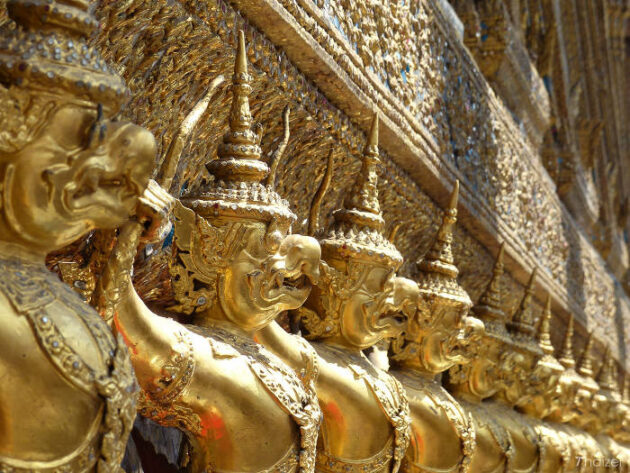
Wat Phra Kaew (Temple of the Emerald Buddha): The star attraction. Home to the small but revered Emerald Buddha statue (carved from jade/jasper), which changes seasonal attire. The temple’s architecture, murals depicting the Ramakien (Thai version of the Ramayana), and golden chedis are stunning.
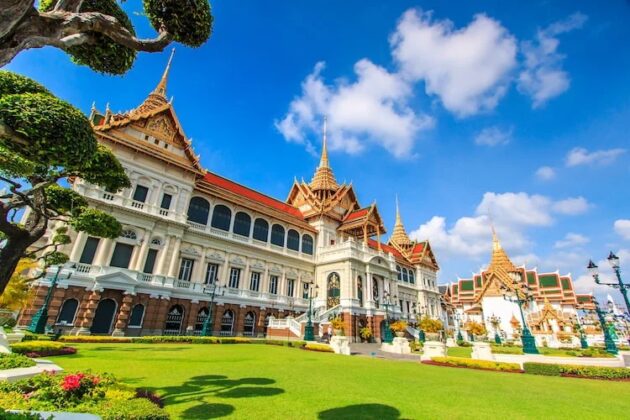
Chakri Maha Prasat Hall: A fusion of Thai and neoclassical styles with a distinctive throne hall.
Dusit Maha Prasat Throne Hall: Elegant Thai-style building used for royal ceremonies.
Phra Thinang Amarin Winichai: Another impressive throne hall.
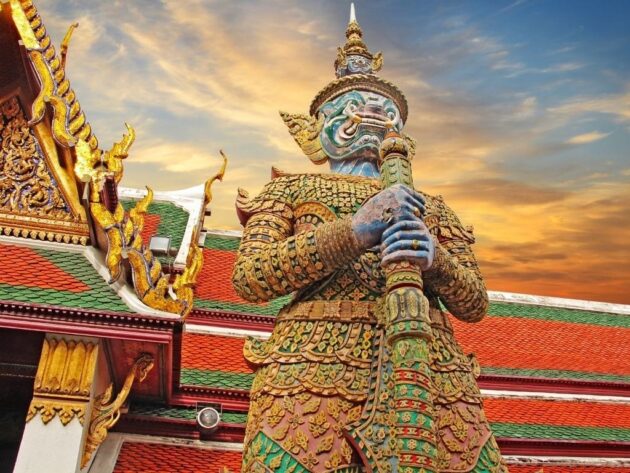
Ornate statues, demon guardians, murals, and gardens throughout the complex.
Allow 2–4 hours for a thorough visit. Start with Wat Phra Kaew to avoid lines, then explore the palace grounds. Audio guides or hired local guides enhance the experience with historical context.
How to Get There
By Chao Phraya River Boat (recommended): Take the BTS Skytrain to Saphan Taksin (exit 2), then the orange-flag tourist boat or regular river ferry to Tha Chang pier (near the palace). It’s scenic and avoids traffic.
By MRT/BTS + walk/taxi: Closest is MRT Sanam Chai or a short walk/taxi from other stations.
Taxi/Grab: Tell the driver “Grand Palace” or “Wat Phra Kaew.” Traffic can be heavy—allow extra time.
Tuk-tuk: Convenient but negotiate price and be wary of scams.
Nearby Attractions
Wat Pho (Temple of the Reclining Buddha): Just south—home to the massive 46-meter golden reclining Buddha. Often visited together.
Wat Arun (Temple of Dawn): Across the river—stunning at sunset; take a short ferry.
Khao San Road or Democracy Monument for street food and vibe.
A popular combo is Grand Palace + Wat Pho in the morning, then a river crossing to Wat Arun.
Best Time to Visit Bangkok Overall
Cooler/drier season: November–February (pleasant temperatures, but peak crowds and higher prices).
Avoid March–May (very hot) and peak monsoon (June–October, though rain is often afternoon showers).
Visit early morning year-round to minimize heat.
Practical Tips to Avoid Scams and Hassles
The “closed” scam: Ignore anyone near the entrance (including tuk-tuk drivers) who says the palace is closed or suggests an alternative tour. It is almost always open during stated hours. Walk straight to the official ticket office.
Bring water, sunscreen, a hat, and comfortable shoes—it’s a lot of walking on hot pavement.
Photography is allowed in most areas (respect signs for the Emerald Buddha chapel).
Respectful behavior is essential: No loud talking, remove hats/shoes where required, and dress modestly.
Currency: Have small THB notes; ATMs nearby.
For latest updates (closures, restorations), visit the official royalgrandpalace.th site.
Final Thoughts
The Grand Palace is crowded but worth every bit of effort—its opulence and cultural significance make it a highlight of any Thailand trip. If you’re short on time, consider a guided small-group or private tour for efficient navigation and deeper insights.