
Wat Pho Travel Guide (2026)
Wat Pho, officially Wat Phra Chetuphon Wimon Mangkhalaram Rajwaramahawihan, is one of Bangkok’s oldest, largest, and most iconic temples. It is famously known as the Temple of the Reclining Buddha and serves as a major cultural and historical landmark in the Rattanakosin area.
History and Significance
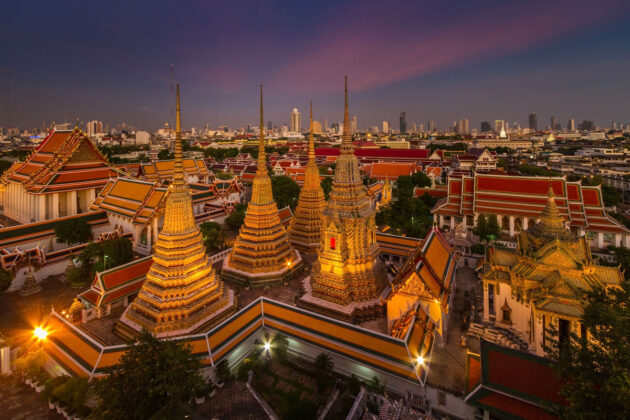
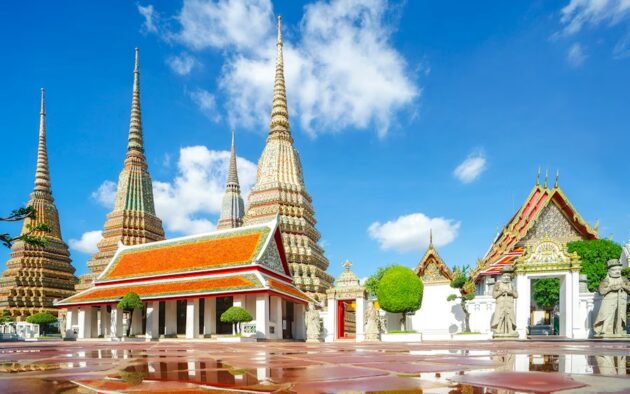
Wat Pho dates back to the 16th century (pre-dating Bangkok as the capital) but was significantly expanded and rebuilt under King Rama III in the 19th century. The temple complex spans about 8–9 hectares (around 20 acres) and features over 1,000 Buddha images, 95 chedis (stupas), viharas, rock gardens, and more. It is considered Thailand’s first public university because of the educational inscriptions and diagrams on medicine, history, and other subjects carved into stone tablets throughout the grounds (some recognized by UNESCO’s Memory of the World).
It is also widely regarded as the birthplace of traditional Thai massage (Nuad Thai). The on-site Wat Pho Thai Traditional Medical and Massage School teaches authentic techniques and offers treatments to visitors.
Main Attraction: The Reclining Buddha
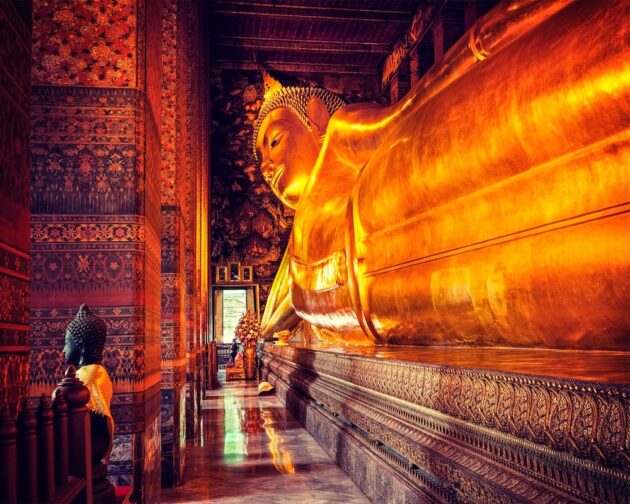
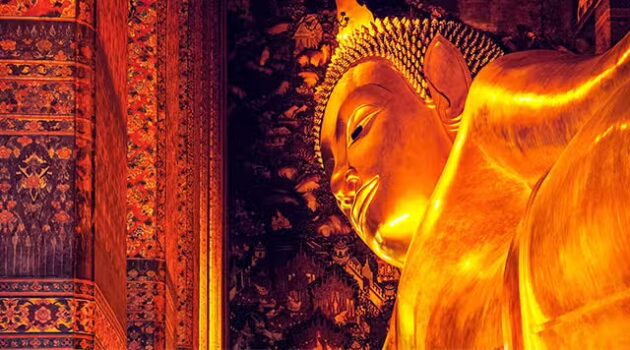
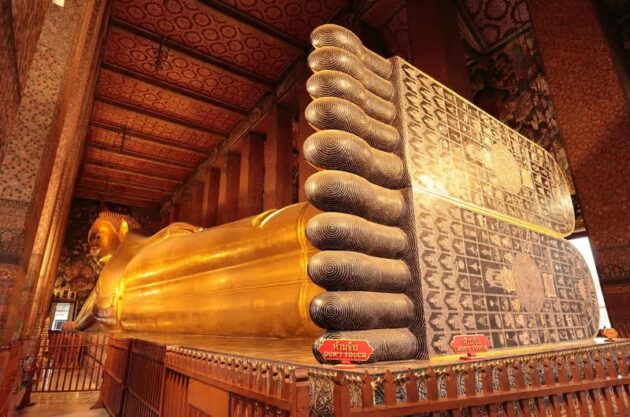
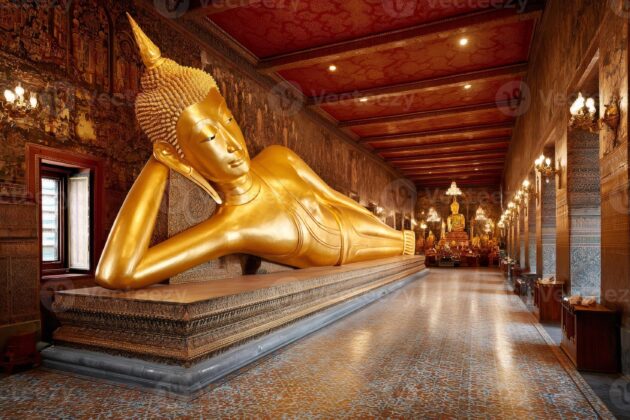
The star feature is the enormous Reclining Buddha (Phra Buddha Saiyas), housed in a dedicated chapel. The golden statue measures 46 meters (150+ feet) long and 15 meters high, depicting the Buddha entering Nirvana (parinirvana). Its feet are intricately inlaid with mother-of-pearl showing 108 auspicious symbols.
Visitors can walk alongside the statue and drop coins into the 108 bronze bowls lining the platform (each coin drop is said to bring merit or good fortune). The scale and serene atmosphere make it breathtaking, though the hall can get crowded midday.
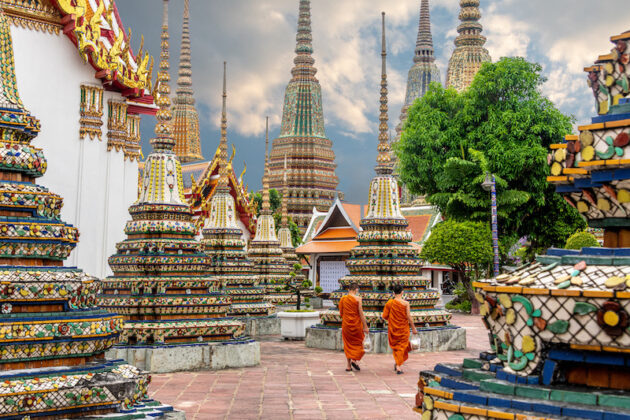
The rest of the complex is photogenic with colorful chedis, Buddha statues in various poses, courtyards, and peaceful corners—far less rushed than the nearby Grand Palace.
Practical Information
Opening hours: Daily from 8:00 AM to 6:30 PM (some sources note slight variations up to 7:30 PM; the Reclining Buddha hall and main areas follow core hours). The grounds may have limited evening access in some cases, but main sights close earlier.
Entrance fee: 300 THB (~$8.50–9 USD) for foreign adults (cash only in many cases). Children under 120 cm (~4 feet) enter free. Thai citizens often enter free. Note: Older guides may list 200 THB—prices have increased.
Dress code: Modest attire required—shoulders and knees must be covered. No tank tops, shorts, short skirts, tight/revealing clothing, or offensive prints. Sarongs or cover-ups may be available for rent if needed, but it’s best to come prepared (less strict than the Grand Palace, but still enforced). Shoes are removed in certain buildings.
Time needed: 45 minutes to 1.5–2 hours, depending on whether you linger for photos, explore the grounds, or get a massage.
Pro tip: Ignore anyone outside claiming the temple is “closed” or offering to guide you elsewhere—this is a common scam.
Best Time to Visit
Early morning (right after opening, ~8:00–9:30 AM) → fewer crowds and cooler temperatures.
Late afternoon is another good option to avoid peak heat and midday tour groups.
Best season: November–February (cooler, drier weather). Bangkok is hot and humid year-round, so bring water and sunscreen. The ticket often includes a complimentary bottle of water.
Thai Massage at Wat Pho
You can experience or learn authentic Thai massage here. Treatments are available on-site (hours typically until ~6:00 PM). It’s a great way to relax after walking the grounds and supports the traditional school. Book ahead if possible, especially for longer sessions. This is considered one of the most reputable places in the city for traditional techniques.
How to Get There
Location: 2 Sanam Chai Rd, Phra Borom Maha Ratchawang, Phra Nakhon, Bangkok (directly south of the Grand Palace).
By boat: Tha Tien Pier (Chao Phraya Express Boat) is the most scenic and convenient option.
By MRT: Sanam Chai station (about a 10-minute walk).
Taxi/Tuk-tuk: Easy from most areas, but use ride-hailing apps like Grab for reliability and to avoid overcharging.
Combine with the Grand Palace (a short walk north) and a ferry across the river to Wat Arun (Temple of Dawn) for a full morning or day in the historic district.
Nearby Attractions, Food & Stay
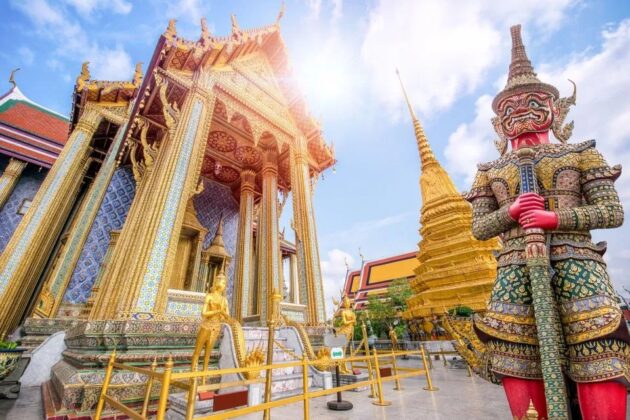
Nearby: Grand Palace & Wat Phra Kaew (Emerald Buddha), Wat Arun (cross the river), Tha Tien area, and flower markets.
Food: Street food and simple Thai restaurants around Tha Tien Pier or in the old town. Look for fresh seafood, pad Thai, or mango sticky rice. For something more relaxed, riverside spots offer views.
Accommodation: Boutique hotels and guesthouses nearby include options like Inn A Day, Sala Rattanakosin, or riverside properties with Chao Phraya views. Many are within walking distance.
Visitor Tips
Wear comfortable shoes (you’ll do a lot of walking and removing them).
Stay hydrated and watch for pickpockets in crowded areas like the Reclining Buddha hall (wear backpacks in front).
Photography is allowed, but be respectful—no climbing on structures or disruptive behavior.
The complex has restrooms and shaded areas, but expect some heat exposure in open courtyards.
For a quieter experience, explore the monastic areas and smaller chedis beyond the main tourist spots.
Final Thoughts
Wat Pho offers a perfect mix of awe-inspiring architecture, history, spirituality, and relaxation. It’s often less overwhelming than the Grand Palace while still delivering iconic Bangkok vibes. Pair it with a traditional massage for a memorable cultural experience.