
Wat Mahathat Travel Guide (2026)
Wat Mahathat (Monastery of the Great Relic) is one of the most iconic and photogenic ruins in Ayutthaya Historical Park, a UNESCO World Heritage Site in Phra Nakhon Si Ayutthaya, Thailand.
History and Significance
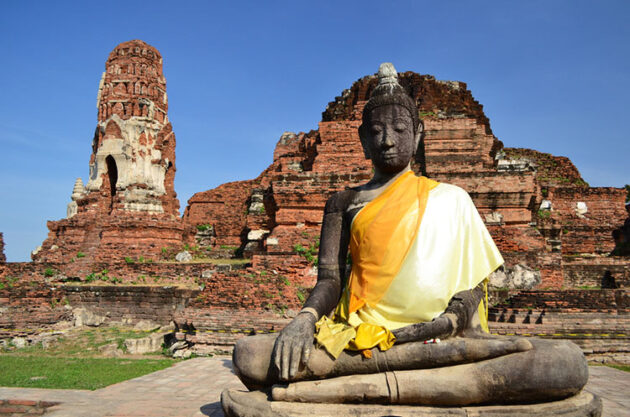
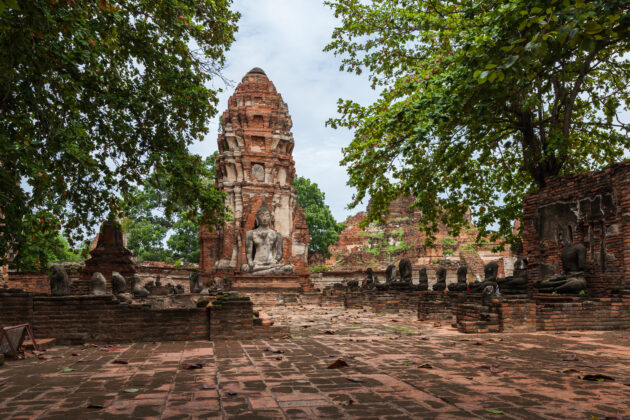
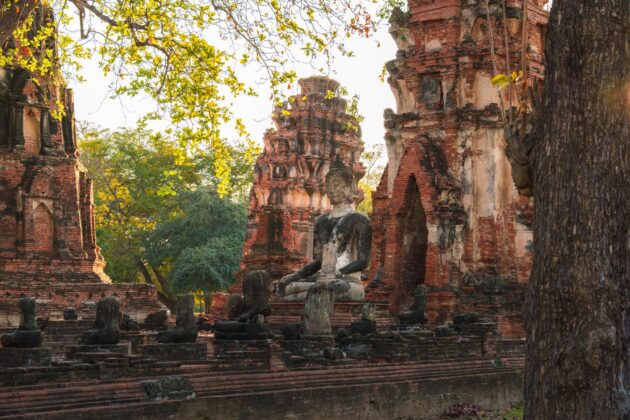
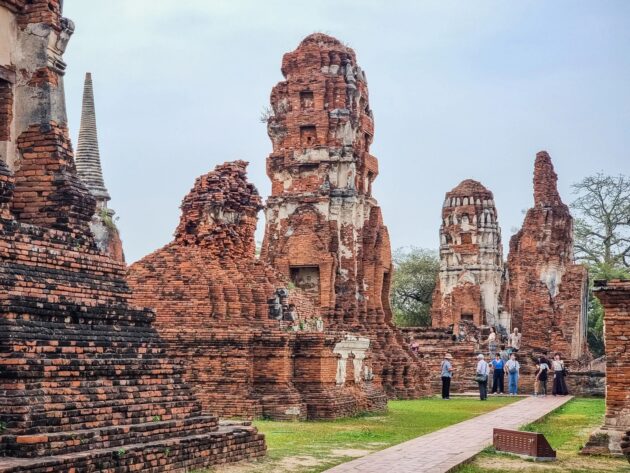
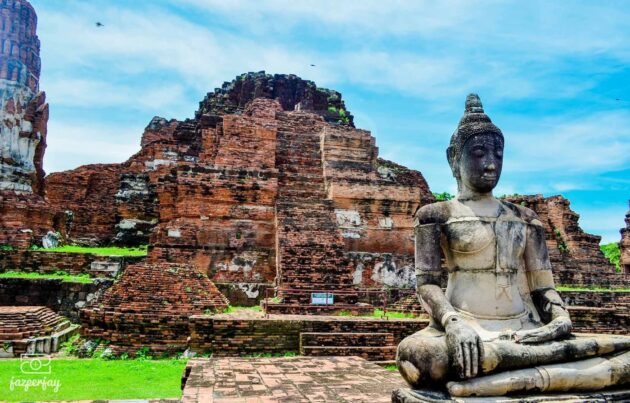
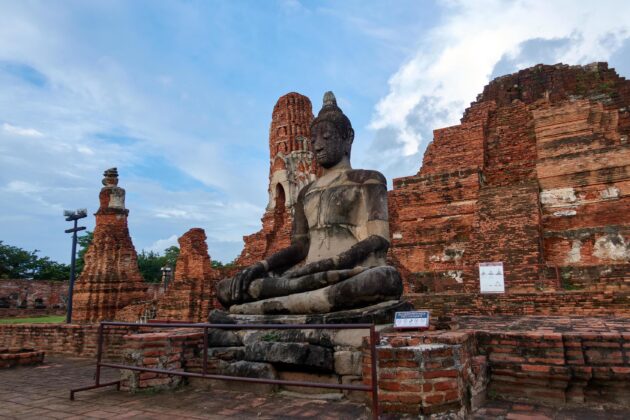
Construction began in the 1370s (around 1374) during the early Ayutthaya Kingdom, possibly under King Borommaracha I or King Ramesuan. It served as a major royal and religious center, housing important Buddha relics. The temple was largely destroyed by Burmese invaders in 1767, leaving behind crumbling Khmer-style prangs (towers), chedis (stupas), headless Buddha statues, and laterite/sandstone structures reclaimed by nature.
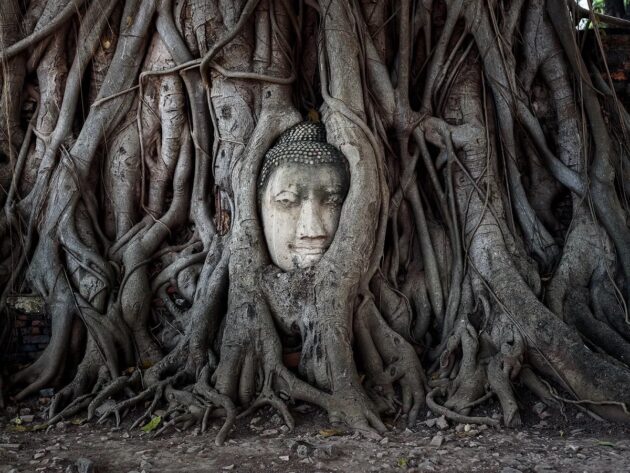
Its fame comes from the Buddha head entwined in banyan tree roots (in the southeast of the complex), one of Thailand’s most recognizable images symbolizing nature’s reclamation of history.
What to See and Do
Iconic Buddha Head: Kneel or crouch for photos to show respect (stay lower than the Buddha image). It’s busiest midday.
Explore the ruins: Walk among prangs, foundations, prayer halls, and rows of headless Buddhas.
Khmer-influenced architecture with remnants of murals and chedis.
Shady spots around trees for resting in the heat.
Time needed: 45–90 minutes, longer if you linger for photos or atmosphere.
Practical Information
Opening Hours: Generally 8:00 AM – 6:00 PM (or 8:30 AM – 6:30 PM). Ticket window may close earlier (e.g., 5:00 PM).
Entrance Fee: Around 50–80 THB per adult (roughly $1.50–$2.50 USD). Some sources note slight variations or multi-site passes. The broader Ayutthaya Historical Park has no single overarching fee, but individual major sites charge.
Best Time to Visit: Cool/dry season (November–February): Pleasant weather, ideal for exploring. Early morning or late afternoon: Fewer crowds at the Buddha head and better light/photography. Avoid midday heat (can exceed 35°C/95°F). Rainy season (June–October) brings lush greenery but possible flooding and heat/humidity.
Dress Code: Modest clothing (shoulders and knees covered). Remove shoes in sacred areas. Be respectful—Ayutthaya remains an active spiritual site.
How to Get There
From Bangkok: Train: Cheap and scenic (from Hua Lamphong or other stations). Get off at Ayutthaya station, then local transport (tuk-tuk, songthaew, or bike) to the park. Bus/Van: Frequent from Mo Chit or Victory Monument. Private tour or taxi: Convenient for groups; many include multiple temples.
Within Ayutthaya: The temple is centrally located in the historical park (near Chikun Road and Naresuan Road). Rent a bicycle (popular and flexible), hire a tuk-tuk, or join a guided tour. GPS coordinates approx: 14.3572° N, 100.5677° E.
Tips for Visitors
Beat the crowds: Arrive early; the site gets busy with tours.
Sun protection: Hat, sunscreen, water—shade is limited in open areas.
Photography: Golden hour light enhances the ruins. Respect rules around the Buddha head.
Combine with nearby sites: Wat Ratchaburana (climbable prang), Wat Phra Si Sanphet, Wat Chaiwatthanaram (riverside sunset spot).
Food: Nearby street vendors or head to Ayutthaya’s night market for boat noodles and local eats.
Accessibility: Uneven grounds (dirt, bricks); wear sturdy shoes. Not fully wheelchair-friendly.
Final Thoughts
Wat Mahathat offers a powerful, atmospheric glimpse into Thailand’s ancient capital. It’s a highlight for history buffs, photographers, and anyone seeking a mix of serenity and wonder amid the ruins. Pair it with a full day exploring the park for the best experience. Safe travels!