

Ban Gioc Waterfall Travel Guide (2026)
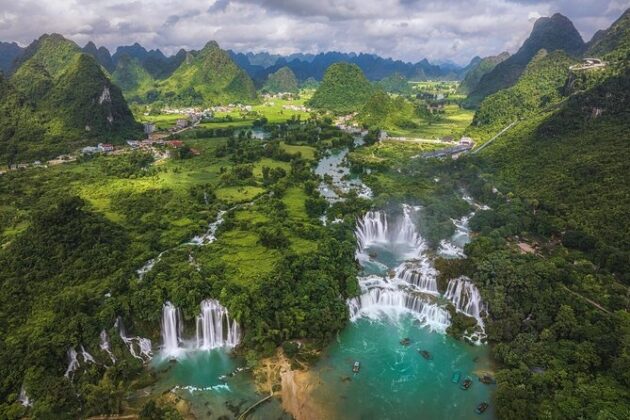
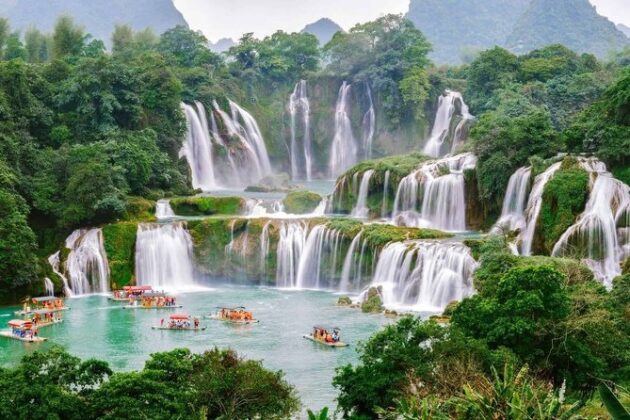
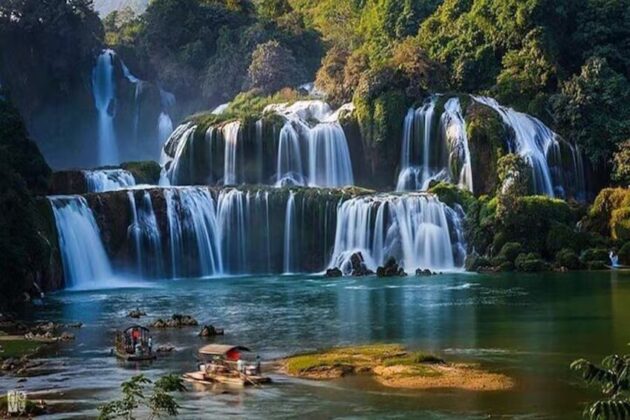
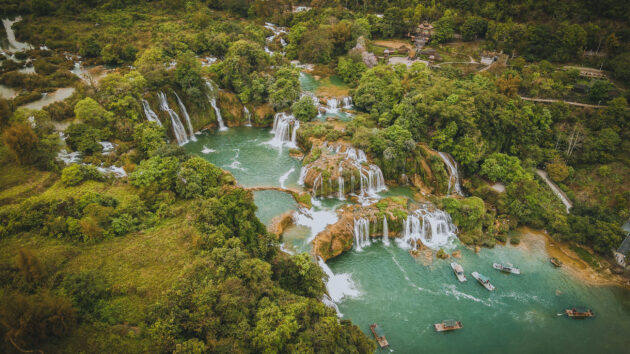
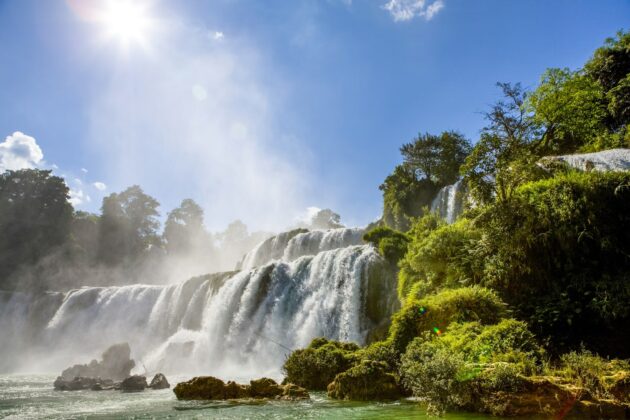
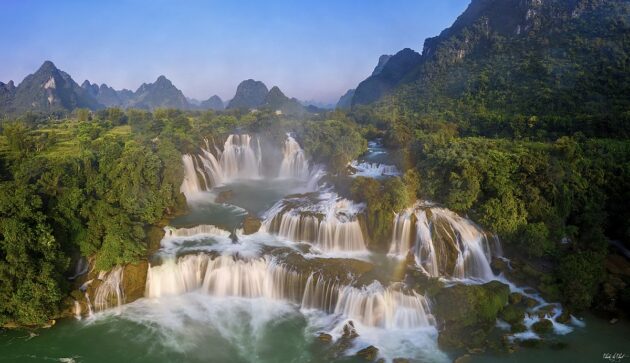
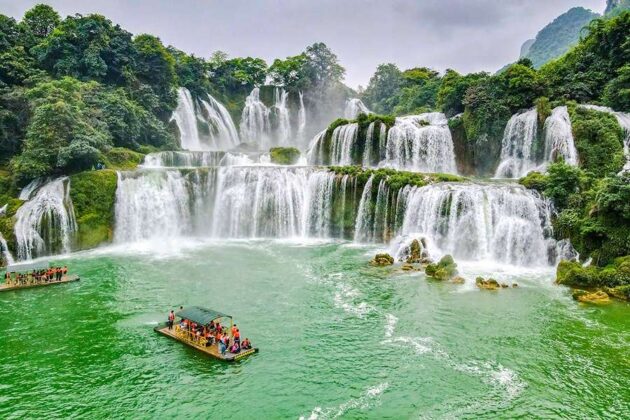
Ban Gioc Waterfall (Thác Bản Giốc), also known as Detian Falls on the Chinese side, is one of Vietnam’s most spectacular natural attractions. It ranks as the widest waterfall in the country (around 300 meters across) and one of the largest transnational waterfalls in the world (fourth-largest border waterfall globally). Straddling the border between Vietnam’s Cao Bằng Province and China’s Guangxi region along the Quây Sơn River, it features multiple tiers of cascading water tumbling over limestone rocks into serene pools, framed by lush karst mountains and rice fields.
The Vietnamese side offers a flatter base view with easy access, while the Chinese side (Detian) provides more elevated panoramic perspectives. It remains relatively peaceful and less crowded than sites like Ha Long Bay or Sapa, making it ideal for nature lovers seeking an authentic northern Vietnam experience.
Best Time to Visit
Peak season for water flow and scenery: September to October — post-monsoon rains keep the falls powerful, rice harvests paint the landscape golden, and crowds are manageable. September is often highlighted as ideal.
Rainy season (May–September): Maximum water volume, but expect more frequent rain and potentially slippery paths.
Dry season (October–April): Clearer skies for photography and easier travel, though water flow is lower (still impressive; controlled releases may boost flow midday in drier months). December–February can be cooler in the mountains.
Avoid major Vietnamese holidays if you prefer fewer local tourists.
The waterfall is accessible year-round, with opening hours typically 7 AM–5 PM.
How to Get There
Ban Gioc lies in Dam Thuy Commune, Trung Khanh District, Cao Bằng Province, about 85–90 km (roughly 2 hours by road) northeast of Cao Bằng City and 280–340 km (6–8+ hours) from Hanoi.
From Hanoi: Take an overnight or daytime bus from My Dinh Bus Station to Cao Bằng City (5.5–9 hours, ~$15–30 USD). From Cao Bằng, continue by local bus (several per day, 2–4 hours), private taxi, hired motorbike, or easy rider. Direct vans or tours are also available.
Independent travel: Rent a motorbike in Cao Bằng or Hanoi for flexibility (popular with travelers). The scenic drive passes karst landscapes.
Organized tours: Many Hanoi-based tours combine Ban Gioc with Cao Bằng highlights (2–4 days), including transport, guide, and sometimes homestays. Private drivers are convenient for groups.
Road conditions have improved but can be winding and affected by rain. Public buses from Cao Bằng drop near the entrance area.
Entry and on-site transport: Expect a modest entrance fee of around 40,000–100,000 VND (~$1.60–$4 USD; confirm current rates on arrival). Electric carts or golf carts often shuttle visitors down to the base. Bamboo boat/raft rides near the falls are a popular, calm add-on for close-up views (additional small fee).
Things to Do at and Near Ban Gioc
Admire the falls from viewing platforms and walkways on the Vietnamese side.
Take a bamboo raft for a relaxing float at the base.
Explore the surrounding area: The road from Cao Bằng offers worthwhile stops like:
Ngườm Ngao Cave (impressive stalactites; bring a torch if needed).
Khuổi Ky Stone Village (unique historic stone houses of the Tày ethnic group; atmospheric homestays available).
Phúc Sen knife-making village (traditional crafts).
Combine with other Cao Bằng attractions, such as more caves, ethnic minority villages, or rice terraces.
The area has a frontier feel with some security presence due to the border, but it’s generally relaxed for tourists staying on the Vietnamese side. Cross-border access at the falls is limited or restricted (often only for locals or specific day programs; standard international border crossings are elsewhere, like near Mong Cai).
Where to Stay
Near the falls (Dam Thuy/Trung Khanh area): Basic guesthouses, small hotels, or the Saigon-Ban Gioc Resort (mid-range, some rooms with distant views). Homestays in Khuổi Ky Stone Village offer cultural immersion in traditional settings (expect simple, clean rooms; 200,000–500,000+ VND/night).
Cao Bằng City (most popular base): Wider range of options, from budget homestays (e.g., Primrose Homestay, highly rated for comfort and vibe) to larger hotels like Muong Thanh. Many travelers stay here and day-trip to the falls.
Book ahead during peak seasons or holidays; otherwise, walk-ins are often fine.
Food and Practical Tips
Local eateries near the falls and in villages serve simple Vietnamese meals, fresh river fish, and regional specialties. Cao Bằng City has more variety.
Bring cash (VND); ATMs are limited in remote spots.
Wear comfortable shoes for walking; rain gear if visiting in wetter months. Modest clothing is respectful in ethnic areas.
Photography is excellent—golden hour or overcast days reduce glare on the water.
Safety: The region is generally safe for travelers. Roads can be challenging for inexperienced motorbike riders; consider hiring a local driver if unsure. Standard travel insurance is recommended.
Visa note: Standard Vietnam visa rules apply. No special border permit is typically needed for visiting the Vietnamese side of Ban Gioc, but check latest requirements, especially if combining with China travel.
Final Thoughts
Ban Gioc rewards the effort of reaching this remote corner of northern Vietnam with unforgettable views and a glimpse into rural border life. It pairs beautifully with Cao Bằng’s other natural and cultural sites for a deeper off-the-beaten-path adventure. Check current bus schedules, road conditions, and fees locally or via your accommodation, as minor details can shift. Safe travels!