
Phu Quoc Travel Guide (2026)
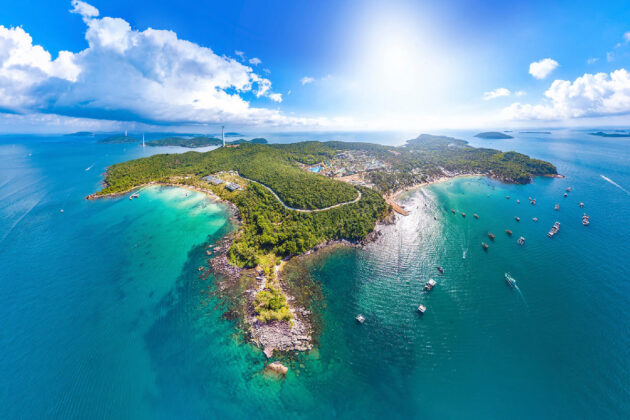
Phu Quoc (Phú Quốc), Vietnam’s largest island in the Gulf of Thailand, is a tropical paradise known for its white-sand beaches, crystal-clear turquoise waters, lush rainforests, and relaxed vibe. Often called the “Pearl Island,” it offers a mix of pristine nature, water activities, and growing resort infrastructure while remaining more laid-back than places like Phuket or Bali.
Best Time to Visit
Phu Quoc has a tropical climate with two main seasons:
Dry season (November–April): The best time for most travelers. Expect sunny days, calm seas, minimal rainfall, and temperatures around 25–32°C (77–90°F). This is peak season for beachgoing, snorkeling, and island-hopping, though crowds and prices are higher around Christmas/New Year and Tet (Lunar New Year).
Wet season (May–October): Cheaper and less crowded, with more rain (often short afternoon showers) and rougher seas that can limit boat trips. Still warm and suitable for indoor or short outdoor activities.
For the sunniest beach weather, aim for December–March.
How to Get There
By air: Phu Quoc International Airport (PQC) handles many domestic flights from Ho Chi Minh City (about 1 hour) and Hanoi, plus increasing international routes (e.g., from South Korea and other Asian cities). The airport is expanding, with new terminals planned for higher capacity in coming years.
By sea: Ferries or speedboats from Ha Tien or Rach Gia on the mainland (several hours). Direct arrivals by air or sea qualify for the island’s visa exemption (see below).
Getting around the island: Rent a scooter (popular but drive carefully on sometimes uneven roads), hire a taxi/grab, or join private tours. The island is about 50km long, so distances between areas can take 30–60 minutes.
Top Things to Do and See
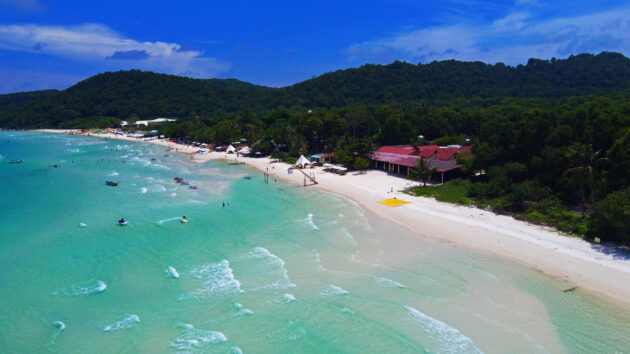
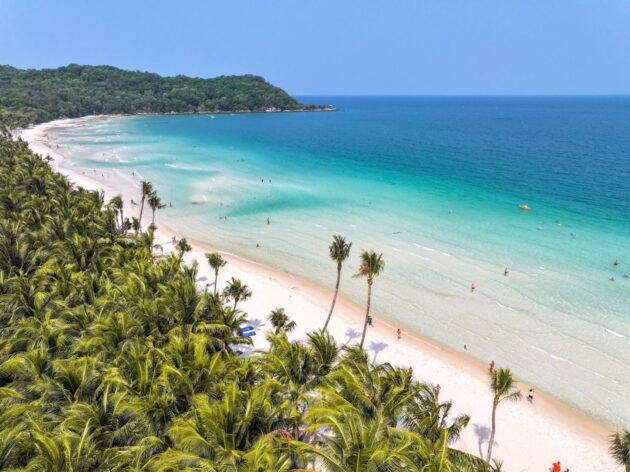
Beaches: Long Beach (Bãi Trường): Long, accessible stretch near Duong Dong with resorts, restaurants, and sunset views—great for swimming and people-watching. Sao Beach (Bãi Sao): Often called one of Vietnam’s most beautiful, with powdery white sand and calm, shallow waters (south end of the island). Khem Beach, Ong Lang Beach: Quieter, more upscale or secluded options with clear waters.
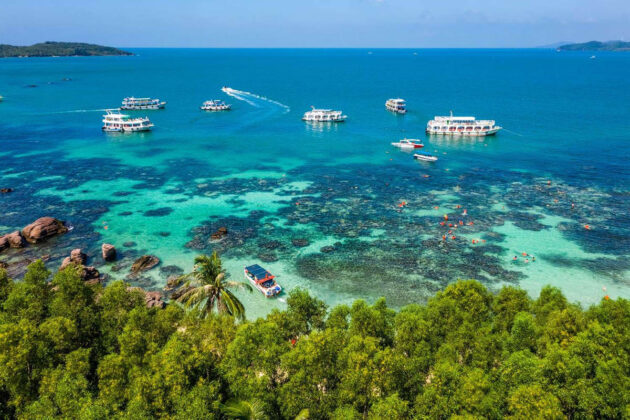
Island-hopping and water activities: Full-day boat tours to the An Thoi archipelago for snorkeling, swimming, and lunch on remote islands. Scuba diving is popular for coral reefs.
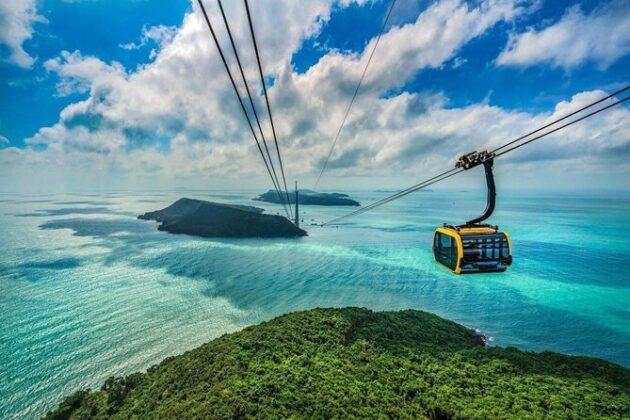
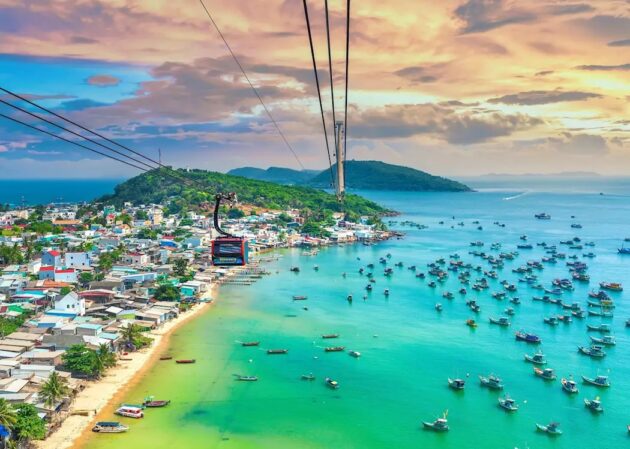
Hon Thom (Pineapple Island): Ride the world’s longest sea cable car for panoramic views, then visit VinWonders amusement park or beaches.
Nature and culture: Explore Phu Quoc National Park for hiking and wildlife. Visit pepper farms (Phu Quoc is famous for black pepper), fish sauce factories, or the historic Phu Quoc Prison. Dinh Cau Temple and night markets offer local flavor.
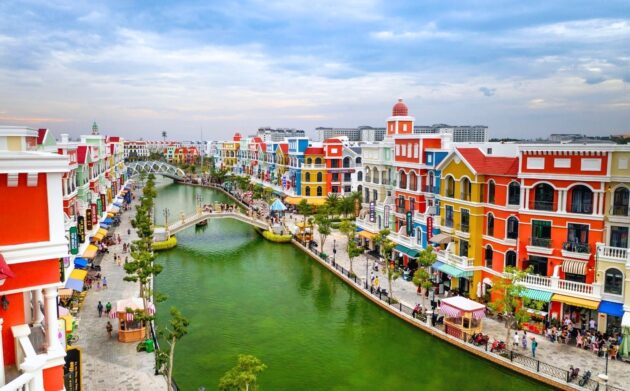
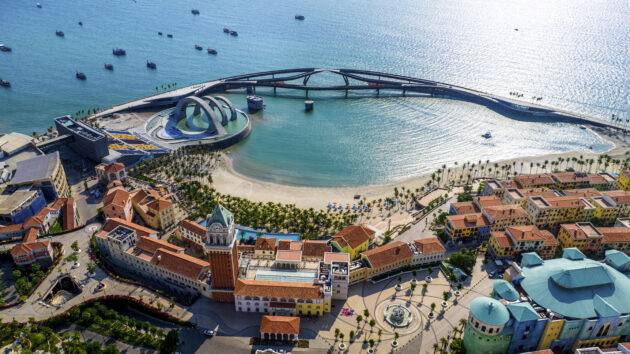
Other highlights: Sunset Town for Italian-style architecture and photos, starfish beach at Rach Vem, or safari/zoo experiences in the north.
3–5 days is ideal for beaches and relaxation; add more for deeper exploration or adventure.
Where to Stay
Duong Dong (central/west): Bustling town area with affordable hotels, night markets, and easy access to restaurants and transport. Good for first-timers or budget travelers.
Long Beach area: Mix of resorts and mid-range options with beachfront access.
An Thoi (south): Closer to island-hopping departures and quieter beaches.
Luxury resorts: JW Marriott Phu Quoc Emerald Bay (iconic design on Khem Beach), Regent Phu Quoc, New World Phu Quoc, or Movenpick. Many offer private beaches, spas, and pools.
Budget/mid-range: Guesthouses and bungalows in Duong Dong or Ong Lang for a more local feel.
Book in advance for dry season.
Food and Drink
Phu Quoc shines with fresh seafood (grilled squid, crab, shrimp), pepper-infused dishes, and Vietnamese classics. Don’t miss:
Night Market in Duong Dong: Street food stalls with affordable grilled seafood, spring rolls, and fresh juices.
Local specialties: Phu Quoc fish sauce (nuoc mam), black pepper crab, and mango or coconut-based desserts.
Resorts often have international dining; for authentic vibes, try beachside spots or markets.
Practical Tips
Costs: Mid-range for Southeast Asia. Budget travelers can manage on $30–50/day (accommodation, food, transport); mid-range $60–150+ with nicer resorts and tours. It’s generally more affordable than Thailand equivalents but prices rise in peak season.
Safety: Generally safe for tourists. Watch for scooter traffic, avoid isolated areas at night, and use reputable operators for boat trips. Standard precautions apply (secure valuables, travel insurance recommended).
Other advice: Bring sunscreen, insect repellent, and cash (ATMs available but not everywhere). Download offline maps. English is spoken in tourist areas but basic Vietnamese phrases help. The island is developing quickly with more resorts and visitors—book popular tours ahead in high season.
Final Thoughts
Phu Quoc balances natural beauty with convenient tourism infrastructure. Whether you’re after lazy beach days, snorkeling adventures, or a mix, it’s a standout destination in Vietnam. Safe travels!